What a Conveyor Support Bracket Does on the Line
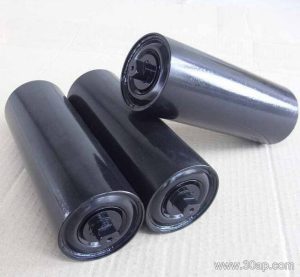
A conveyor support bracket is the steel interface between the conveyor frame and the idler roller that carries the belt. In practice, it holds the roller at the correct height, spacing and trough angle so the conveyor belt runs centered and the load is spread evenly. On a quarry conveyor belt line or a coal mining conveyor belt system, a loose or misaligned bracket is often the first reason a belt starts to wander, so this small part deserves more attention than it usually gets.
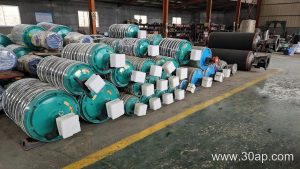
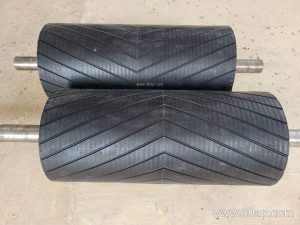
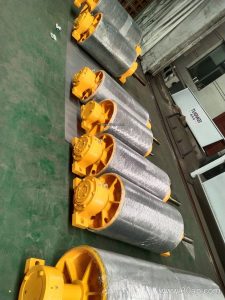
The bracket is not a pulley. Drive pulleys, tail pulleys and bend pulleys transmit power and change belt direction, while the conveyor support bracket only positions idlers. Mixing these roles up leads to wrong spare parts orders and avoidable downtime.
How the Bracket Is Built
Most units are fabricated from angle steel, channel steel or folded steel plate, then drilled or punched for mounting bolts. A troughing bracket typically carries three idlers in a fixed or adjustable frame; a return bracket holds a single flat or V-shaped roller under the returning belt. Welded stops, slotted holes and reinforcing ribs are common details that affect how quickly a maintenance team can re-align a roller.
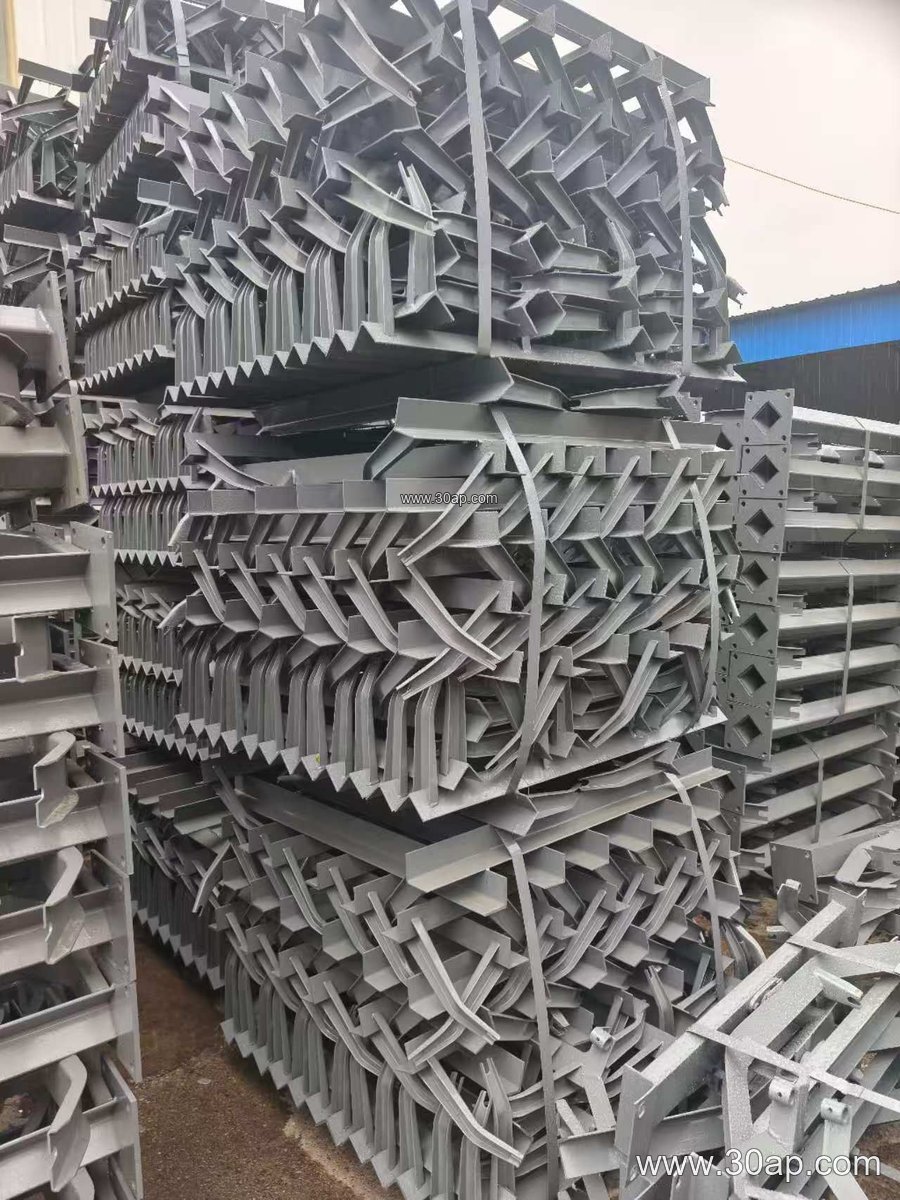
Typical build options include:
- Troughing and upper trough brackets for the carrying side
- Transition brackets near pulleys, where the belt changes shape
- Return and V-return brackets for the empty strand
- Impact brackets under loading points
- Self-aligning and forward-leaning brackets for belt tracking
- Suspended and adjustable brackets for conveyors that need fine tuning
Matching Bracket, Belt Width and Roller Diameter
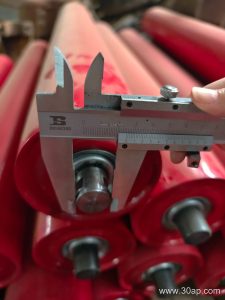
The bracket must suit the belt width, the trough angle and the roller diameter together. Common belt widths range from B500 and B650 up to B2000 and B2200, while roller diameters such as Ø89, Ø108, Ø133, Ø159 and Ø194 cover most duties. Trough angles of 20, 30, 35 and 45 degrees are usual; adjustable brackets can be set between several of these angles on site.
These values are reference points, not fixed pairings. A B800 line may run with a 35 degree trough and Ø108 rollers, and a B1200 line with 45 degrees and Ø133 rollers, but the final choice depends on belt stiffness, capacity and frame design. Installation hole spacing and crossbeam length change with belt width and trough angle, so they should be confirmed against the conveyor drawing rather than assumed.
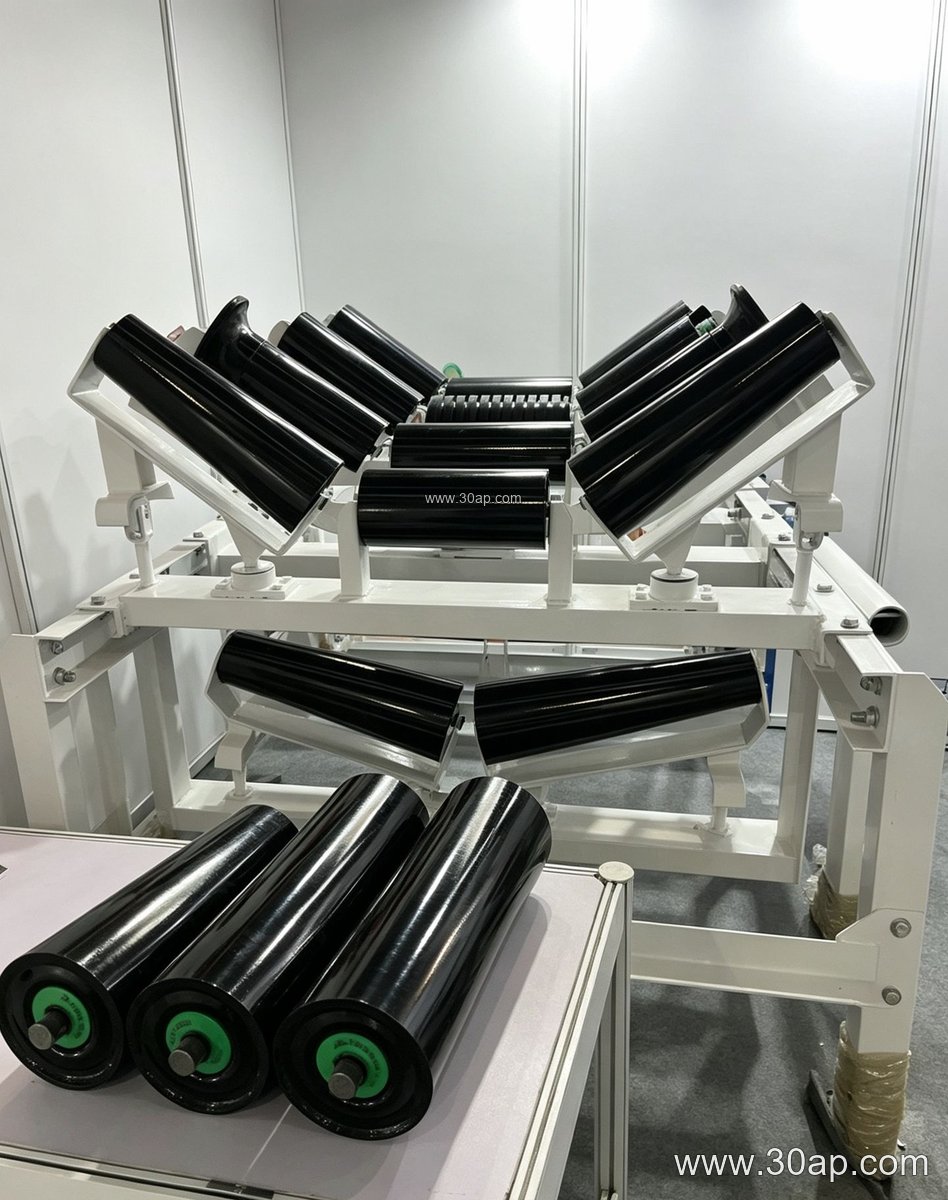
Reference combinations for planning
| Belt width | Trough angle | Roller diameter | Typical bracket style |
|---|---|---|---|
| B500 | 20–30 degrees | Ø89 | Fixed troughing bracket |
| B650 | 30 degrees | Ø89 / Ø108 | Troughing or transition bracket |
| B800 | 35 degrees | Ø108 | Adjustable troughing bracket |
| B1000 | 35–45 degrees | Ø108 / Ø133 | Troughing bracket, impact version at load point |
| B1200 | 45 degrees | Ø133 | Troughing bracket with reinforced frame |
| B1400–B1600 | 35–45 degrees | Ø133 / Ø159 | Heavy-duty troughing and return brackets |
| B1800–B2000 | 35–45 degrees | Ø159 / Ø194 | Heavy-duty and suspended brackets |
Where These Brackets Are Used
In a sand and gravel plant, brackets under the crusher discharge point usually need an impact-resistant design, while the long overland section can use standard troughing brackets. In a power plant coal yard, flame retardant conveyor belt and anti-static conveyor belt grades are often specified, and the brackets must keep the belt tracking straight through transfer towers. Similar logic applies in cement plants, iron ore handling, port ship loading and tunnel spoil removal.
For high-abrasion duties such as quarry conveyor belt or copper ore conveyor belt service, a sturdy bracket reduces roller vibration, which in turn protects the belt edge. Where an EP conveyor belt or steel cord conveyor belt carries heavy loads, bracket spacing and frame rigidity matter as much as the belt specification itself.
What Buyers Should Check Before Ordering
- Belt width and trough angle, confirmed against the frame drawing
- Roller diameter and the bracket’s roller seat height
- Fixed or adjustable design, and whether forward lean is needed for tracking
- Mounting hole pattern and crossbeam length
- Material thickness and surface treatment for the site environment
- Compatibility with the existing conveyor pulley and frame layout
Ask for dimensional drawings, not just a bracket name. A bracket that fits one frame rarely fits another without checking. For mixed fleets, keeping a small stock of common sizes such as B800 and B1000 brackets can shorten repairs, while special widths should be ordered to drawing. Maintenance teams should also check bolt torque and roller seating after the first weeks of running, since settling is normal and a re-tightened bracket keeps the belt centered.