What a Heat Resistant Conveyor Belt Is
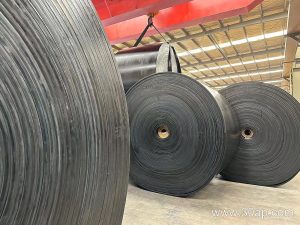
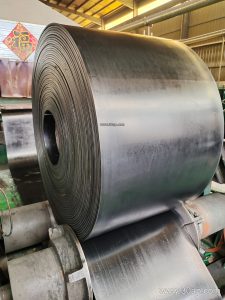
A heat resistant conveyor belt is a heavy-duty rubber conveyor belt designed to carry materials that are hotter than ordinary belting can tolerate. Instead of softening, hardening, or cracking after repeated exposure to hot loads, the belt uses a heat-resistant rubber compound and a heat-stable carcass so it keeps its shape and tracking on the conveyor structure. In cement plants, steel mills, power plants, and lime kilns, this belt is often the difference between a steady material flow and frequent stoppages.
This product is also called a high temperature conveyor belt, and both names refer to the same item. The construction is not a single recipe; suppliers vary the cover compound, the fabric or steel reinforcement, and the number of plies to suit the actual surface temperature and the material being carried.
How the Belt Is Built
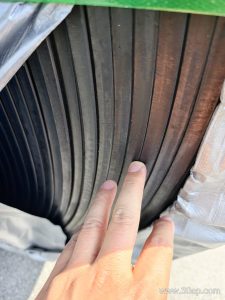
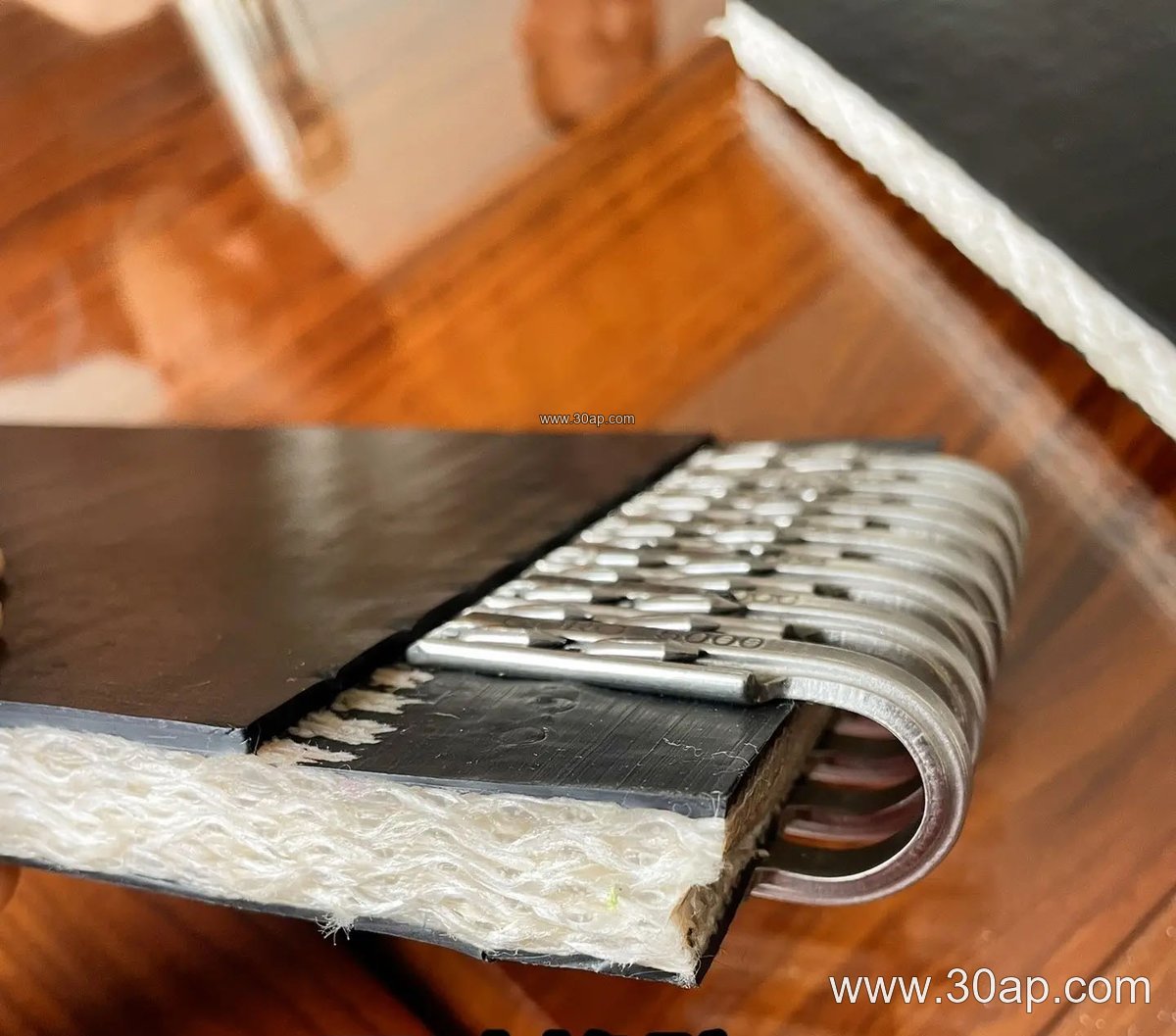
The belt combines three functional layers: the top cover that touches the hot material, the carcass that carries the tension, and the bottom cover that runs over the idler rollers and conveyor pulleys. Heat-resistant cover compounds usually use rubber blends that resist hardening and ozone cracking at elevated temperatures. The carcass may be multi-ply fabric, such as an EP conveyor belt or NN conveyor belt, or a steel cord conveyor belt for very high tension and long distances.
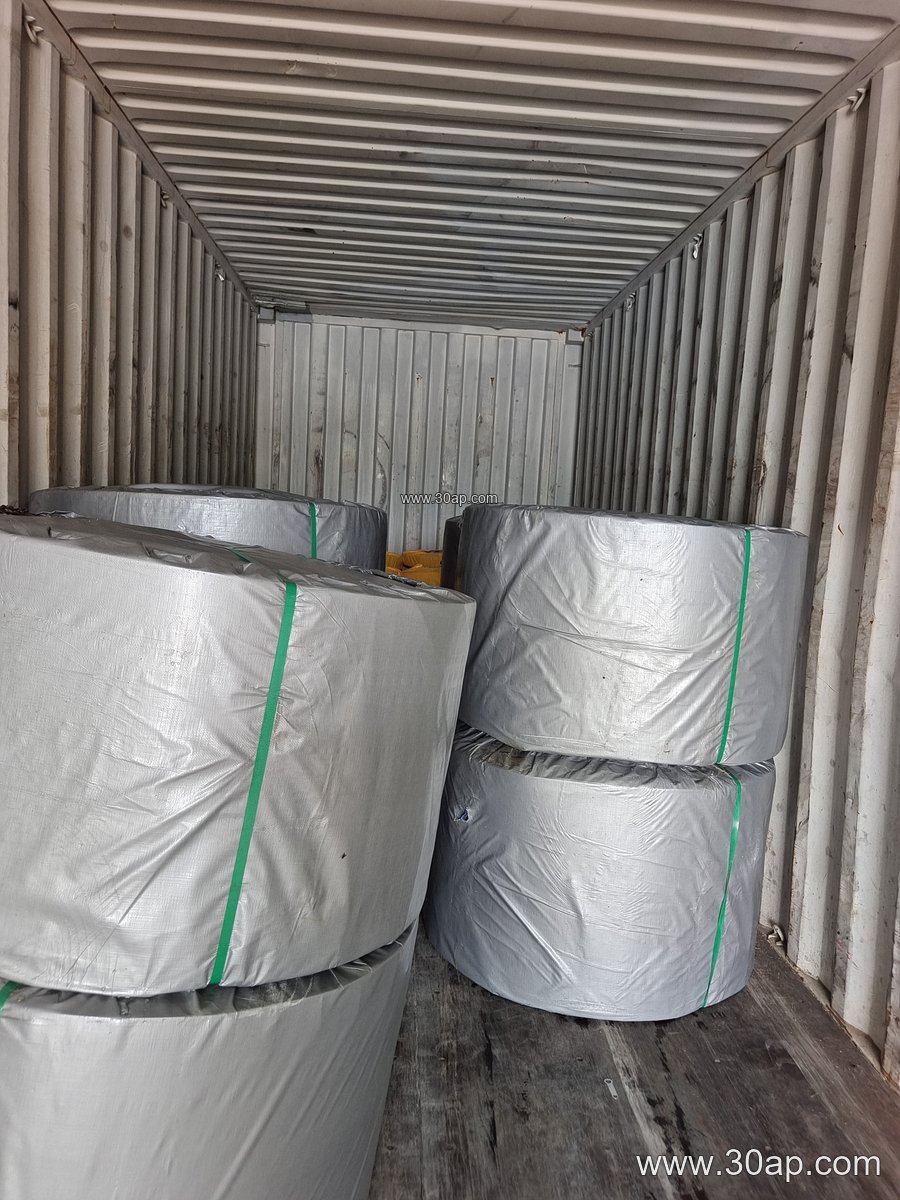
Typical construction details include:
- Cover rubber grade selected for the temperature range, often with a thicker top cover to absorb thermal shock.
- Fabric core with 2 to 6 plies, depending on the required strength and belt width.
- Steel cord core for high-strength applications where a fabric core would stretch too much.
- Edge protection and, where needed, a breaker layer to resist impact from hot lumps.
In a cement plant, the belt may run alongside a corrugated sidewall conveyor belt on a separate line, but the heat-resistant belt remains the main subject here; it handles the hot clinker or raw meal, not the steep-incline duty of a sidewall belt.
Where It Is Used
Hot material handling appears across many industries. A heat resistant conveyor belt is common in cement plants for clinker and cement, in power plants for ash and hot fuel handling, in steel plants for sinter and coke, and in lime and fertilizer plants where process temperatures are high. In mining and quarry operations, it may follow a crusher conveyor belt where the crushed rock is still warm, or work beside an ore conveyor belt that carries hot sinter or calcined material.
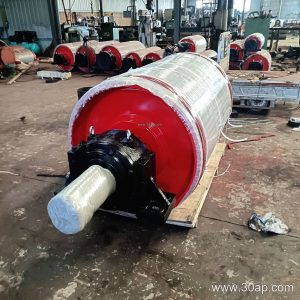
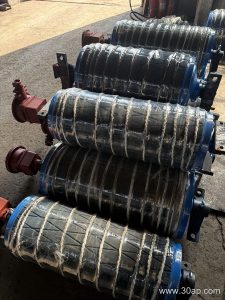
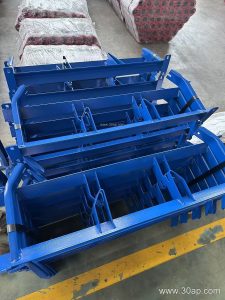
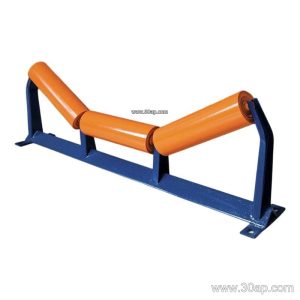
The belt also appears in foundries, glass plants, and recycling facilities where sorted material retains heat. In these settings, the belt is part of a system that includes idler rollers, a conveyor pulley at the drive and tail positions, and conveyor brackets that hold the frame. Each of those parts has its own heat limits, so the belt should not be selected in isolation.
Common Specifications and Reference Data
Buyers often ask for strength, width, cover thickness, and ply count. The values below are common reference ranges, not fixed universal specifications; actual supply depends on the manufacturer and the design of the conveyor.
| Parameter | Common reference values |
|---|---|
| Belt width | B500, B650, B800, B1000, B1200, B1400, B1600, B1800, B2000 |
| Fabric strength grades | EP200, EP315, EP400, EP500, EP630, EP800, EP1000, EP1250, EP1600 |
| Cover thickness (top + bottom) | 3+1.5 mm, 4+2 mm, 5+2 mm, 6+2 mm, 8+3 mm |
| Fabric plies | 2 to 6 plies, by design |
| Steel cord grades | ST1000, ST1250, ST1600, ST2000, ST2500, ST3150 |
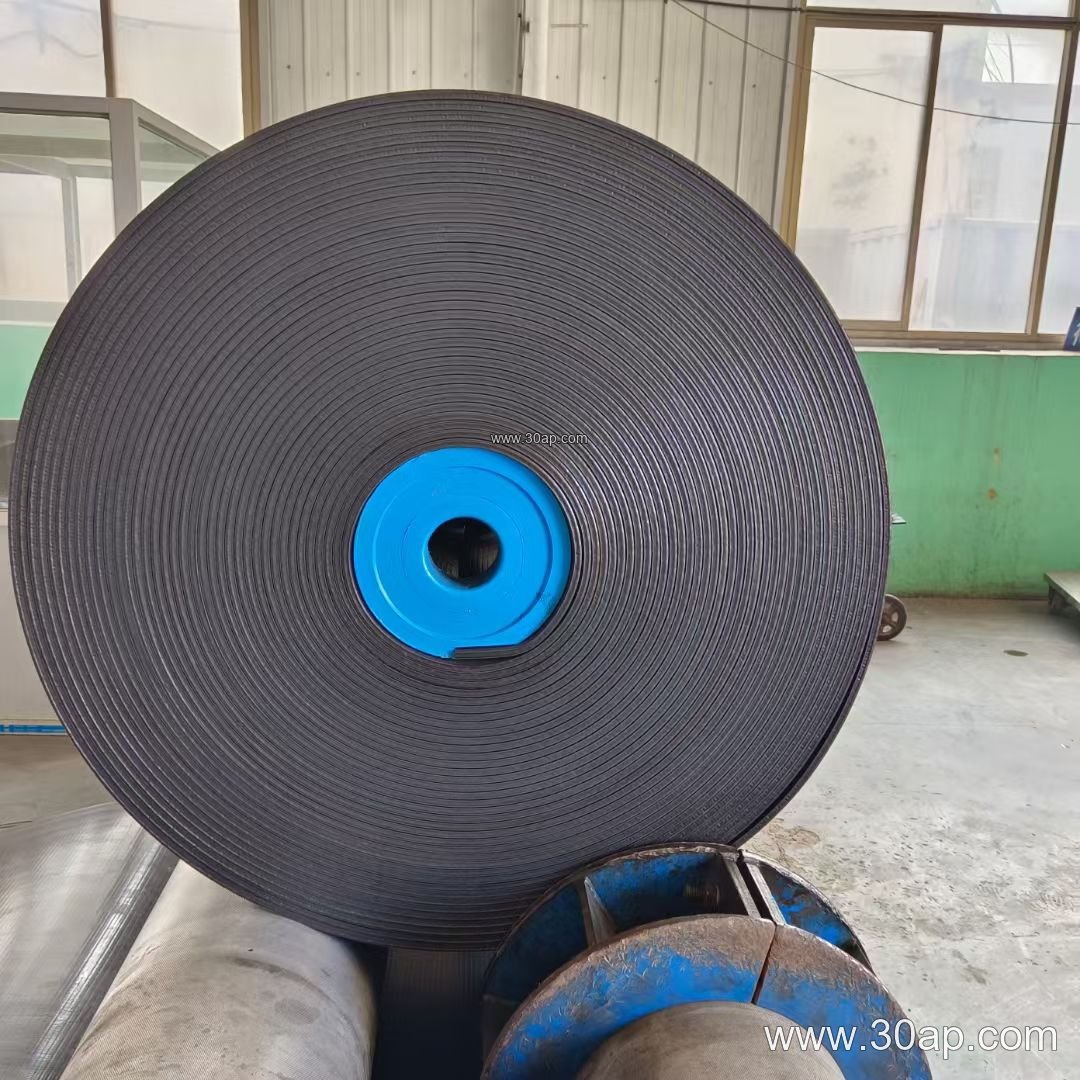
A wider belt, such as a 1200mm or 1400mm width, is often used where the material load is heavy and the conveyor runs at higher capacity. The belt width does not by itself determine the pulley diameter or shaft size; those are set by the conveyor design and the tension load.
Selection and Use Notes
Temperature is not the only factor. The buyer should confirm the maximum material temperature, whether the heat is continuous or intermittent, the lump size and impact energy, and the presence of oil or chemicals. A heat resistant conveyor belt may still need flame retardant properties in a coal mining conveyor belt or underground mining conveyor belt, and an anti-static grade may be required where dust is present.
Good practice includes:
- Keep the belt tracking aligned so the edges do not rub on the conveyor brackets.
- Check idler rollers for seized bearings, because a locked roller can create a hot spot under the belt.
- Inspect the drive and tail conveyor pulleys for material buildup that can damage the cover.
- Store belts away from direct sunlight and sharp temperature swings before installation.
When the duty involves both heat and abrasion, an abrasion resistant conveyor belt grade may be considered for the same line, but it is a different product choice and should not be treated as a direct substitute where temperature is the governing condition.