What a High Wear-Resistant Ceramic Pulley Does
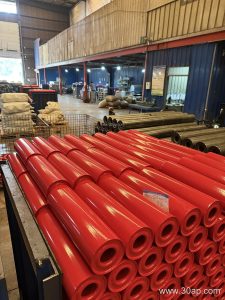
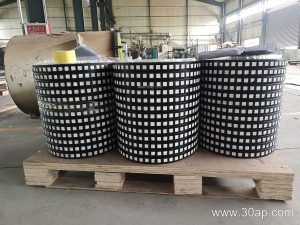
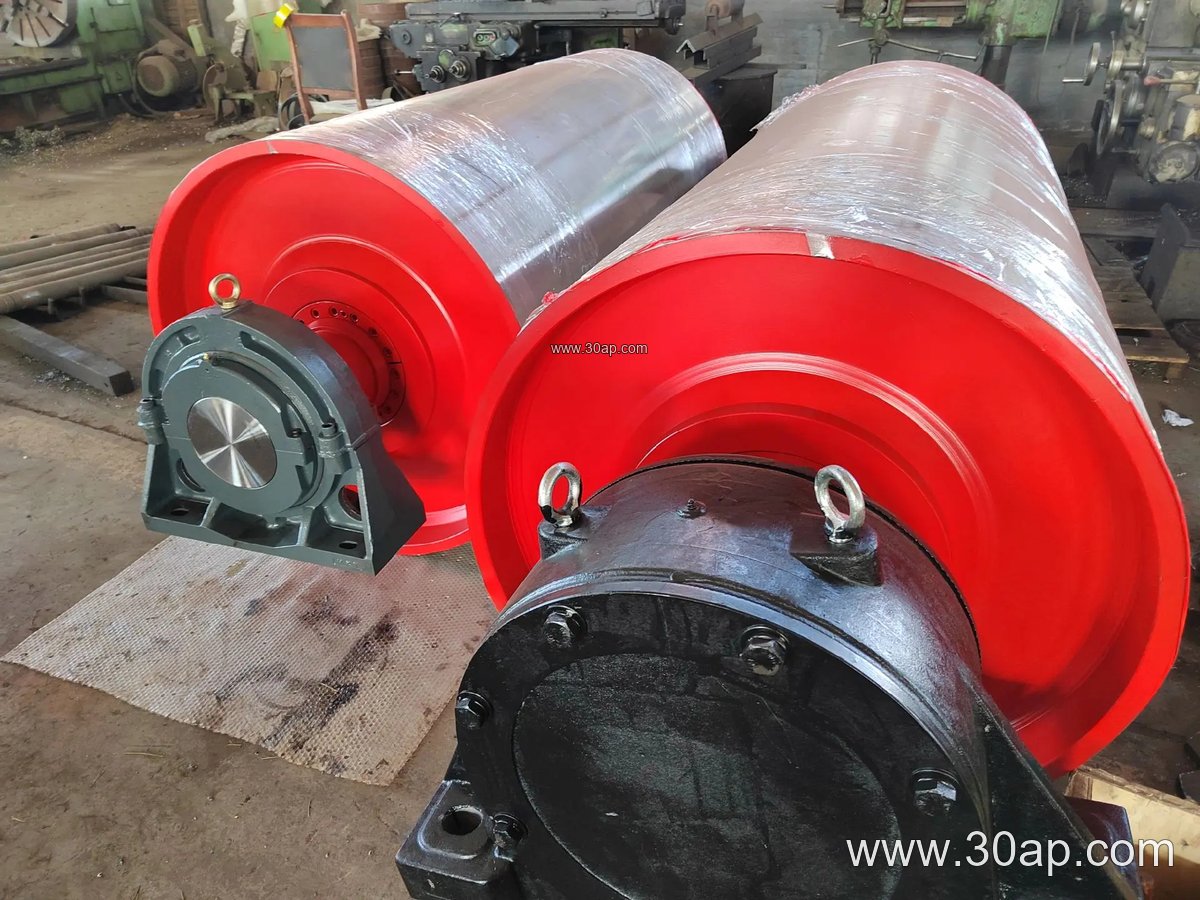
A high wear-resistant ceramic pulley is a conveyor pulley whose shell is fitted with ceramic tiles, usually bonded into a tough rubber or epoxy layer. The ceramic studs sit slightly proud of the surface and grip the belt while resisting the sliding abrasion that quickly wears through plain steel or ordinary rubber lagging. In a quarry, a limestone mine, or a coal washing plant, the pulley that drives or redirects the belt often works in grit, dust, and moisture all day. That is exactly where a ceramic-lagged pulley earns its place.
The product is also described as a ceramic lagged conveyor pulley or a ceramic rubber lagged drum. These are accurate equivalent names for the same item. It is not the same as a drive pulley, a tail pulley, or a bend pulley; those terms describe the pulley’s position and duty, and a ceramic lagging can be applied to some of them, but they are separate roles in the conveyor layout.
How the Ceramic Surface Is Built
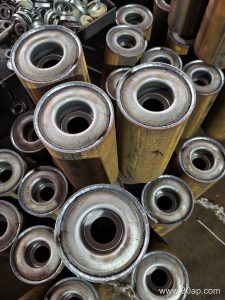
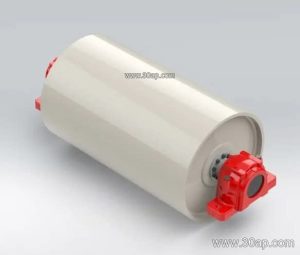
The base is a welded steel drum with a machined face, hubs, and a shaft sized to the torque and load of the conveyor. On the shell, a bonding layer holds the ceramic tiles. Common surface forms include:
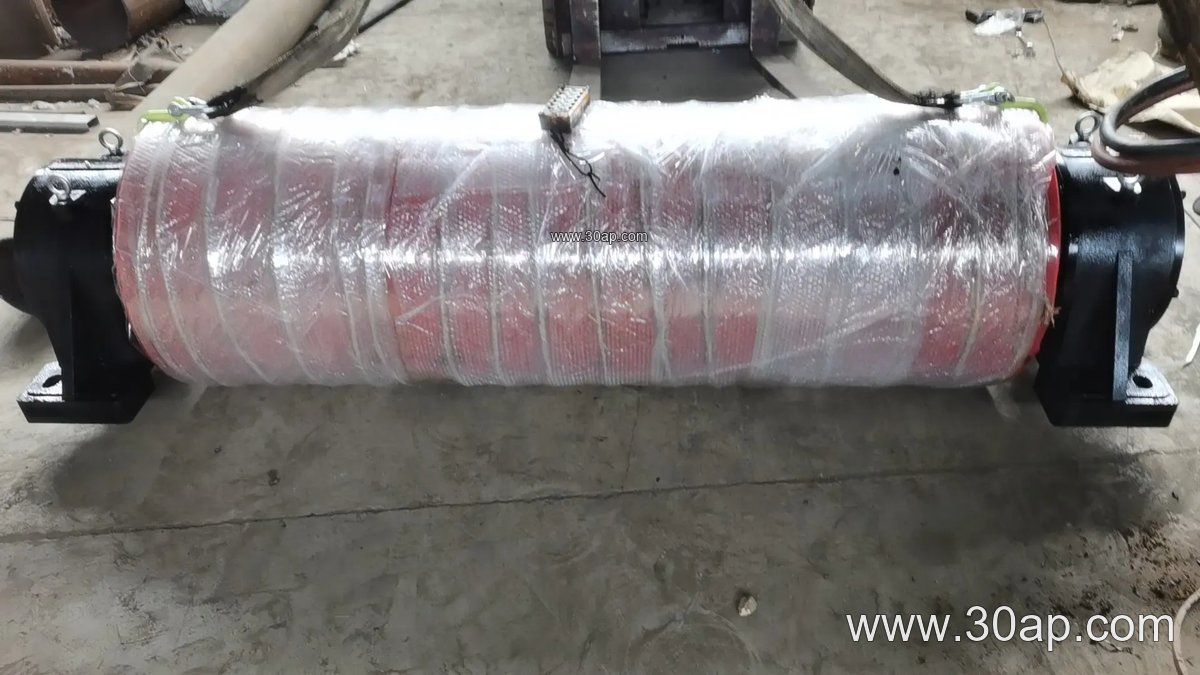
- Ceramic tiles set in vulcanized rubber
- Ceramic tiles set in cold-bonded rubber
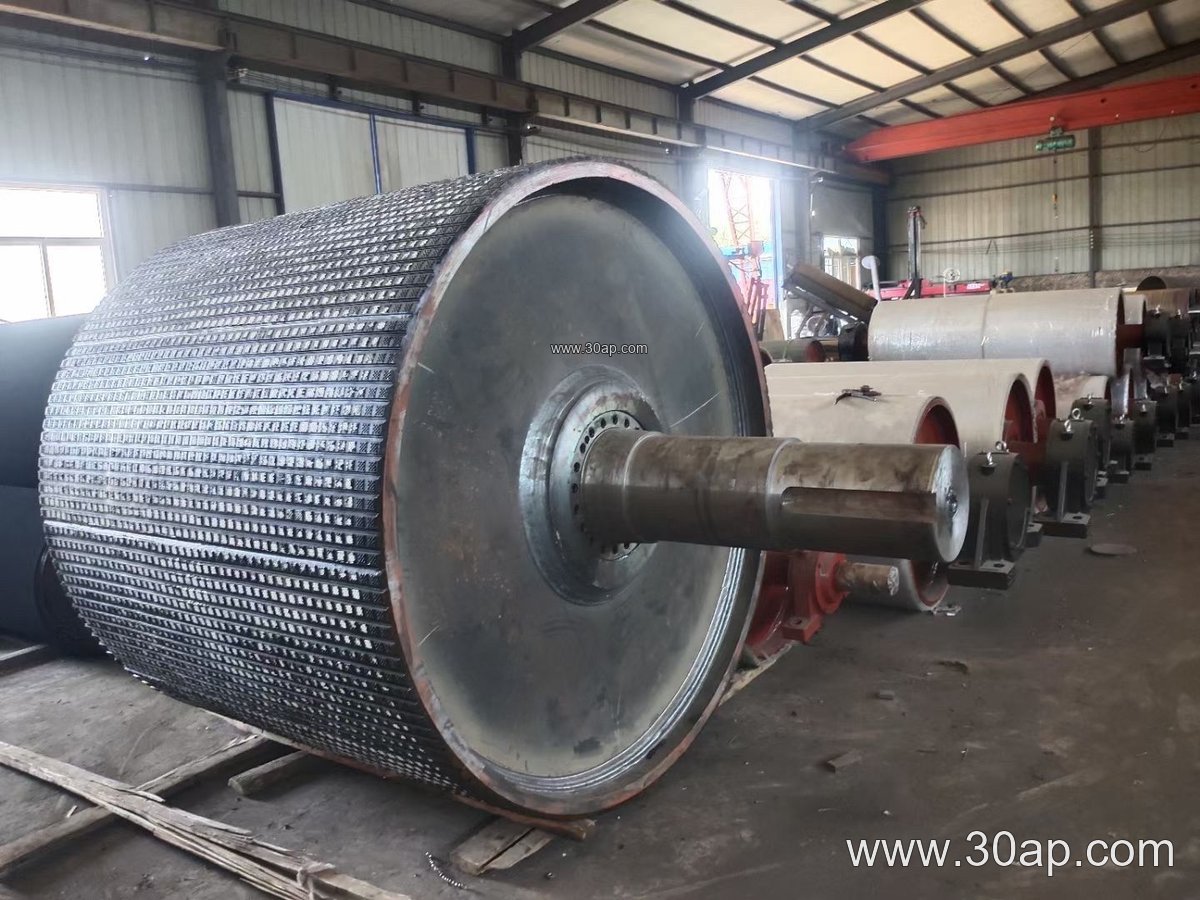
- Diamond-pattern ceramic lagging for wet or oily belts
- Ceramic blocks with raised studs for high-traction drives
Lagging thickness commonly runs from 8 mm to 20 mm, with 10 mm, 12 mm, and 15 mm being frequent choices. The tiles are hard and abrasion resistant, while the rubber layer absorbs shock and spreads load. This combination suits a conveyor belt carrying sharp rock, sinter, clinker, or ore where a smooth steel face would polish and slip.
Where It Fits in the Conveyor
The most common duty is the drive position, where the pulley must transmit torque without belt slip. A ceramic lagged drive pulley is often seen on a heavy-duty mining conveyor belt, an aggregate conveyor belt, and a crusher conveyor belt. It also appears on tension and bend positions in dusty circuits, and on the head of a belt feeding a screen or crusher.
In a cement plant, a ceramic pulley may handle clinker or raw material on a heat resistant conveyor belt line, while the same plant uses an EP conveyor belt or a fabric core conveyor belt elsewhere. In a power plant coal yard, a flame retardant conveyor belt often runs over ceramic-lagged drums to keep grip in damp conditions. The ceramic surface does not replace belt selection; it works alongside the right abrasion resistant conveyor belt, skirted conveyor belt, or corrugated sidewall conveyor belt for the job.
Matching the Pulley to the Belt Line
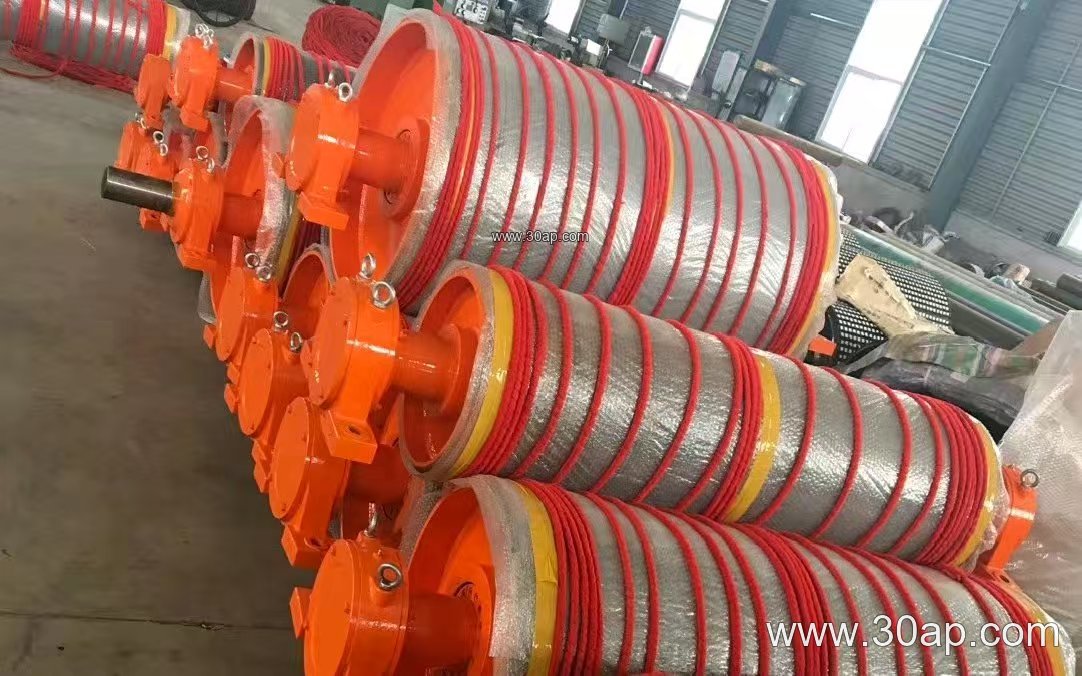
Buyers should think in terms of belt width, drum diameter, shaft size, and lagging thickness together, not as fixed pairs. A B800 belt may run on a Ø500 or Ø630 drum depending on tension and wrap angle; a B1200 line may use Ø800 or Ø1000. Face width is normally a little wider than the belt, for example B650 around 750 mm or B1400 around 1600 mm. The shaft diameter is set by torque and bearing load, commonly Ø80 to Ø200 on larger units, and should never be guessed from belt width alone.
| Belt width | Typical pulley face | Common drum diameters |
|---|---|---|
| B500 | about 600 mm | Ø250, Ø315, Ø400 |
| B800 | about 950 mm | Ø400, Ø500, Ø630 |
| B1000 | about 1150 mm | Ø500, Ø630, Ø800 |
| B1200 | about 1400 mm | Ø630, Ø800, Ø1000 |
| B1400 | about 1600 mm | Ø800, Ø1000, Ø1250 |
These values are reference data for discussion, not a supply promise. The final combination depends on the conveyor design, belt tension, and the pulley’s position.
Buyer Checklist
- Confirm the duty: drive, tail, bend, or tension. A ceramic lagging on a bend pulley is a different decision from one on the main drive.
- Check belt compatibility, including whether an EP conveyor belt, NN conveyor belt, or steel cord conveyor belt is used, and whether the belt is oil resistant or heat resistant.
- Ask for the lagging thickness, tile pattern, and bonding method in writing.
- Review shaft diameter and bearing selection against actual load, not a rule of thumb.
- Plan inspection of tile loss and rubber wear at each shutdown, especially in abrasive ore and sand circuits.
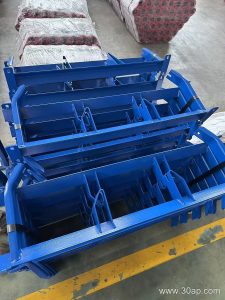
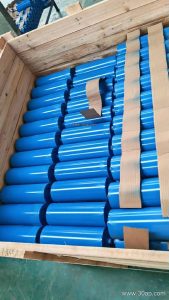
A well-specified high wear-resistant ceramic pulley reduces slip and downtime on busy lines, from a gold mining conveyor to a port bulk material conveyor. Pair it with sound idler roller and conveyor bracket choices, and the whole conveyor runs more predictably.