What the ST3150 Conveyor Belt Is
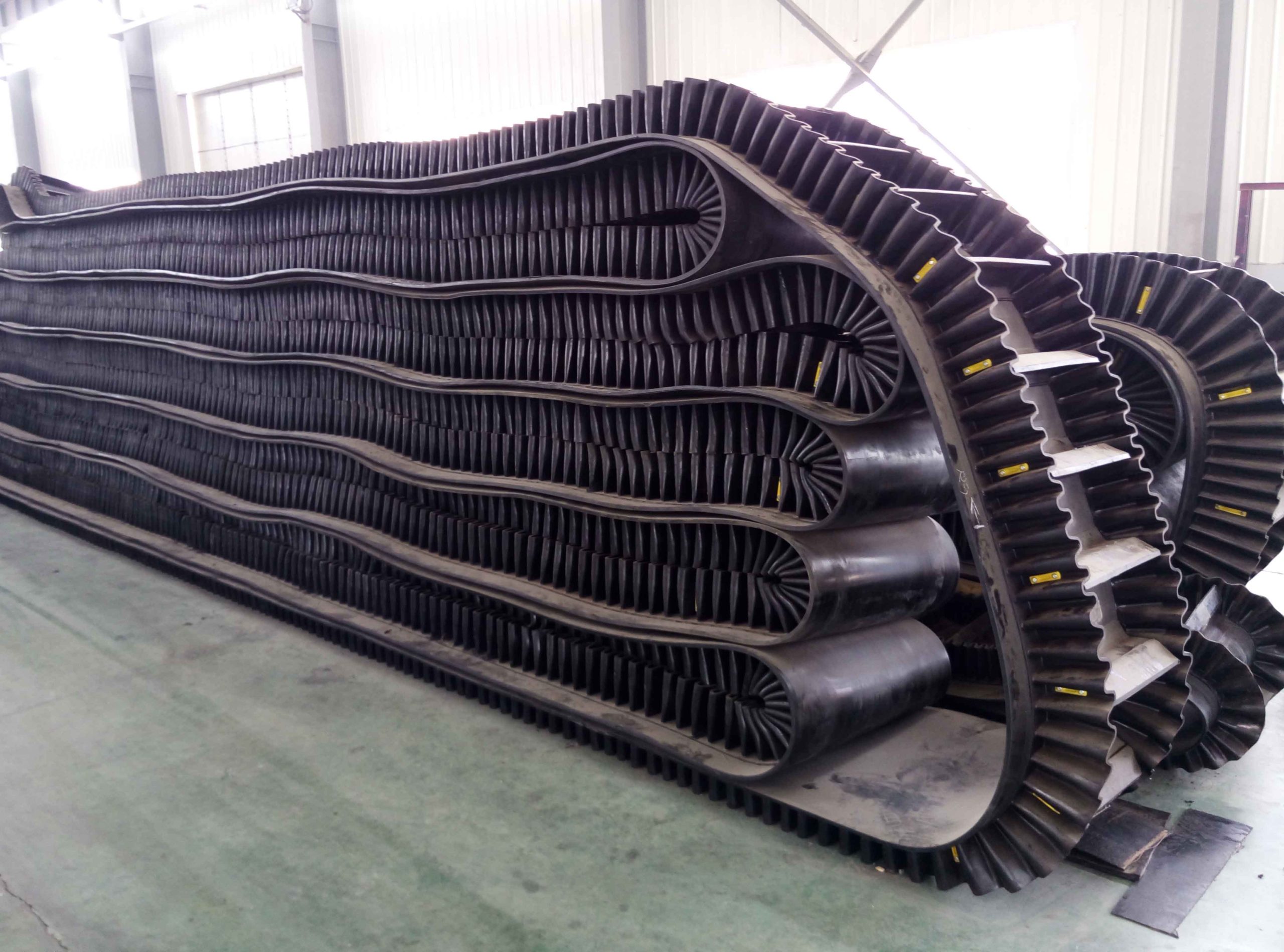
The ST3150 Conveyor Belt is a steel cord conveyor belt with a nominal tensile strength of 3150 N/mm per unit width. It belongs to the top end of the ST series, which also includes ST1000, ST1250, ST1600, ST2000 and ST2500. In heavy-duty bulk handling, this grade is chosen when a single flight must carry very large tonnages over long distances without excessive sag, stretch or splice fatigue. It is a Steel Cord Conveyor Belt in the full sense: the load-bearing skeleton is a layer of parallel steel wires, not woven fabric plies.
Where a Multi-Ply Fabric Core Conveyor Belt or an EP Conveyor Belt suits medium-duty duties, the ST3150 is built for the demanding end of the spectrum, such as main haulage lines in mines and long overland routes.
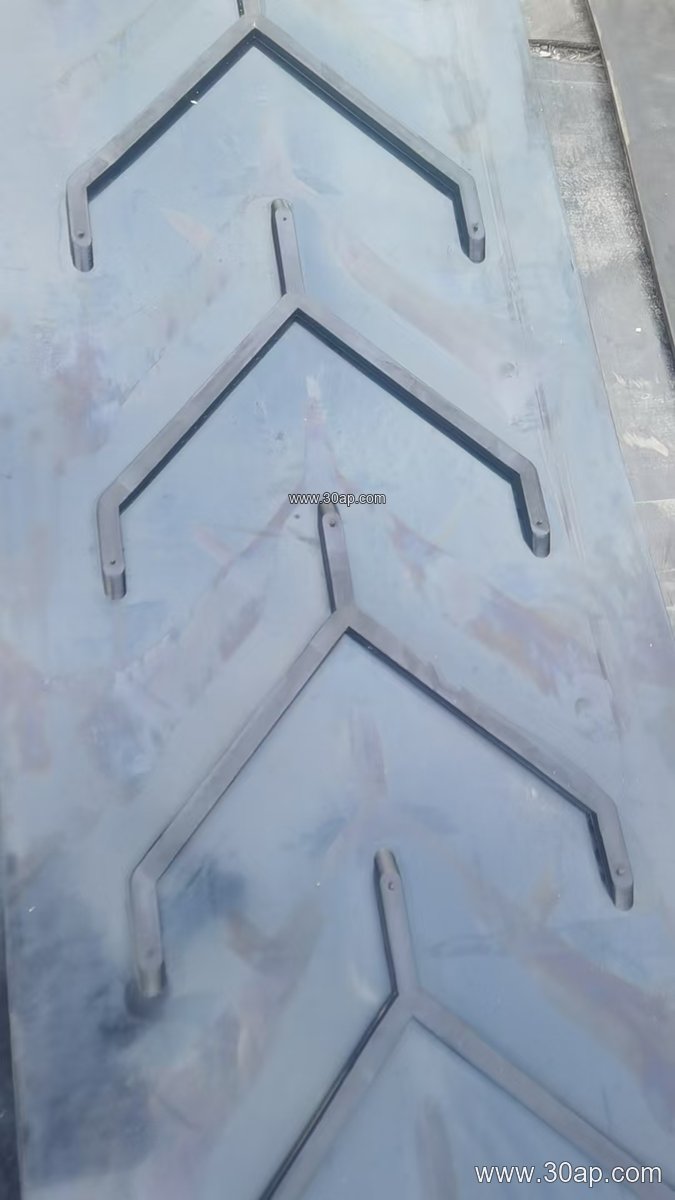
Construction and Internal Layout
The belt is built around a single-plane steel cord carcass. Brass-plated or zinc-plated wires are spaced evenly, and the pitch and cord diameter are set by the belt designer according to the required strength and troughability. Above and below the cords sit transition layers and the top and bottom cover compounds, which protect the carcass from impact, abrasion and moisture.
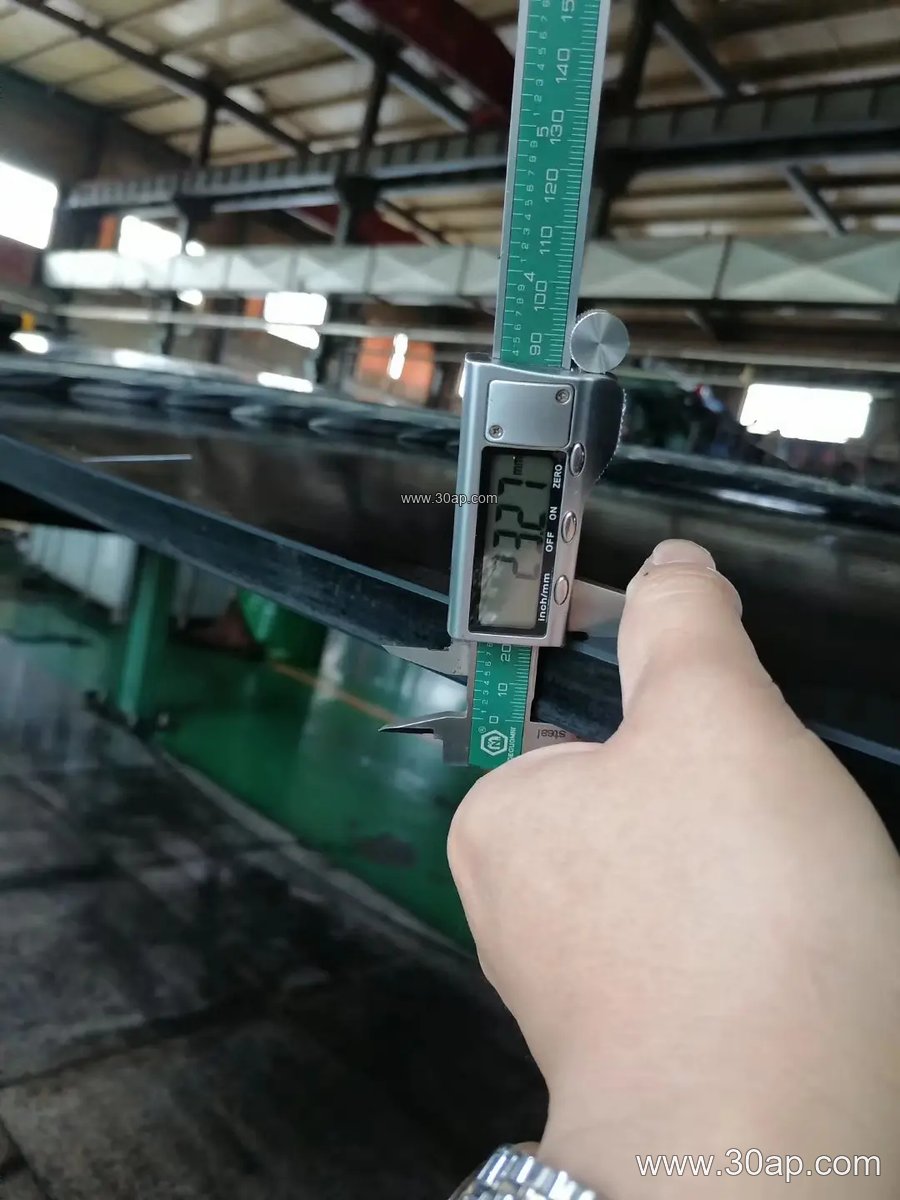
- Carcass: steel cords in one plane, arranged to share load evenly across the width.
- Covers: top and bottom rubber, with thickness selected to match the duty.
- Edges: cut or moulded edges, often protected against ingress of water and fines.
Common cover builds in the ST family are stated as 6+2 mm, 8+3 mm and similar combinations; the exact figures for an ST3150 order should be agreed with the manufacturer. Cover grade may be plain abrasion resistant, heat resistant, flame retardant, oil resistant or cold resistant, depending on the site.
Typical Working Conditions
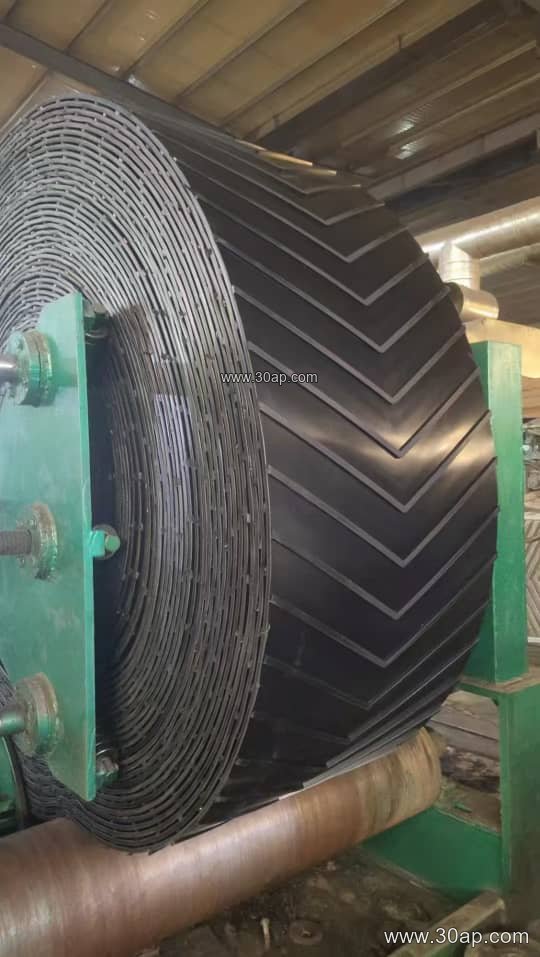
This grade is usually found on mainline conveyors in mining and heavy industry. In an underground coal mine, a flame retardant and anti-static version is normally required; on the surface, a high abrasion resistant cover often gives better service life. In a cement plant or power plant, the belt may run with a heat resistant cover on clinker or ash lines, while a quarry or aggregate operation may prefer a robust abrasion resistant compound on rock and ore. Port and ship loading systems also use high-strength belts where long booms and high lift are involved.
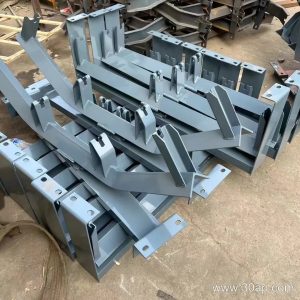
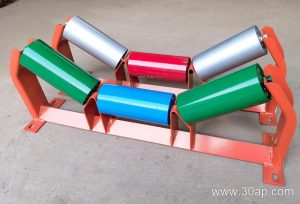
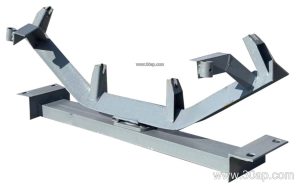
Because the belt is stiff, the conveyor layout matters. Troughing idler rollers, a drive pulley, a tail pulley and bend pulleys all need to be sized for the cord tension and the minimum bend radius. Support brackets and frames must be strong enough to carry the belt plus material load. A Steel Cord Conveyor Belt should not be forced around pulleys that are too small, as repeated flexing shortens cord and splice life.
Specifications a Buyer Should Confirm
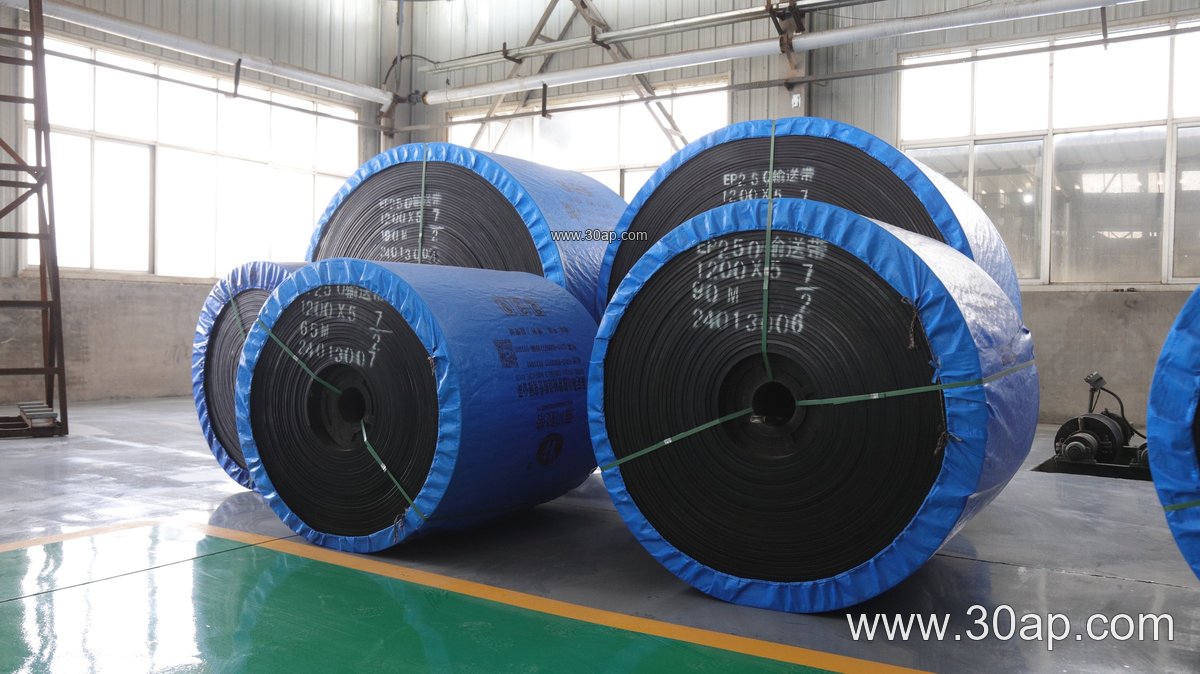
The table below shows the kind of data normally exchanged during selection. Values are indicative and should be confirmed against the actual design.
| Parameter | Typical reference |
|---|---|
| Belt type | ST3150 steel cord |
| Nominal strength | 3150 N/mm |
| Belt width | B1000, B1200, B1400, B1600, B1800, B2000 |
| Cover thickness | 6+2 mm, 8+3 mm, or as designed |
| Cover grade | Abrasion, heat, flame retardant, oil, cold, anti-static |
| Splice | Stepped or finger splice, per manufacturer |
Selection and Handling Notes
Check the calculated maximum tension, the safety factor and the take-up travel before fixing the belt grade. Confirm the pulley diameters and the transition distance, because an ST3150 belt needs generous curves. Specify the cover grade for the actual material: hot clinker, oily scrap, coal with methane risk and frozen ore all call for different compounds. Ask for the splice method and the recommended joint kit, and store the belt on a flat, dry surface away from sunlight and ozone sources. During installation, keep the belt aligned and tensioned gradually; a misaligned steel cord belt is hard to correct later.
For buyers comparing options, the ST3150 Conveyor Belt sits above ST2500 and below no standard grade in the usual range, so it is normally reserved for the most heavily loaded flights. Lighter lines can use an EP Conveyor Belt or NN Conveyor Belt, while very long single flights with the highest tensions are the natural home of this steel cord grade.