What a Dust-Proof Idler Does on a Dirty Line
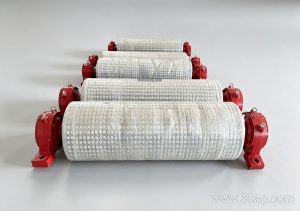
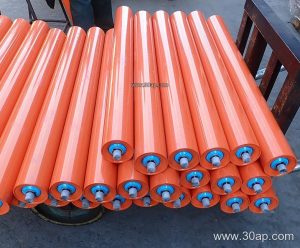
A dust-proof idler is a carrying or return roller built to keep fine abrasive particles away from its bearing cavity. On a quarry conveyor, a cement plant transfer point, or a power plant coal yard, ordinary idlers can seize when grit works past the seal and mixes with grease. The dust-proof idler roller addresses that by combining a multi-stage seal, a protected bearing housing, and a roller shell that sheds material rather than trapping it.
The keyword matters because idler failure is rarely about the tube itself. Most seizures start at the bearing. Once a roller stops turning, the conveyor belt drags over it, the shell wears flat, and the belt can drift or damage the conveyor bracket. A sealed, dust-resistant design protects the rotating core and keeps the belt running smoothly.
How the Sealing and Bearing Arrangement Works
A typical dust-proof idler uses a labyrinth seal, sometimes backed by a felt or rubber lip, to create a tortuous path that particles cannot easily follow. The bearing housing is recessed and capped, and the shaft end is often protected by an additional cover. Grease retention improves because the same seal that blocks dust also keeps lubricant in place.
Common bearing sizes include 6204, 6205, 6305, 6306, 6308 and 6310, matched to load and roller diameter rather than to belt width alone. Roller diameters usually range from Ø63 and Ø76 for light duties up to Ø159, Ø178, Ø194 and Ø219 for heavy return positions. The shell may be steel tube, nylon, ceramic or rubber-covered, and the choice depends on whether the dominant wear is abrasion, impact or build-up.
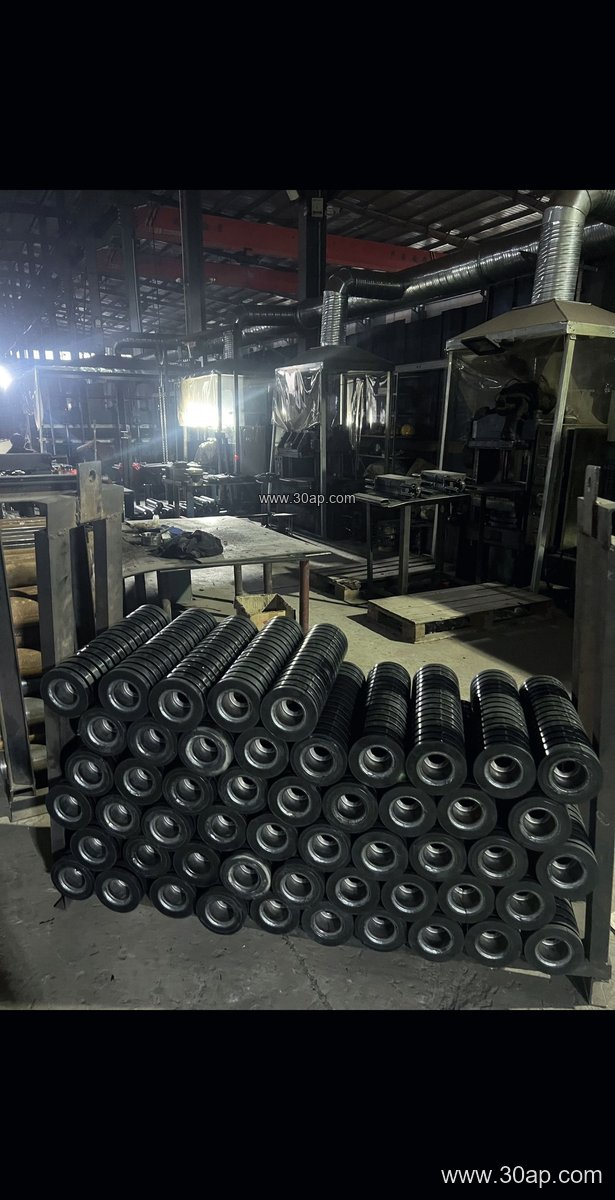
- Labyrinth seal with grease barrier for fine dust
- Recessed bearing housing to shield the bearing from grit
- Protected shaft ends and end caps
- Optional rubber rings for impact zones
Where Dust-Proof Idlers Fit in the Conveyor
These rollers suit the dusty end of bulk handling. In a limestone quarry or sand and gravel line, they are often used on the carrying side after a crusher, where fines are constant. In a coal washing plant or power station coal yard, dust combined with moisture makes ordinary seals fail faster. Cement plants use them near clinker and raw meal transfer points, while fertilizer and grain facilities appreciate the reduced contamination risk.
They are not a replacement for a drive pulley, tail pulley or bend pulley. Those components transmit power and set belt path, and each has its own design requirements. A dust-proof idler simply supports the belt between them. Where spillage is heavy, a skirted conveyor belt or corrugated sidewall conveyor belt can reduce the dust load reaching the rollers in the first place.
Matching Roller Size to Belt and Trough
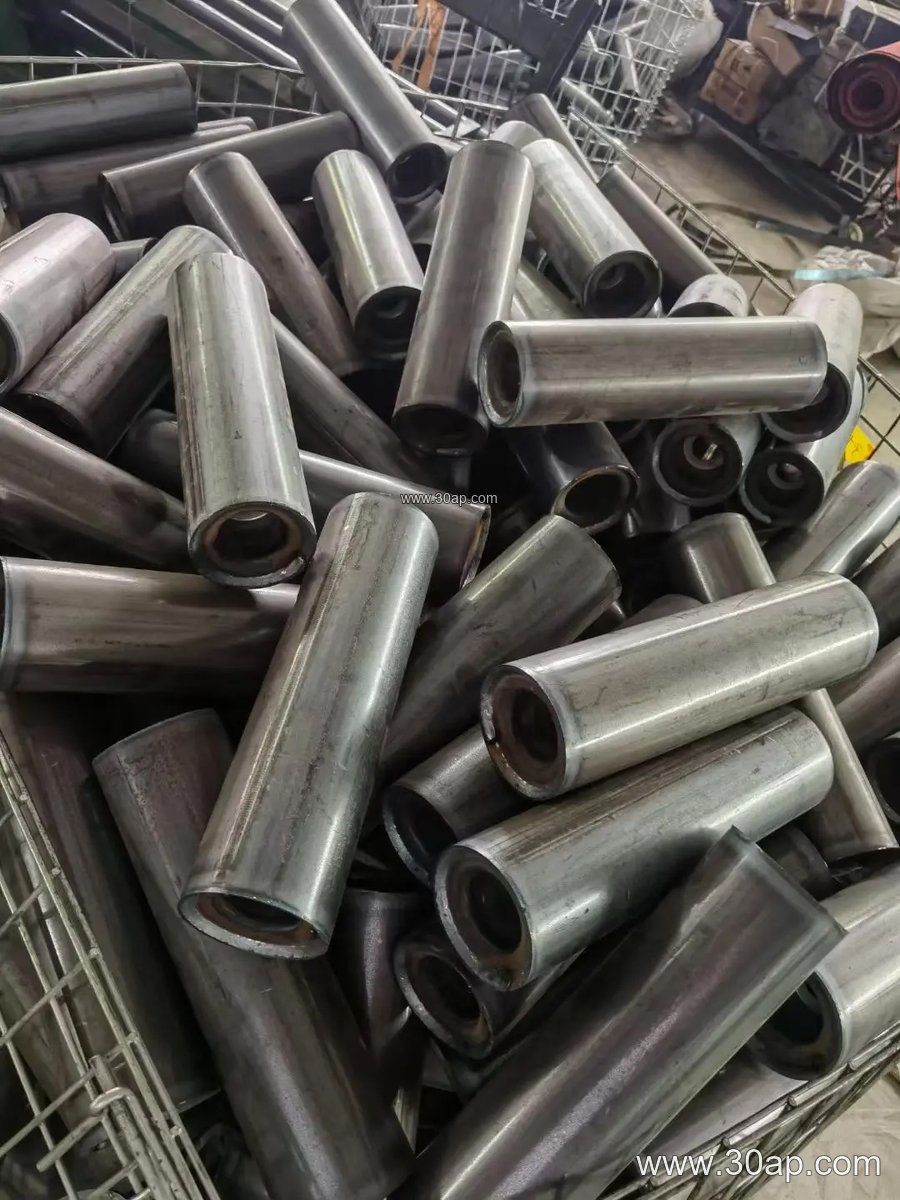
Roller length follows belt width, trough angle and idler arrangement. For a three-roll troughing set, common roller lengths are roughly 200 mm at B500, 250 mm at B650, 315 mm at B800, 380 mm at B1000, 465 mm at B1200, 530 mm at B1400, 600 mm at B1600, 670 mm at B1800 and 750 mm at B2000. Side rollers and centre rollers can differ, so these figures are references, not fixed pairings.
| Parameter | Common Reference Range |
|---|---|
| Roller diameter | Ø63 to Ø219 mm |
| Belt width | B400 to B2400 mm |
| Trough angle | 20, 30, 35 or 45 degrees |
| Bearing | 6204, 6205, 6305, 6306, 6308, 6310 |
| Shell surface | Steel, nylon, ceramic, rubber ring |
Forward tilt of about 1.5 to 2 degrees is sometimes used on training idlers, but it should be specified deliberately rather than assumed. A dust-proof idler in a heavy impact zone may need a larger diameter and a rubber-covered shell, while a return position can use a smaller, lighter roller.
Buyer Checklist Before Ordering
Start with the conveyed material and the dust condition. A mining conveyor belt carrying iron ore or copper ore produces different fines than a cement plant handling clinker dust. Confirm belt width, trough angle, idler group type and mounting dimensions. Check whether the position is carrying or return, and whether impact or build-up is expected.
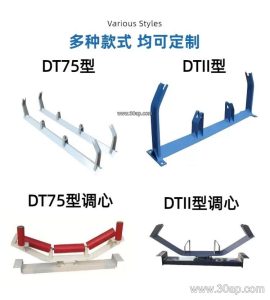
Ask how the seal is constructed, what bearing is fitted, and whether the roller can be re-greased. Confirm the shaft end and bracket interface so the idler fits the existing conveyor bracket. For abrasive service, pair the rollers with an abrasion resistant conveyor belt or a heavy-duty mining conveyor belt to reduce total wear. For hot material, a heat resistant conveyor belt and suitable roller clearance matter more than seal style alone.
Finally, keep spares consistent. Mixing sealed and open rollers on one line makes maintenance harder to plan. A dust-proof idler is a small component, but on a long overland or underground conveyor it decides how often the line stops for roller changes.