What Is a Parallel Idler Bracket?
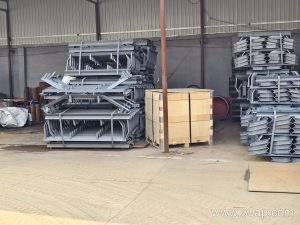
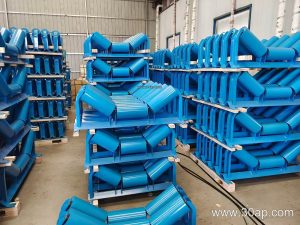
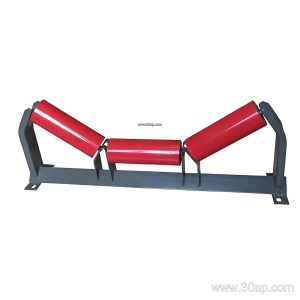
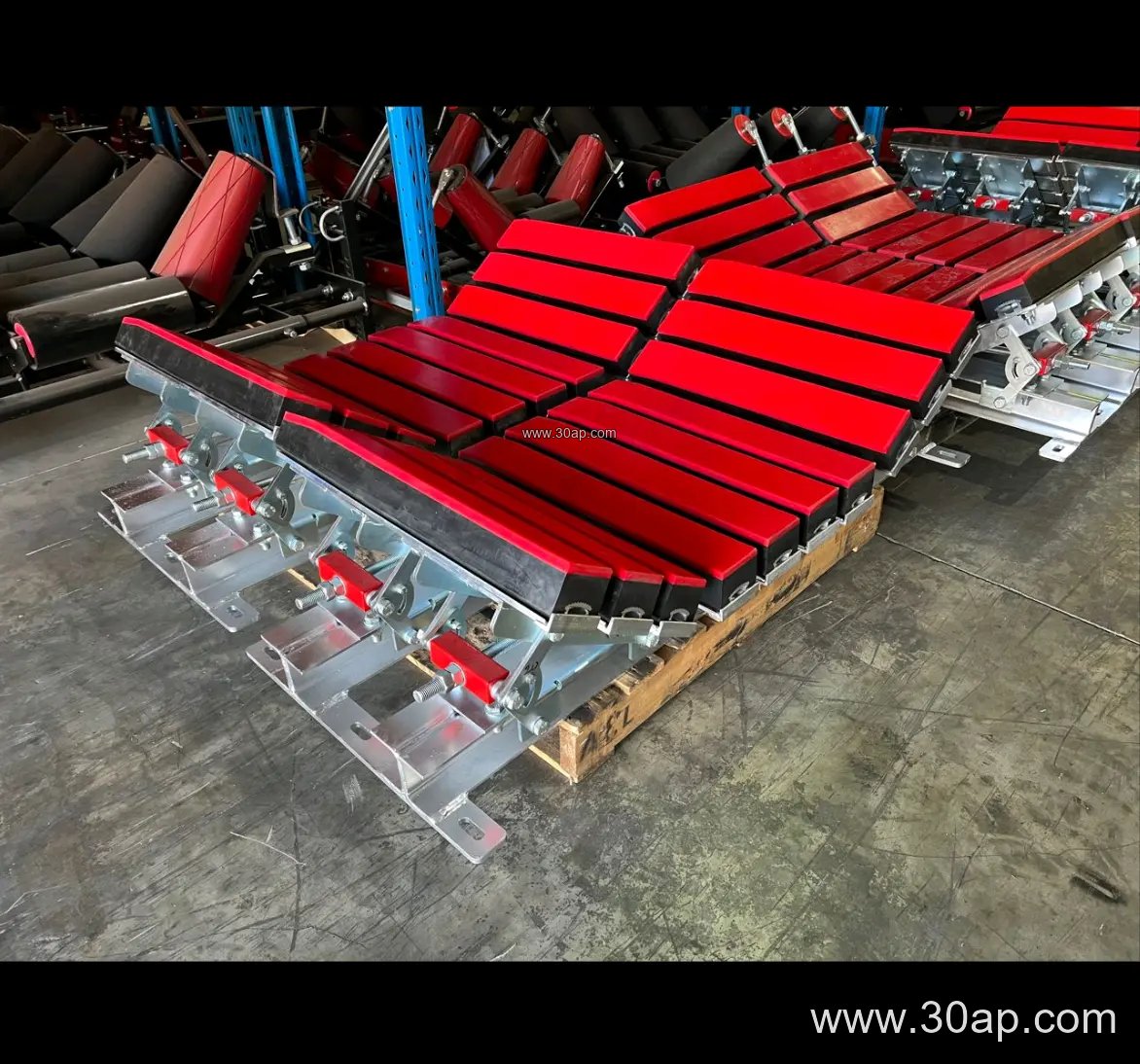
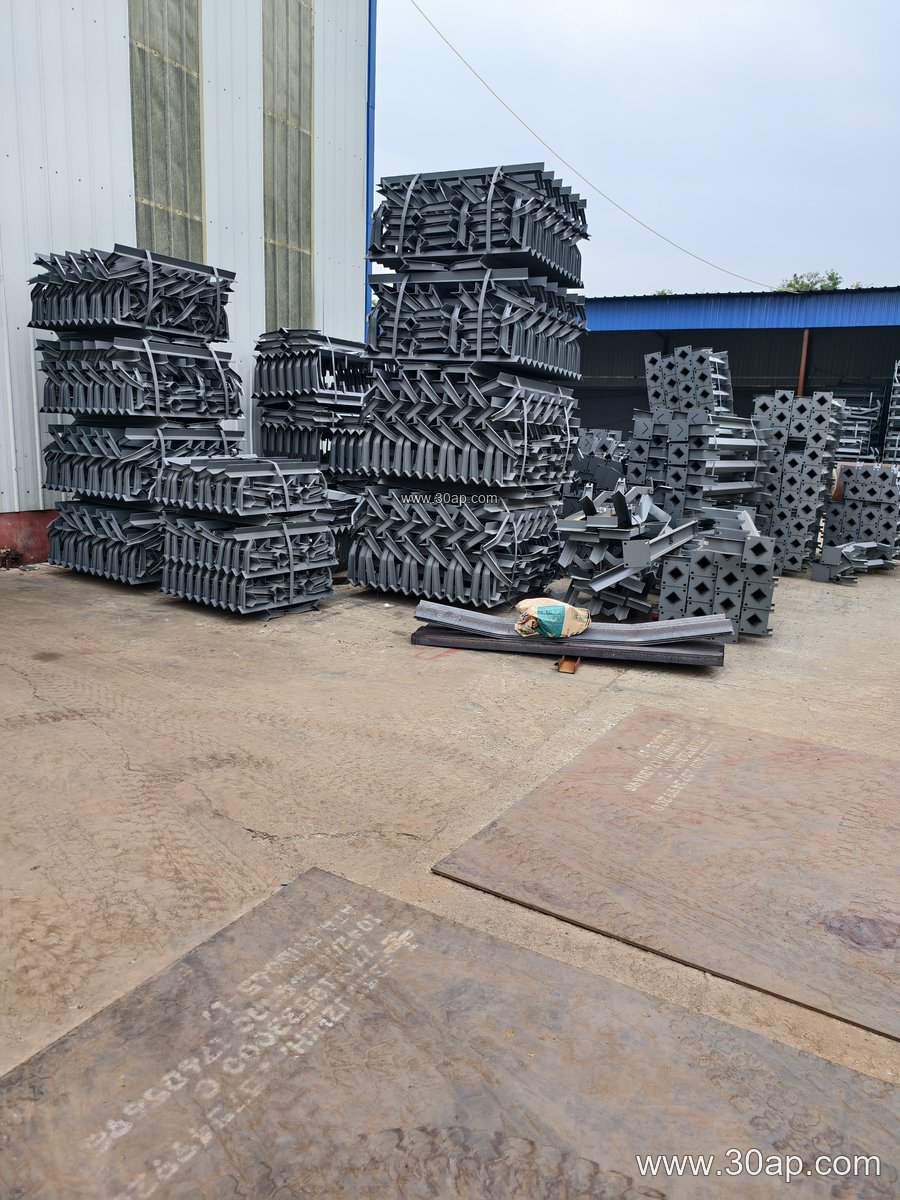
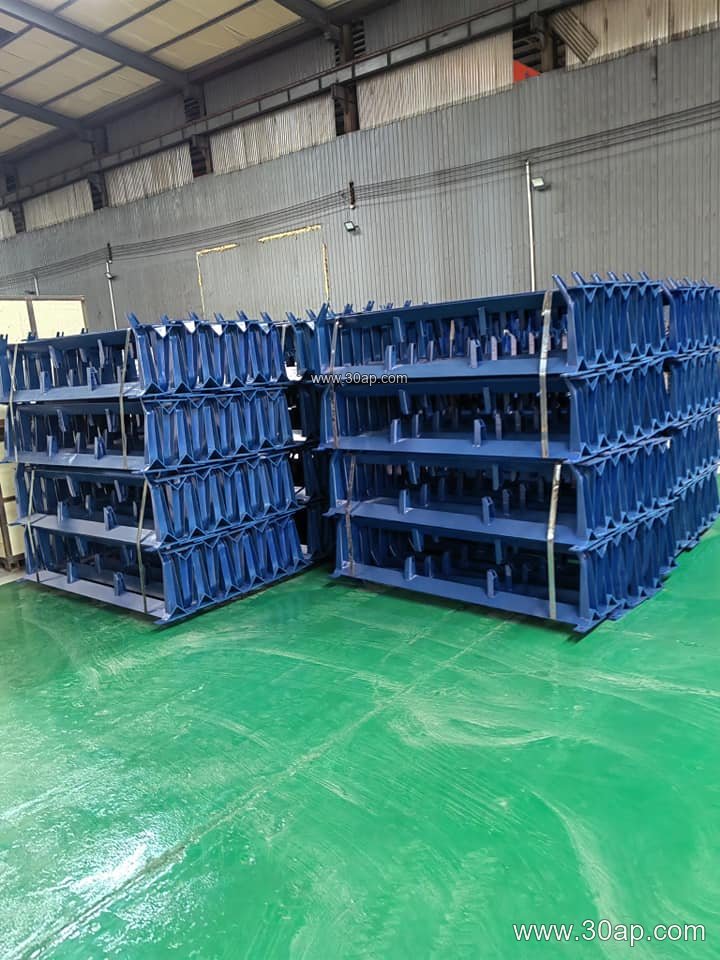
A parallel idler bracket is a structural component that supports the idler roller in a conveyor system, keeping the belt in a flat or slightly troughed profile. Unlike transitional or garland brackets, a parallel idler bracket maintains a consistent alignment along the conveyor frame, which helps reduce belt wander and material spillage. It is commonly fabricated from angle steel, channel steel, or folded steel plate, and is designed to withstand the continuous load of the conveyor belt and the bulk material being transported.
Construction and Design Features
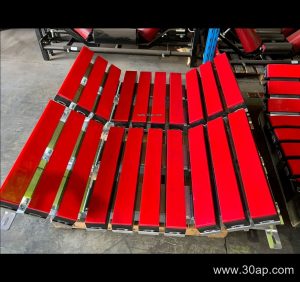
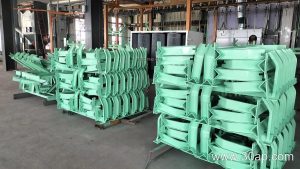
The bracket typically consists of a base plate or beam that mounts to the conveyor stringer, with arms or slots that hold the idler roller shaft. The design may be fixed or adjustable, allowing the user to set the trough angle between 20 and 45 degrees. For flat belt sections, the parallel idler bracket supports the idler roller horizontally. The bracket’s mounting hole spacing and crossbeam length are determined by the belt width and trough angle, not fixed values. Common materials include angle steel and channel steel, which provide rigidity and corrosion resistance when properly coated. The bracket is often paired with a conveyor bracket system that includes return idlers and impact idlers for a complete support structure.
Where It Is Used
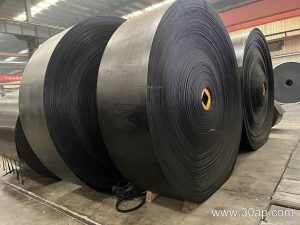
Parallel idler brackets are found in a variety of bulk material handling operations. In a coal mining conveyor system, they support the carrying side of the belt in straight sections, helping maintain belt stability. In a cement plant, they are used on clinker and raw material conveyors where consistent belt support is critical. The bracket also appears in power plant coal handling, quarry conveyor lines, and port ship loading facilities. Whether the conveyor belt is a heavy-duty mining conveyor belt or a flame retardant conveyor belt for underground use, the parallel idler bracket ensures the idler roller stays in position, reducing vibration and extending belt life.
Key Parameters and Selection Considerations
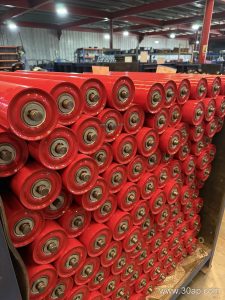
When selecting a parallel idler bracket, several parameters must be matched to the conveyor design. The belt width (B) is a primary factor, with common sizes ranging from B500 to B2200. The trough angle, typically 20, 30, 35, or 45 degrees for adjustable brackets, affects the bracket geometry. The idler roller diameter, such as Ø89, Ø108, Ø133, Ø159, or Ø194, determines the shaft size and mounting details. Below is a reference table showing typical combinations; these are examples only and not universal specifications.
| Belt Width (B) | Trough Angle | Idler Diameter | Bracket Material |
|---|---|---|---|
| B500 | 20° | Ø89 | Angle steel |
| B650 | 30° | Ø89 | Channel steel |
| B800 | 35° | Ø108 | Folded steel plate |
| B1000 | 35° | Ø108 | Channel steel |
| B1200 | 45° | Ø133 | Channel steel |
| B1400 | 45° | Ø133 | Folded steel plate |
| B1600 | 35° | Ø159 | Channel steel |
| B1800 | 45° | Ø159 | Folded steel plate |
| B2000 | 35° | Ø194 | Channel steel |
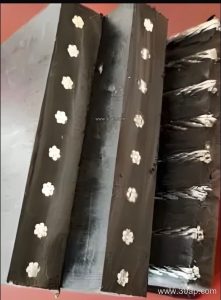
Buyers should also consider the conveyor belt type. For example, an EP conveyor belt or a steel cord conveyor belt may require different support stiffness, and an abrasion resistant conveyor belt in a quarry may demand brackets with reinforced mounting points. The bracket must be compatible with the idler roller and the conveyor pulley arrangement, including drive, tail, and bend pulleys, which are not interchangeable with idler brackets. Adjustable brackets offer flexibility in setting the trough angle, while fixed brackets provide simpler installation for predetermined profiles.
Installation and Maintenance Tips
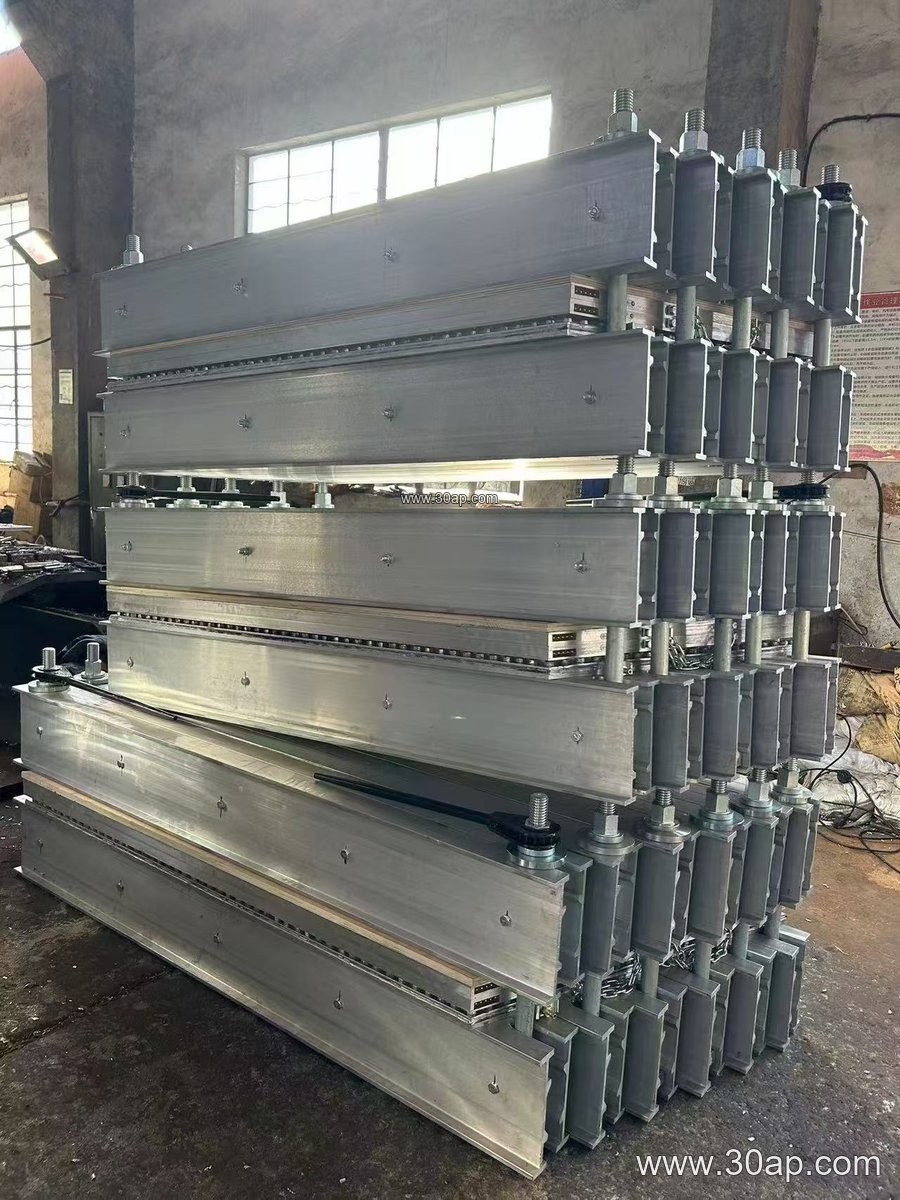
Proper installation of a parallel idler bracket ensures the idler roller sits perpendicular to the belt path and at the correct height. Bolts should be tightened to the recommended torque, and the bracket should be aligned with the conveyor frame to avoid edge loading. Regular inspection for wear, corrosion, or loose fasteners is advised, especially in harsh environments such as coal mining or cement plants. Replacing a worn bracket promptly prevents damage to the conveyor belt and idler roller. For high-temperature applications, consider heat resistant conveyor belt compatibility, and for oily materials, an oil resistant conveyor belt may be used alongside corrosion-protected brackets.
In summary, the parallel idler bracket is a straightforward yet essential component for maintaining belt support in flat and troughed sections. By understanding the available sizes, materials, and adjustment options, buyers can select a bracket that matches their conveyor belt width, idler diameter, and operating environment. For more information on conveyor components, visit our site at www.example.com/conveyor-bracket or explore our range of conveyor idler brackets.