What a Carrying Idler Set Does on the Load Side
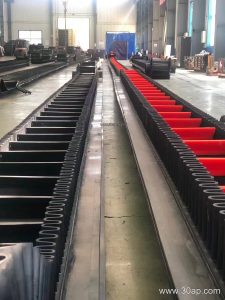
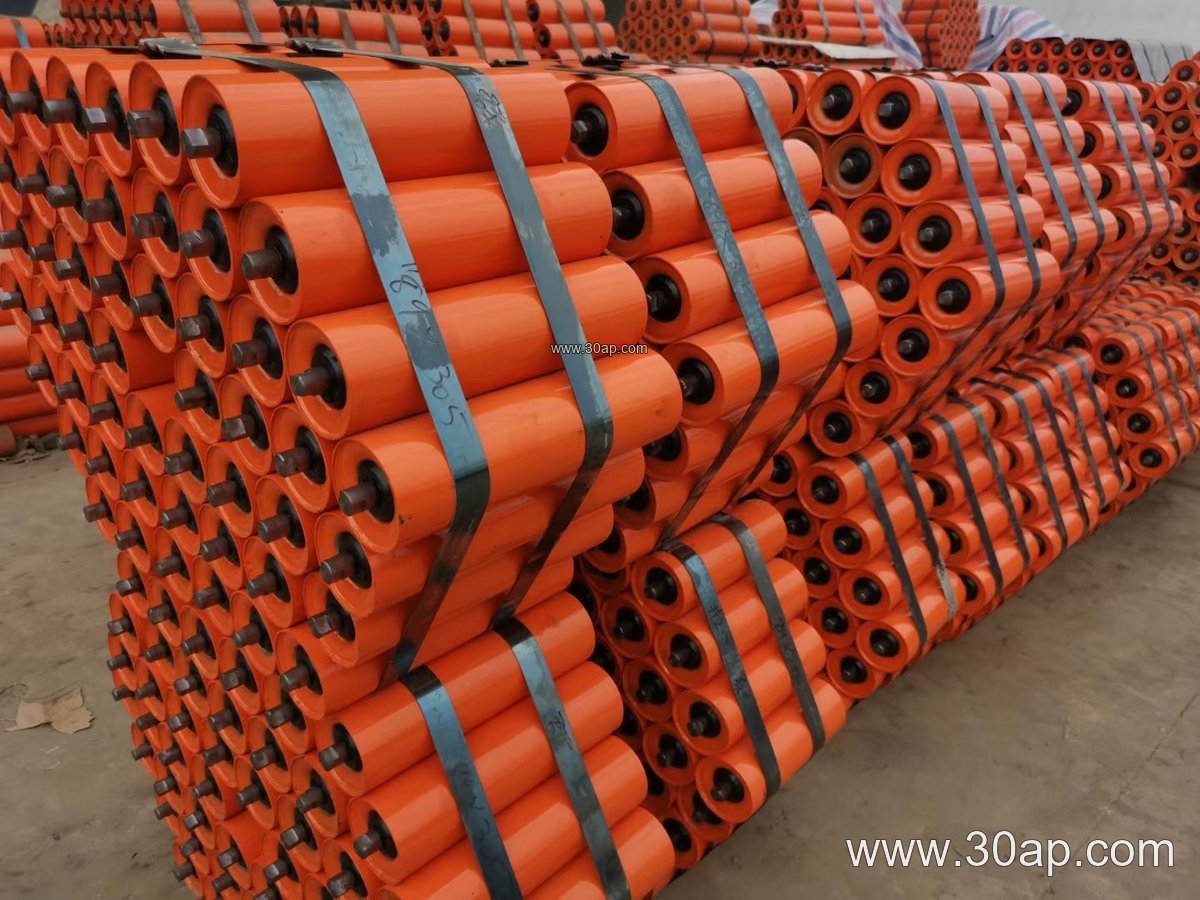
A carrying idler set is the group of rollers mounted on the load-carrying side of a belt conveyor. Its job is simple but demanding: support the loaded conveyor belt, hold it in a stable trough shape, and let it travel with low rolling resistance. On a typical three-roll set, the two side rollers are angled upward while the centre roller stays nearly flat, creating the trough that keeps bulk material centred. In a quarry or a cement plant, this assembly is often the most numerous wear item on the whole conveyor line.
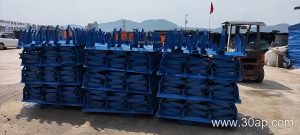
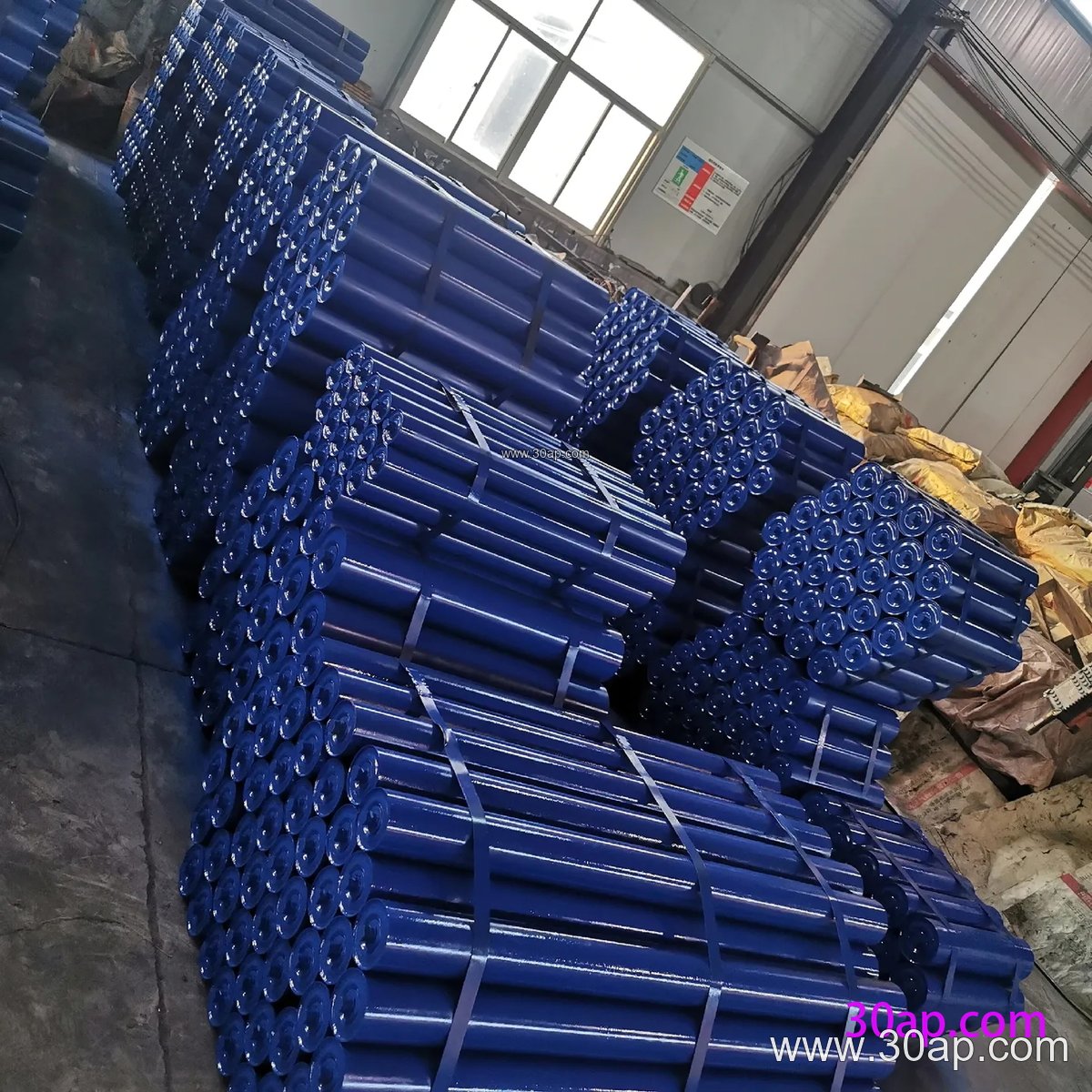
The set usually includes the idler rollers, their shafts, bearing housings, and the frames that lock them into the conveyor bracket. Buyers often order the complete set rather than loose rollers, because matched rollers and frames simplify installation and keep the trough geometry consistent along the line.
How the Assembly Is Built
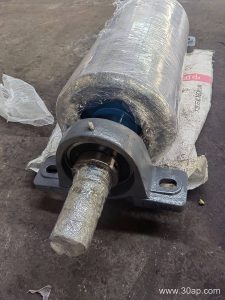
Each idler roller in the set starts with a steel tube shell, machined at both ends to seat the bearing housings. Sealed bearings are pressed in, lubricated for life in many designs, and protected by labyrinth or felt seals that keep out dust and fines. The shaft passes through the rollers and is clamped to the frame. Roller surfaces may be plain steel, nylon, ceramic-coated, or fitted with rubber rings where impact and noise matter.
Frame construction varies with the duty. Light-duty frames suit small aggregate lines, while heavy fabricated frames are common in iron ore, copper ore, and coal mining conveyor systems where lump sizes and tonnage are high. A well-built set should spin freely by hand, show no shaft play, and keep its rollers aligned within the frame after tightening.
Where Carrying Idler Sets Are Used
These assemblies appear wherever a conveyor moves bulk material on its top run. In a limestone quarry or a sand and gravel plant, three-roll troughing sets carry crushed stone from the crusher to the screening deck. In a coal washing plant, sealed and flame retardant-conscious designs help manage fine, abrasive coal dust. Power plant coal handling, port ship loading, and tunnel spoil removal all rely on the same working principle, though the belt and roller materials differ with the environment.
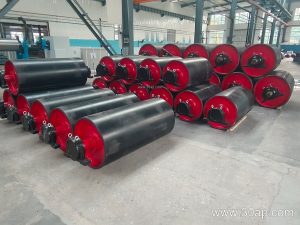
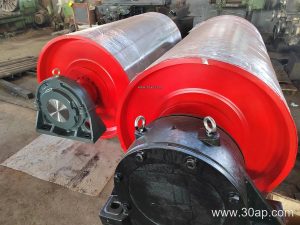
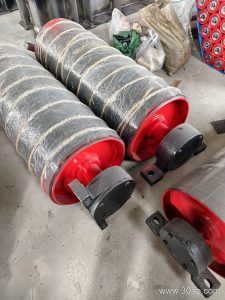
The belt itself is chosen to match the load. A heavy-duty mining conveyor belt, a heat resistant conveyor belt near clinker or sinter, or an abrasion resistant conveyor belt on sharp rock all need idlers that keep the belt tracking straight and avoid pinch points. The carrying set does not replace the conveyor pulley at the head or tail; those pulleys transmit drive and return the belt, while the idlers only support it.
Common Configurations and Reference Dimensions
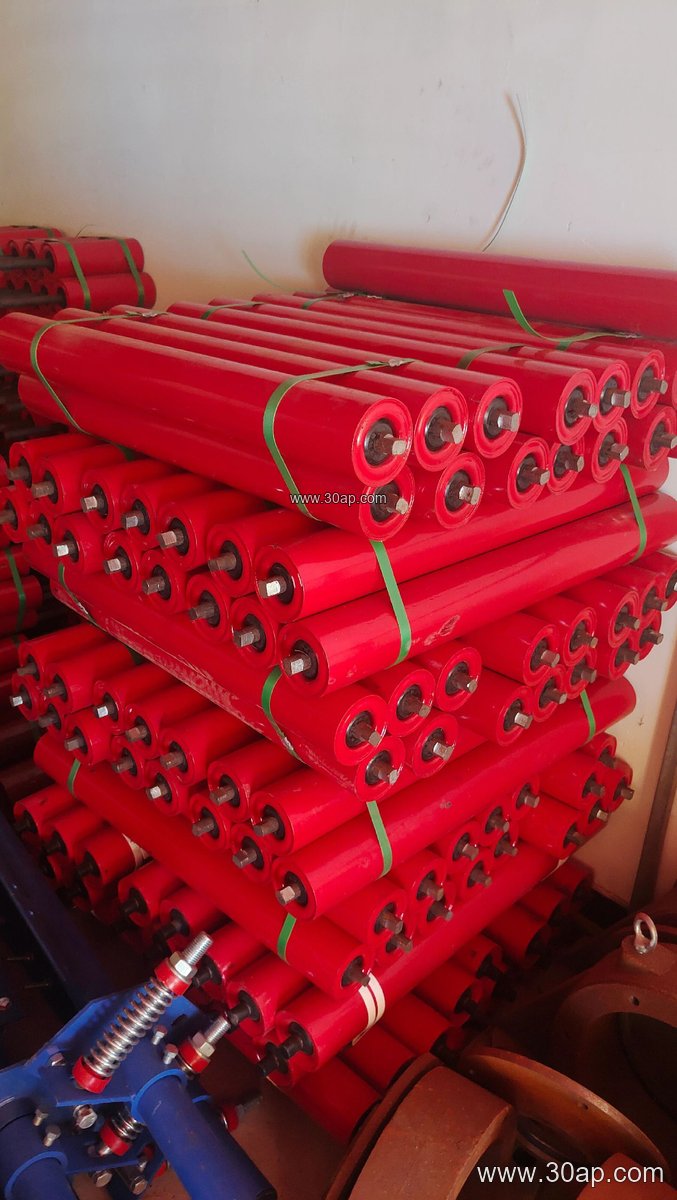
The table below shows typical combinations used in specification discussions. Roller length changes with belt width, trough angle, and set form, so treat these as common examples, not fixed pairings.
| Item | Common Range or Example | Notes |
|---|---|---|
| Set form | Single roll, two-roll, three-roll trough | Three-roll is the usual choice for bulk material |
| Roller diameter | Ø63, Ø76, Ø89, Ø102, Ø108, Ø127, Ø133, Ø159, Ø178, Ø194, Ø219 mm | Larger diameters suit higher loads and speeds |
| Belt width | B400, B500, B650, B800, B1000, B1200, B1400, B1600, B1800, B2000, B2200, B2400 | Match the set to the actual belt width |
| Trough angle | 20°, 30°, 35°, 45° | Steeper angles deepen the trough for finer material |
| Roller surface | Steel tube, nylon, ceramic, rubber ring | Rubber rings help at impact zones |
| Bearing size | 6204, 6205, 6305, 6306, 6308, 6310 | Selected by load and shaft design, not by width alone |
| Roller length example | About 200 mm at B500, 315 mm at B800, 465 mm at B1200, 600 mm at B1600 | Centre and side rollers can differ |
Transition idler sets, which sit near the head and tail, use smaller trough angles to guide the belt gently from flat to troughed and back. They are a different subtype and should be specified separately from standard carrying sets.
Buyer Checklist Before Ordering
- Confirm belt width, trough angle, and whether the line needs two-roll or three-roll support.
- State the material being conveyed and its abrasiveness, since a steel cord conveyor belt on iron ore behaves differently from an EP conveyor belt on grain.
- Check the conveyor bracket spacing and frame mounting holes so the set fits existing structures.
- Ask about seal type and bearing protection for dusty or wet locations.
- Verify roller diameter against belt speed and load, and confirm that the shaft size suits the frame.
Routine checks pay off. Listen for squealing rollers, watch for belt misalignment, and replace a seized idler before it wears through the belt cover. Keeping spare sets on site shortens downtime in busy crushing and screening circuits.