What Conveyor Bracket Fabrication Involves
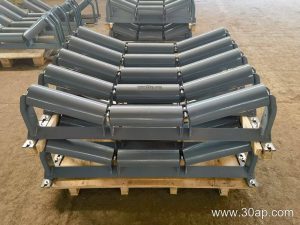
Conveyor bracket fabrication is the process of cutting, forming, drilling and welding the steel frames that hold idler rollers in place along a conveyor line. In practice, a fabricated conveyor bracket is the structural link between the conveyor stringer and the roller that carries the belt. Get this part right and a quarry line or a power plant coal handling system runs with less spillage, less belt wander and fewer unplanned stops. Get it wrong and even a good Rubber Conveyor Belt will track poorly and wear unevenly.
Fabrication is usually carried out to drawing rather than to a single universal pattern. The bracket must match the belt width, the trough angle, the roller diameter and the fixing centres of the conveyor it will serve.
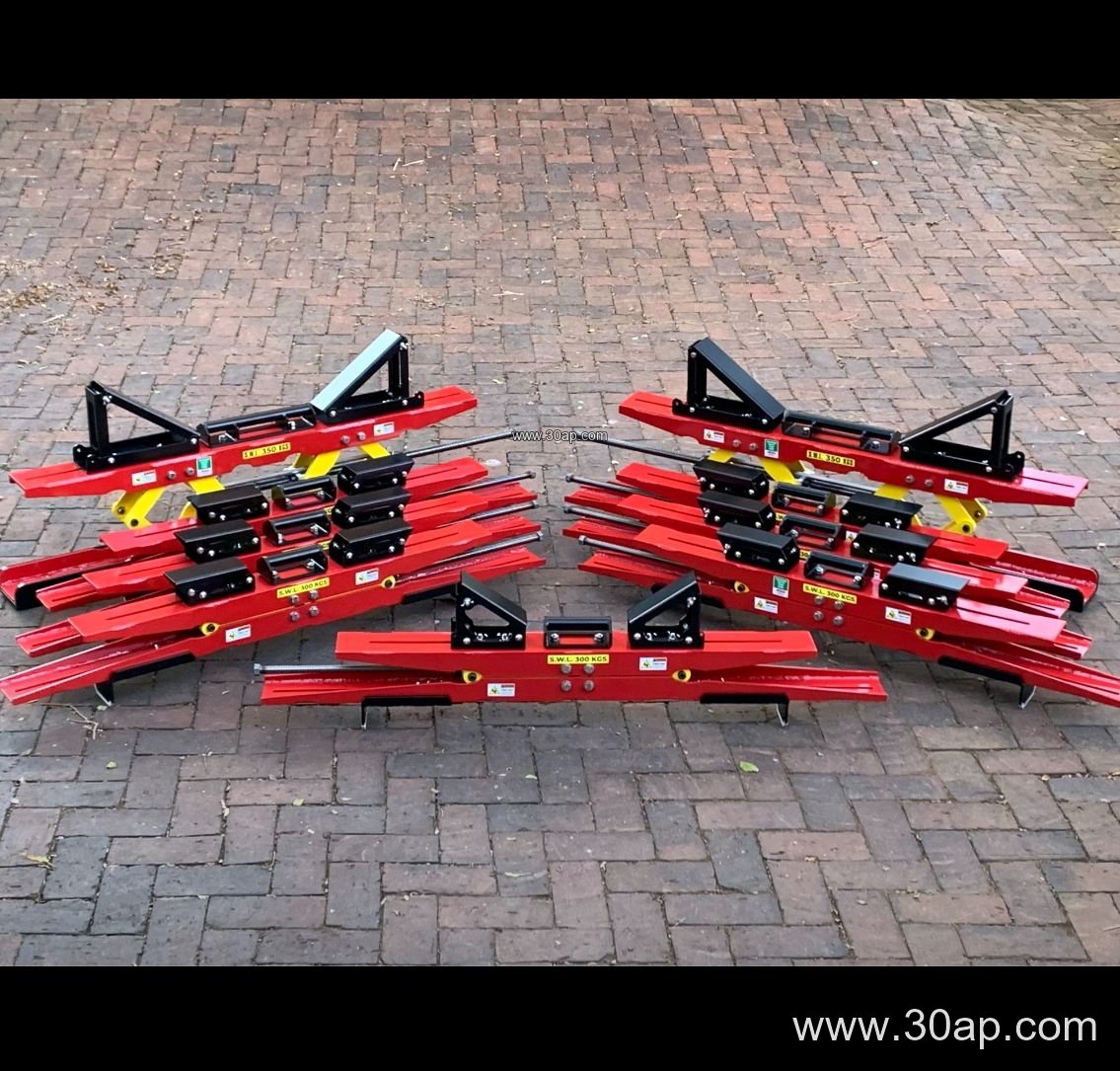
Materials and Build Sequence
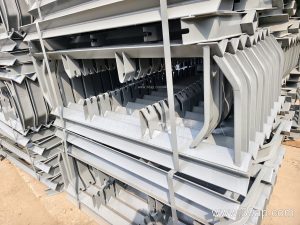
Most units are made from angle steel, channel steel or folded steel plate. The build sequence is fairly consistent:
- Cut the profile to length and mark the mounting holes from the drawing.
- Form the trough wings or the return cradle to the required angle.
- Drill or punch roller slots, keeping left and right brackets in matched pairs.
- Weld the assembly on a jig so the roller seat height stays consistent along the run.
- Clean, then apply a protective coating suited to the site environment.
Welding distortion is the most common problem. A bracket that twists during cooling will sit the roller out of line, and the belt will drift toward the low side. Jig-based fabrication and a check on the roller seat before painting solve most of this.
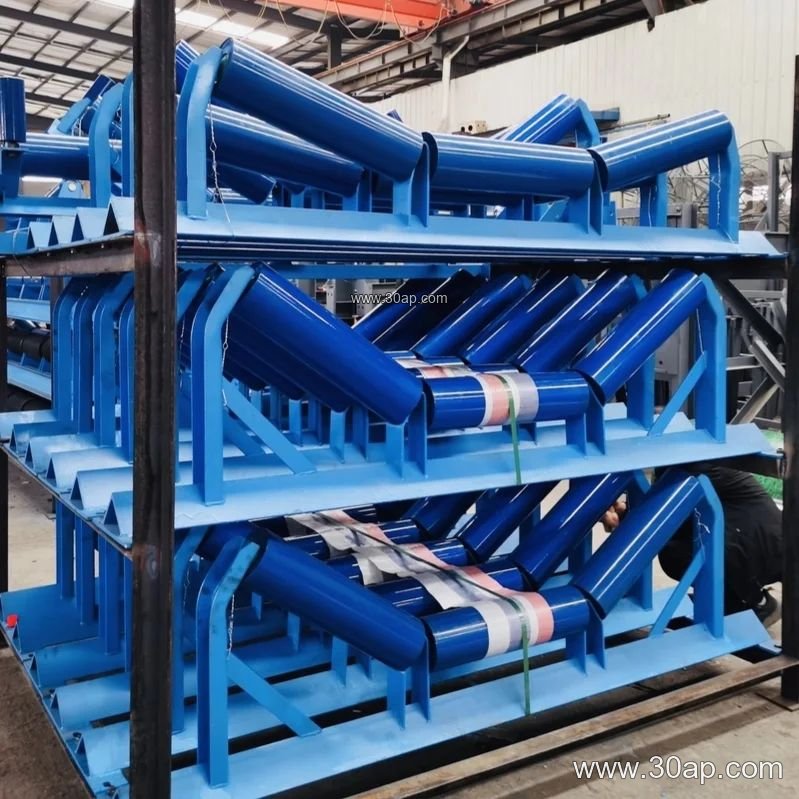
Trough Angle and Roller Diameter as Design Inputs
Trough angle and roller diameter are chosen together with belt width, not fixed by it. Typical combinations seen on drawings include B800 at 35 degrees with a Ø108 roller, B1200 at 45 degrees with Ø133, and B650 at 30 degrees with Ø89. Wider belts such as B1400 or B1600 often use Ø159 or Ø194 rollers, while B1800 to B2200 frames need correspondingly heavier sections. Adjustable brackets allow the trough angle to be set anywhere between roughly 20 and 45 degrees, which is useful where material characteristics change season by season.
Forward-leaning brackets, commonly set around 1.5 to 2 degrees, are used to help centre the belt. Hole spacing and crossbeam length vary with belt width and trough angle, so these dimensions should always come from the project drawing.
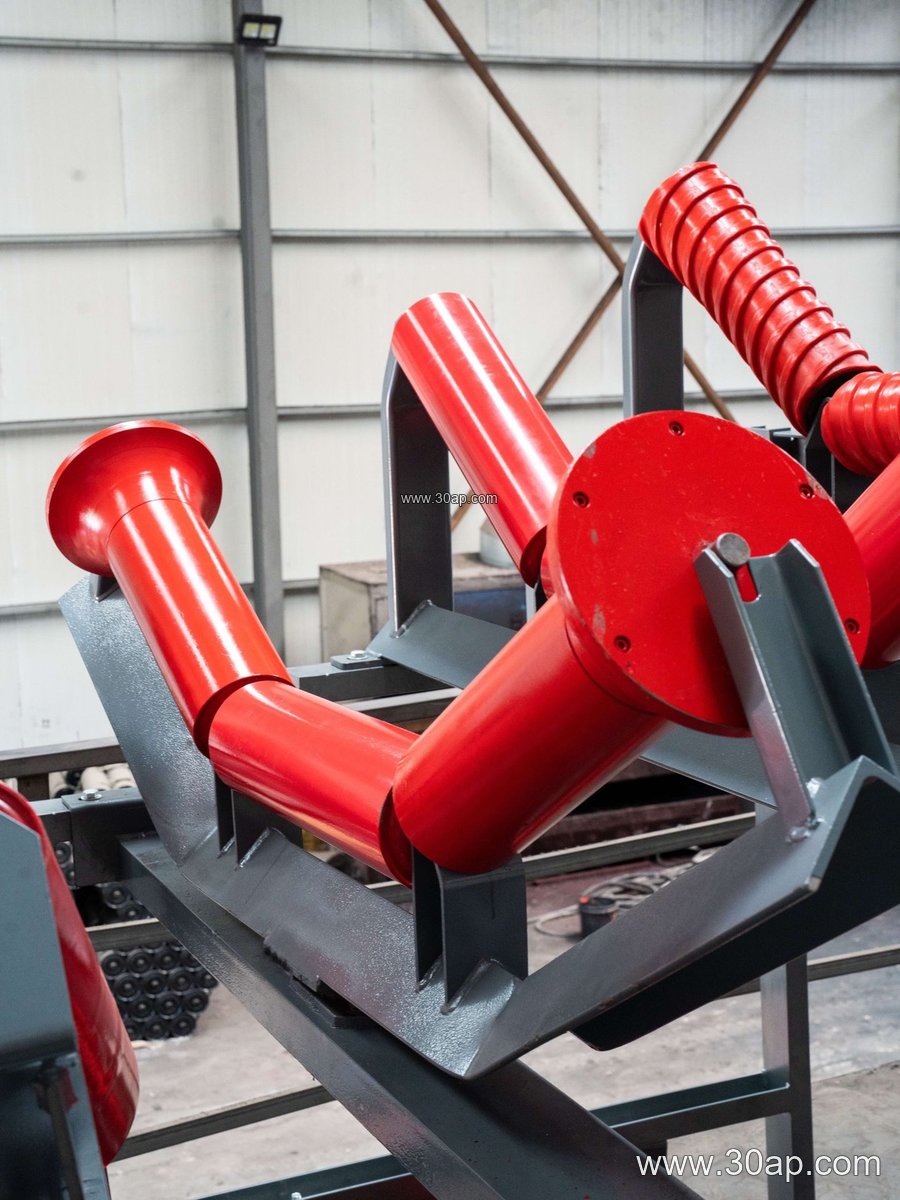
Where Fabricated Brackets Are Used
These frames appear anywhere a belt conveyor carries bulk material. In a limestone quarry or aggregate plant they support the troughed carrying side through the crusher feed and screening circuits. In a coal washing plant or power station coal yard they are often specified alongside flame retardant and anti-static belting. Cement plants use them on clinker and raw meal lines, while port and ship loading conveyors rely on them for long, heavy runs.
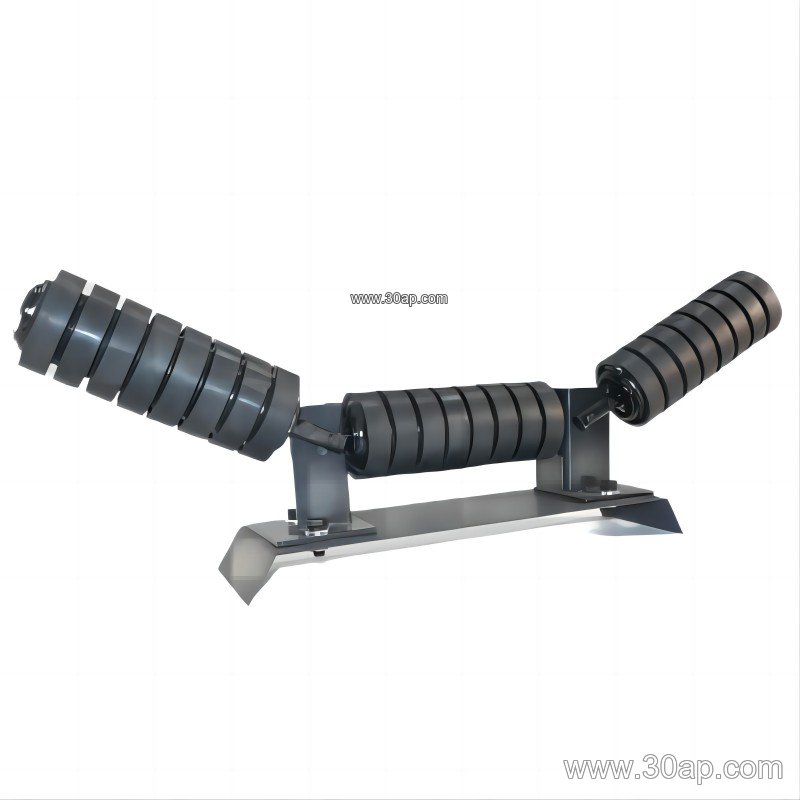
A fabricated bracket set is normally matched to the duty of the line. On a heavy-duty mining conveyor carrying iron ore, brackets are built from heavier channel and paired with impact resistant rollers at the load point. On a food or fertilizer line, smoother surfaces and easier cleaning matter more than raw strength.
Matching Brackets with Belts and Rollers
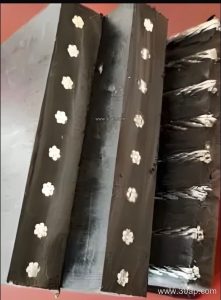
The bracket is only one part of the support system. A troughing bracket carries idler rollers, which in turn support the belt. The belt type affects the load the frame must take. A heavy Steel Cord Conveyor Belt on a long overland run transmits different forces than a Multi-Ply Fabric Core Conveyor Belt on a short transfer. Chevron and Corrugated Sidewall belts can require modified clearance around the roller seats.
Other bracket types serve different positions on the same conveyor. Return brackets and V-return brackets support the empty side, while transition brackets ease the belt from flat to troughed. These are not interchangeable with troughing brackets, and each should be ordered by position and function.
What Buyers Should Confirm Before Ordering
Before placing an order, confirm the belt width, trough angle, roller diameter and mounting hole centres for every bracket position. Ask for the material grade and plate thickness, and state the site environment so the coating is appropriate. For a coal mine or underground application, specify the flame retardant requirement for the whole assembly, not just the belt. Check that left and right brackets are supplied as matched pairs, and request the fabrication drawing for approval before production. Finally, confirm whether fixed or adjustable brackets are needed, since adjustable units cost more but reduce rework when the trough angle changes.