What a Conveyor Idler Bracket Does
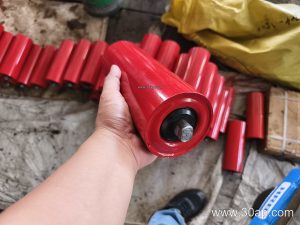
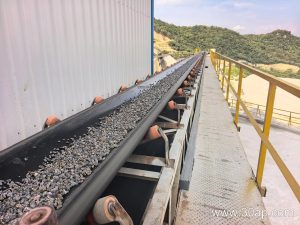
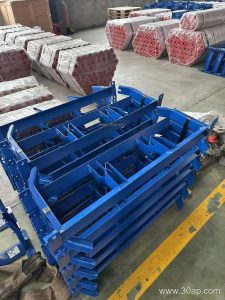
A conveyor idler bracket is the structural interface that holds idler rollers in the correct position under the belt. It carries the bracket frame, sets the trough angle, and keeps spacing consistent along the conveyor line. In a quarry, cement plant, or power plant coal yard, the bracket is often the first component inspected when belt tracking drifts or rollers wear unevenly.
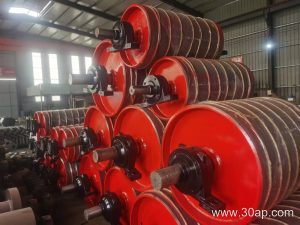
The bracket works together with the conveyor belt, idler roller, and conveyor pulley. Drive, tail, and bend pulleys handle power transmission and direction changes, while the idler bracket handles support. That division matters when troubleshooting: a misaligned bracket can mimic a pulley problem, but the fix belongs to the idler frame.
Common Bracket Types and Where They Fit
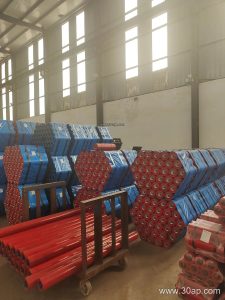
Brackets are grouped by position and function. Troughing brackets sit on the carrying side and form the belt into a trough. Return brackets support the belt on its way back. Transition brackets ease the belt from flat to troughed. Self-aligning brackets correct minor tracking errors. Impact brackets sit under loading points to absorb shock. Adjustable brackets allow the trough angle to be changed on site.
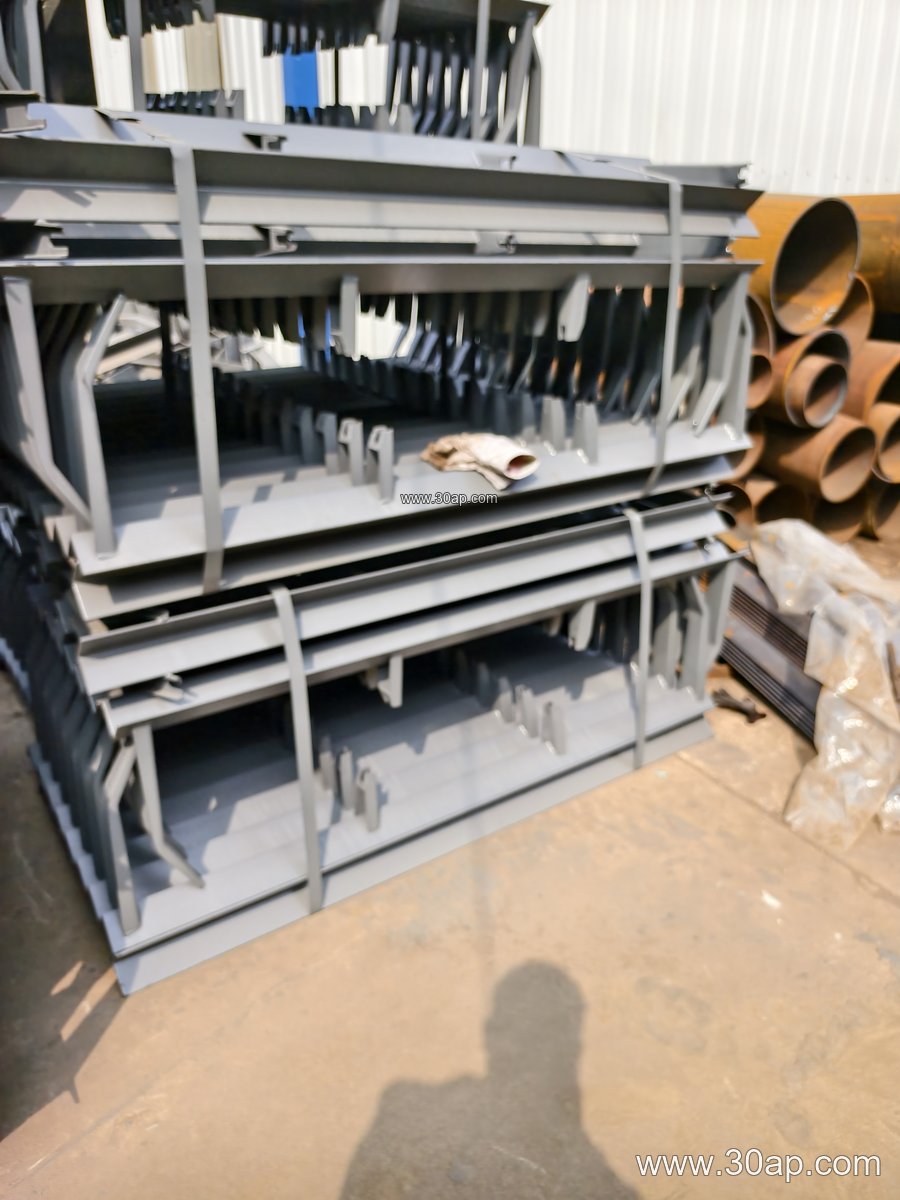
- Troughing bracket: carrying side, usually 20 to 45 degrees
- Return bracket or V-return bracket: return side, flat or V-shaped support
- Transition bracket: near pulleys and loading zones
- Impact bracket: under crusher discharge or transfer chutes
- Self-aligning bracket: long runs where belt wander is a concern
Only the bracket types above belong to this category. A conveyor pulley is not a bracket, and changing a pulley will not correct a bracket alignment issue.
Construction and Material Choices
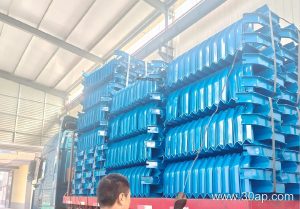
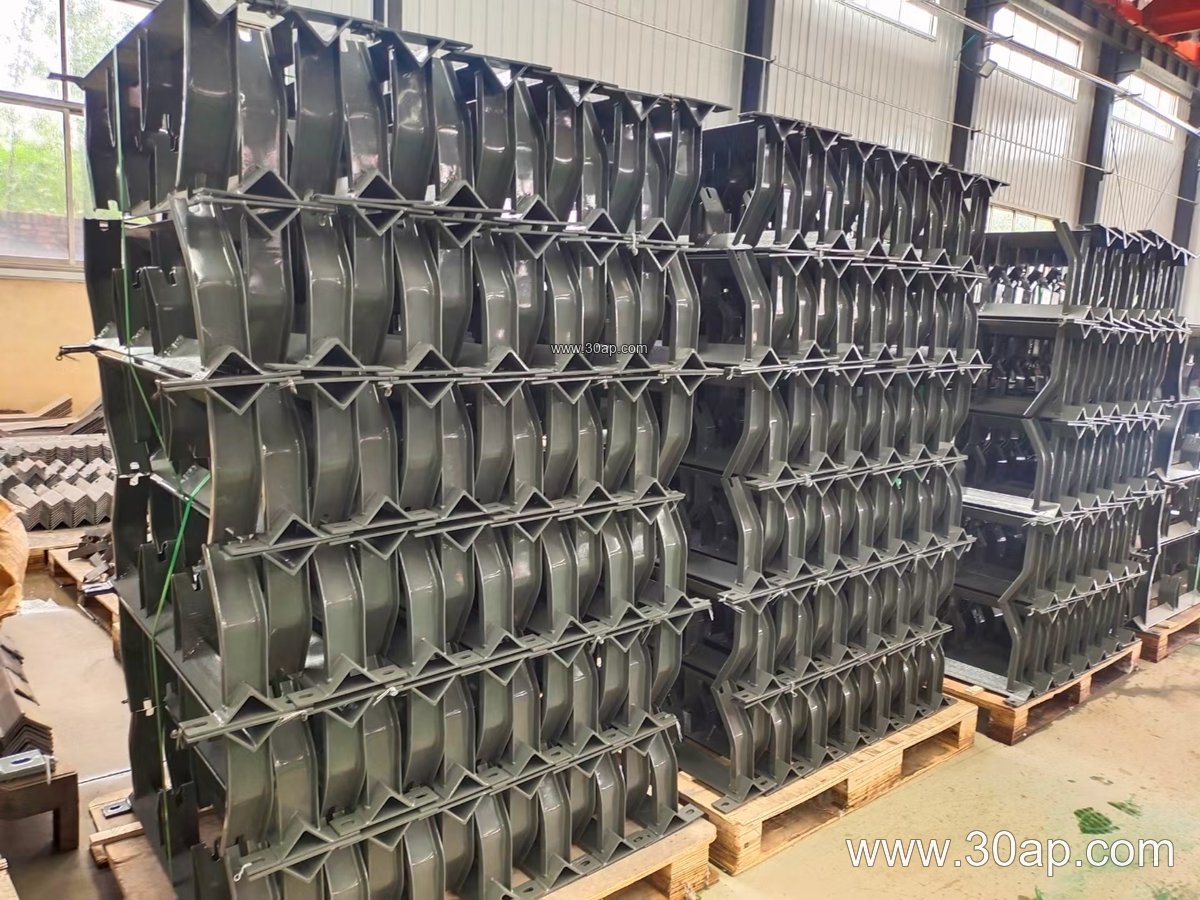
Most brackets are made from angle steel, channel steel, or folded steel plate. The frame is drilled or slotted to match the idler roller shaft and the conveyor stringer. Bolt holes and crossbeam length vary with belt width and trough angle, so brackets are generally made to drawing rather than picked from a single universal size.
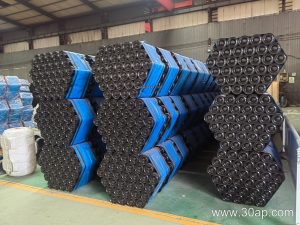
Common belt width references include B500, B650, B800, B1000, B1200, B1400, B1600, B1800, B2000, B2200. Idler roller diameters are commonly Ø89, Ø108, Ø133, Ø159, Ø194. A B800 bracket at 35 degrees with Ø108 rollers is a typical mid-size arrangement, while a B1200 unit at 45 degrees with Ø133 rollers suits heavier bulk service. These are reference combinations, not fixed rules; belt width does not lock a bracket to one trough angle or one roller diameter.
| Parameter | Common Reference |
|---|---|
| Belt width | B500 to B2200 |
| Trough angle | 20, 30, 35, 45 degrees |
| Idler roller diameter | Ø89, Ø108, Ø133, Ø159, Ø194 |
| Material | Angle steel, channel steel, folded plate |
| Adjustability | Fixed or adjustable trough angle |
Selecting the Right Bracket for the Duty
Start with the belt width and the required trough angle. A 30-degree trough is common for general bulk material, while a 45-degree setting may suit a wider belt handling a heavy load. Next, match the bracket to the idler roller shaft and the stringer hole pattern. For a crusher discharge or transfer point, choose an impact bracket. For a long overland run in a coal mining conveyor, a self-aligning bracket can reduce edge wear on the conveyor belt.
Belt construction also affects bracket choice. A steel cord conveyor belt or heavy-duty mining conveyor belt may need closer roller spacing and a stronger frame. A chevron conveyor belt or corrugated sidewall conveyor belt needs clearance around the bracket so the raised pattern does not rub. In a cement plant or aggregate conveyor line, abrasion resistant conveyor belt is common, and the bracket should be checked for wear at the same interval.
Installation and Maintenance Notes
Set brackets square to the belt centerline and at a consistent height. A bracket that sits low or twisted will load one roller more than the others and shorten roller life. Check bolt torque after the first week of operation, then at routine shutdowns. In dusty service such as a lime plant or iron ore yard, clean the bracket seats so rollers can rotate freely. Replace bent brackets rather than straightening them, since a deformed frame will not hold the trough angle.
For spare parts planning, record the bracket type, belt width, trough angle, and roller diameter for each conveyor section. Keep a small stock of the most wear-prone positions, such as impact and transition brackets. This approach keeps a quarry, port, or steel plant conveyor running without waiting on a custom frame.