What the ST2500 Conveyor Belt Is
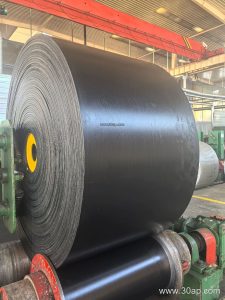
The ST2500 Conveyor Belt is a steel cord conveyor belt with a nominal tensile strength of 2500 N/mm per unit width. It belongs to the steel cord family, where the load-bearing skeleton is made of parallel steel wires rather than woven fabric plies. In long overland lines, steep inclines and high-tonnage transfer points, this strength class is often chosen when fabric belts would need too many plies or too many transfer stations.
Because it is a steel cord belt, the ST2500 designation refers to strength, not to a fixed width or cover thickness. A buyer should treat it as one grade within a range that also includes ST1000, ST1250, ST1600, ST2000 and ST3150. The higher the number, the greater the breaking strength and, usually, the heavier the belt.
How It Is Built
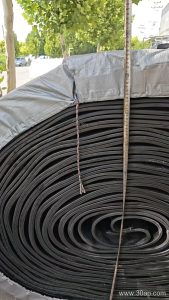
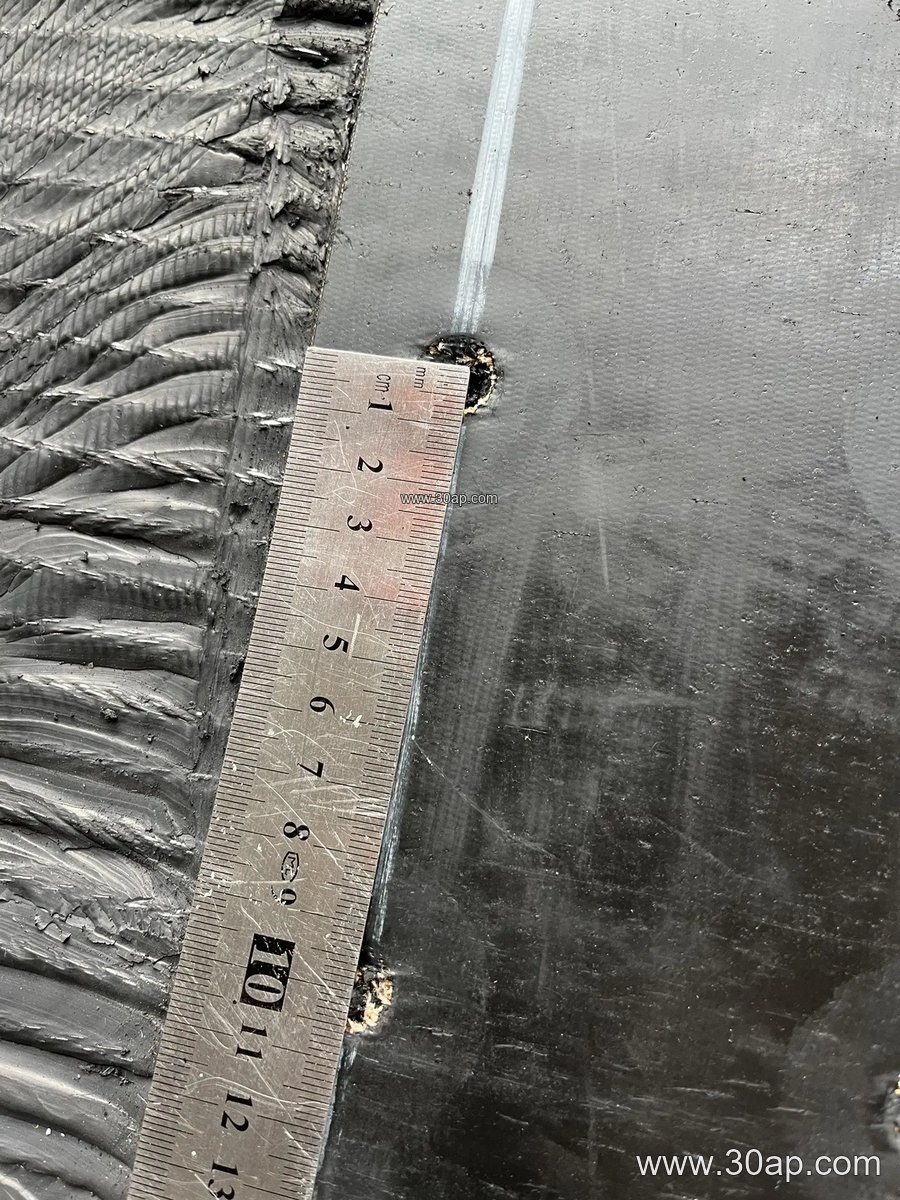
The core is a single layer of high-carbon steel cords, spaced evenly and embedded in a rubber compound. Top and bottom cover rubber protect the cords from abrasion, impact and moisture. The bond between cord and rubber is critical, because a weak interface allows water and grit to migrate along the belt.
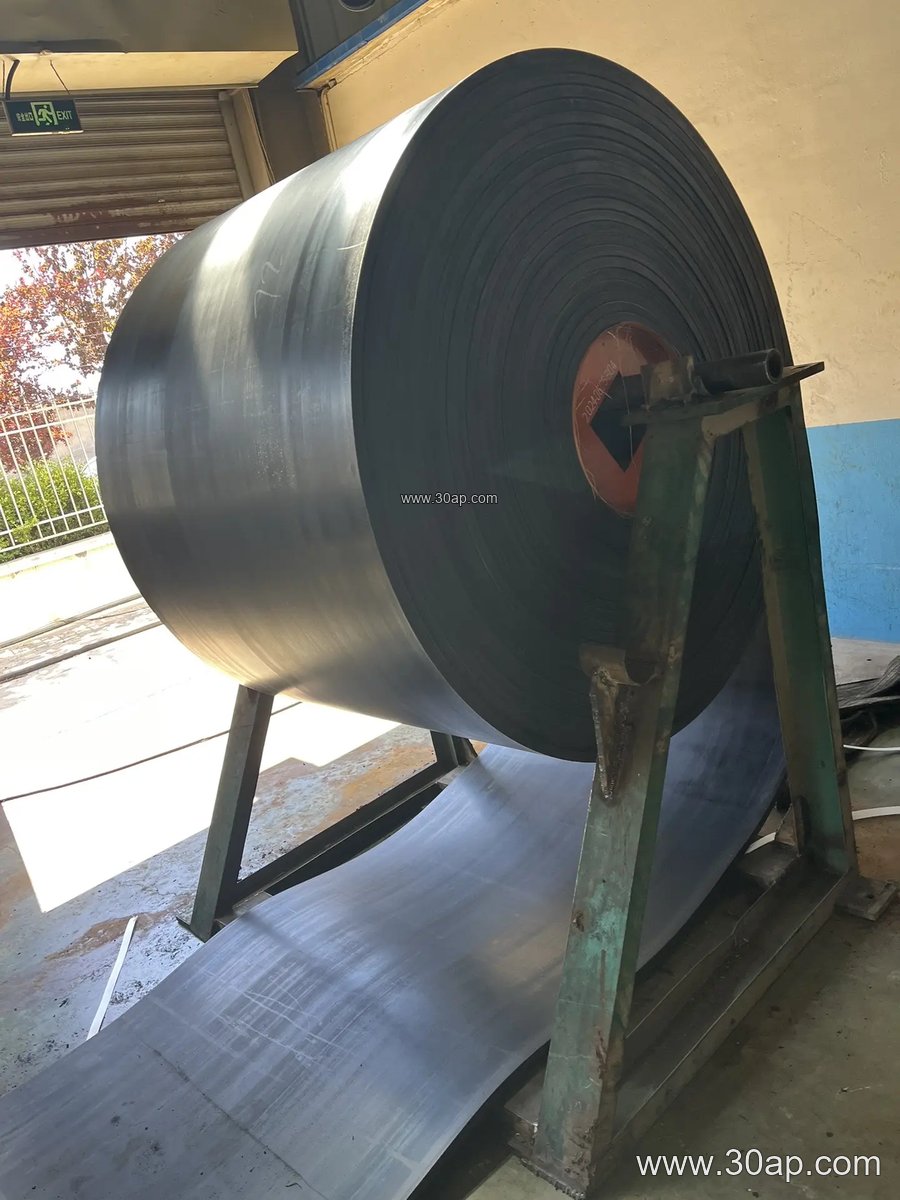
- Steel cord layer: carries the tensile load
- Core rubber: cushions and bonds the cords
- Top cover: resists abrasion, impact or heat depending on the grade
- Bottom cover: protects against pulley contact and debris
Cover thickness is usually stated as top plus bottom, for example 6+2 mm or 8+3 mm. These figures are common reference values; actual construction is confirmed by the manufacturer for each order.
Where It Fits in a Conveyor
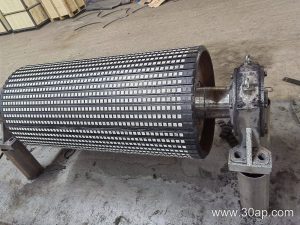
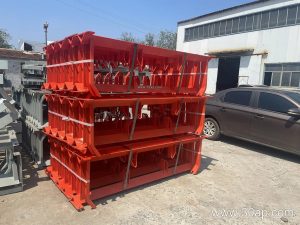
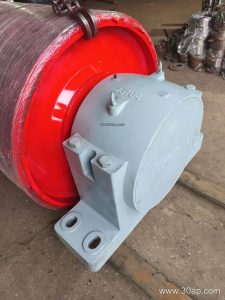
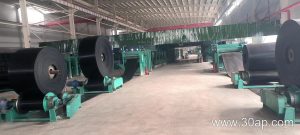
A steel cord belt such as the ST2500 runs over a drive pulley, tail pulley and bend pulleys, with idler rollers supporting the carrying and return strands. The belt is joined either by vulcanized splice or by mechanical fasteners, and for permanent high-strength installations a vulcanized endless joint is typical. The belt interacts closely with the pulley lagging, the idler spacing and the conveyor bracket layout, so the whole system should be designed together.
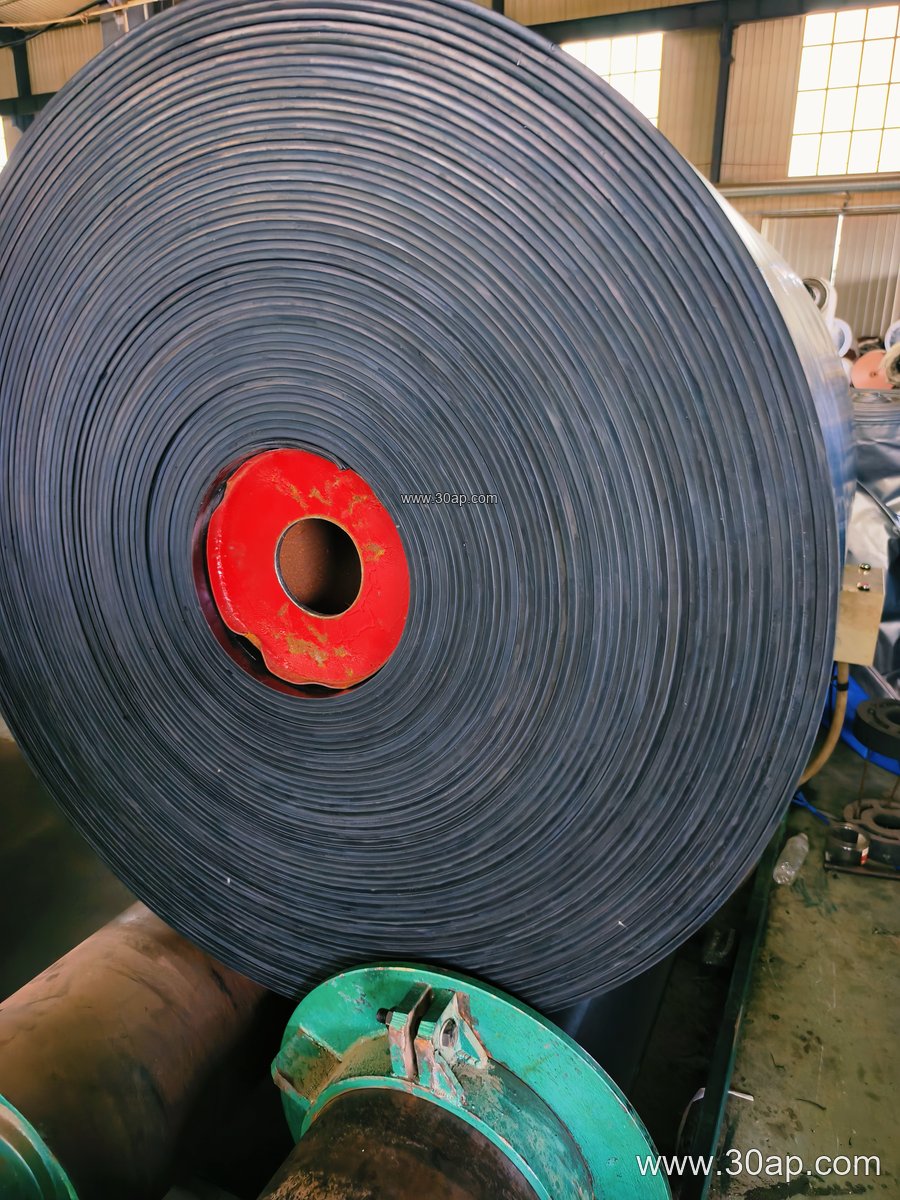
Typical industries include mining, coal preparation, cement plants, power stations, steel plants, quarries and port bulk terminals. In a crushing circuit it may serve as a crusher conveyor belt; on a long haul it may be an ore conveyor belt carrying iron ore or copper ore. For underground coal mining, flame retardant and anti-static properties are usually specified alongside strength.
Common Specifications and Related Grades
The table below shows reference values often seen in catalogs. It is not a mandatory match table, and one belt width does not dictate one pulley diameter or shaft size.
| Item | Common reference values |
|---|---|
| Strength grade | ST2500 (also ST1000, ST1250, ST1600, ST2000, ST3150) |
| Belt width | B800, B1000, B1200, B1400, B1600, B1800, B2000 |
| Cover thickness | 6+2 mm, 8+3 mm, or as designed |
| Cover grades | Abrasion resistant, heat resistant, flame retardant, cold resistant, oil resistant |
Fabric alternatives exist for shorter or lighter lines, such as EP Conveyor Belt grades (EP200 to EP2000) and NN Conveyor Belt grades. These are different products and are not substitutes for a steel cord belt where high tensile strength is required.
Selection and Maintenance Notes
Specify the duty clearly: material type, lump size, tonnage per hour, incline, pulley diameters and ambient conditions. A 1200mm wide ST2500 belt on a coal line has different needs from an 1800mm wide unit in a quarry. Cover compound matters as much as strength; a High Abrasion Resistant Conveyor Belt cover suits sharp rock, while a Heat Resistant Conveyor Belt cover is needed near clinker or sinter.
During operation, check splice condition, cord exposure, edge wear and idler roller alignment. Keep the drive pulley and tail pulley lagging clean, and inspect conveyor brackets for movement that could misalign the frame. Store spare belts on a dry surface, away from ozone sources and direct sunlight.
For more belt, idler and pulley information, visit www.example.com/conveyor-belt and www.example.com/conveyor-pulley.