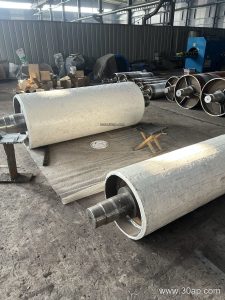
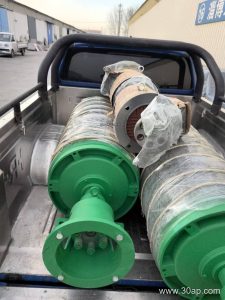
What a Custom Conveyor Pulley Really Is
A custom conveyor pulley is a drum assembly built to the geometry, load profile and environmental demands of one specific conveyor, rather than selected from a short catalogue of standard shells. It is the rotating component that carries the conveyor belt, sets its path and, at the drive position, transfers torque into the belt through friction. Because every conveyor has its own belt width, tension, wrap angle and duty cycle, a made-to-order pulley is often the practical choice when a standard unit would be over- or under-built.
The same product appears under several accurate names in the field, including conveyor drum, belt pulley and head drum, depending on region and position. Drive, tail and bend pulleys are distinct roles, and one cannot simply substitute for another; each has its own load case, wrap geometry and connection detail.
How the Assembly Is Built
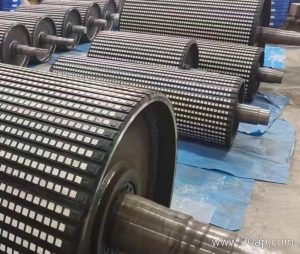
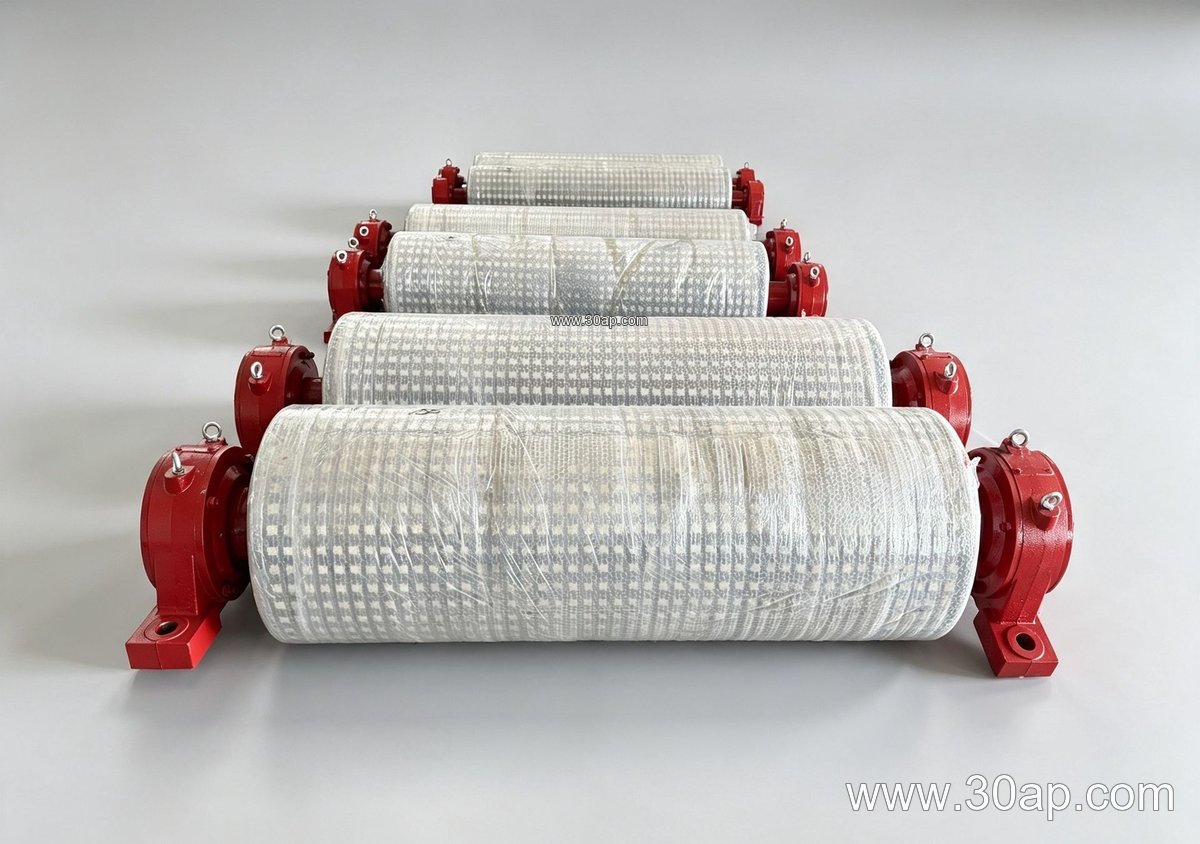
Most heavy-duty pulleys combine a rolled steel shell, end discs or hubs, a through shaft or stub shafts, and bearing housings mounted on a frame. The shell is machined to control runout, then covered with a lagging selected for grip and wear life. Common surface forms include plain finish, hot-vulcanized rubber, cold-bonded rubber, diamond grooving, chevron grooving and ceramic tiles. Lagging thickness is frequently 8, 10, 12, 15 or 20 mm, chosen against belt tension and slip risk rather than fashion.
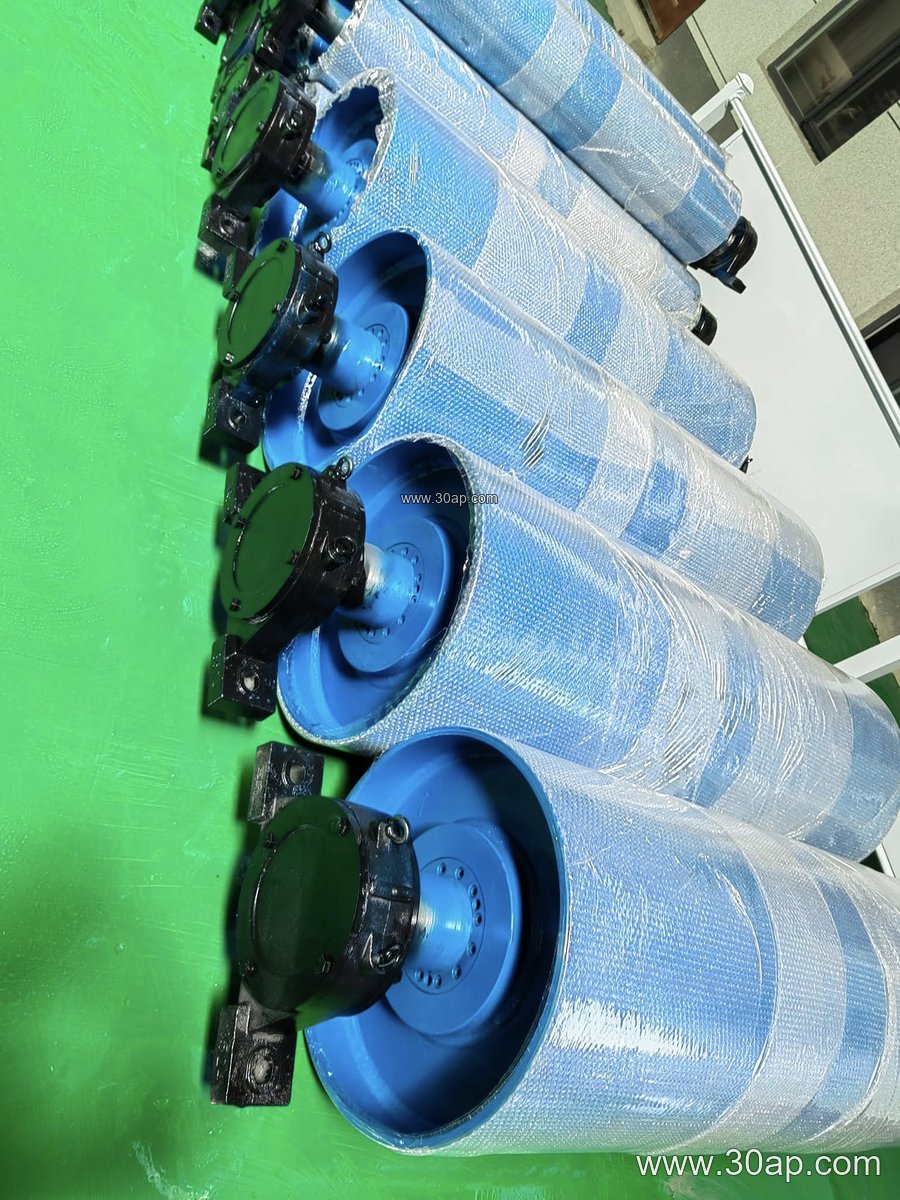
Shaft diameter is a design outcome, not a lookup value from belt width. Typical shaft sizes run from Ø50 up to Ø200 mm, but the final figure follows torque, bending load, bearing selection and fatigue safety factor. A B1200 x Ø1000 drive drum and a B800 x Ø500 tail drum are both plausible combinations; neither belt width locks the pulley to a single diameter.
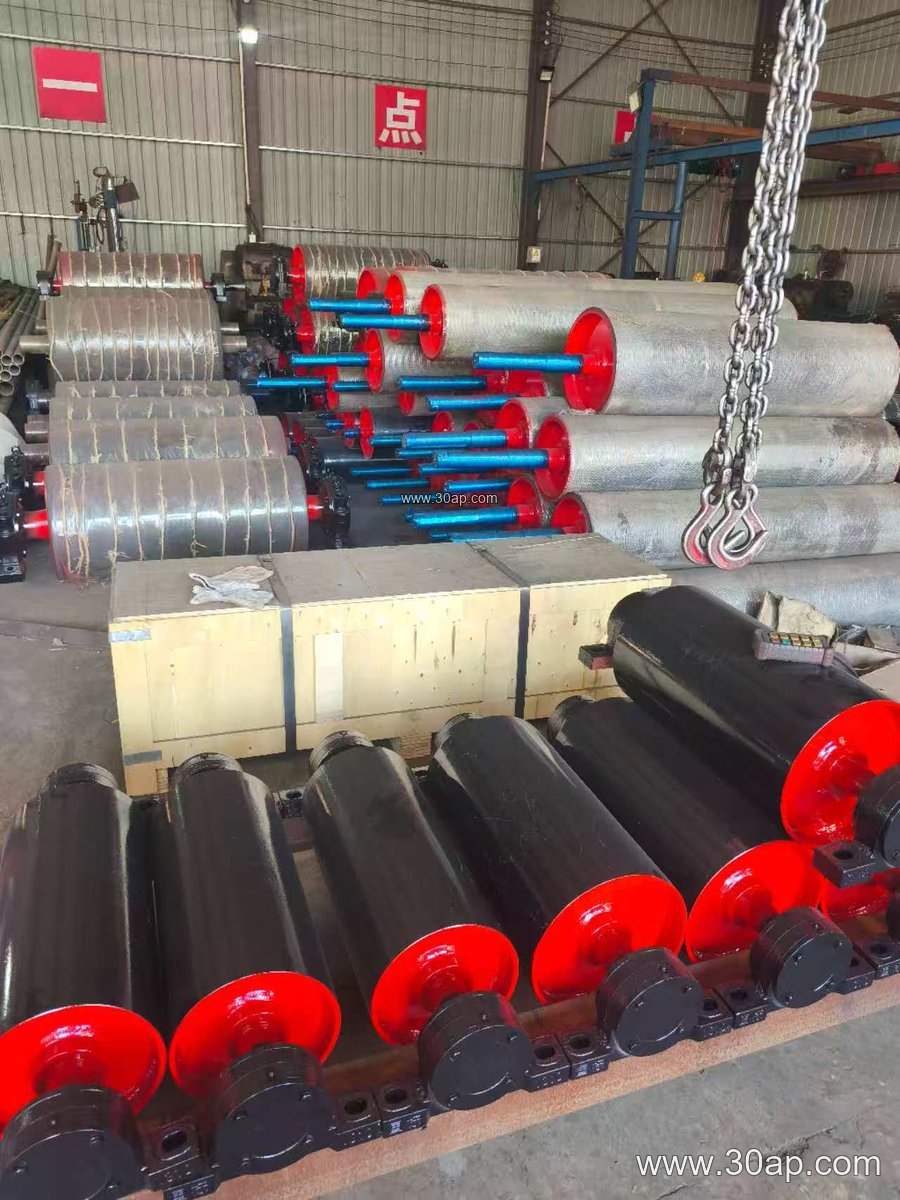
Where These Pulleys Earn Their Keep
In a limestone quarry, a custom conveyor pulley at the head end may run with abrasive lagging to survive sharp stone carryback. In a coal washing plant, the same product family is specified with flame retardant and anti-static properties in mind, matched to a Mining Flame Retardant Conveyor Belt or PVG800S Conveyor Belt on the same circuit. Cement plants often ask for heat-tolerant covers near clinker transfer points, while power plant coal handling favors robust, easily inspected drums.
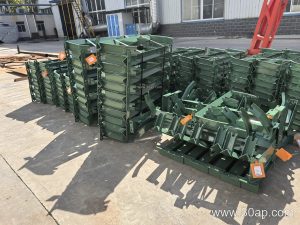
The pulley never works alone. Its face width usually exceeds belt width so the belt is fully supported: B400 around 500 mm, B650 around 750 mm, B1000 around 1150 mm, B1400 around 1600 mm, and B2000 around 2200 mm are common relationships, not fixed rules. Nearby, idler roller sets and conveyor bracket supports define alignment, and a poorly aligned frame will shorten lagging life no matter how good the drum is.
Position Matters More Than Buyers Expect
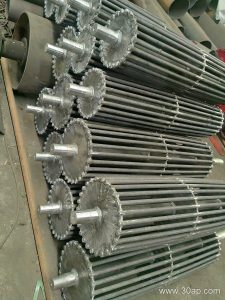
A drive pulley needs enough wrap and friction to transmit power without slip, so lagging choice and diameter are tightly linked to belt tension. A tail pulley typically guides the belt at the loading end and may include a wing or self-cleaning form to shed material. A bend pulley redirects the belt through a small wrap angle and is often lighter, while a take-up pulley works with the tensioning system to hold belt sag within limits. An electric drum integrates the motor inside the shell and suits compact layouts, though it demands careful thermal review.
Specification Points Worth Confirming
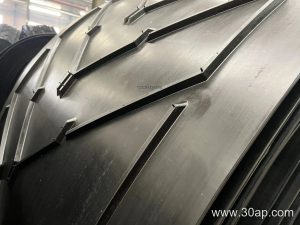
Buyers should confirm belt width, belt type, operating tension, speed, shaft load, bearing type, lagging pattern and thickness, and the interface with the conveyor bracket. Surface finish and balance class affect vibration and belt tracking. Where the circuit carries a Steel Cord Conveyor Belt, the pulley diameter is usually sized generously relative to cord construction to limit bending stress; fabric constructions such as EP200 Conveyor Belt or NN300 Conveyor Belt follow their own fatigue considerations.
- Belt width and pulley face width, stated together
- Shell diameter and shaft diameter, both confirmed by calculation
- Lagging material, pattern and thickness
- Bearing housing style and mounting interface
- Balancing and runout requirements
Maintenance and Long-Term Value
Inspect lagging for glazing, chunking and wear grooves; check bolt torque on bearing housings; monitor tracking after any belt splice. Keep the return side clean, since carryback packed against a pulley face accelerates cover wear. Storing a spare drum in a dry, supported position protects bearings and machined surfaces. When replacement is due, review whether the original diameter and lagging still match the current duty, because conveyors change over their service life.
For anyone sourcing conveyor components, the practical message is simple: define the duty first, then let the drum be built around it. A properly engineered custom conveyor pulley, paired with the right conveyor belt and well-set idler roller frames, is one of the least dramatic and most reliable investments on a bulk handling line.