What a Conveyor Bracket Assembly Does
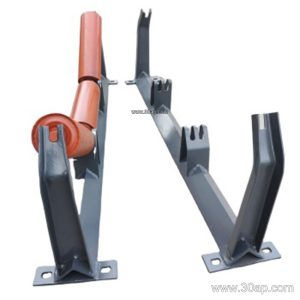
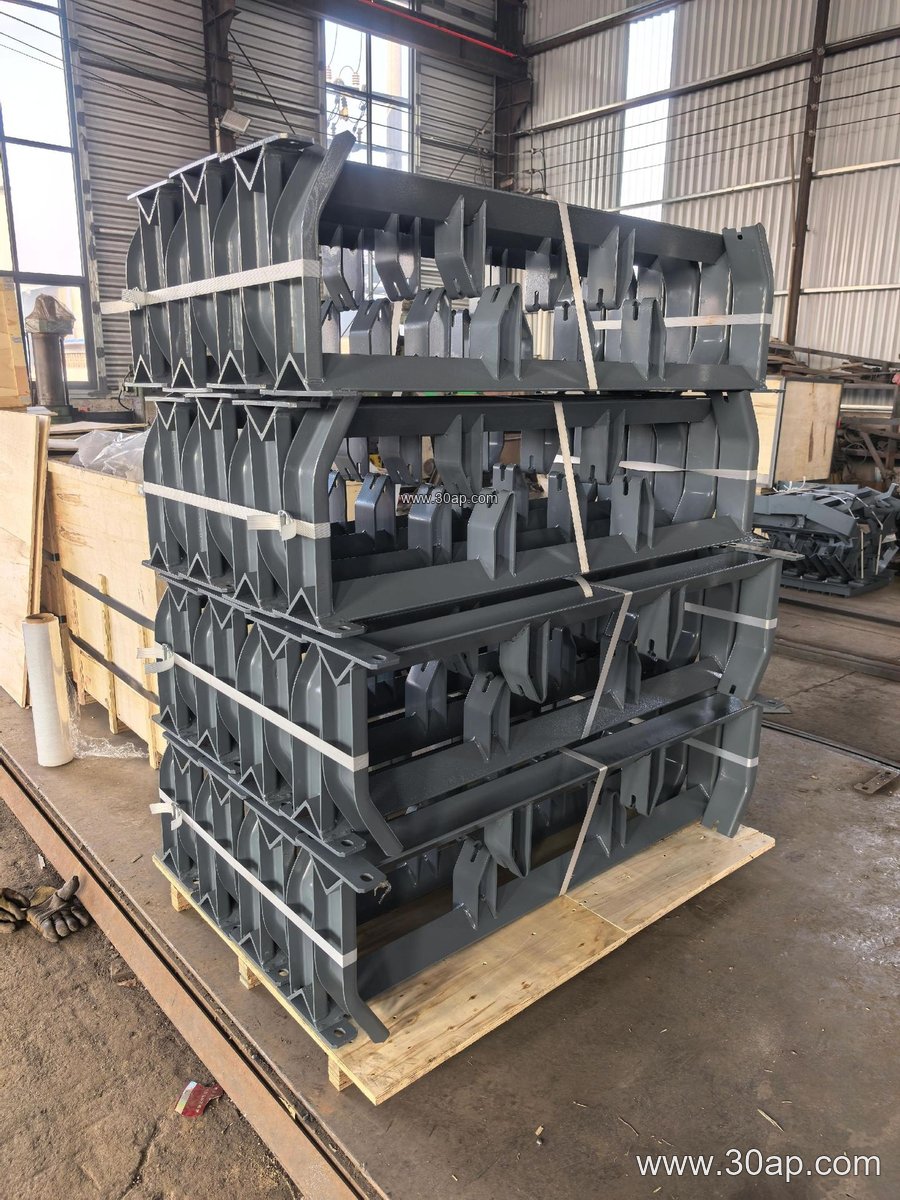
A conveyor bracket assembly is the supporting frame that holds idlers in position along a conveyor line. It carries the weight of the belt and the material, keeps the belt in the desired trough shape, and maintains alignment as the belt travels from the tail pulley to the drive pulley. In a quarry, sand and gravel line, or cement plant, these assemblies are the interface between the conveyor belt and the idler roller, so their geometry directly affects belt life and tracking.
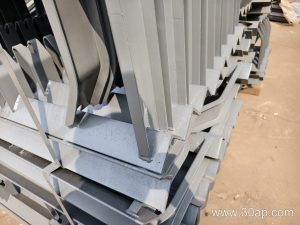
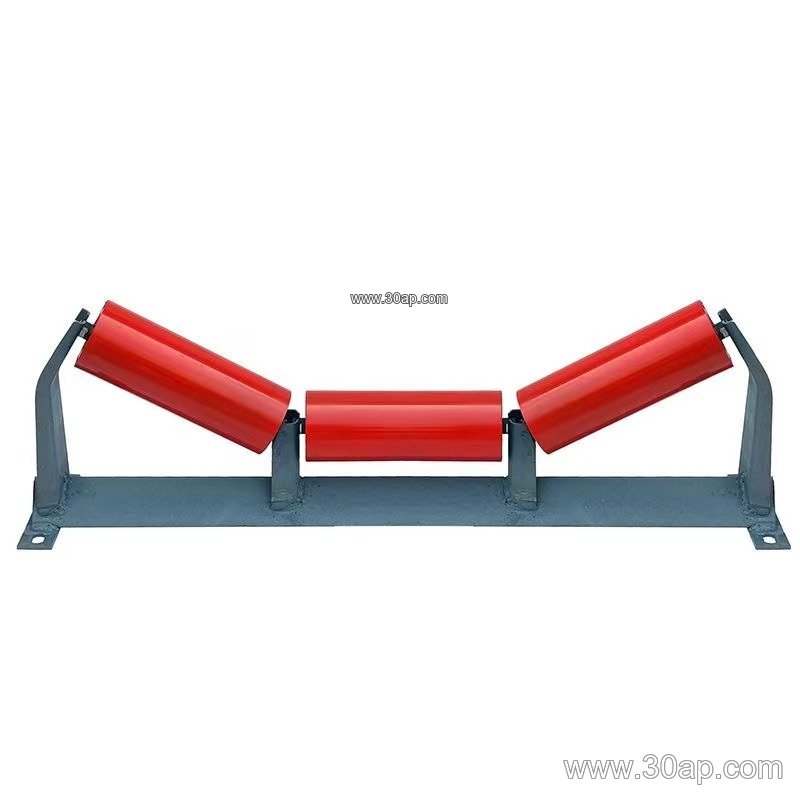
The assembly is not a single part. It usually combines a crossbeam or stringer connection, mounting plates, idler attachment slots, and sometimes adjustable arms that set the trough angle. The frame may be bolted to the conveyor stringer or hooked into a bracket welded to the structure.
How the Assembly Is Built
Most frames are fabricated from angle steel, channel steel, or folded steel plate. The choice depends on load and environment. A heavy-duty mining conveyor belt carrying ore needs a stiffer frame than a light aggregate line. Typical construction steps include cutting, drilling or punching mounting holes, welding the bracket ends, and applying a protective coating.
The mounting hole spacing and crossbeam length vary with belt width and trough angle, so these dimensions are usually confirmed against the conveyor design rather than treated as universal. Idler positions are set so the idler roller sits correctly under the belt.
Common Types and Where They Sit
Different positions on a conveyor call for different frames. The main types include:
- Troughing bracket assembly on the carrying side, holding three or more idlers at a set trough angle
- Transition bracket near the tail or drive pulley, where the belt changes from flat to troughed
- Return bracket and V-return bracket under the belt on the return strand
- Impact bracket at the loading point, usually paired with impact idlers
- Self-aligning bracket that helps correct belt tracking
- Adjustable bracket that allows the trough angle to be changed
- Suspended bracket hung from the structure in confined spaces
A fixed troughing frame and an adjustable frame are not the same. The adjustable version lets maintenance staff change the trough angle within a range, while the fixed version is set at manufacture.
Trough Angle, Belt Width, and Idler Diameter
Trough angle and idler diameter are selected together with belt width and material characteristics. Common trough angles are 20, 30, 35, and 45 degrees. A 35 degree frame with Ø108 idlers is common on medium-width belts, while a 45 degree frame with Ø133 or Ø159 idlers may suit wider belts and higher capacity. These are examples, not fixed pairings; a B800 belt can be run at more than one trough angle, and belt width alone does not determine shaft diameter.
| Parameter | Typical reference values |
|---|---|
| Belt width | B500, B650, B800, B1000, B1200, B1400, B1600, B1800, B2000 |
| Trough angle | 20°, 30°, 35°, 45° |
| Idler diameter | Ø89, Ø108, Ø133, Ø159, Ø194 |
| Forward tilt | about 1.5° to 2° where used |
| Frame material | angle steel, channel steel, folded plate |
On a coal mining conveyor belt or an underground mining conveyor belt, flame retardant conveyor belt and anti-static conveyor belt properties are often specified alongside the frame, because the bracket and idlers sit in the same hazardous zone.
Installation and Maintenance Notes
Alignment matters more than many buyers expect. A frame that is twisted or set at the wrong height will push the belt to one side, and no amount of idler adjustment will fully correct it. Check that mounting holes line up with the stringer, that the frame is square to the belt centerline, and that all fasteners are tightened to the design torque.
During operation, inspect for loose bolts, bent brackets, and worn idler seats. In a crusher conveyor belt line or a power plant coal handling system, vibration and dust accelerate wear, so periodic checks are worthwhile. Replacing a damaged bracket early prevents belt edge damage and reduces downtime.
What Buyers Should Confirm
Before ordering, confirm belt width, required trough angle, idler diameter, mounting hole pattern, frame material, and surface treatment. State the application, for example a limestone quarry, a cement plant clinker line, or a port conveyor handling bulk material conveyor belt loads. Ask whether the design is fixed or adjustable, and whether the frame is for the carrying side or the return side. Clear specifications avoid mismatches between the bracket assembly and the conveyor pulley or idler roller already on site.