What the ST1250 Conveyor Belt Is
The ST1250 Conveyor Belt is a steel cord conveyor belt with a nominal tensile strength of 1250 N/mm. It belongs to the ST series of Steel Cord Conveyor Belt products, where the number indicates breaking strength rather than a fabric ply rating. In practical terms, this belt sits in the middle of the heavy-duty range, above ST1000 and below ST1600 and ST2000, which makes it a common choice for long overland lines and high-capacity transfer points in mining, cement, power and port operations.
Because the load is carried by steel cords rather than woven fabric, an ST1250 belt can run at lower elongation and over longer centre distances than an EP Conveyor Belt or NN Conveyor Belt of similar width. That difference matters when a conveyor profile includes several drive, tail and bend pulleys and the belt must track reliably under constant tension.
How the Belt Is Built
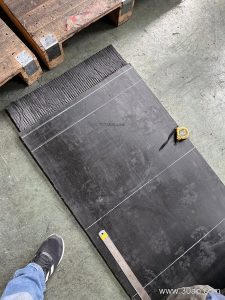
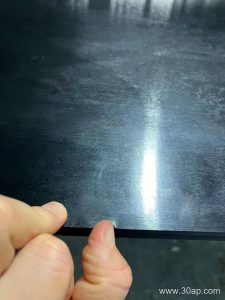
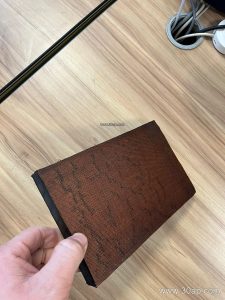
The carcass consists of parallel steel cords embedded in a rubber core compound. A layer of transverse reinforcement is usually placed above and below the cords to hold spacing and improve resistance to impact and tearing. Top and bottom cover rubber protect the carcass from the material being carried and from the pulleys and idler rollers underneath.
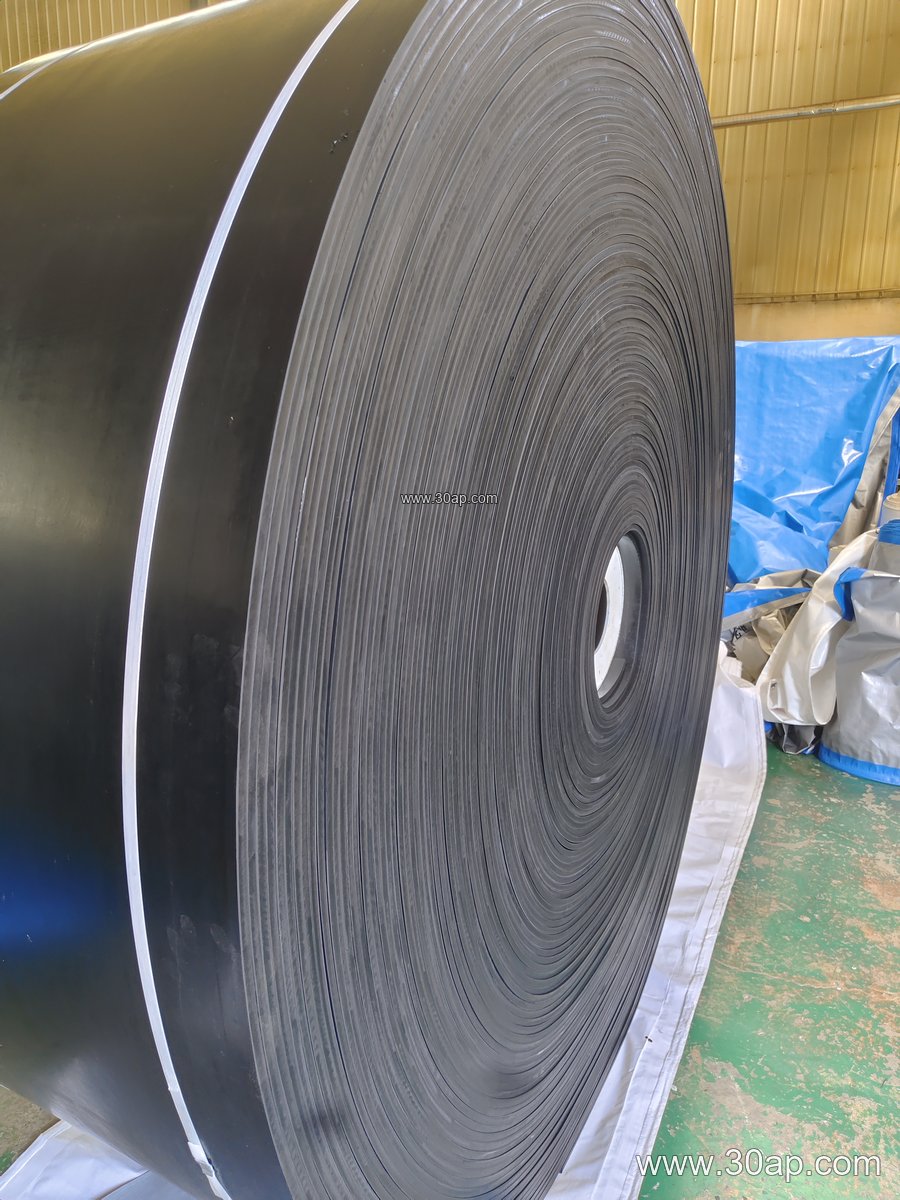
- Steel cord carcass with nominal strength of 1250 N/mm
- Core and cushion compounds formulated for cord adhesion
- Top cover and bottom cover in various thickness combinations
- Optional cover grades for heat, oil, abrasion or flame resistance
Cover thickness is normally written as top plus bottom, for example 6+2 mm or 8+3 mm. A thicker top cover suits sharp, abrasive rock; a thinner bottom cover is often enough where the return side runs on well-aligned idlers. Buyers should confirm the cover grade together with the thickness, since an Abrasion Resistant Conveyor Belt and a Heat Resistant Conveyor Belt may share the same cord construction but differ in compound.
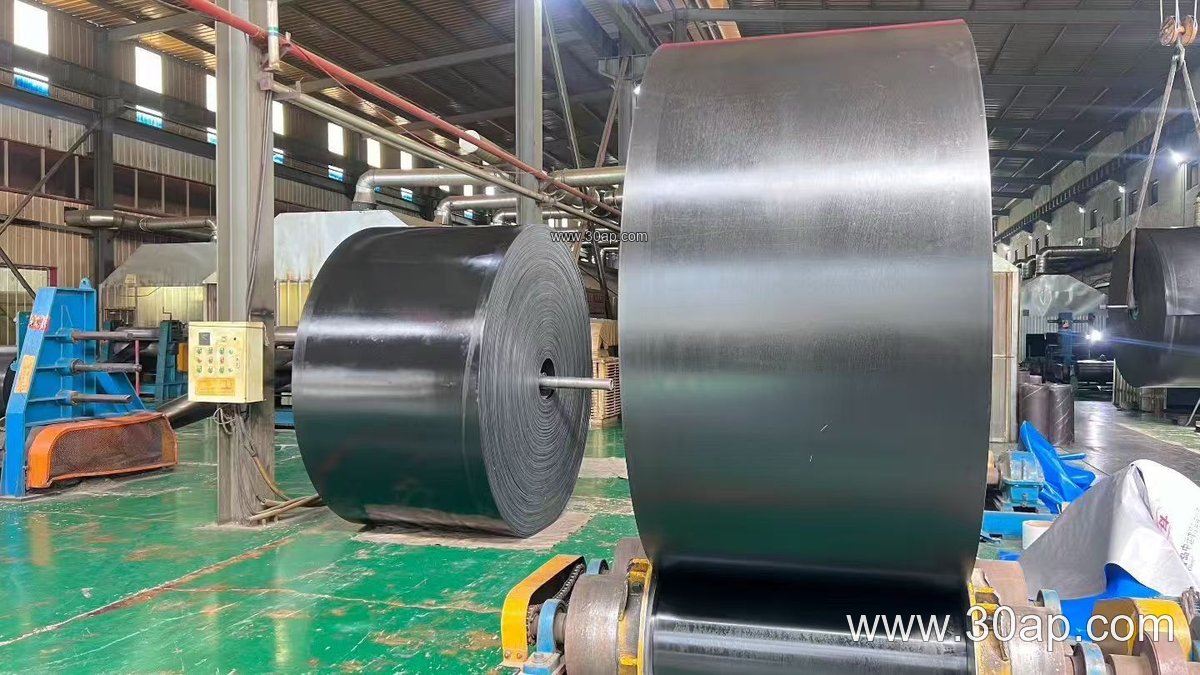
Where It Fits in a Conveyor System
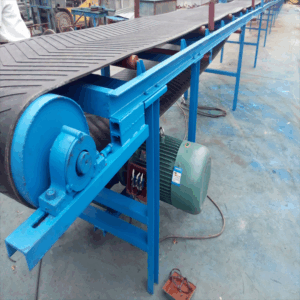
An ST1250 belt is typically found on main haulage conveyors rather than short feeder runs. Typical duties include:
- Iron ore, copper ore and other ore transport in mining and mineral processing
- Coal handling in power plants and coal preparation plants
- Limestone, clinker and raw meal lines in cement plants
- Crushed stone and aggregate movement in quarries and sand making plants
- Ship loading and stockyard conveyors at ports
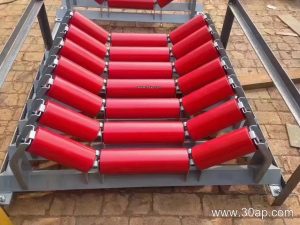
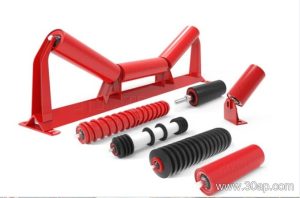
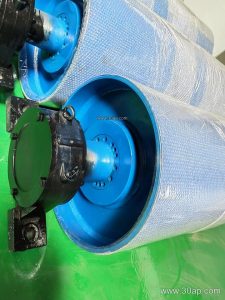
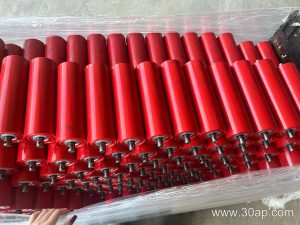
In these duties the belt works with conveyor pulleys at the head and tail, a bend pulley on inclined or curved profiles, and closely spaced idler rollers on the carrying side. Impact zones below crushers often use impact idlers and reinforced belt sections to absorb falling material.
Specifications a Buyer Should Check
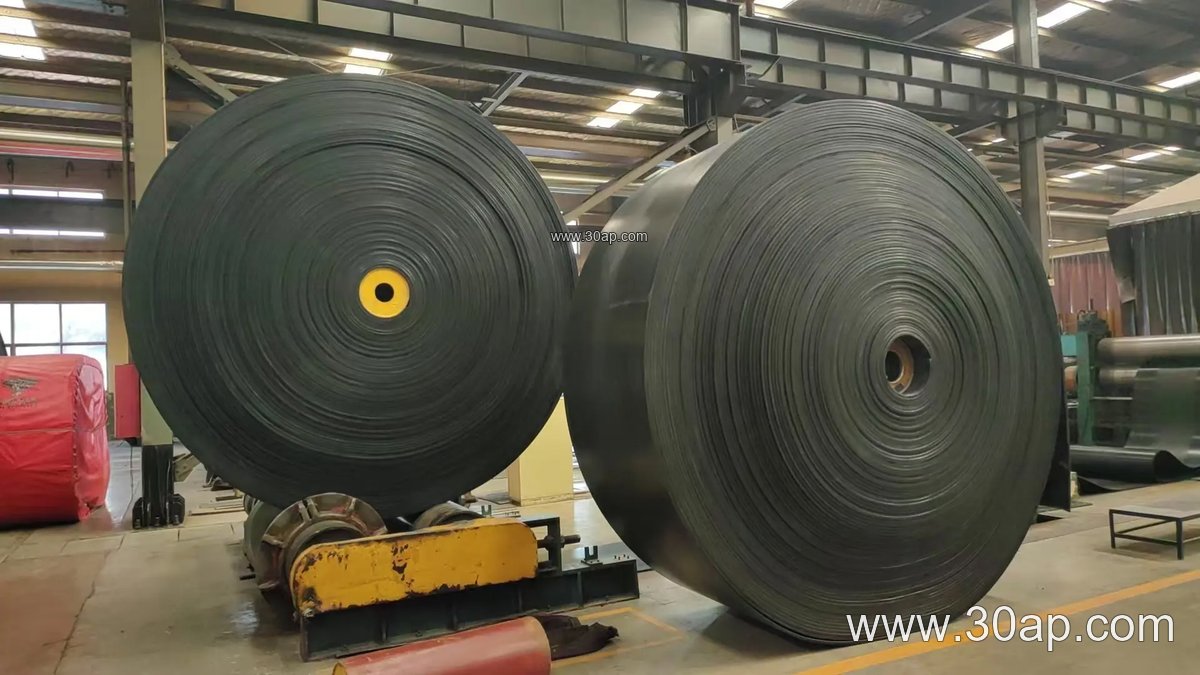
The table below lists common reference values. Actual supply should follow the conveyor design, and different manufacturers may offer different combinations.
| Parameter | Common reference values |
|---|---|
| Belt type | Steel Cord Conveyor Belt, ST series |
| Nominal strength | ST1250 (1250 N/mm) |
| Belt width | B800, B1000, B1200, B1400, B1600, B1800, B2000 |
| Cover thickness | 4+2, 5+2, 6+2, 8+3 mm |
| Cover grades | Abrasion resistant, heat resistant, oil resistant, flame retardant, anti-static, cold resistant |
| Jointing | Vulcanised splice, usually stepped |
Width and strength are separate decisions. A 1200 mm wide belt is not tied to one pulley diameter, and shaft size follows the pulley design and the loads calculated for the whole conveyor. The drive pulley, tail pulley and bend pulley each have their own diameter requirements, so they should be specified from belt tension and cord fatigue limits rather than from width alone.
Selection and Maintenance Notes
When specifying an ST1250 Conveyor Belt, confirm the maximum operating tension, the safety factor required by the conveyor designer, the material size and temperature, and whether the installation is underground. Underground coal mining often calls for a Flame Retardant Conveyor Belt with anti-static properties, and the cover grade must be agreed before production. For hot clinker or sinter, a Heat Resistant Conveyor Belt grade is needed; for oily scrap or recycled material, an Oil Resistant Conveyor Belt may be more suitable.
During operation, check splice condition, cord exposure at the edges, and cover wear over the idler roller positions. Misalignment at the tail pulley or a worn bend pulley can damage edges quickly. Keep conveyor brackets and frames secure so idlers stay square to the belt path. A well-maintained ST1250 belt on a correctly aligned system usually delivers long service in heavy-duty mining and bulk material conveyor applications.