What a Belt Guide Roller Does
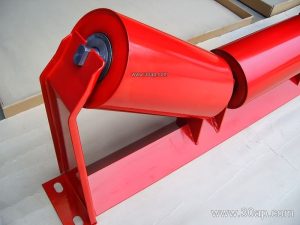
A belt guide roller is a specialized idler roller used to keep a conveyor belt centered along its path. Unlike standard carrying or return idlers, which primarily support the belt and its load, guide rollers are positioned at the edges or at specific angles to correct belt misalignment. In industries such as mining, cement plants, power plant coal handling, and aggregate operations, a misaligned belt can cause spillage, edge damage, and premature wear on the conveyor belt and pulleys. The belt guide roller applies gentle lateral force to steer the belt back to the correct track, protecting both the belt and the structure.
Construction and Key Components
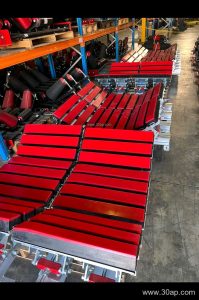
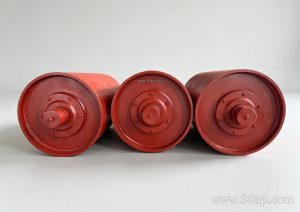
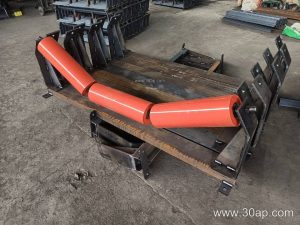
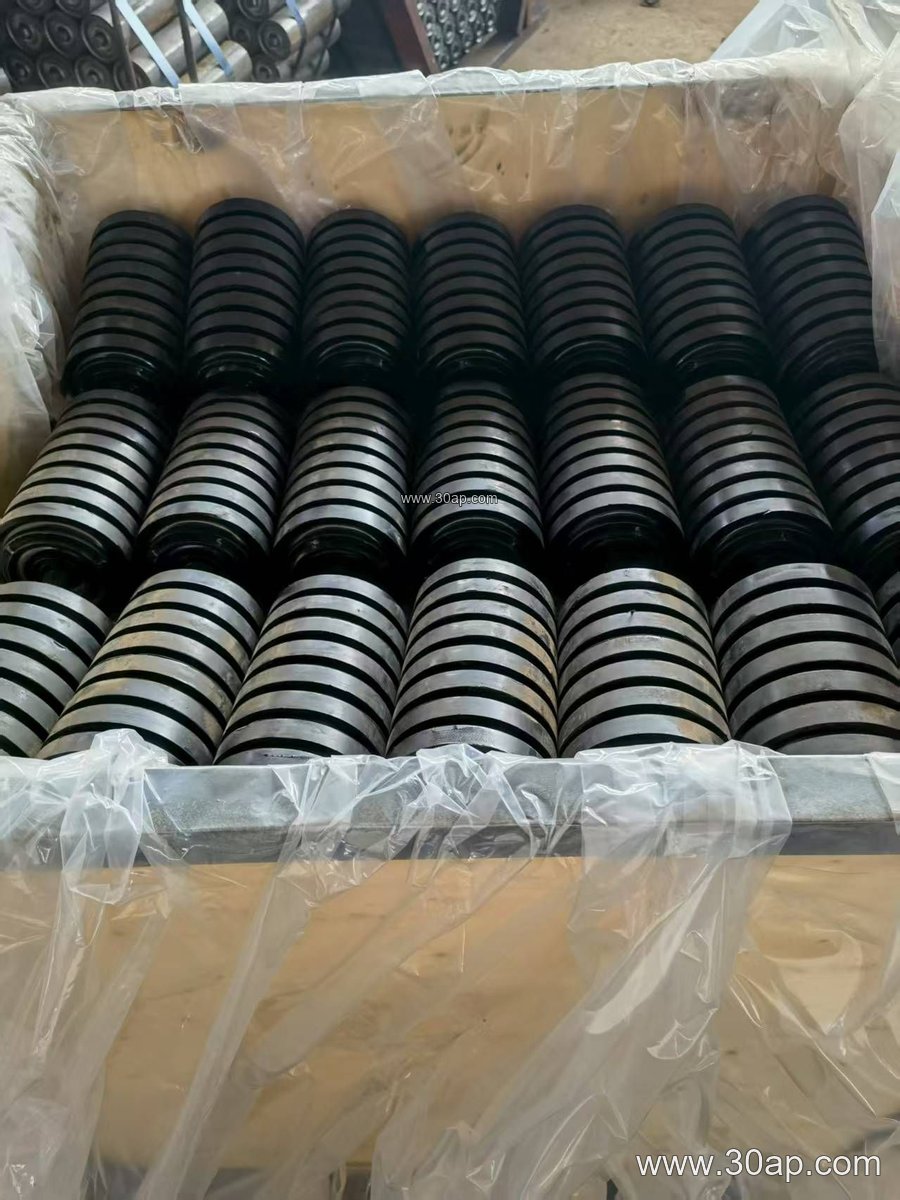
Most belt guide rollers share the basic anatomy of a conveyor idler: a cylindrical shell, a shaft, bearings, and a sealing arrangement. The shell is often made of steel tube, but for specific applications, nylon, ceramic, or rubber-covered surfaces may be used to improve wear resistance or grip. Bearings such as 6204, 6205, 6305, 6306, 6308, or 6310 are common, selected according to load and speed requirements. Seals are critical in dusty environments like coal mines, quarries, and cement plants, where fine particles can quickly destroy unprotected bearings. The guide roller may be a standalone unit or part of a larger self-aligning idler set, such as a friction self-aligning or tapered self-aligning roller. The design often includes a vertical pivot or angled mounting that allows the roller to swing and guide the belt.
Where Belt Guide Rollers Are Used
Belt guide rollers are found wherever long conveyors operate and belt tracking is a concern. In underground coal mining, they help keep the conveyor belt aligned in confined spaces where access for maintenance is limited. In a quarry or stone crushing plant, guide rollers combat misalignment caused by off-center loading from crushers or screens. Power plants handling coal and biomass rely on them to maintain belt alignment through transfer points and curves. Cement plants use them on clinker and raw material conveyors, while port facilities apply them on ship loading and unloading systems. The roller works alongside the conveyor pulley, conveyor bracket, and other idlers to ensure smooth operation.
Types and Configurations
Belt guide rollers are not a single fixed design. Common configurations include:
- Vertical guide rollers mounted at the belt edges to limit lateral movement.
- Angled guide rollers that contact the belt edge and steer it inward.
- Self-aligning idler sets that incorporate guide rollers and pivot to correct tracking automatically.
- Tapered self-aligning rollers that use a conical shape to generate a centering force.
These may be combined with standard troughing idlers, impact idlers, or return rollers. The choice depends on belt width, speed, load, and the severity of misalignment. For wider belts, such as 1200mm or 1400mm, heavier-duty guide roller assemblies are often needed. Narrower belts like 650mm or 800mm may use simpler guide roller brackets.
Specifications and Selection Factors
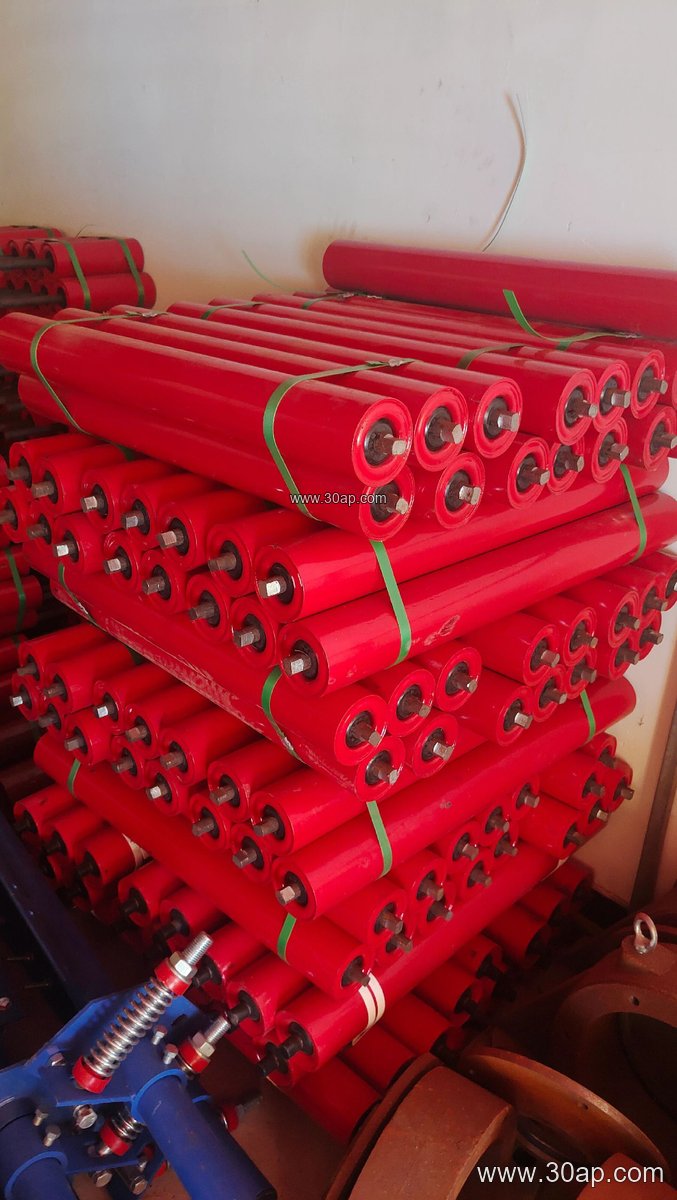
When selecting a belt guide roller, several parameters matter. Roller diameter is typically chosen to match the belt speed and load; common diameters include Ø89, Ø102, Ø108, Ø127, Ø133, and Ø159. The roller length must suit the belt width and the mounting position. Bearing size and seal type should match the environment—dusty, wet, or corrosive. The surface form (steel, rubber, nylon, ceramic) affects friction and wear life. For example, rubber-covered guide rollers can provide better grip without damaging the belt edge.
Below is a reference table of common belt widths and typical roller lengths for three-roll troughing sets. These are examples only; actual dimensions depend on the conveyor design and should be confirmed with the manufacturer.
| Belt Width | Typical Roller Length (three-roll set) |
|---|---|
| B500 | 200 mm |
| B650 | 250 mm |
| B800 | 315 mm |
| B1000 | 380 mm |
| B1200 | 465 mm |
| B1400 | 530 mm |
| B1600 | 600 mm |
| B1800 | 670 mm |
| B2000 | 750 mm |
Note that side rollers and center rollers can differ in length, and guide rollers may have their own specific dimensions. Always refer to the conveyor layout and idler manufacturer’s data.
Buying Advice
Before purchasing belt guide rollers, consider the belt width, speed, load, and environmental conditions. In coal mining, flame retardant and anti-static properties may be required for the entire conveyor system, including the belt and idlers. In food processing, food grade materials may be necessary. Check that the roller’s bearing and seal are suitable for the level of dust and moisture. Also, ensure that the guide roller mounting is compatible with your existing conveyor brackets. A well-chosen guide roller reduces belt edge damage, spillage, and downtime, extending the life of the conveyor belt and pulleys. For harsh applications like iron ore or copper ore handling, abrasion resistant rollers with thick shells and robust seals are advisable. Finally, regular inspection and lubrication (if applicable) will keep the guide rollers performing effectively. For more information on compatible conveyor components, visit our site at www.example.com/conveyor-idler.