What a Conveyor Bracket Does on the Line
In a quarry, a cement plant, or a power plant coal yard, the conveyor bracket is the quiet workhorse that holds every idler roller at the correct height and angle. It is the structural link between the conveyor frame and the rotating components that carry the conveyor belt. Without a properly built bracket, the belt would sag, mistrack, and wear out far too quickly. This article explains how these brackets are made, where they fit, and what to check before ordering.
Construction and Common Materials
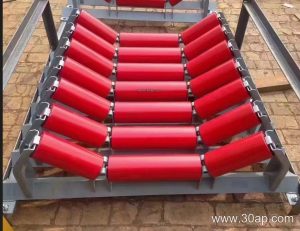
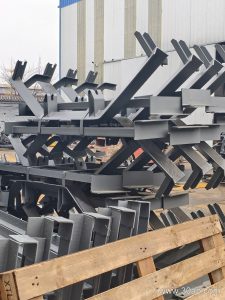
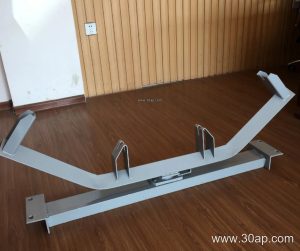
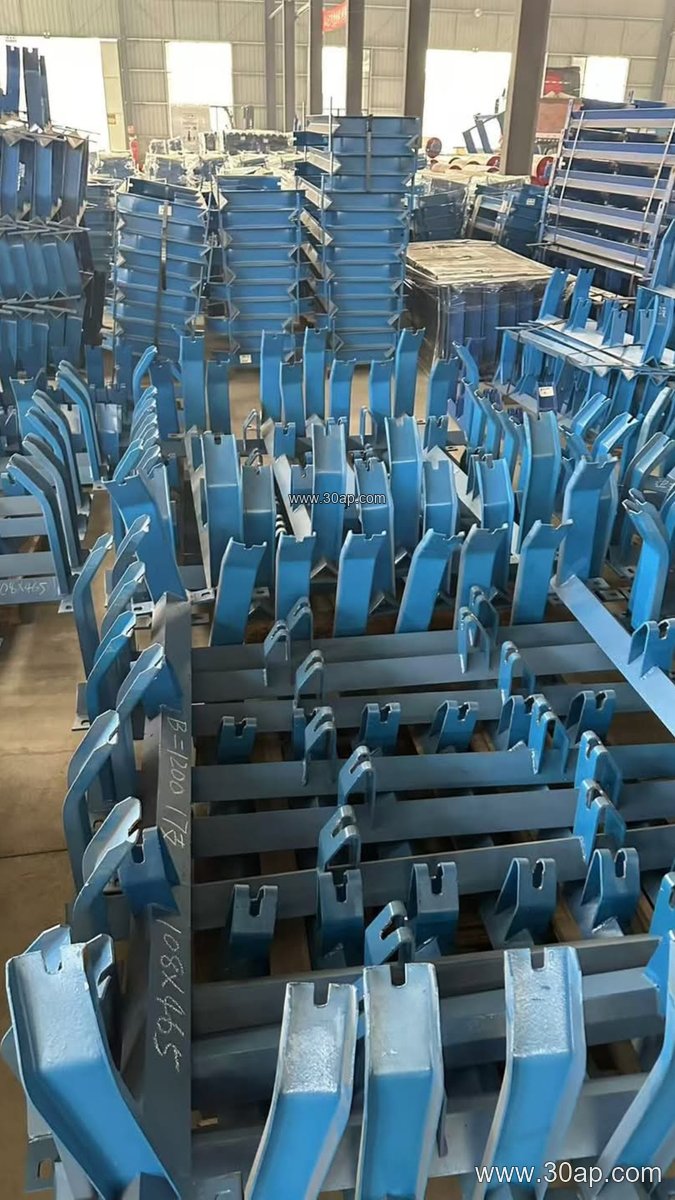
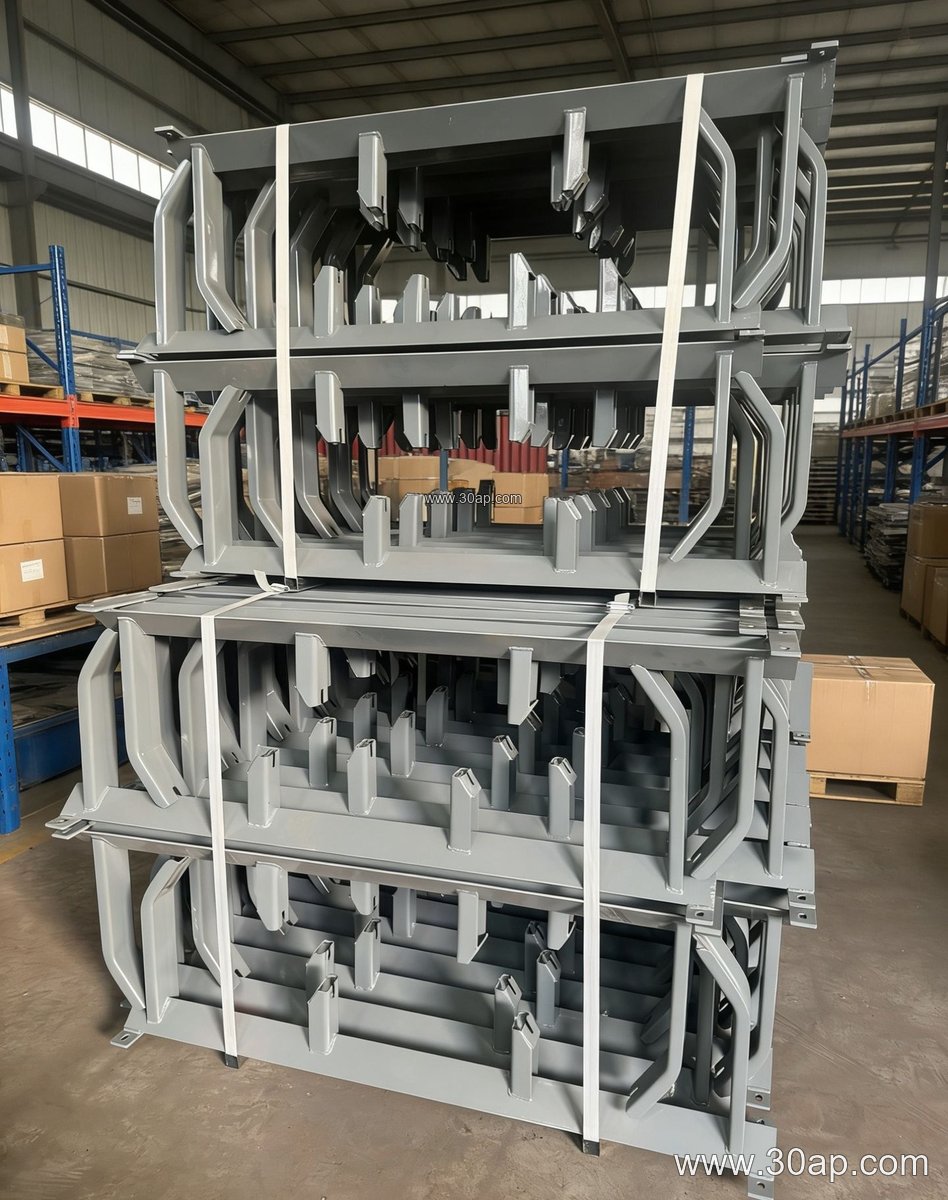
Most conveyor brackets are fabricated from angle steel, channel steel, or folded steel plate. The choice depends on the load and the environment. In a limestone mine or a crusher discharge area, heavier channel sections are often preferred to resist vibration and impact. The bracket is usually drilled or slotted to accept the idler roller shaft, and the slot pattern changes with belt width and trough angle. A typical bracket for a 800mm wide belt may use a 35-degree trough angle with Ø108 rollers, while a 1200mm belt in a coal mining conveyor line might call for a 45-degree trough and Ø133 rollers. These are reference combinations, not fixed rules; final dimensions are always confirmed by design.
Main Types and Where They Fit
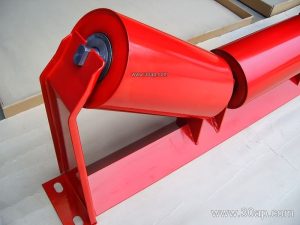
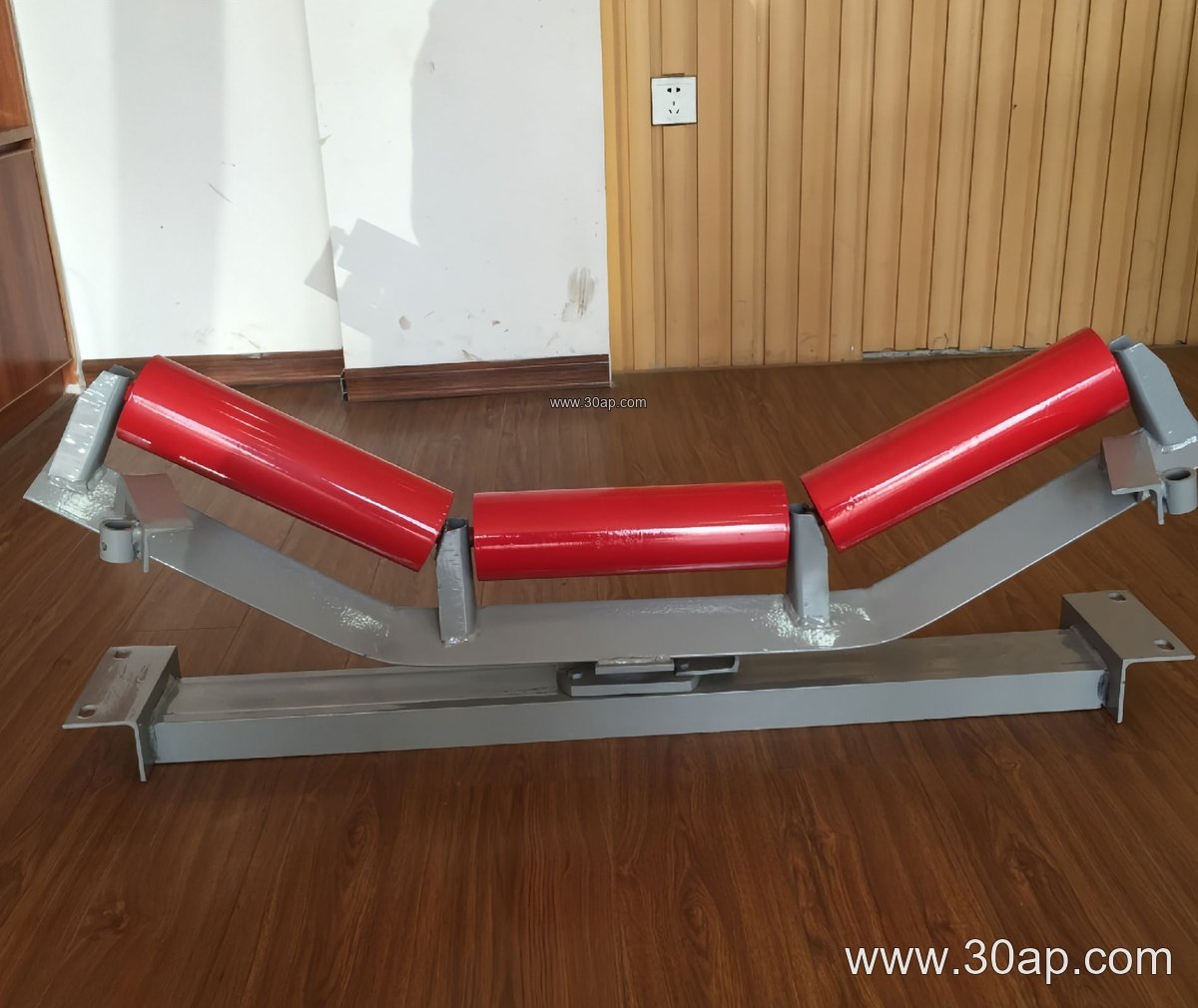
Brackets are not one-size-fits-all. The carrying side usually uses a trough bracket or a transition bracket near the tail pulley, while the return side relies on a flat return bracket or a V-return bracket. Impact zones under a crusher or transfer point often use a buffer bracket with rubber rings or cushions. Self-aligning and forward-leaning brackets help keep the belt centered on long overland runs. Adjustable brackets allow the trough angle to be changed between 20, 30, 35, and 45 degrees, which is useful when a plant handles different materials. Hanging brackets are common in confined spaces such as underground mining conveyor galleries.
Matching Brackets to Belt and Roller
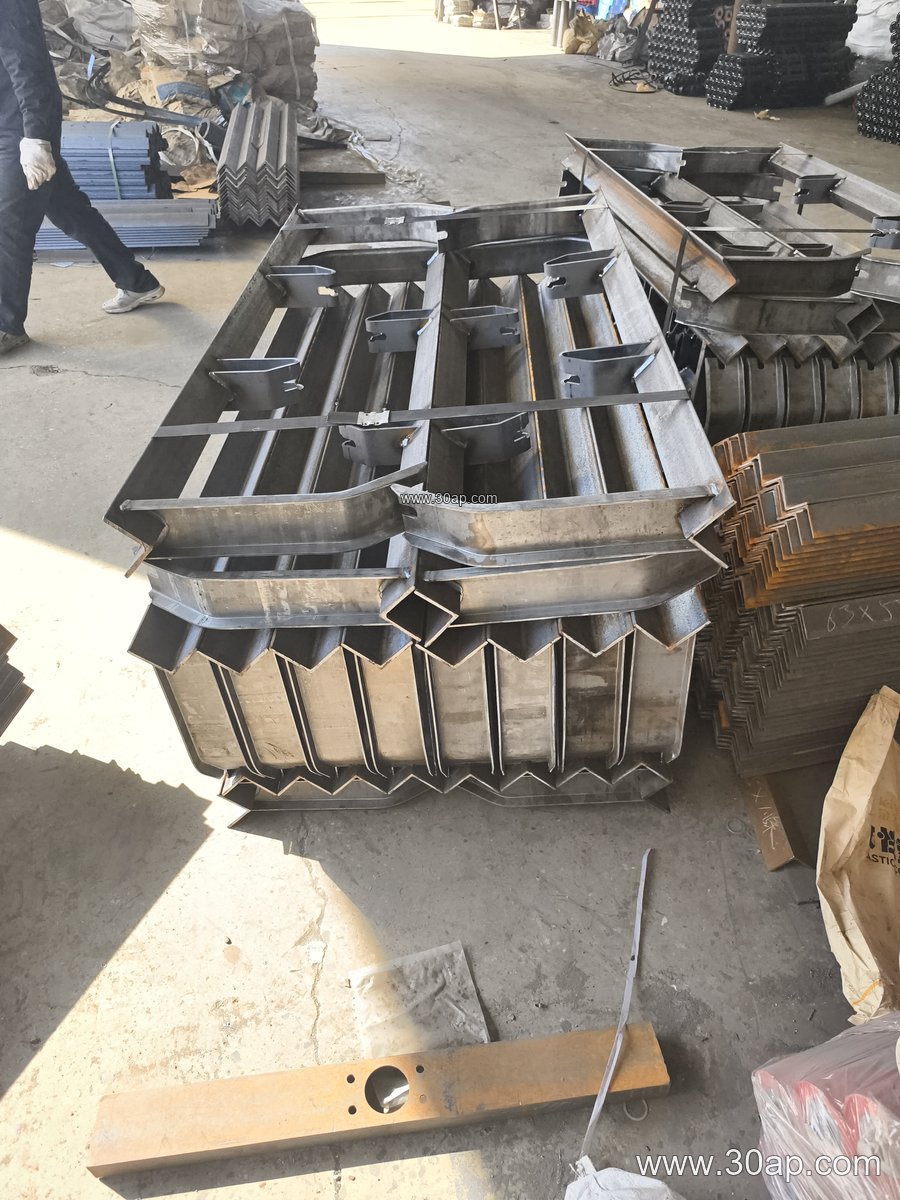
Belt width and roller diameter are the first two numbers a buyer should confirm. Common belt widths include B500, B650, B800, B1000, B1200, B1400, B1600, B1800, and B2000. Roller diameters typically range from Ø89 to Ø194. A 650mm belt with a 30-degree trough and Ø89 rollers is a common light-duty arrangement, while a 1400mm belt in an iron ore application may use Ø159 rollers and a 35-degree trough. Do not assume that one belt width only matches one roller diameter or one trough angle; the bracket design and the load calculation decide the pairing. The mounting hole spacing and crossbeam length are determined by belt width and trough angle, so they should never be treated as universal constants.
Buyer Checklist
- Confirm the belt width and the actual idler roller diameter before selecting a bracket.
- State the trough angle required for the material and the transition zone.
- Specify the material: angle steel, channel steel, or folded plate, and the surface treatment.
- Check whether the bracket is fixed, adjustable, or self-aligning.
- Verify the hole pattern against the roller shaft and frame dimensions.
- For corrosive or dusty plants, consider a coated or galvanized finish.
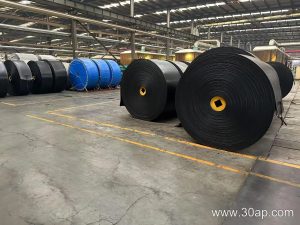
In a sand and gravel line or a fertilizer handling facility, a well-chosen conveyor bracket reduces downtime and keeps the belt tracking true. Whether the plant runs an EP conveyor belt, a steel cord conveyor belt, or a flame retardant conveyor belt, the bracket must be matched to the actual load and environment. For more information on compatible components, visit conveyor belt and conveyor pulley resources at www.beltconveyorparts.com. A bracket that fits the frame, the roller, and the belt is the foundation of reliable conveying.