What a Guide Idler Bracket Does on a Conveyor
A guide idler bracket is the support component that holds a guide or training idler in the correct position relative to the belt line. In practice, it is a steel mounting bracket that keeps the idler at the right height, angle and offset so the belt runs centered instead of wandering toward the frame. Maintenance teams in a quarry, a coal washing plant or a cement kiln line often treat this bracket as a small part, yet a loose or bent guide idler bracket can cause edge damage, spillage and short belt life.
The bracket works together with the conveyor belt, the idler roller and the surrounding conveyor bracket framework. It is not a pulley and does not drive or tension the belt. Its job is positioning and stability, especially at points where the belt is prone to misalignment.
How the Bracket Is Built
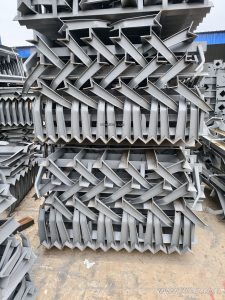
Most guide idler brackets are fabricated from angle steel, channel steel or folded steel plate. The material choice follows the load and the environment rather than a single universal rule. A dusty aggregate line may use a heavier folded plate design to resist buildup and bending, while a lighter bulk material conveyor may use an angle steel bracket.
Typical features include:
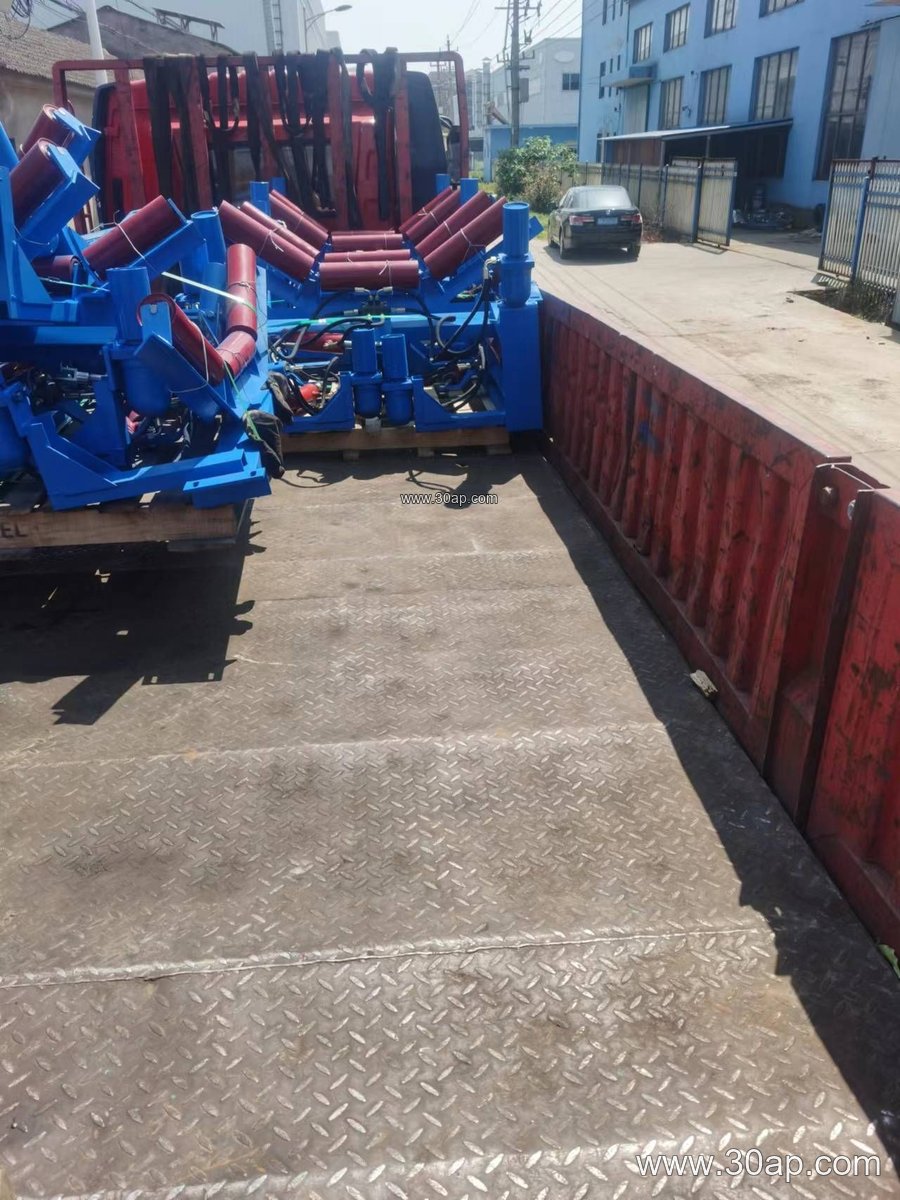
- Mounting slots or holes that allow small position adjustments during alignment.
- A formed seat or cradle that matches the idler shaft end.
- Reinforcing gussets where the bracket meets the main frame.
- Galvanized or painted finish for humid or outdoor service.
Because the bracket must fit the frame, the mounting hole spacing and crossbeam length usually follow the belt width, trough angle and idler diameter. These dimensions are normally confirmed against the actual conveyor design rather than assumed from belt width alone.
Where Guide Idler Brackets Are Used
These brackets appear wherever belt tracking needs help. Common locations include the feed point, the transition zone after a bend pulley, and long straight runs where wind or off-center loading pushes the belt sideways. In a power plant coal yard, a port ship loader or a limestone crushing circuit, a guide idler bracket is often paired with a self-aligning idler to correct small deviations before they become serious.
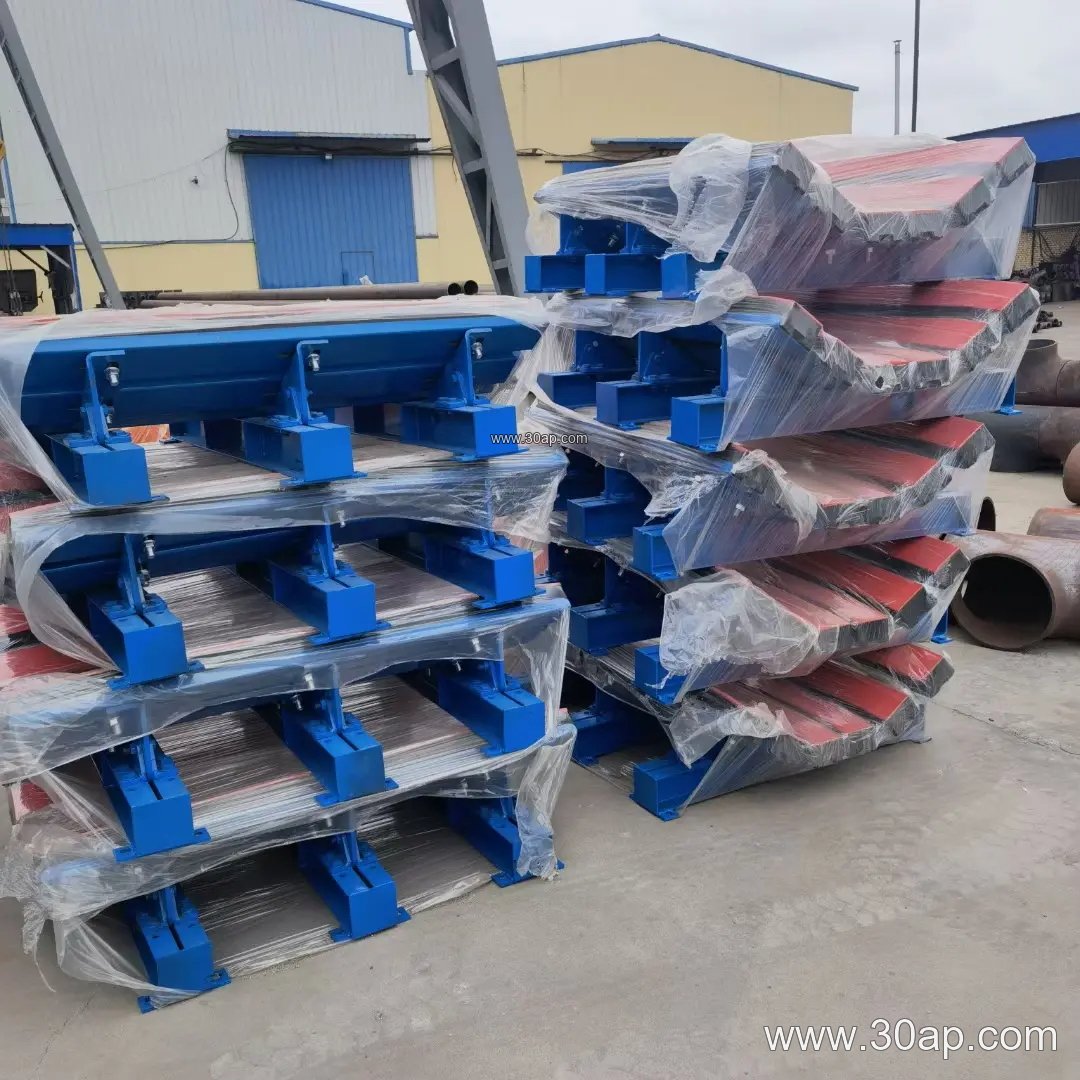
They are also used on the return side, where a V-return bracket or a flat return bracket may carry a guide roller. On a steel plant sinter line or a fertilizer handling system, the bracket helps hold the idler square to the belt path so the belt does not climb the frame.
Matching the Bracket to Belt Width, Trough Angle and Roller Diameter
Selection is a design exercise, not a fixed table. The bracket must suit the belt width, the trough angle and the roller diameter used on that conveyor. Common belt widths range from B500 and B650 up to B1800 and B2000, while trough angles are often 20, 30, 35 or 45 degrees. Roller diameters such as Ø89, Ø108, Ø133, Ø159 and Ø194 are common, but a given belt width does not lock the conveyor to one angle or one roller size.
The table below shows reference combinations only. Actual values should be confirmed by the conveyor designer.
| Belt width | Typical trough angle | Common roller diameter | Bracket note |
|---|---|---|---|
| B500 | 20 to 30 degrees | Ø89 | Light frame, compact mounting |
| B650 | 30 degrees | Ø89 to Ø108 | Adjustable slot often useful |
| B800 | 30 to 35 degrees | Ø108 | Standard quarry and aggregate size |
| B1000 | 35 degrees | Ø108 to Ø133 | Reinforced seat for heavier load |
| B1200 | 35 to 45 degrees | Ø133 | Check crossbeam length |
| B1400 | 35 to 45 degrees | Ø133 to Ø159 | Heavy-duty frame preferred |
| B1600 | 35 to 45 degrees | Ø159 | Confirm hole spacing on site |
| B1800 | 35 to 45 degrees | Ø159 to Ø194 | Large frame, careful alignment |
| B2000 | 35 to 45 degrees | Ø194 | Custom mounting often required |
For a conveyor carrying an EP conveyor belt or a steel cord conveyor belt, the bracket still follows the same logic: match the idler position to the belt path. The belt type affects load and tracking behavior, but it does not replace the need for correct bracket geometry.
Fixed and Adjustable Versions
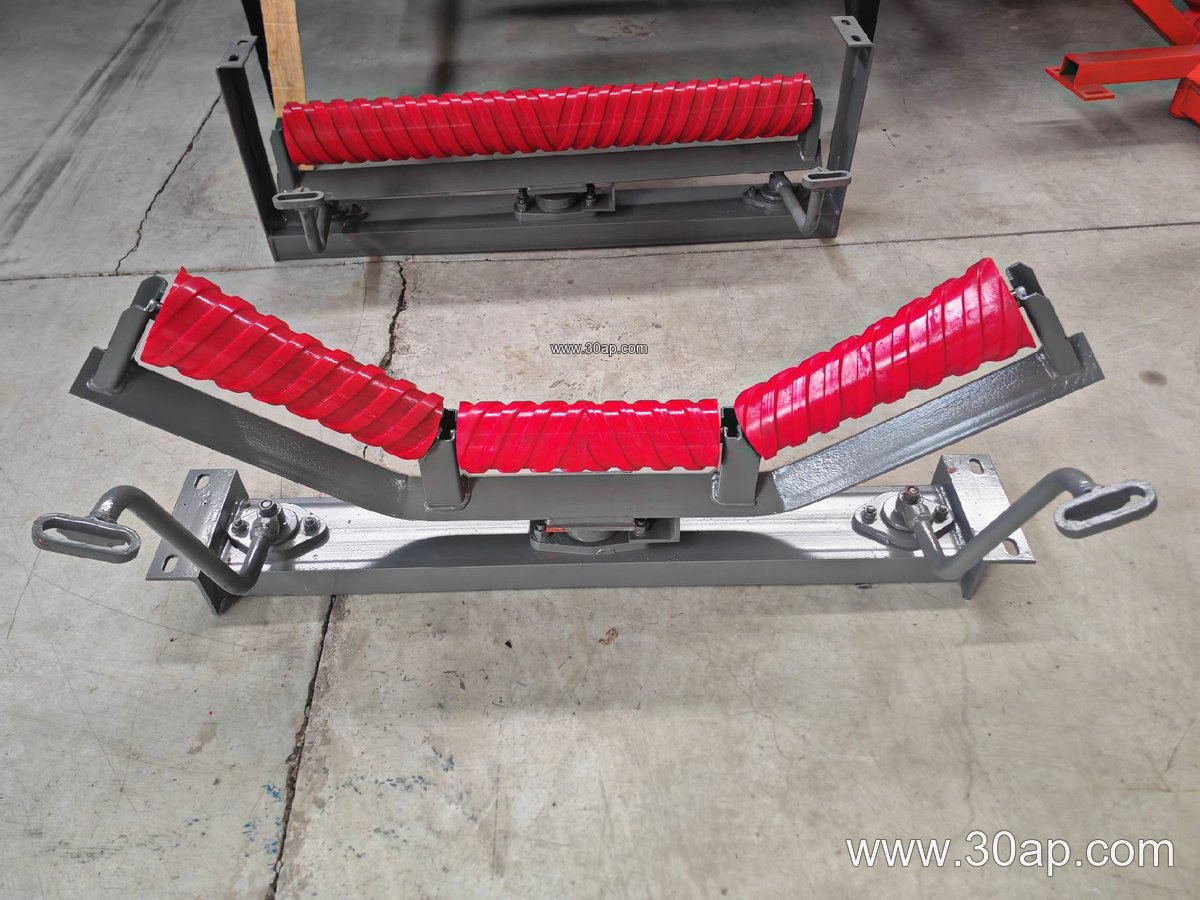
A fixed guide idler bracket holds the idler at a set angle and height. It is simple and rigid, which suits a conveyor that has already been aligned and runs steadily. An adjustable bracket allows the operator to change the idler position or trough angle within a range, which helps during commissioning or when the belt load changes seasonally.
Adjustable designs are useful on a conveyor that handles a mix of products, such as a crushing and screening line that switches between fine aggregate and coarser rock. Fixed designs are often preferred where vibration is high and settings should not drift.
Buyer Checklist
Before ordering a guide idler bracket, confirm the frame drawing, the belt width, the idler diameter, the required trough angle and the mounting hole pattern. Ask whether the bracket is fixed or adjustable, and check the steel thickness and finish for the site conditions. For a dusty coal mining conveyor or a wet port conveyor, specify a finish that resists corrosion. Also confirm that the bracket will accept the selected idler roller without shimming.
Good tracking starts with small parts that fit properly. A well-matched guide idler bracket keeps the idler square, protects the conveyor belt edge and reduces the maintenance load on the whole conveyor bracket system.