What a Coal Mining Conveyor Belt Is
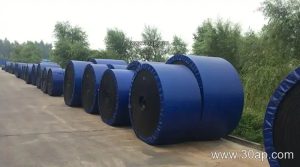
A coal mining conveyor belt is the load-carrying element in a continuous haulage system that moves raw coal, washed coal, and associated rock from the face, stockpile, or transfer point to preparation plants, silos, or loading stations. In practice it is a heavy-duty rubber belt built around a tension-bearing carcass, covered on both faces with rubber compounds selected for the duty. Buyers often describe the same product as a coal conveyor belt or a mining conveyor belt, and those terms point to the same family of heavy-duty belting.
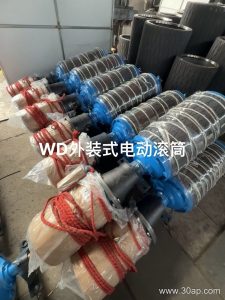
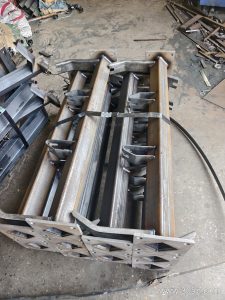
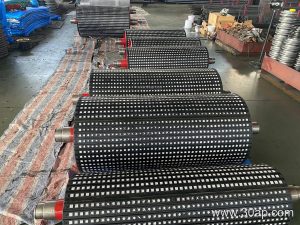
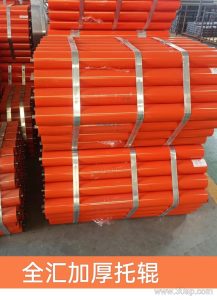
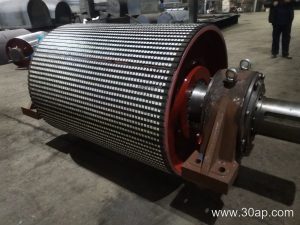
The belt works together with idler rollers that support the carrying run, a conveyor pulley at the drive and tail positions, and conveyor brackets that hold the structure together. Each of these parts has its own job and its own sizing logic; the belt is not a substitute for any of them.
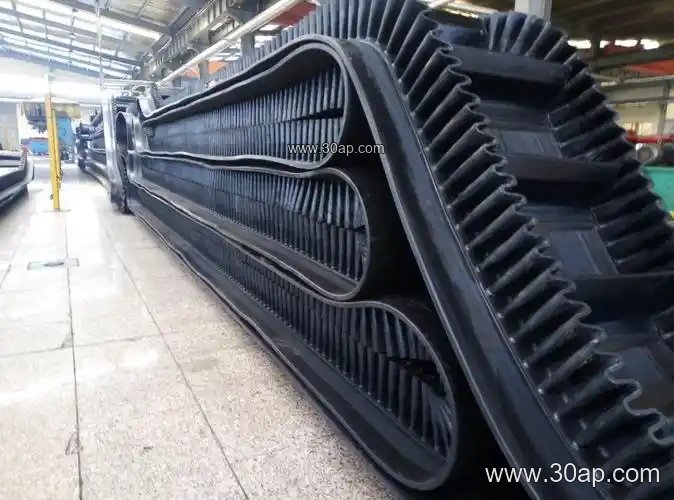
Construction and Carcass Options
The carcass decides tensile strength and troughability, while the cover compounds decide resistance to abrasion, impact, moisture, and in some cases flame spread. Common constructions include:
- EP conveyor belt — polyester and nylon fabric plies, widely used in main haulage and plant conveyors.
- NN conveyor belt — all-nylon fabric core, with good flexibility and impact absorption.
- Steel cord conveyor belt — steel cords embedded in rubber for long distances and high tonnage.
- PVC and PVG conveyor belt — solid-woven or fabric-reinforced constructions common in underground roadways where flame resistance matters.
Cover grades may be abrasion resistant, flame retardant, fire resistant, anti-static, oil resistant, or heat resistant depending on the coal, the dust load, and the ambient conditions. Underground coal mining conveyor belt specifications are usually written around flame retardant and anti-static performance, so the cover grade should be confirmed before ordering.
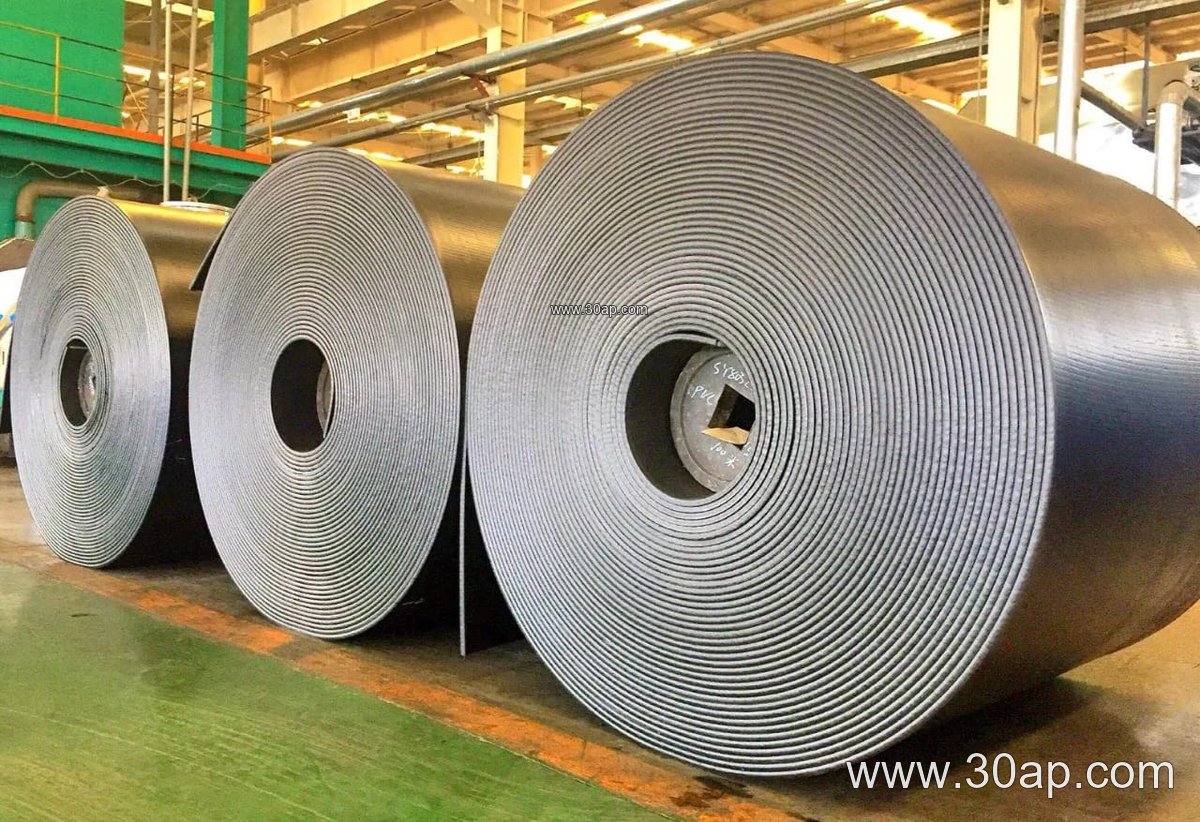
Typical Parameters at a Glance
The values below are common reference ranges, not fixed rules. Final figures come from the conveyor design, the material being carried, and the manufacturer’s data.
| Parameter | Common reference |
|---|---|
| Belt width | B500, B650, B800, B1000, B1200, B1400, B1600, B1800, B2000 |
| Fabric strength grades | EP200, EP315, EP400, EP500, EP630, EP800, EP1000, EP1250, EP1600, EP2000 |
| Carcass plies | Usually 2 to 6 plies |
| Cover thickness | 3+1.5, 4+2, 5+2, 6+2, 8+3 mm |
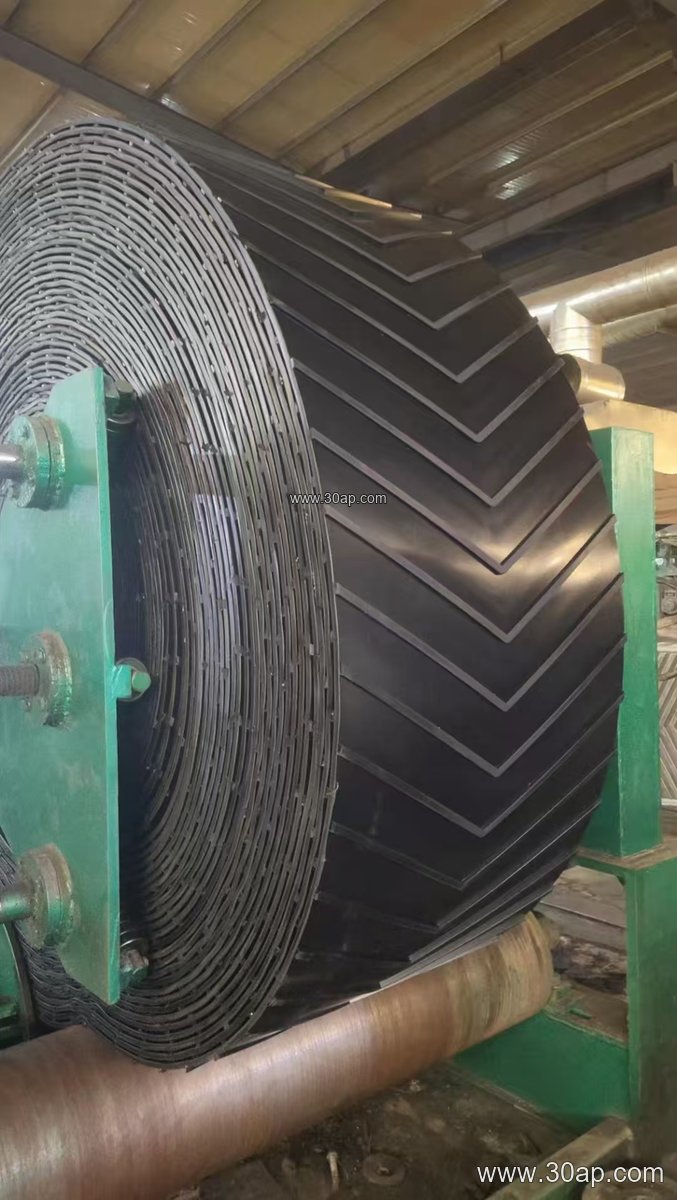
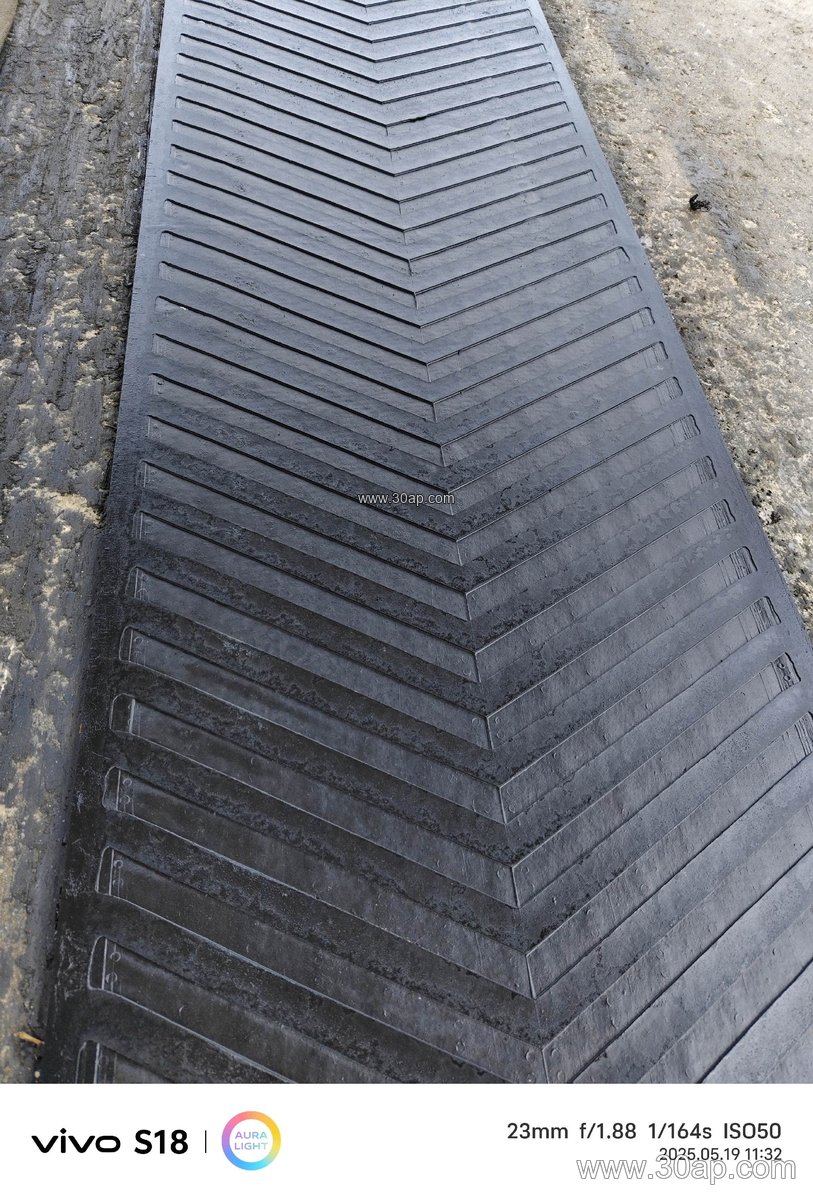
| Surface forms | Plain, chevron, corrugated sidewall, skirted |
Do not assume that a given belt width pairs with one pulley diameter or one shaft size. Those are separate design decisions based on torque, wrap angle, and structure.
Where It Is Used
Coal handling is only one setting. The same heavy-duty belting family also appears in cement plants, power plant coal yards, quarries, sand and aggregate lines, iron ore and copper ore operations, ports, and ship loading. A quarry conveyor belt or crusher conveyor belt may use a heavy abrasion resistant cover, while a power plant conveyor belt often combines abrasion resistance with flame retardant properties. Coal conveyors that are exposed to weather may also need cold resistant or heat resistant grades, and dusty tunnels call for anti-static construction.
Selection Notes for Buyers
Match the belt to the duty
Start with tonnage, lump size, incline, and the distance between the head and tail. Long, high-lift routes tend to favor steel cord or high-strength EP construction, while short transfer belts in a coal preparation plant may run comfortably on multi-ply fabric core belting. Where the route includes curves or steep sections, a pipe conveyor belt or a corrugated sidewall belt can solve problems that a flat belt cannot.
Check the whole conveyor, not just the belt
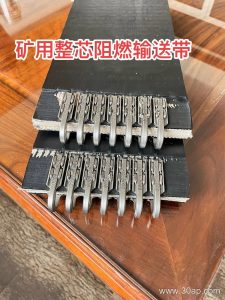
Inspect the idler roller condition, pulley lagging, and bracket alignment before blaming the belt for tracking faults. Worn rollers and misaligned brackets cause edge damage and shorten belt life on any coal mining conveyor belt installation. Belt width, cover thickness, and splice method should be recorded so that replacement sections match the existing system.
Ask for traceable data
Request the carcass grade, ply count, cover thickness, and cover grade in writing, and confirm whether the belt is endless or open-ended. For underground work, specify flame retardant and anti-static requirements clearly. Keep spare belting and fasteners in the same specification as the working belt to avoid mismatched splices.
Maintenance Practice
Regular inspection of the carrying surface, edges, and splices catches most problems early. Clean material build-up from pulleys and rollers, check that skirt rubber is not pressing into the belt, and verify that the belt runs centered on the structure. Recording cover wear and splice condition over time gives a far better picture of remaining life than a single visual check.