What a Self-Aligning Idler Bracket Does
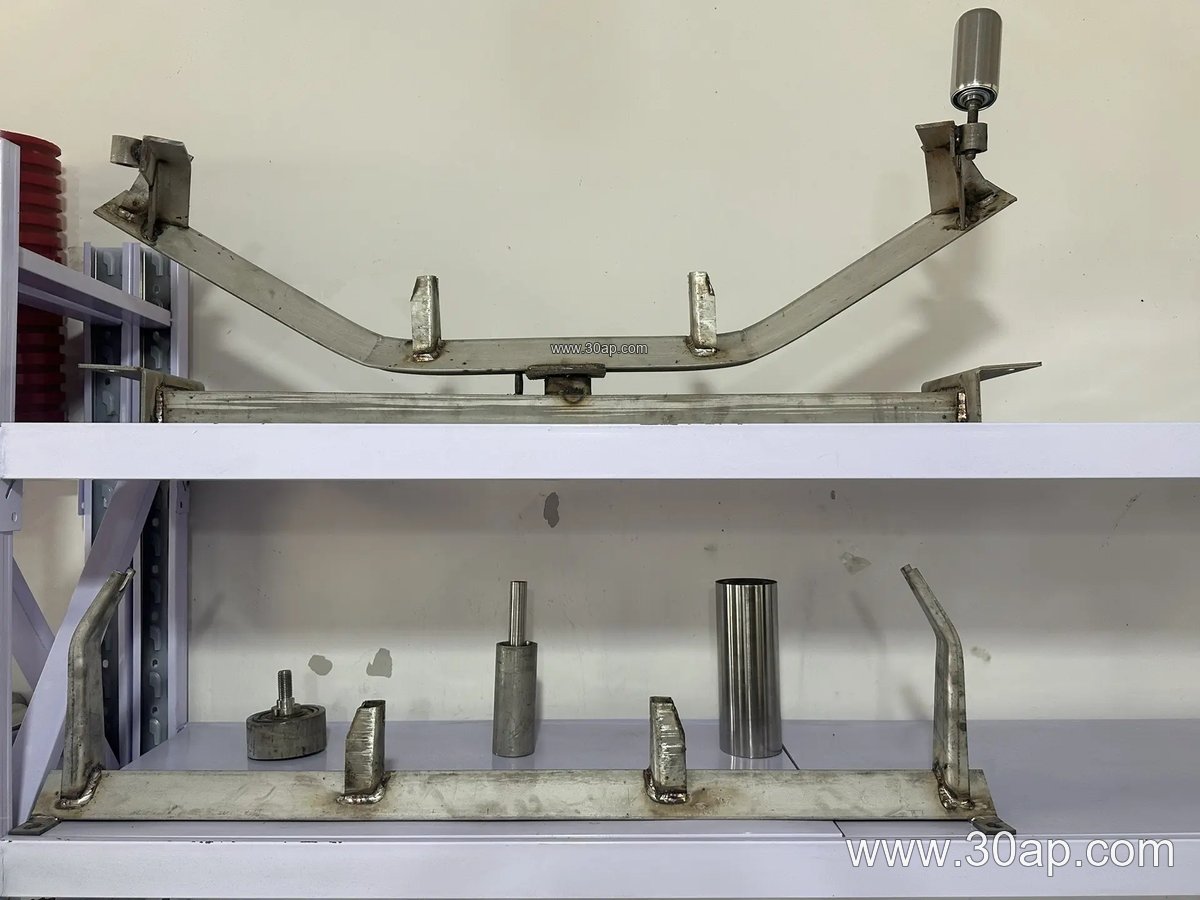
A self-aligning idler bracket, also called a self-tracking idler bracket or training idler bracket, is a mounting component that holds conveyor idler rollers and automatically corrects belt misalignment. Unlike fixed brackets, it pivots or swivels in response to the belt wandering off-center, steering the idler roller to guide the conveyor belt back to its proper path. This makes it a key part of the tracking system on bulk material conveyors in industries such as coal mining, cement plants, power plant coal handling, and quarry operations.
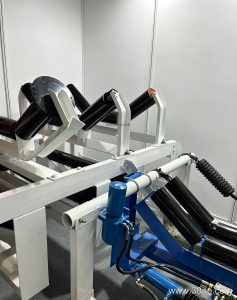
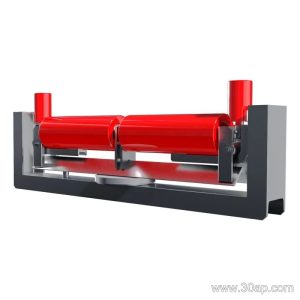
The bracket works on a simple principle: when the belt drifts to one side, it contacts a vertical guide roller or edge sensor, which turns the bracket assembly. The angled idler roller then exerts a sideways force on the belt, pushing it back toward the center. Because the correction is automatic, operators spend less time on manual adjustments and reduce the risk of belt edge damage, spillage, and downtime.
Construction and Key Components
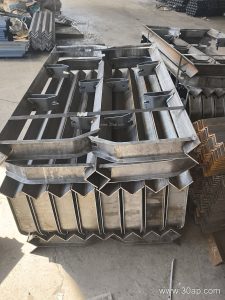
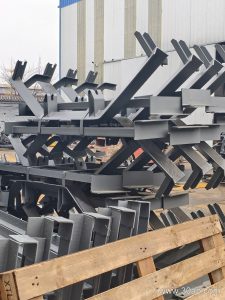
A typical self-aligning idler bracket is built from formed steel—often angle steel, channel steel, or bent steel plate—for strength and rigidity. The assembly usually includes:
- A pivoting frame that rotates around a central vertical shaft or bearing.
- Mounting slots or holes for attaching the idler roller(s).
- Guide rollers or a sensing arm that detects belt edge position.
- A locking mechanism or friction device to prevent over-correction.
The bracket is designed to accept standard idler rollers with diameters such as Ø89, Ø108, Ø133, Ø159, or Ø194 mm. The trough angle can be fixed at 20°, 30°, 35°, or 45°, or the bracket may be adjustable within a range to suit different belt loading conditions. For transition zones, a self-aligning bracket with a smaller trough angle may be used to avoid stressing the belt.
Where It Fits on the Conveyor
Self-aligning idler brackets are usually installed on the carrying side (top) of the conveyor, often after the loading point or in long straight sections where misalignment is likely. They can also be used on the return side with V-type or flat return idlers. In a coal mining conveyor or a cement plant, these brackets help maintain belt tracking through curves, transitions, and areas prone to uneven loading.
They are not a substitute for drive pulleys, tail pulleys, or bend pulleys; those components serve different functions. Instead, the self-aligning bracket works together with the conveyor belt, idler rollers, and conveyor pulleys to keep the system running smoothly. Proper alignment from the start—correct pulley installation and belt splicing—reduces the workload on the self-aligning brackets.
Selection and Sizing Considerations
Choosing the right self-aligning idler bracket depends on belt width, idler roller diameter, trough angle, and the operating environment. Common belt widths include B500, B650, B800, B1000, B1200, B1400, B1600, B1800, B2000, B2200 mm. The bracket’s mounting hole spacing and crossbeam length are determined by the belt width and trough angle, so these should be confirmed with the conveyor design.
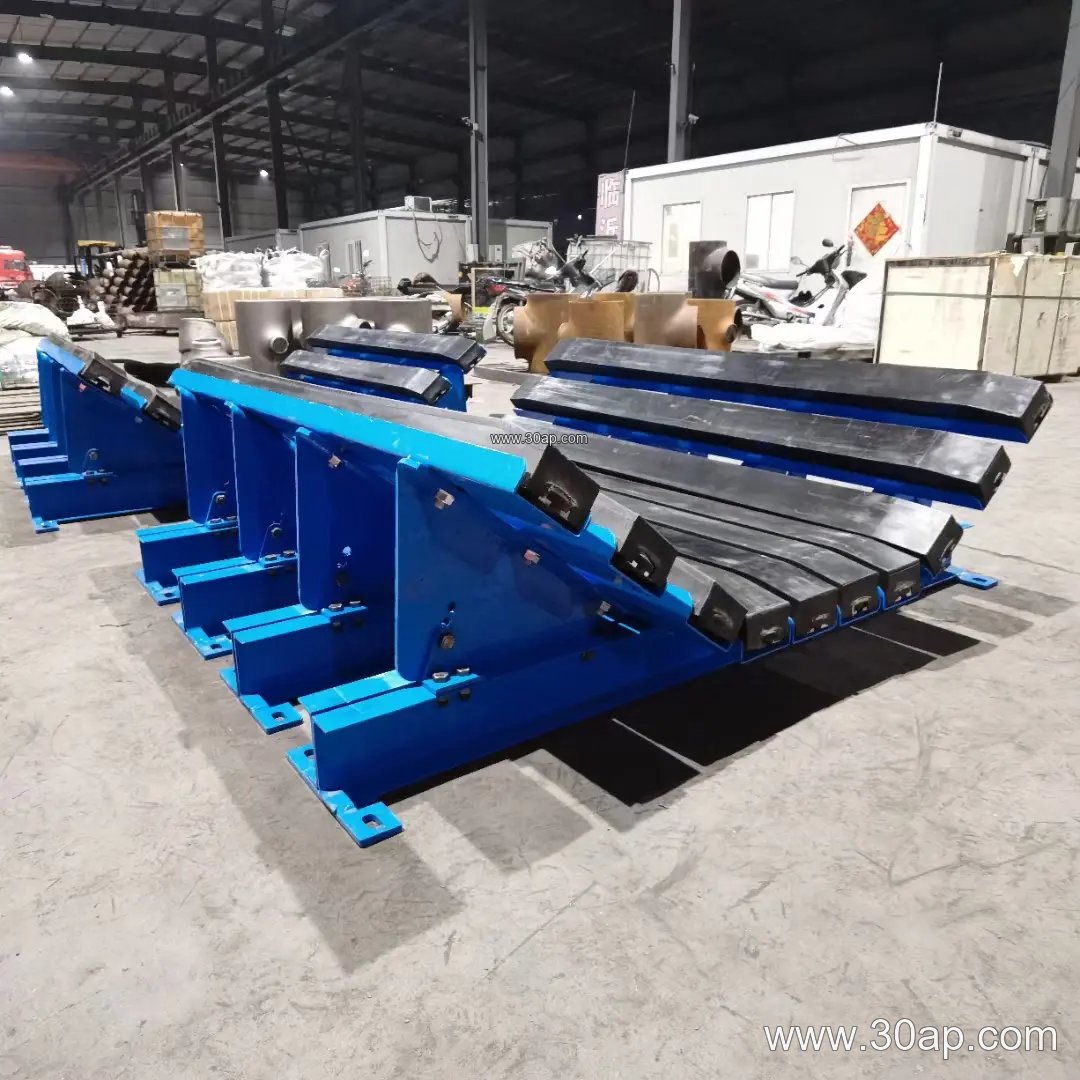
For example, a B800 belt with a 35° trough and Ø108 idler rollers is a typical combination in aggregate and cement applications. A B1200 belt with 45° trough and Ø133 rollers might be found in a power plant coal handling system. A B650 belt with 30° trough and Ø89 rollers could suit a smaller quarry line. These are examples only—the actual selection should match the conveyor’s load, speed, and material characteristics.
Material and environmental factors also matter. In dusty or wet conditions, sealed bearings and corrosion-resistant finishes extend bracket life. In coal mining, flame retardant and anti-static properties may be required for the conveyor belt, and the bracket should be compatible with the belt’s tracking needs. For high-abrasion materials like iron ore or limestone, heavy-duty brackets with reinforced pivots are advisable.
Maintenance and Buyer Checklist
Regular inspection of self-aligning idler brackets helps prevent tracking problems. Check pivot points for wear, ensure guide rollers turn freely, and verify that the bracket returns to center after deflection. Lubricate bearings according to the manufacturer’s schedule, and replace worn idler rollers promptly—a seized roller can defeat the self-aligning action.
When purchasing, ask for the bracket’s compatible belt width range, idler diameter, trough angle options, and mounting dimensions. Confirm the steel thickness and finish, and whether the design includes adjustable trough angles. Also consider the availability of spare parts such as guide rollers and pivot bearings. A well-chosen self-aligning idler bracket reduces maintenance and keeps your conveyor belt centered, whether you operate in a sand and gravel plant, a fertilizer facility, or a tunnel spoil handling system.