What Is a Steel Cord Conveyor Belt
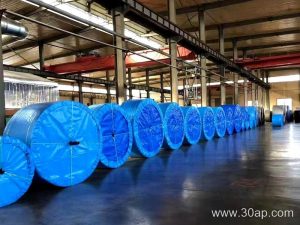
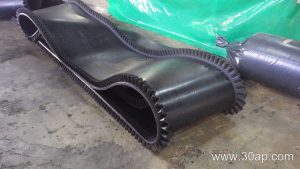
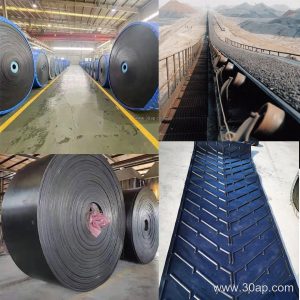
A Steel Cord Conveyor Belt is a heavy-duty conveyor belt whose tension-bearing skeleton is made of parallel steel cords embedded in rubber. Unlike fabric-reinforced belts, the cords run longitudinally and carry very high tensile loads with minimal elongation, making this belt a common choice for long-distance, high-capacity conveying in mines, coal preparation plants, cement works, power stations, ports and aggregate yards. In many projects it is specified alongside conventional fabric belts such as EP Conveyor Belt or NN types, but the steel cord design is selected when the duty demands higher strength and lower stretch.
Construction and Key Components
The belt is built around a single layer of high-tensile steel cords, usually brass-plated to bond with the core rubber. A thin core compound surrounds the cords, and top and bottom cover rubber protect the carcass from abrasion, impact and environmental attack. The belt edges are sealed to prevent cord exposure and moisture ingress. Cover thickness is often expressed as top plus bottom, for example 6+2 mm or 8+3 mm, while the cord pitch and cord diameter are set by the belt strength class. A typical structure includes:
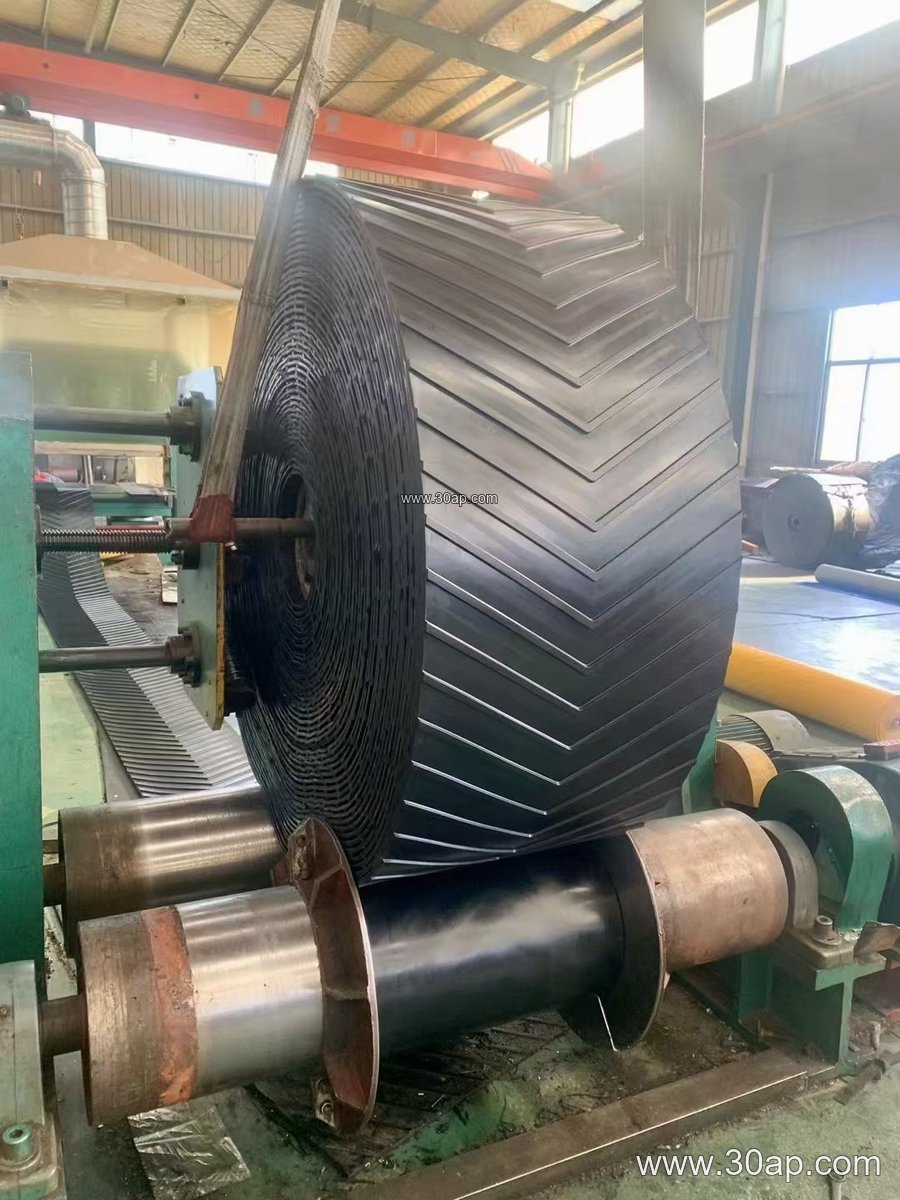
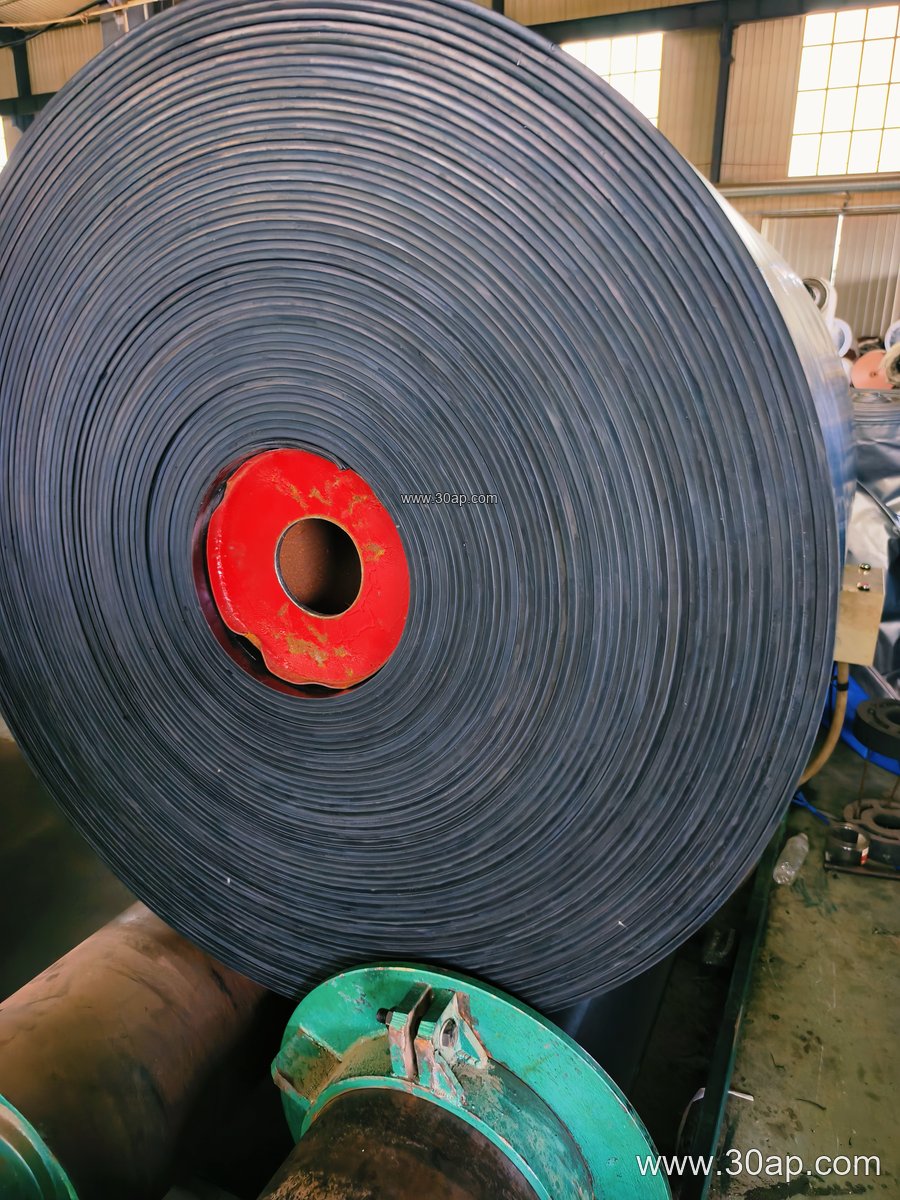
- Steel cord carcass as the tensile member
- Core rubber for cord bonding and cushioning
- Abrasion resistant cover rubber, with heat, oil or flame retardant options where needed
- Edge protection and, in some designs, transverse reinforcement for impact zones
Because the cords are the load path, correct splicing is critical. Field joints are usually made by stepping and vulcanizing the cords, and the splice quality directly affects belt life on the conveyor.
Strength Classes and Common Dimensions
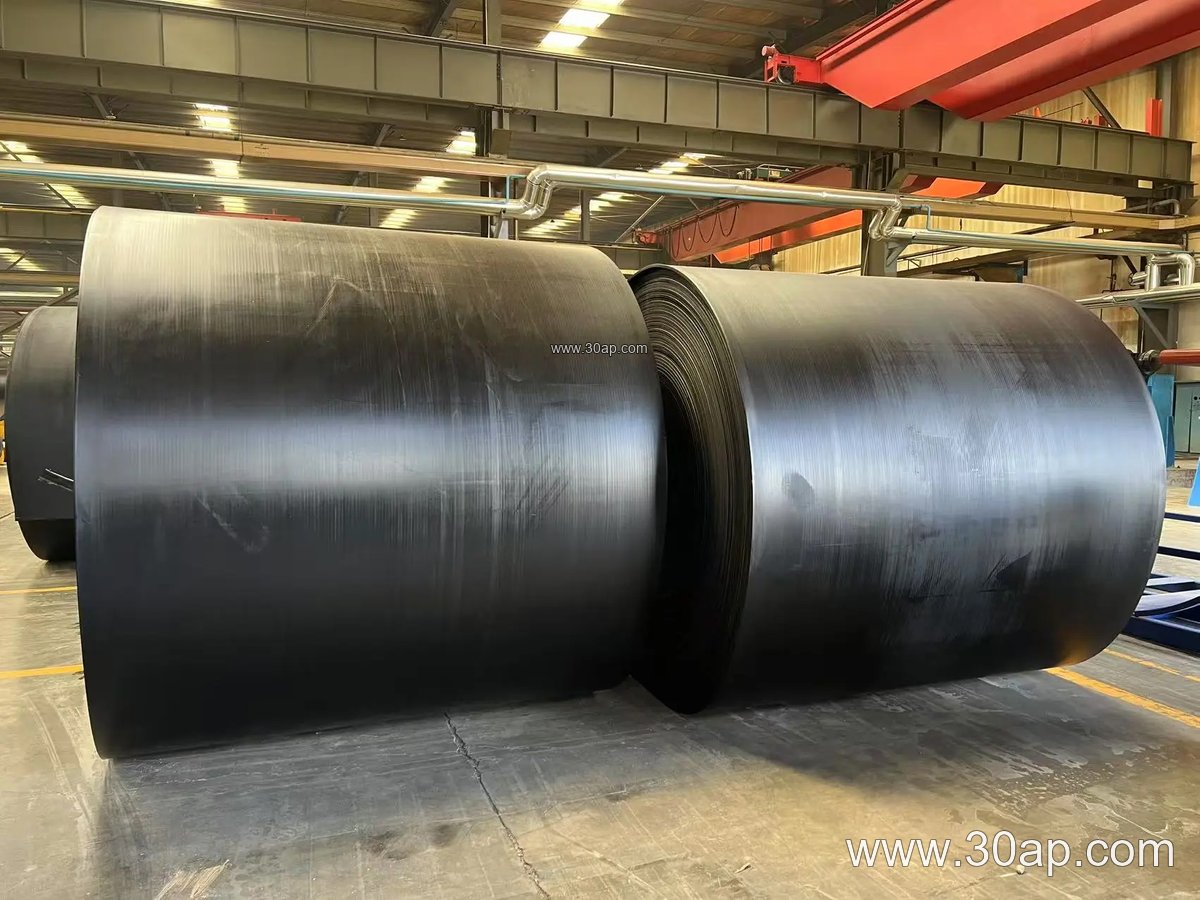
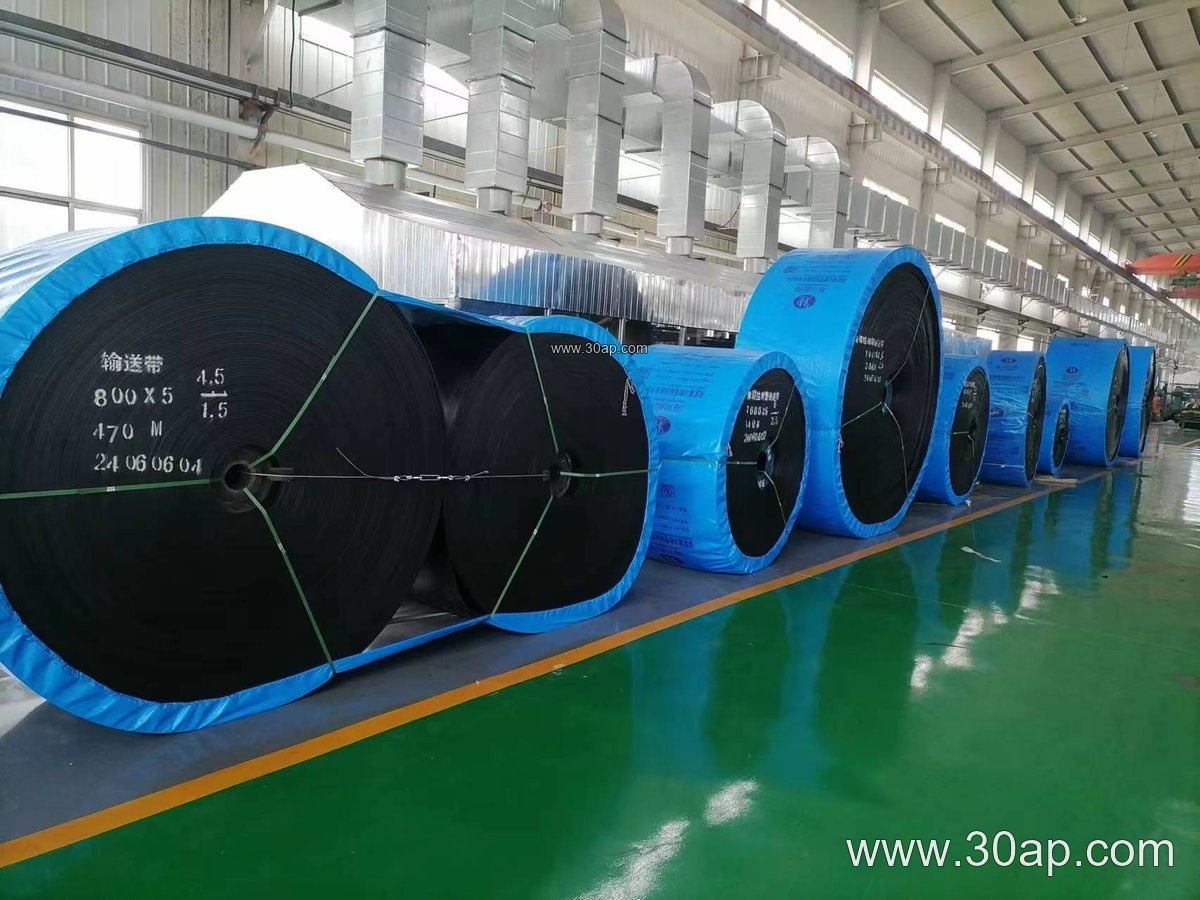
Steel cord belts are identified by nominal strength, often written as ST followed by a number, such as ST1000, ST1600, ST2000 or ST2500. These figures are reference classes, not a promise that every manufacturer supplies every value. Belt width is matched to the conveyor design and material lump size; common widths run from around 800 mm to 2000 mm and beyond. The table below lists typical reference ranges only.
Reference Data
| Property | Typical Reference Range |
|---|---|
| Strength class | ST1000, ST1250, ST1600, ST2000, ST2500, ST3150 |
| Belt width | 800 mm to 2000 mm and wider by design |
| Cover thickness | 6+2 mm, 8+3 mm, or as specified |
| Cover grade | Abrasion resistant, heat resistant, flame retardant, oil resistant |
These values are for orientation. Actual cord construction, cover grade and width should follow the conveyor design and the supplier’s data sheet.
Where It Is Used
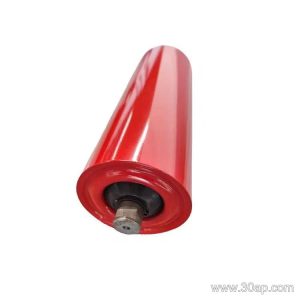
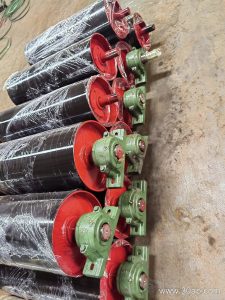
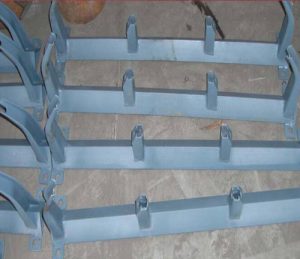
The belt is common in Mining Conveyor Belt duties, especially in iron ore, copper ore and coal mining operations where high tonnage and long runs are normal. In coal mines, flame retardant and anti-static grades are often required for underground use, and the belt may be specified as an Underground Coal Mining Conveyor Belt variant. Cement plants use it on clinker and raw material lines; power plants use it for coal handling; ports and ship loading terminals use it on long jetty conveyors. Quarries and aggregate plants apply it where sharp rock and high impact demand a robust carcass, and the belt frequently works together with idler rollers, conveyor pulleys and conveyor brackets that must be rated for the same duty.
Selection and Application Notes
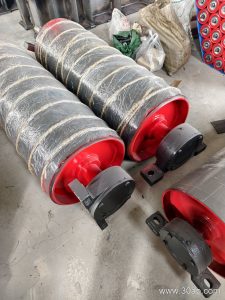
Buyers should start from the conveyor’s required tensile load, belt speed, material lump size and environmental conditions rather than from a single strength number. A belt that is too stiff for small pulleys can shorten splice life, while an underspecified belt may stretch or fail under starting loads. The drive pulley, tail pulley and bend pulleys each have a minimum diameter recommendation from the belt maker, and these are not interchangeable terms; the drive pulley transmits power, the tail pulley turns the return end, and bend pulleys route the belt. Belt width should not be used alone to fix shaft diameter. For abrasive or hot materials, compare cover grades such as abrasion resistant or heat resistant compounds, and for oily cargo consider an oil resistant cover. In cold climates a cold resistant grade may be relevant. Where fine dust is present, anti-static properties help safety.
Maintenance and Handling
Steel cord belts are heavy and stiff, so installation, storage and splicing need care. Avoid sharp bends, keep the belt dry before splicing, and check idler alignment and pulley condition regularly. A tracking problem that is ignored can damage the edges and expose the cords, which is costly to repair. Routine inspection of the splice, cover wear and edge condition is more effective than waiting for a failure. With correct selection and maintenance, a Steel Cord Conveyor Belt can serve long conveying lines in demanding bulk material industries.