What a Long-Distance Conveyor Idler Does
On a long overland or plant-to-plant conveyor, the idler is not a minor accessory. A long-distance conveyor idler carries the belt and the material over kilometres of route, and every roller that turns poorly adds drag, heat, and wear. In a quarry, a cement plant, or a power plant coal yard, the difference between a smooth-running line and a troublesome one often comes down to how well these rollers are matched to the belt, the load, and the environment. The same hardware is sometimes called a conveyor roller or idler roller, but it remains the same product category: the rotating support under the belt.
Construction and Common Configurations
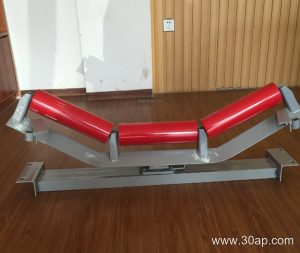
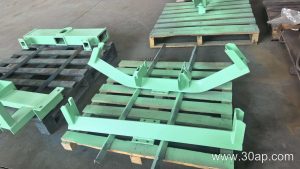
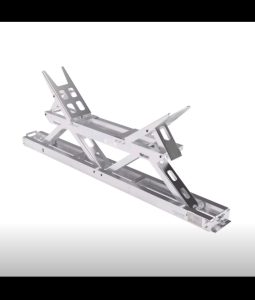
A typical long-distance conveyor idler uses a steel tube shell, bearing housings, a shaft, and a sealing arrangement. The shell may be plain steel, nylon-coated, ceramic-lined, or fitted with rubber rings for impact zones. Bearing sizes are selected by load and speed rather than by belt width alone; common bearings include 6204, 6205, 6305, 6306, 6308, and 6310. On the carrying side, three-roll troughing sets are common, with trough angles of 20, 30, 35, or 45 degrees. Transition idlers and training idlers may appear where the belt changes angle or tends to wander. On the return side, flat or V-return rollers support the empty belt. A conveyor bracket and the conveyor pulley at each end complete the support system, but they are separate components with their own design rules. Drive, tail, and bend pulleys are not interchangeable with idlers, and one should not be used as a substitute for another.
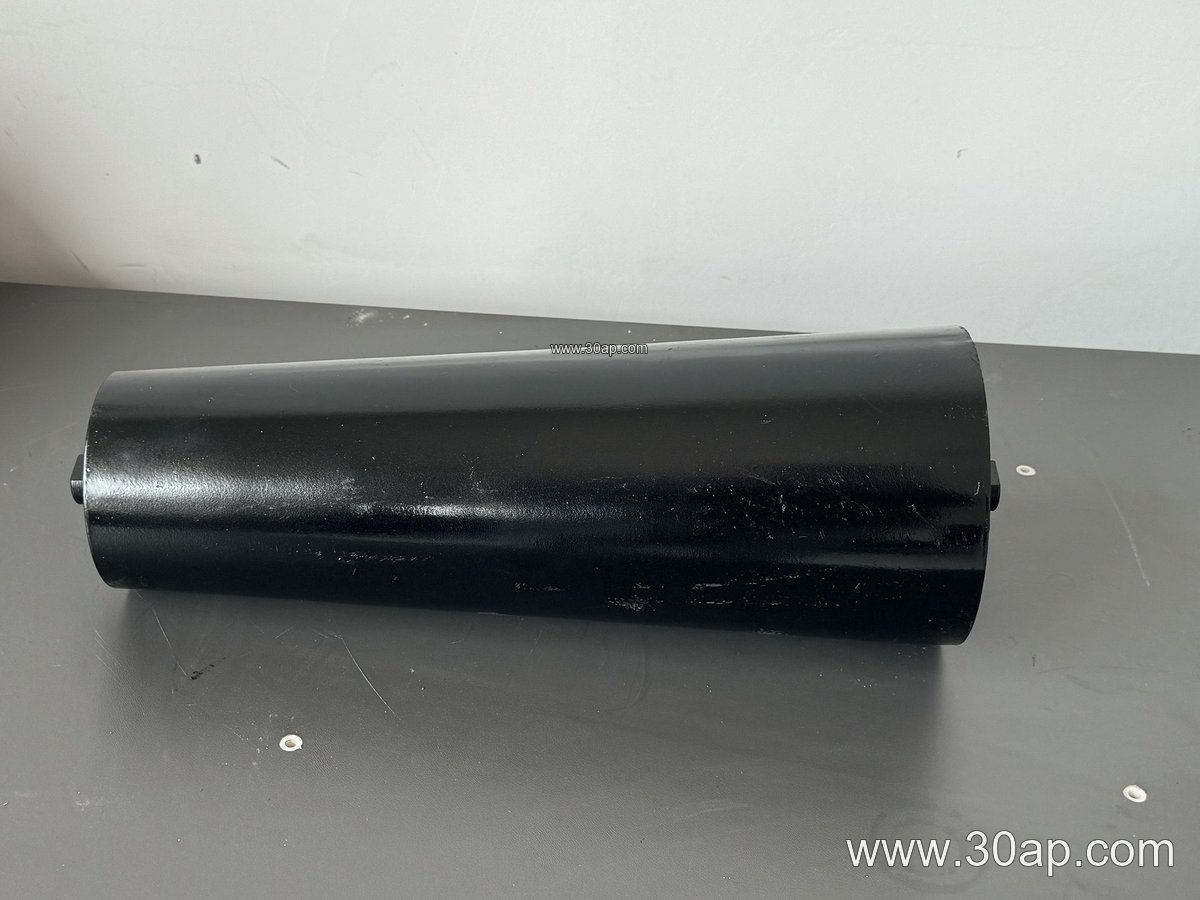
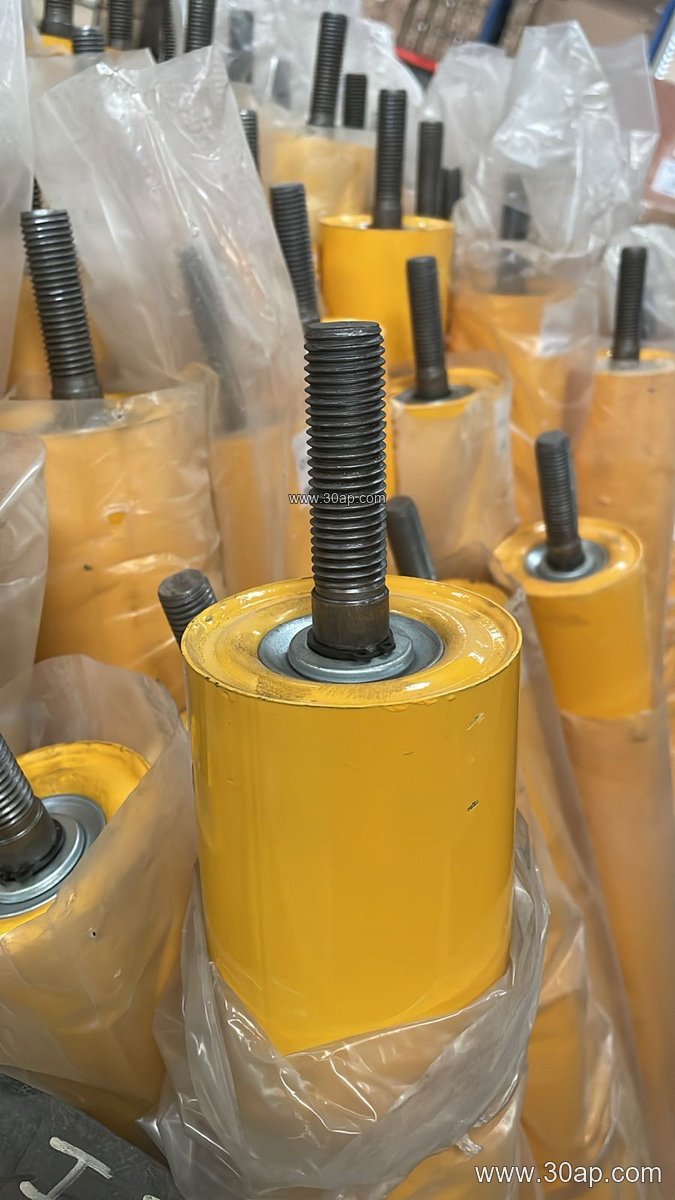
Reference dimensions for common belt widths
The figures below are typical examples, not fixed matches. Roll length varies with belt width, trough angle, and roll arrangement, and side rolls can differ from centre rolls.
| Belt width | Typical roll length for three-roll troughing | Common idler diameter range |
|---|---|---|
| B500 | about 200 mm | Ø63 to Ø89 mm |
| B650 | about 250 mm | Ø76 to Ø102 mm |
| B800 | about 315 mm | Ø89 to Ø127 mm |
| B1000 | about 380 mm | Ø102 to Ø133 mm |
| B1200 | about 465 mm | Ø108 to Ø159 mm |
| B1400 | about 530 mm | Ø127 to Ø178 mm |
| B1600 | about 600 mm | Ø133 to Ø194 mm |
| B1800 | about 670 mm | Ø159 to Ø219 mm |
| B2000 | about 750 mm | Ø178 to Ø219 mm |
These values are reference data. A long-distance conveyor idler should be confirmed against the actual belt, load, speed, and structural design.
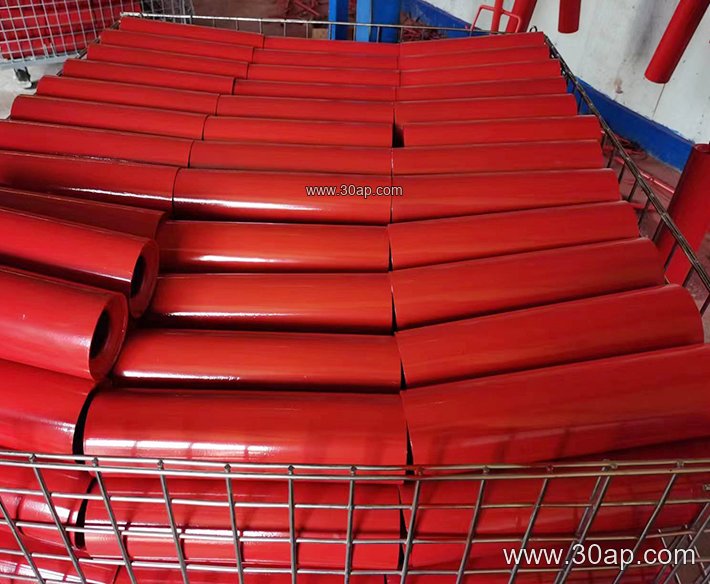
Where Long-Distance Idlers Are Used
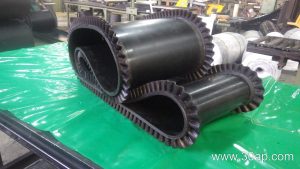
In a limestone quarry or a sand and aggregate line, long-distance idlers keep primary and secondary crushing circuits connected over hundreds of metres. In a coal-fired power plant, they support the belt that feeds the stockpile or the boiler bunker, often alongside a flame retardant conveyor belt or an anti-static conveyor belt. In a cement plant, they carry clinker and raw meal on routes that may include a pipe conveyor belt or a corrugated sidewall conveyor belt in tight spaces. The same long-distance idler type also appears in iron ore and copper ore transport, where a steel cord conveyor belt or a high abrasion resistant conveyor belt demands stable roller rotation. The selection of the belt and the idler should be considered together, because a heavy-duty mining conveyor belt running over poorly aligned rollers will wear faster than expected.
What Buyers Should Check
- Roll diameter and bearing match: confirm the shaft and bearing housing dimensions rather than assuming a shaft size from belt width.
- Seal quality: in dusty quarry or coal yard service, seal design affects bearing life more than shell thickness alone.
- Trough angle and roll length: check that the troughing set suits the conveyor belt and the material being carried.
- Impact and transition zones: use impact idlers or rubber-ring rollers at loading points, and transition idlers where the belt changes profile.
- Return side support: select flat or V-return rollers based on belt width and training needs.
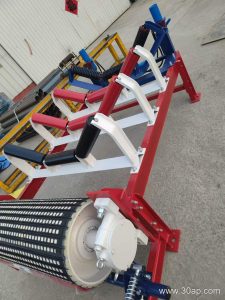
- Compatibility with the pulley and bracket: the conveyor pulley, conveyor bracket, and idler frame should be reviewed as one support system.
For long routes, a small improvement in idler rotation can reduce power demand across the whole drive. Buyers in mining, cement, and power generation should ask for the roller’s load rating, sealing method, and recommended inspection interval, and should keep spare idler rollers on hand for critical sections.