What a Mining Conveyor Bracket Does on the Line
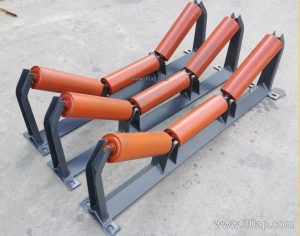
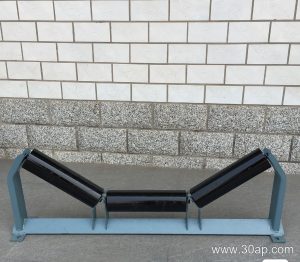
On a quarry conveyor or an underground coal mining conveyor, the belt never runs on its own. A mining conveyor bracket—often called a conveyor support frame—holds the idler roller at the correct angle and elevation so the belt can carry ore, aggregate, or coal without sagging or drifting. This component is the quiet workhorse of the whole structure. While the belt and pulleys get more attention, the bracket determines whether the idler stays aligned under load and whether maintenance crews can replace rollers quickly.
How the Bracket Is Built
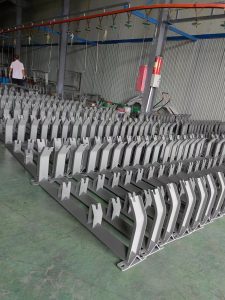
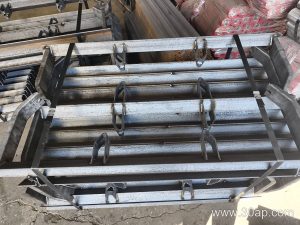
Most units are fabricated from angle steel, channel steel, or folded steel plate. The design must resist vibration, dust, and occasional impact from lumpy material. A typical assembly includes a crossbeam, mounting holes for the idler shaft, and sometimes an adjustable slot for tuning the trough angle. The bracket connects to the main conveyor frame and works together with the idler roller to form the belt profile.
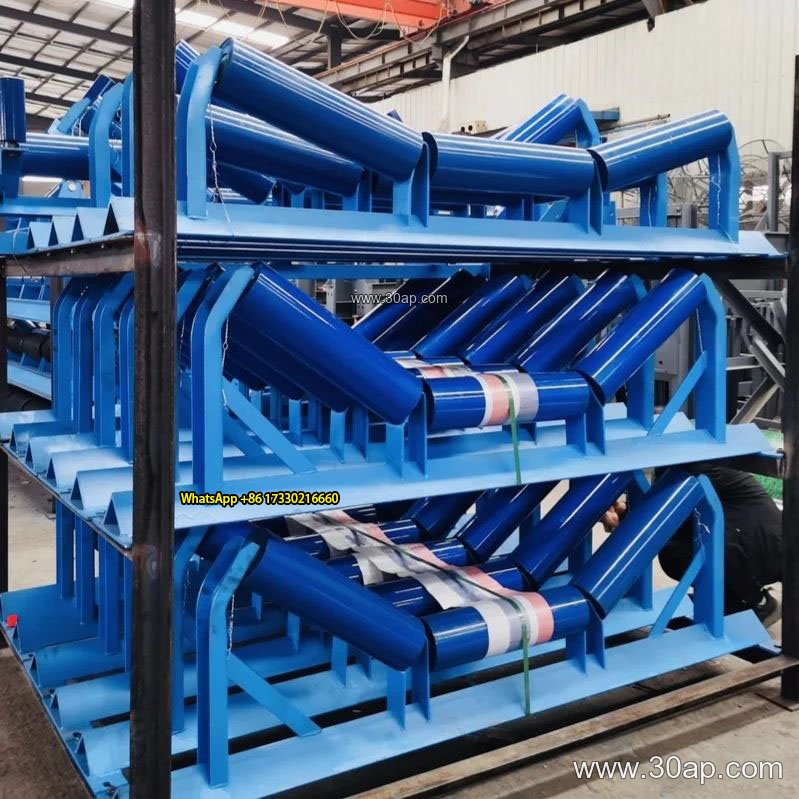
- Material options: angle steel, channel steel, folded plate
- Surface treatment: painted or galvanized, depending on the environment
- Mounting: bolted to the conveyor stringer or welded to a subframe
- Adjustability: fixed or adjustable trough angle
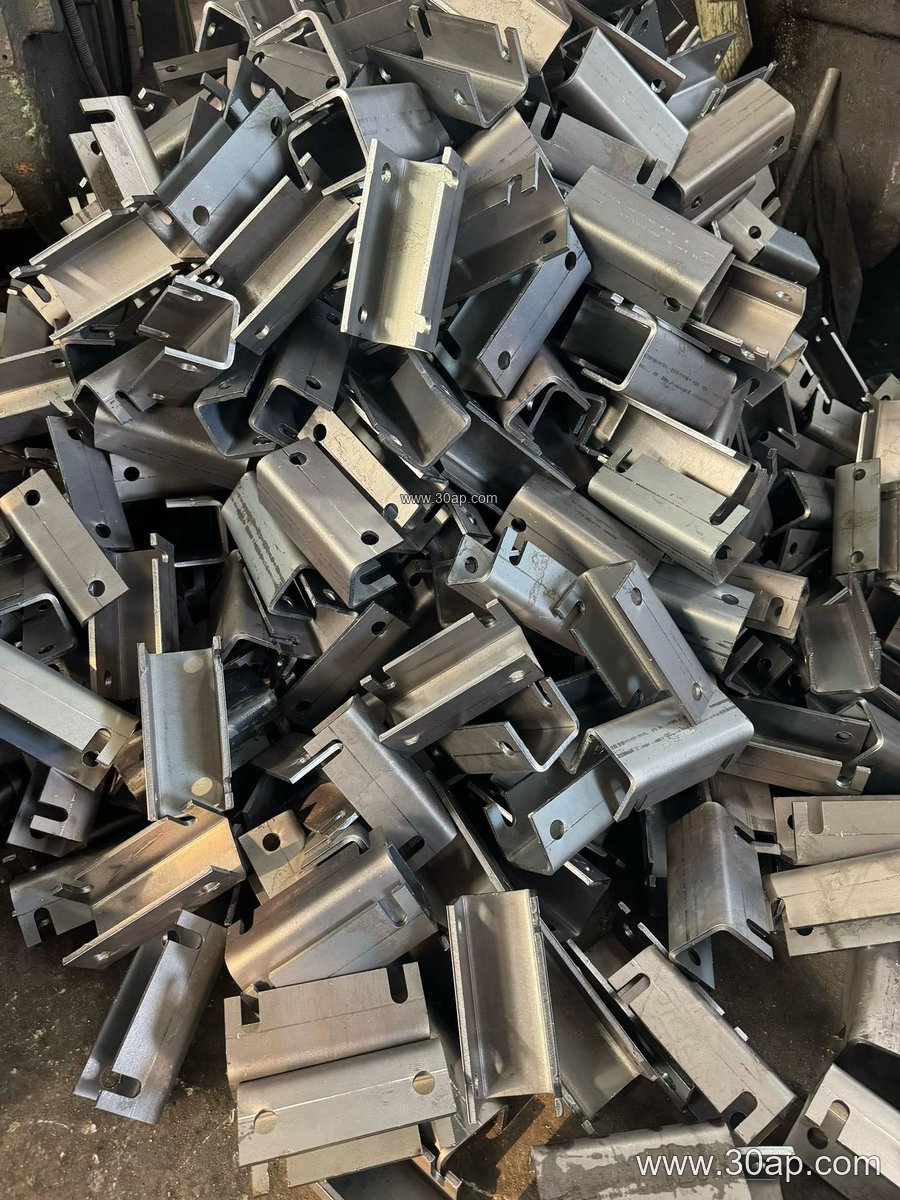
Heavy-duty mining conveyor bracket designs often add gussets or reinforced corners to handle shock loading at transfer points. In a stone crushing line or a cement plant, the bracket must survive constant grit and moisture, so drainage and bolt access matter as much as steel thickness.
Common Types and Where They Fit
The bracket family is broad, and the right choice depends on the belt line position. Troughing brackets carry the loaded side, while return brackets support the empty belt. Transition brackets guide the belt from flat to troughed. Impact brackets sit under loading zones to absorb fall energy.
- Troughing bracket (upper carrying side)
- Return bracket (lower run)
- V-return bracket for belt training
- Impact bracket at transfer points
- Self-aligning bracket for belt tracking
- Adjustable bracket for variable trough angles
- Hanging bracket for suspended idler sets
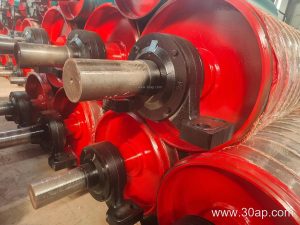
In a coal mining conveyor or a power plant coal handling system, flame retardant conveyor belt and anti-static properties are specified for the belt, but the bracket itself must also be robust enough for continuous operation. The bracket does not replace the pulley; drive, tail, and bend pulleys each have distinct roles in power transmission and belt direction. A bend pulley is not a tail pulley, and a bracket is not a pulley—each part has its own job.
Matching Bracket to Belt Width and Idler Diameter
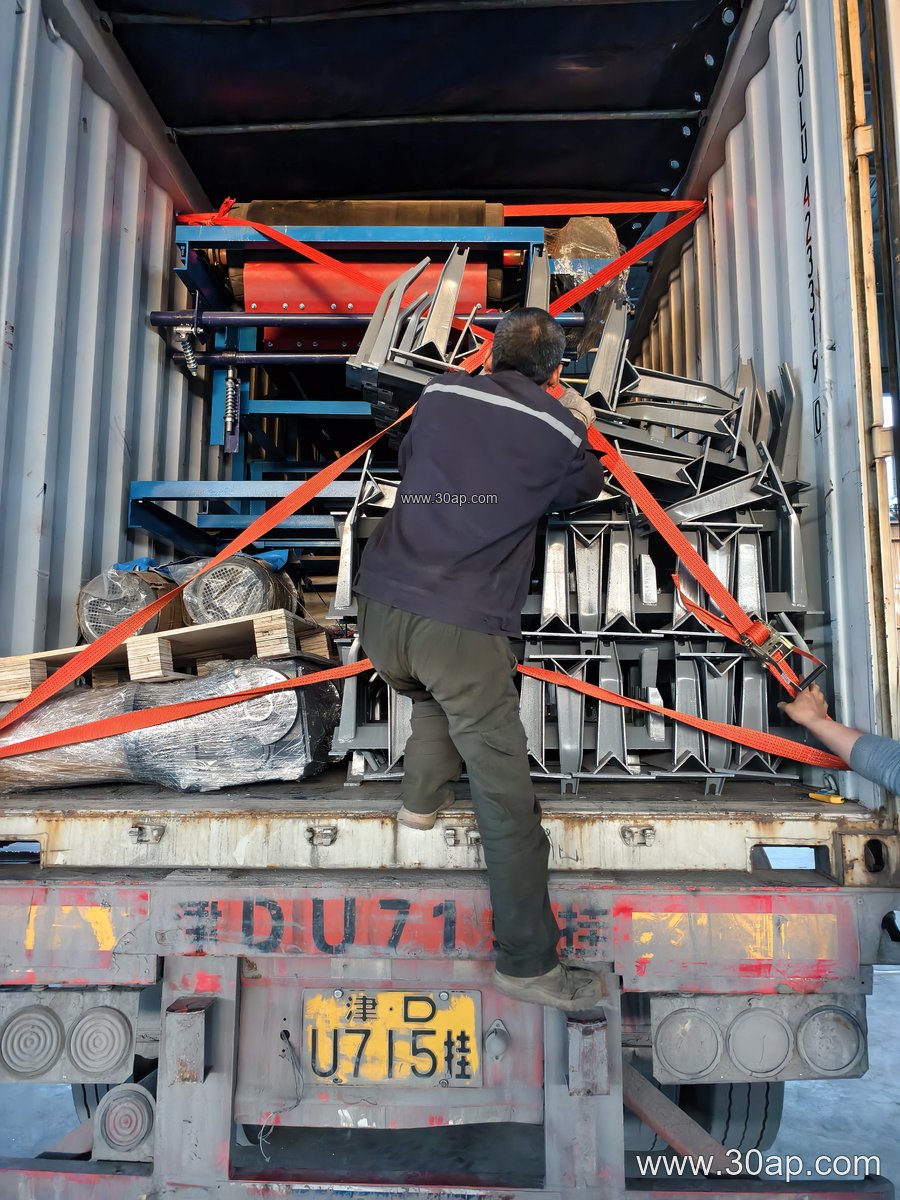
Buyers often ask how to pair a bracket with belt width and roller size. There is no single mandatory combination, but common practice links the bracket span to the belt width and the idler diameter to the load. For example, a B800 belt might use a 35-degree troughing bracket with Ø108 idlers in a sand and gravel plant, while a B1200 line in an iron ore operation could run 45-degree brackets with Ø133 rollers. These are reference examples, not fixed rules. Installation hole spacing and crossbeam length are determined by the belt width, trough angle, and frame design.
Reference Data for Planning
| Belt width | Typical trough angle | Common idler diameter |
|---|---|---|
| B500–B650 | 20–30 degrees | Ø89–Ø108 |
| B800–B1000 | 30–35 degrees | Ø108–Ø133 |
| B1200–B1400 | 35–45 degrees | Ø133–Ø159 |
| B1600–B2000 | 35–45 degrees | Ø159–Ø194 |
Adjustable brackets can shift between 20, 30, 35, and 45 degrees, which helps when a plant handles multiple material types. Forward-leaning brackets, usually around 1.5 to 2 degrees, are used for belt training on the carrying side. Always confirm dimensions with the conveyor designer rather than assuming a bracket will fit every frame.
Where These Brackets Work
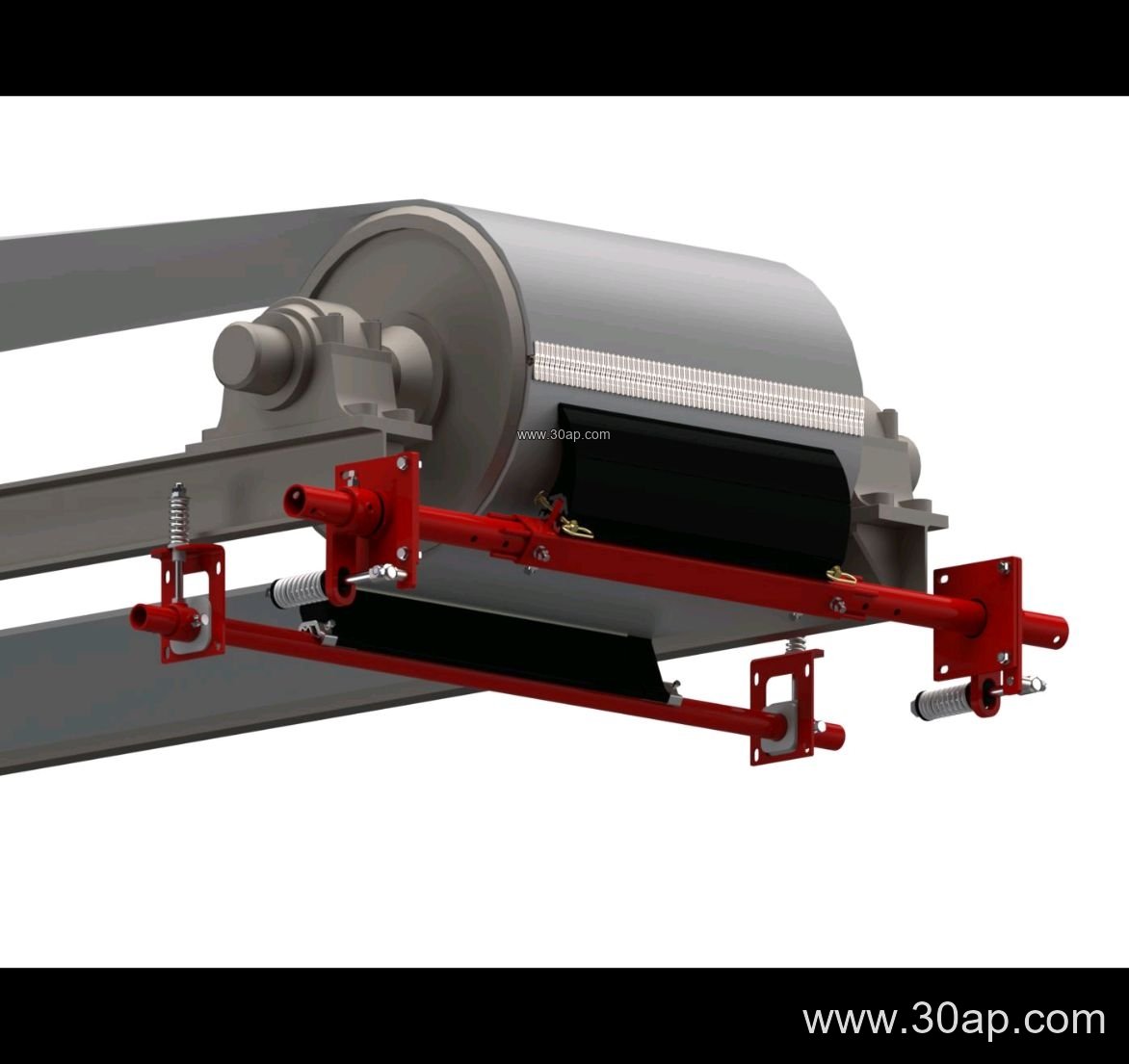
You will find mining conveyor brackets in limestone quarries, coal preparation plants, iron ore concentrators, and aggregate crushing circuits. They also appear in cement plants, power station coal yards, and port bulk terminals. In a tunnel mucking line or a fertilizer warehouse, the same bracket principles apply, though the belt specification may change—for instance, a heat resistant conveyor belt near a sinter plant or an oil resistant conveyor belt in a recycling facility.
At a crusher discharge, impact brackets and缓冲 idler sets reduce belt damage from sharp rock. On a long overland run, self-aligning brackets help keep the belt centered. The bracket works with the conveyor belt, idler roller, and conveyor pulley to form a complete system; no single component can be swapped for another without checking the design.
Buyer Checklist
- Confirm belt width and trough angle before ordering.
- Match idler diameter to load and belt speed.
- Choose fixed or adjustable brackets based on whether the trough angle will change.
- Check steel thickness and coating for the site environment—washdown, dust, or humidity.
- Verify mounting hole dimensions against the existing frame.
- Plan for roller replacement access; a well-designed bracket saves downtime.
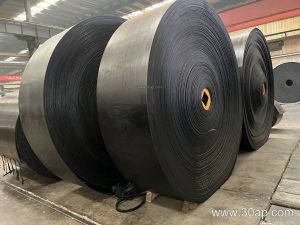
Whether the project is a small quarry conveyor or a heavy-duty mining conveyor belt system, the bracket should be selected as part of the whole idler assembly. For related components such as Rubber Conveyor Belt, Steel Cord Conveyor Belt, and conveyor pulley, work with a supplier who understands the full belt line. A practical bracket choice keeps the belt running true and the maintenance crew happy.