What Is an Anti-Static Conveyor Belt
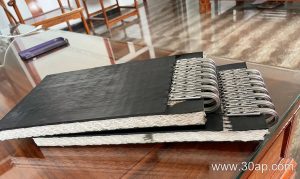
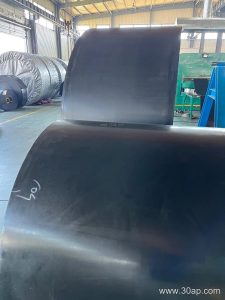
An anti-static conveyor belt is a rubber or fabric-reinforced belt designed to dissipate static electricity that builds up as the belt runs over pulleys and idler rollers. In dusty environments such as coal mines, cement plants, power stations, and aggregate yards, uncontrolled static can create sparks and attract fine particles, so a belt with a controlled surface resistance helps keep the conveyor system safer and cleaner. This belt belongs to the wider family of Rubber Conveyor Belt products and is often specified alongside flame retardant grades for underground mining conveyors.
Construction and Static Control
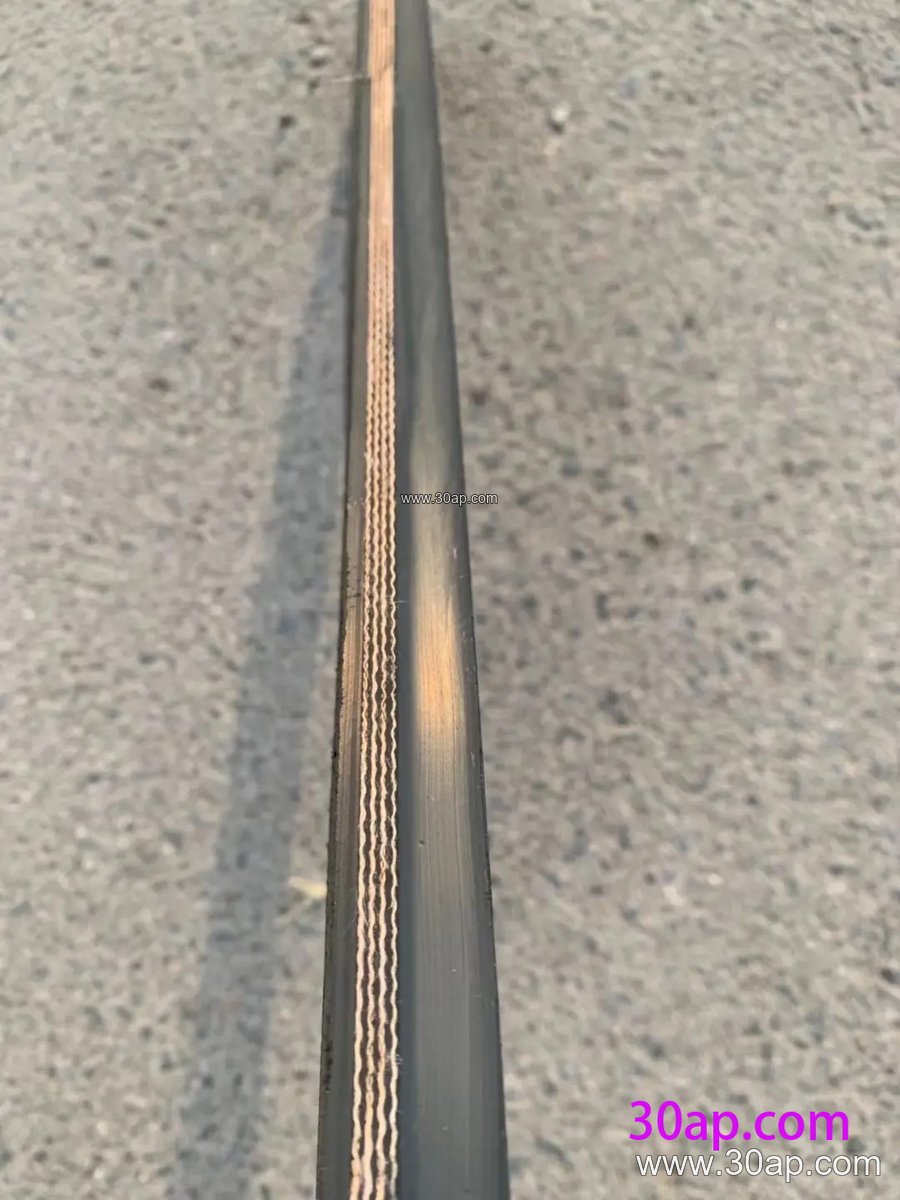
The anti-static effect is usually achieved through conductive carbon black or other additives in the cover compound, and sometimes through a conductive layer that allows charge to bleed away through the conveyor frame. The carcass may be EP Conveyor Belt (polyester/nylon), NN nylon, or steel cord, depending on the load and tension. Surface resistance is typically measured in ohms, and buyers should request the test method and value rather than assume a universal figure. Cover thickness, ply count, and belt width all affect how the belt performs on a given conveyor.
Typical Applications
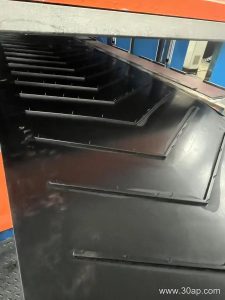
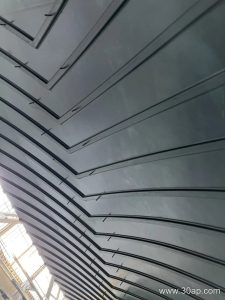
Anti-static belts are common in coal handling, cement kiln feed lines, power plant coal yards, and quarry or aggregate transport where dust and dry conditions promote charge buildup. They are also used in grain handling, recycling lines, and some food-grade or packaging operations where static can disturb lightweight materials. In underground coal mining, an anti-static and flame retardant belt is often required together, so the belt may combine Flame Retardant Conveyor Belt properties with static dissipation. The same belt can be supplied with chevron or corrugated sidewall profiles when material needs to be contained on an incline.
Key Parameters to Review
Specifications vary by manufacturer and project. The table below shows common reference values, not fixed supply promises.
| Parameter | Common Reference Range |
|---|---|
| Belt width | B500, B650, B800, B1000, B1200, B1400, B1600, B1800, B2000 mm |
| Strength grade | EP200, EP315, EP400, EP500, EP630, EP800, EP1000, EP1250, EP1600, EP2000 |
| Cover thickness | 3+1.5, 4+2, 5+2, 6+2, 8+3 mm |
| Ply count | 2 to 6 layers, depending on belt design |
| Surface resistance | According to the manufacturer’s test report and project requirement |
Other options include heat resistant, oil resistant, abrasion resistant, cold resistant, and acid resistant covers, as well as chevron, skirted, corrugated sidewall, and pipe conveyor designs. For heavy-duty mining conveyors, a Steel Cord Conveyor Belt may be chosen when high tension is required, while EP or NN belts suit many medium-duty lines.
Selection and Maintenance Notes
- Confirm the required static dissipation level and test method with the belt supplier before ordering.
- Match belt width and strength to the conveyor design, not to a single pulley diameter.
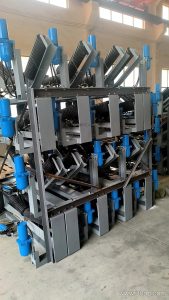
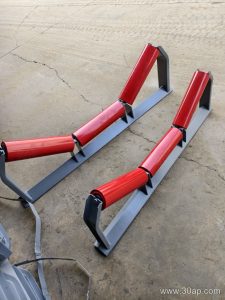
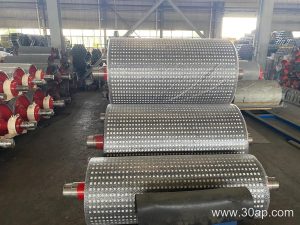
- Check that the conveyor frame, conveyor pulley, and idler roller are properly grounded to support charge dissipation.
- Inspect covers for wear and cuts, because damaged covers can reduce anti-static performance.
- Keep the belt clean and avoid excessive dust buildup on rollers and brackets.
For cement, coal, and power plant conveyors, an anti-static belt is one part of a safe material handling system. A buyer should compare belt grade, cover thickness, and static test data against the actual operating conditions, and consult the belt maker for the final specification.