What an Ore Conveyor Belt Is
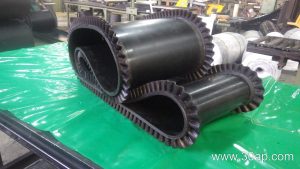
An ore conveyor belt is the load-carrying element of a bulk handling system built to move crushed rock, coal, aggregate, and mineral concentrate between processing stages. In a mine, coal preparation plant, cement works, power station stockyard, or sand and gravel yard, the belt runs continuously over idler rollers and conveyor pulleys mounted on a steel frame. The belt is not a simple rubber strip; it is a composite structure whose carcass carries tension and whose covers resist abrasion, impact, and sometimes heat or oil.
Because ore is heavy and sharp-edged, the belt specification usually matters more than the conveyor length. A poorly matched belt can delaminate at the pulley, crack at impact points, or wear through the top cover within months.
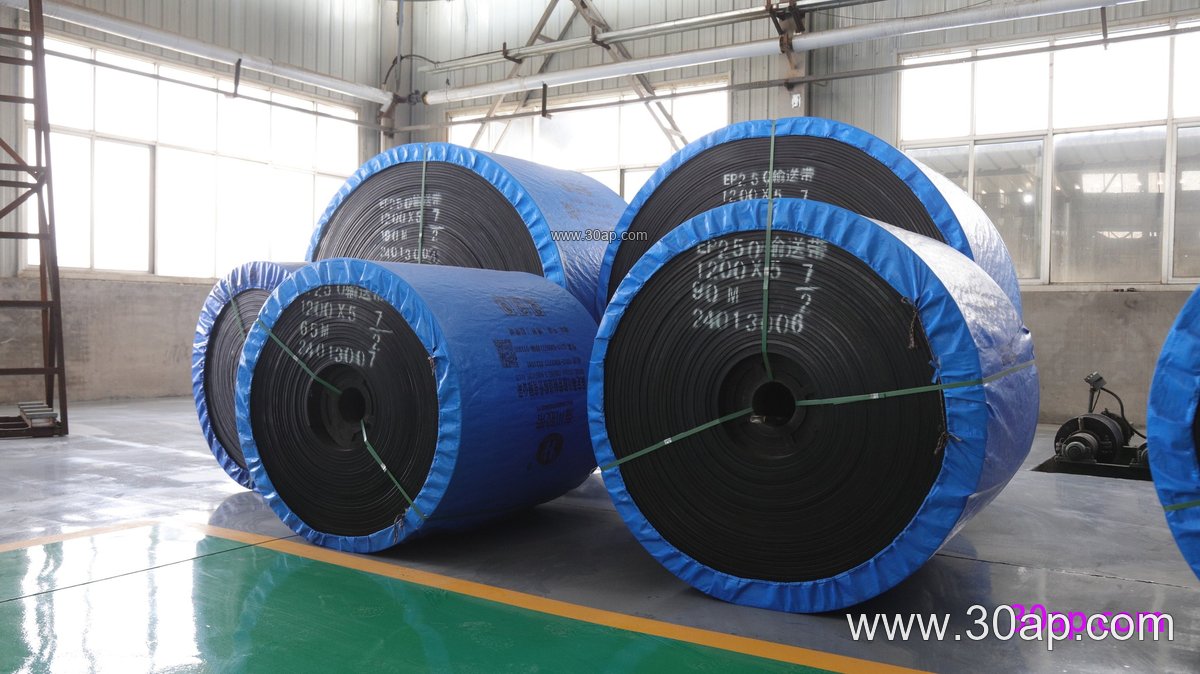
Construction and Common Specifications
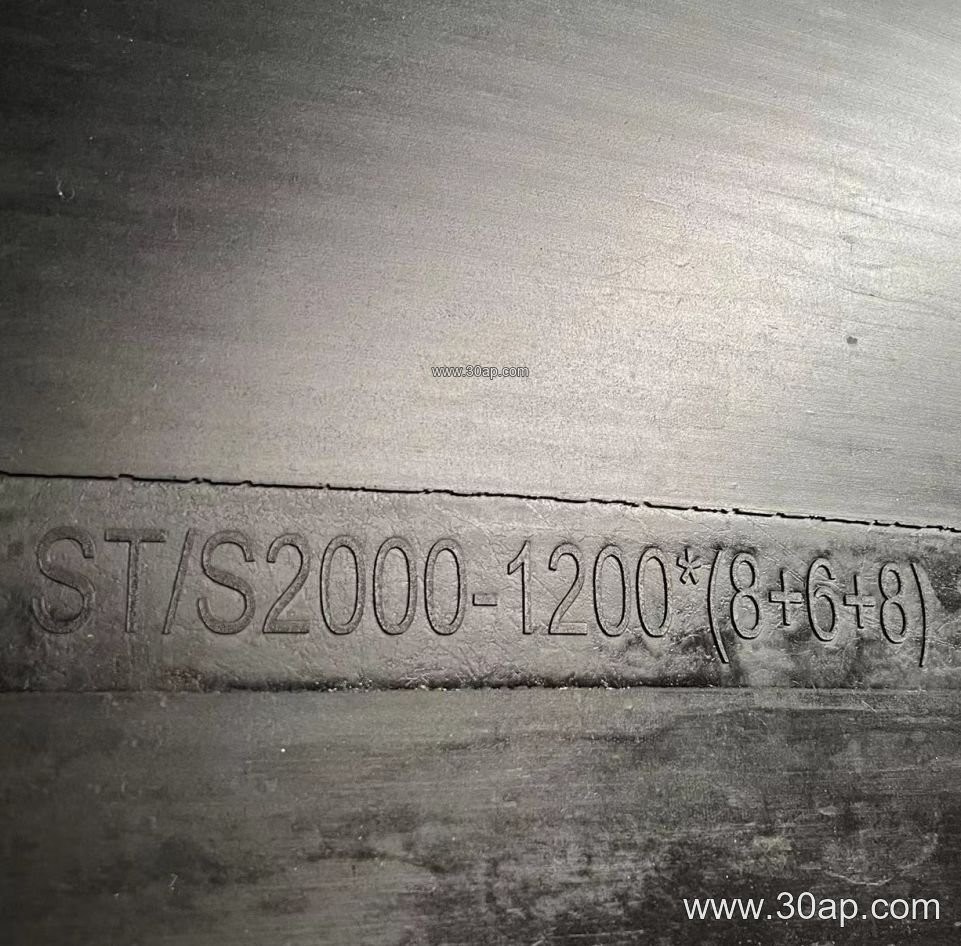
The carcass is the strength layer. Common options include EP (polyester-cotton) fabric, NN nylon fabric, and steel cord construction. Rubber covers protect the carcass, and the cover thickness is written as top plus bottom, for example 6+2 mm or 8+3 mm. Fabric belts typically use 2 to 6 plies, depending on the duty.
Reference Data for Ore Duty Belts
| Parameter | Common range |
|---|---|
| Belt type | EP, NN nylon, steel cord, abrasion-resistant, flame-retardant, antistatic, heat-resistant, oil-resistant, cold-resistant, acid and alkali resistant |
| Tensile strength | EP200, EP315, EP400, EP500, EP630, EP800, EP1000, EP1250, EP1600, EP2000 |
| Belt width | B500, B650, B800, B1000, B1200, B1400, B1600, B1800, B2000 |
| Cover thickness | 3+1.5, 4+2, 5+2, 6+2, 8+3 mm |
| Carcass plies | 2 to 6 layers, by design |
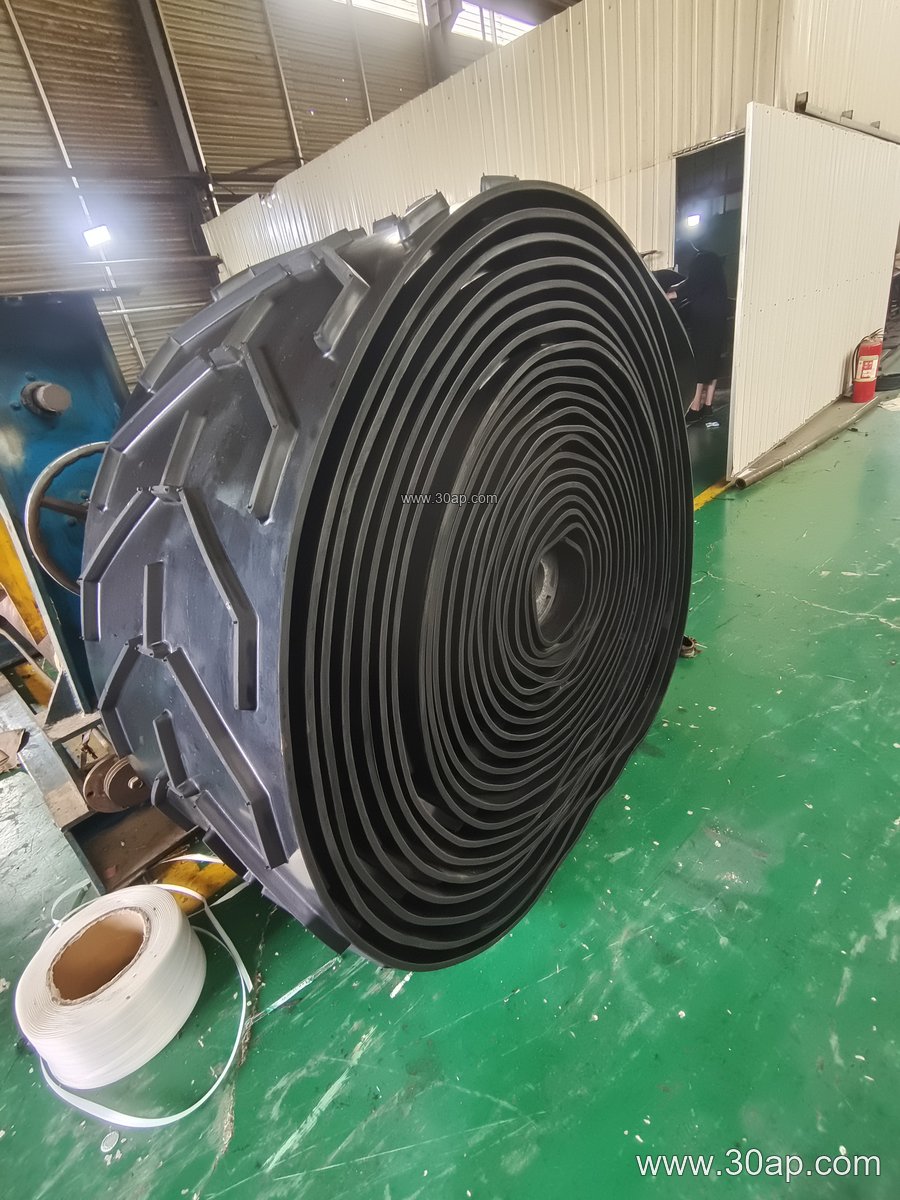
These values are reference ranges. Actual selection depends on the material, the conveyor geometry, and the manufacturer’s data sheet. Surface forms such as patterned, chevron, or corrugated sidewall belts are used where the incline is steep or material tends to roll back.
Where Ore Belts Are Used
The mining industry is the largest user, from primary crushing to concentrate stockpiling. Coal mines and coal washing plants specify flame-retardant and antistatic grades for underground and enclosed galleries. Cement plants move limestone, clinker, and gypsum on abrasion-resistant belts, often with heat-resistant covers near the kiln. Power plants and port stockyards handle coal over long overland routes. Sand and gravel yards use wide belts with impact-resistant covers under the primary feed.
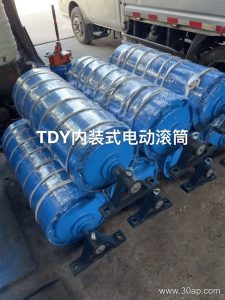
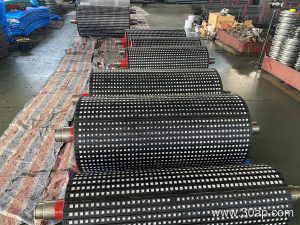
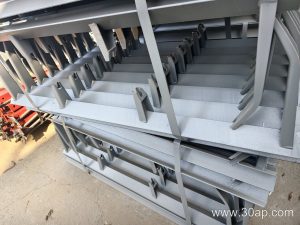
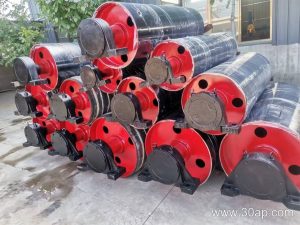
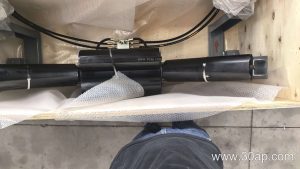
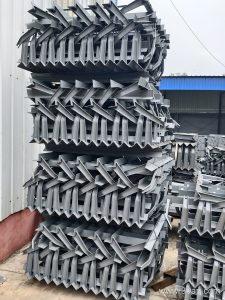
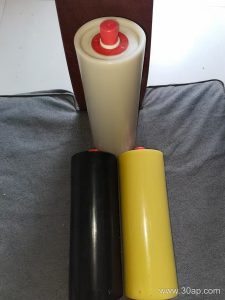
In all these settings the belt works with conveyor pulleys at the drive and tail ends, a bend pulley to change direction, idler rollers to support the load, and conveyor brackets to hold the structure together. The drive pulley transmits power through friction, so cover condition and pulley lagging both affect traction.
Buyer Checklist
- Confirm the material: lump size, density, moisture, temperature, and whether it is oily or acidic.
- Match tensile grade to the calculated working tension, not to belt width alone.
- Choose cover thickness for abrasion and impact, and add a flame-retardant or antistatic grade where regulations or fire risk require it.
- Check the pulley diameters and troughing angle, since a stiff carcass may need larger pulleys to avoid fatigue.
- Ask for the manufacturer’s splice recommendation; a good belt fails first at a poor joint.
- Plan inspection of idler rollers and pulley lagging, because a seized roller can tear a cover quickly.
Installation and Maintenance Notes
Align the frame before tensioning the belt. Track the belt by adjusting idler rollers and bend pulley position, not by over-tensioning. Keep the loading point centered so ore does not push the belt sideways. Inspect the tail pulley for buildup, which is a common cause of mistracking. Store spare belt in a dry, shaded place and rotate stock. When replacing a belt, record the tensile grade, width, and cover thickness so future orders match the original design.
An ore conveyor belt is a long-term asset. Treating belt selection, pulley condition, and idler maintenance as one system gives the longest service life in mines, cement plants, power stations, and aggregate yards.