What a Vertical Guide Idler Does
A Vertical Guide Idler is a small but important alignment component used on belt conveyors. It is mounted vertically, usually on the side of the conveyor frame, and its roller face contacts the edge of the conveyor belt. When the belt begins to drift sideways, the vertical roller guides it back toward the center line. In a quarry, a coal washing plant, or a cement plant, a belt that wanders off track can spill material and damage the edge of the conveyor belt, so this guide roller is often fitted at transfer points, curves, and long straight runs.
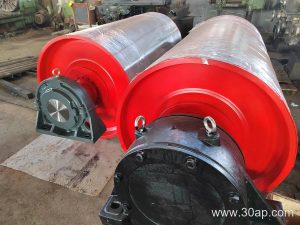
The product is also called a vertical guide roller or edge guide idler. It is not a carrying idler, not a return idler, and it should not be confused with a conveyor pulley such as a drive pulley, tail pulley, or bend pulley. Those pulleys transmit power and change belt direction, while the vertical guide idler only assists tracking.
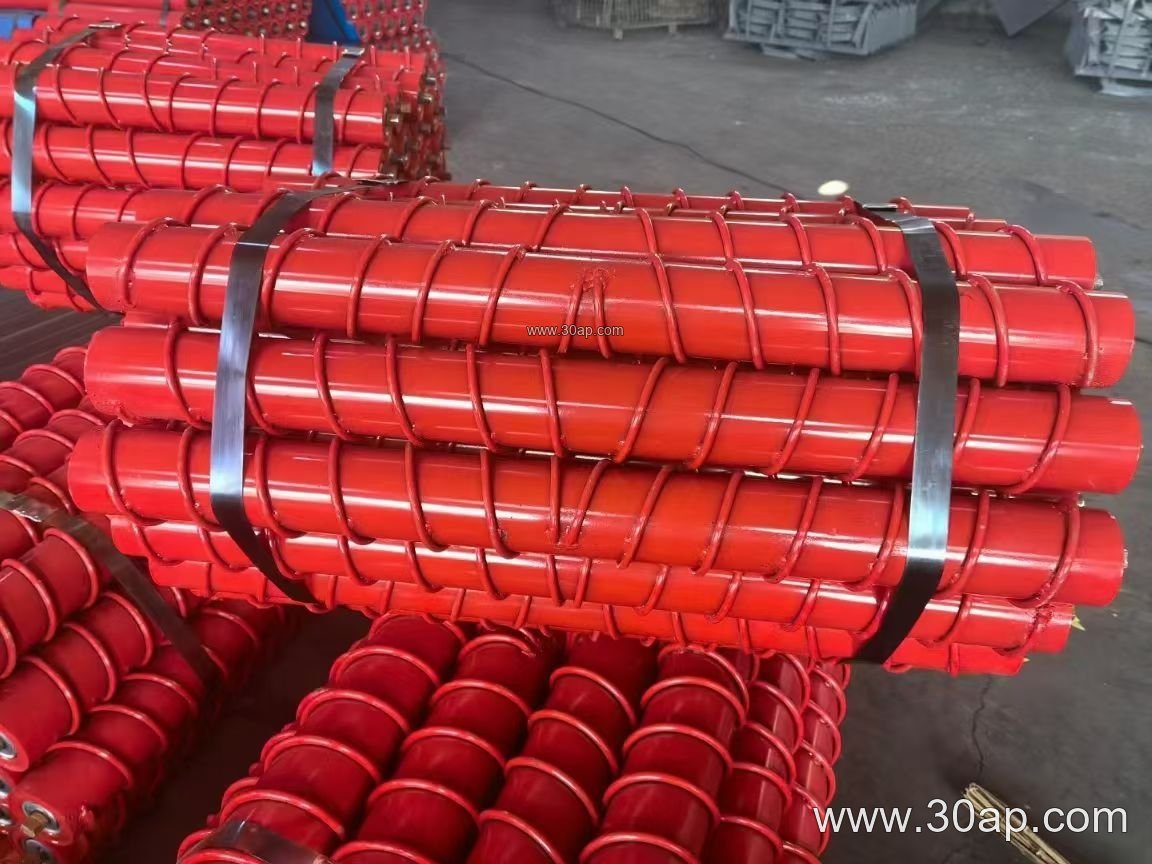
Construction and Mounting
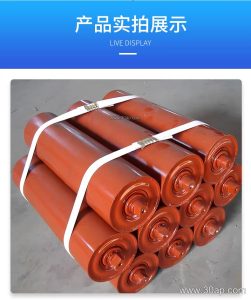
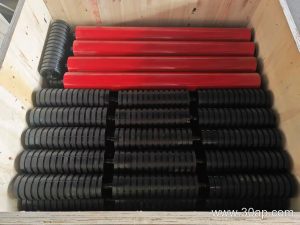
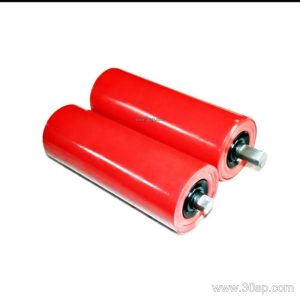
A typical vertical guide idler has a steel tube shell, sealed bearings, and a shaft that is fixed to a conveyor bracket. The bracket is bolted to the conveyor frame, and the roller is set so its axis is vertical. The roller spins freely when the belt edge touches it, reducing friction and wear on the belt edge.
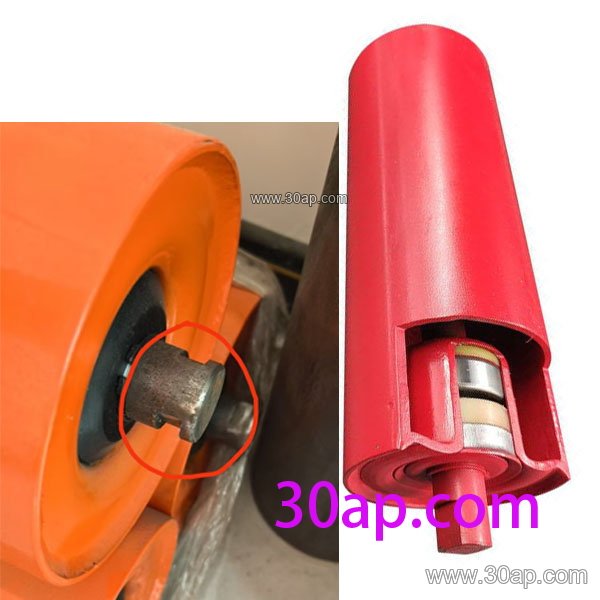
Common roller diameters for this guide roller follow the general idler range, such as Ø63, Ø76, Ø89, Ø102, Ø108, and Ø127 mm. The roller length is usually short because it only touches the belt edge, and it is selected according to the belt width and the mounting space. Common belt widths in bulk handling include B500, B650, B800, B1000, B1200, and B1400. These are reference examples only; the final size is determined by the conveyor design.
| Item | Common Reference Range |
|---|---|
| Roller diameter | Ø63, Ø76, Ø89, Ø102, Ø108, Ø127 mm |
| Belt width | B500 to B1400 (examples) |
| Bearing | 6204, 6205, 6305, 6306 (selection by load and shaft) |
| Roller surface | Steel tube, nylon, rubber-covered |
| Mounting | Vertical bracket on conveyor frame |
The bearing number and the roller diameter are not a fixed pair. A Ø89 roller may use different bearings depending on the shaft and load, so buyers should confirm the shaft size and bearing arrangement with the supplier.
Where It Fits on the Conveyor
Vertical guide idlers are often installed near the head and tail of a conveyor, before and after a transfer chute, and on sections where the belt is prone to misalignment. In a limestone mine or a sand and gravel line, they are frequently paired with self-aligning idlers and V-return idlers to keep the belt centered. On a belt feeder or a short conveyor in a concrete mixing plant, a single vertical guide roller on each side may be enough.
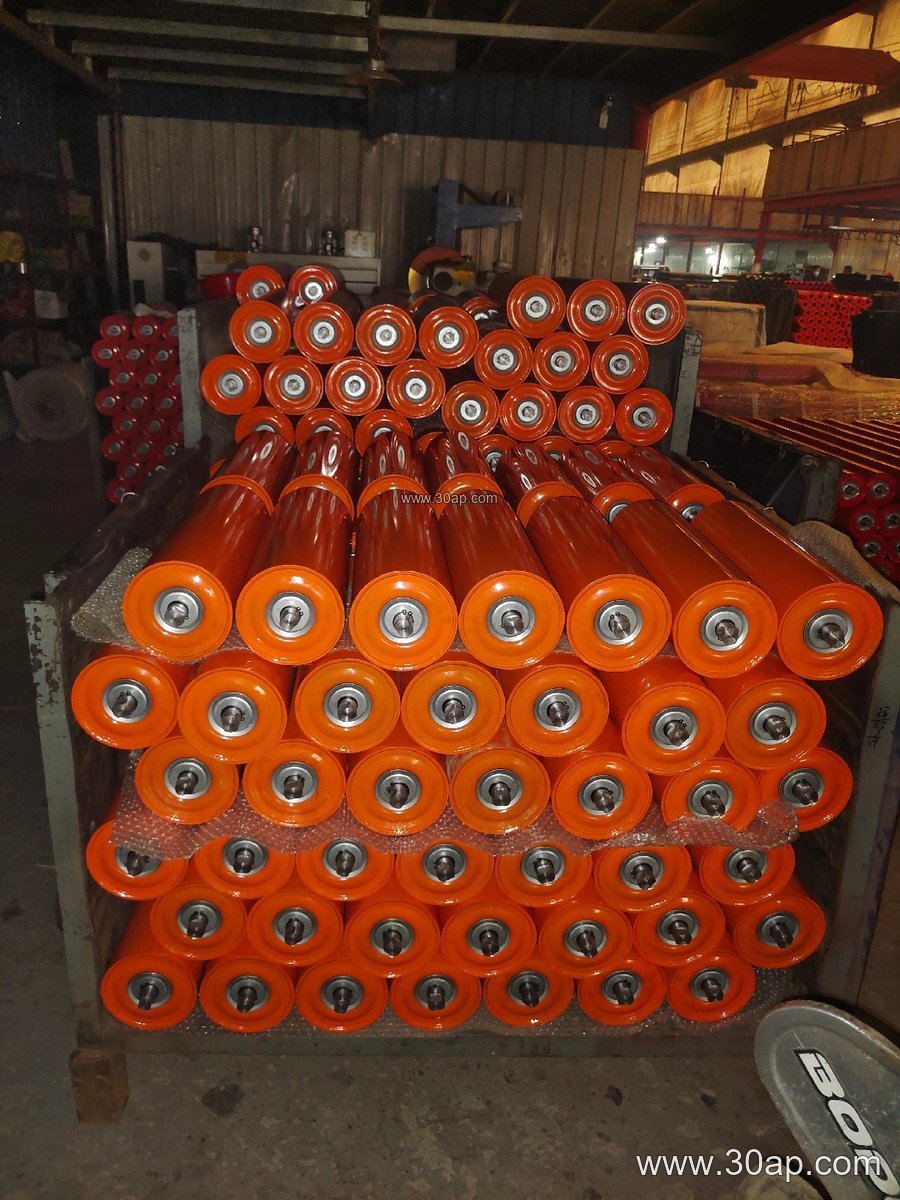
They can also be used together with a conveyor pulley assembly, where the belt leaves the bend pulley and enters a long incline. In such places, a vertical guide roller helps control the belt edge without adding much resistance to the belt.
Selection Tips for Buyers
- Confirm the belt width and the available mounting space before choosing the roller length.
- Check the shaft diameter and bearing type, not just the roller diameter.
- Choose the roller surface according to the application; a rubber-covered roller can protect the belt edge in abrasive service.
- Check that the conveyor bracket matches the frame hole pattern.
- Keep spare rollers for critical conveyors in a power plant coal yard or a steel plant sinter line.
A well-matched vertical guide idler is a low-cost way to improve belt tracking. Buyers should treat the sizes above as common references, not as fixed rules, and confirm the final specification with the conveyor designer.