What a Large Pulley Does on a Conveyor
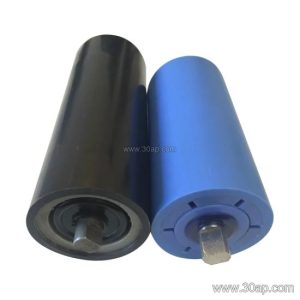
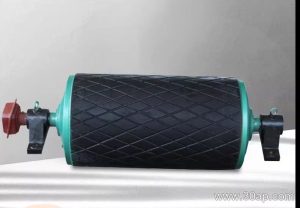
A large pulley is the cylindrical component that transmits power to the conveyor belt or changes its direction at key points along the system. In heavy-duty applications such as limestone quarries, coal preparation plants, and cement clinker lines, these pulleys must handle high tension, abrasive dust, and continuous operation. Unlike an idler roller that supports the belt along its carrying run, a large pulley is a driven or directional component with a shaft, hub, and shell designed for torque transfer. The term often refers to a conveyor pulley with a diameter of Ø800 mm or more, though the exact threshold depends on the belt width and load requirements.
Construction and Surface Options
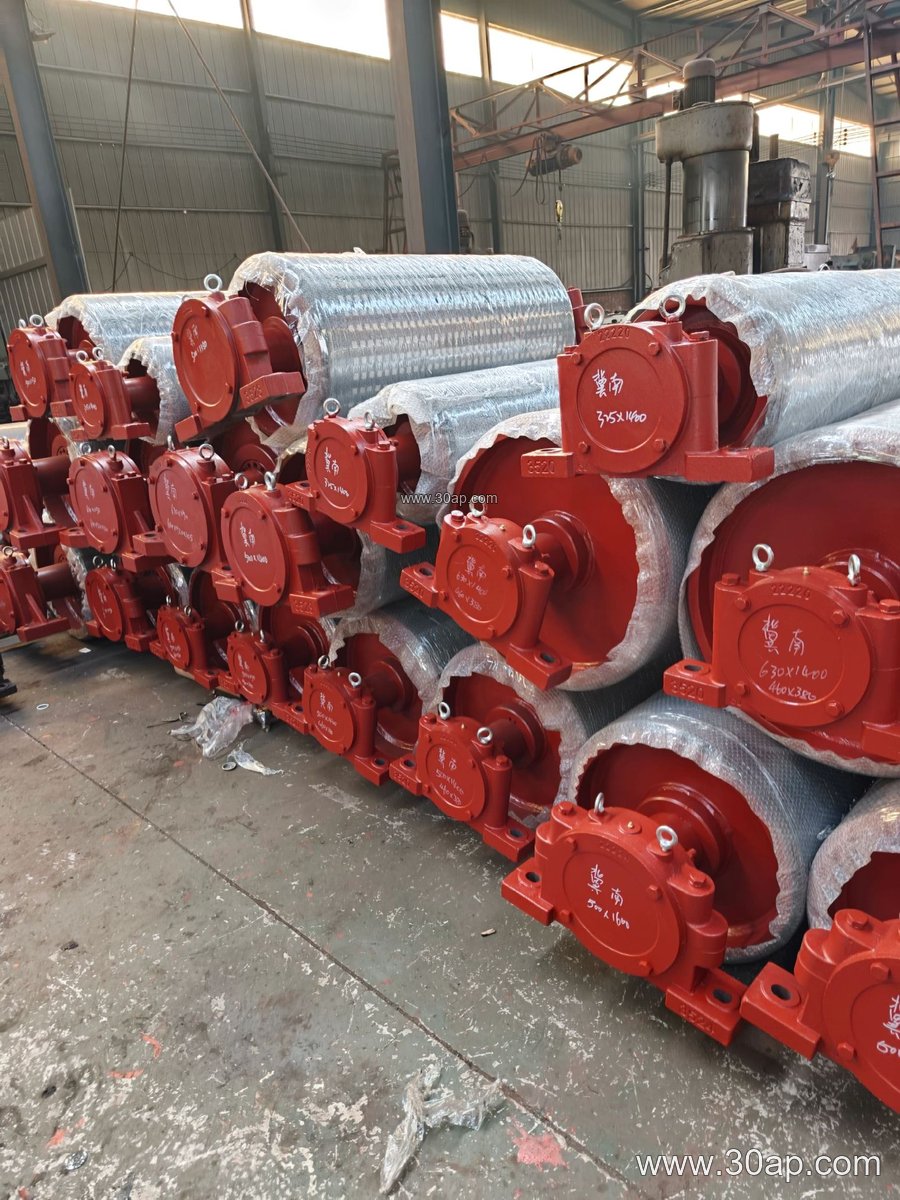
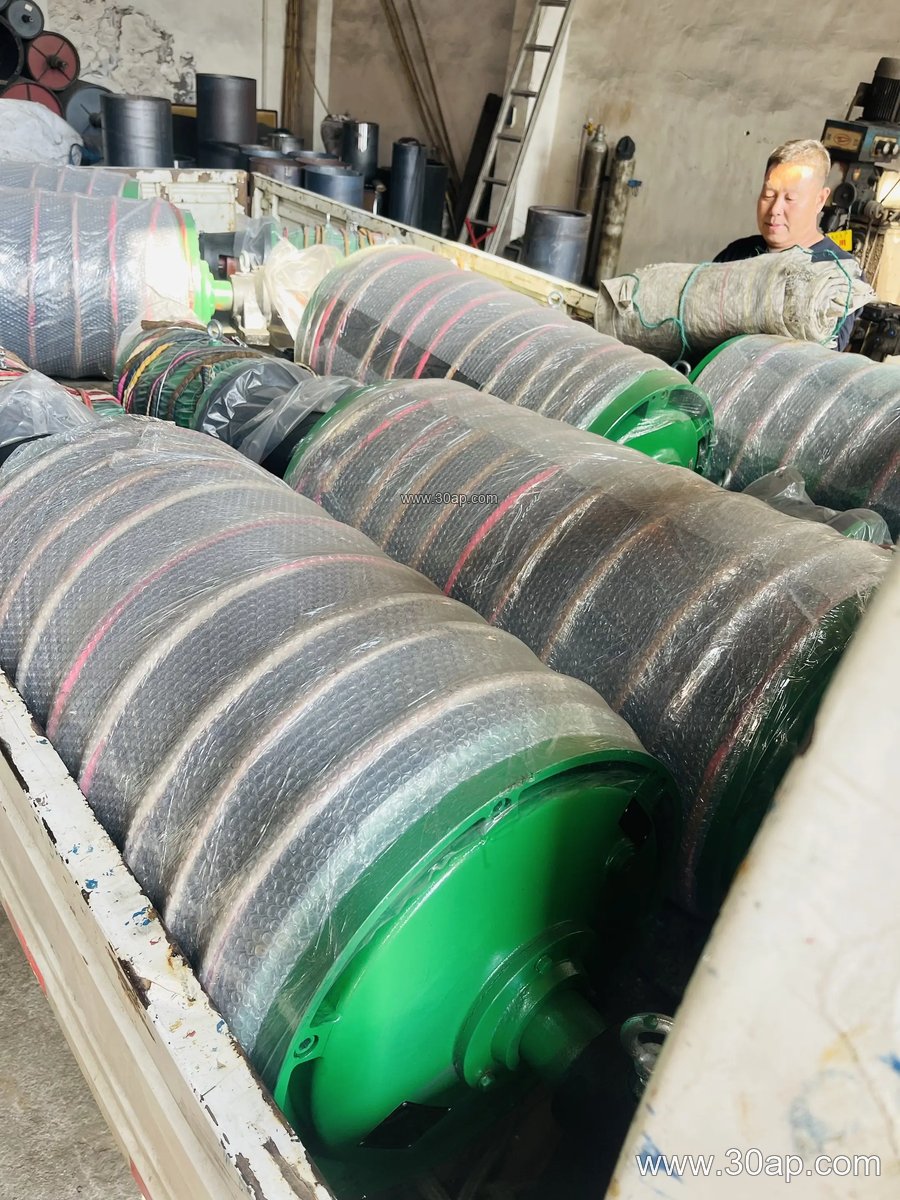
A typical large pulley consists of a steel shell, welded end discs, a hub, and a shaft. The shell surface may be plain, rubber-lagged, or ceramic-lagged to improve grip and reduce belt slip. Common lagging types include cold-bonded rubber, hot-vulcanized rubber, diamond pattern, herringbone pattern, and ceramic tiles. Lagging thickness is often 8, 10, 12, 15, or 20 mm, selected according to the drive power and environmental conditions. For example, a B1200 × Ø1000 drive pulley in a coal plant might use 15 mm diamond rubber lagging to maintain friction in wet conditions. The shaft diameter is determined by torque and load, with common sizes including Ø100, Ø120, Ø140, Ø160, Ø180, and Ø200 mm; it is not directly tied to belt width alone.
Where Large Pulleys Are Used
These pulleys appear at the head (drive) position, tail position, and bend or tensioning points. In a sand and gravel line, a large head pulley drives the main belt, while a bend pulley redirects the belt path. In a power plant coal handling system, a large tail pulley with a take-up device maintains belt tension. The same component may be called a conveyor pulley, drive pulley, or bend pulley depending on its role, but each subtype has a distinct function and should not be interchanged casually. A drive pulley requires lagging and a robust shaft for torque, while a bend pulley may have a smaller diameter and plain surface.
Matching Belt Width and Pulley Dimensions
Pulley face width is usually slightly larger than the belt width to allow for belt tracking. For reference, common combinations include:
| Belt Width | Typical Pulley Face Width |
|---|---|
| B400 | 500 mm |
| B500 | 600 mm |
| B650 | 750 mm |
| B800 | 950 mm |
| B1000 | 1150 mm |
| B1200 | 1400 mm |
| B1400 | 1600 mm |
| B1600 | 1800 mm |
| B1800 | 2000 mm |
| B2000 | 2200 mm |
Diameter choices range from Ø200 mm to Ø1800 mm, but a large pulley for a B1400 belt might be Ø800 or Ø1000, depending on the required wrap angle and belt speed. There is no fixed rule that one belt width matches only one diameter. The design must consider the conveyor profile, tension, and space constraints.
Buyer Checklist
- Confirm the pulley’s position and duty: drive, tail, bend, or tension. Each has different load and lagging needs.
- Specify belt width and required face width, allowing for belt wander.
- Choose lagging type and thickness based on grip requirements and material abrasiveness.
- Provide shaft diameter and bearing size according to torque calculations, not just belt width.
- Consider the environment: dust, moisture, and temperature affect lagging selection and bearing protection.
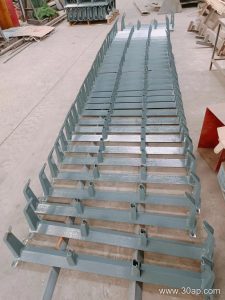
- Ensure the pulley interfaces correctly with the conveyor bracket and take-up frame.
Working with a supplier who understands the entire conveyor system—including belt, idler roller, and bracket—helps avoid mismatch. A large pulley is a long-term investment, so accurate specification at the outset reduces downtime in demanding sites such as iron ore mines, port bulk terminals, and concrete mixing plants.