What an EP1000 Conveyor Belt Is
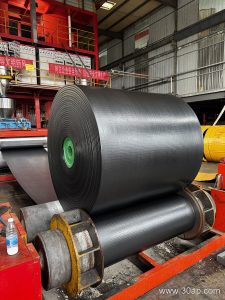
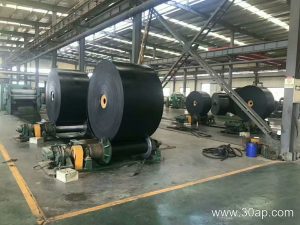
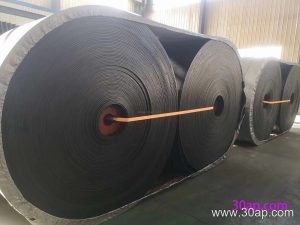
An EP1000 conveyor belt is a fabric-reinforced rubber belt built around polyester-polyamide (EP) carcass layers. The “1000” refers to the nominal tensile strength of the carcass, commonly expressed as 1000 N/mm. In practice, this places the belt in the heavy-duty range, suited to long runs, high tonnage and demanding loading points. Buyers will also see it described as an EP1000 rubber conveyor belt or a polyester-polyamide conveyor belt with a 1000-grade carcass. These are equivalent names for the same product.
The EP carcass is the reason this belt is popular. Polyester warp threads give low elongation and good dimensional stability, while polyamide weft threads absorb impact and flex fatigue. That combination lets the belt track well on long conveyors and resist the repeated flexing that occurs at every conveyor pulley.
Construction and Surface Options
A typical EP1000 belt has three main parts: the EP carcass, top and bottom cover rubber, and edge protection. The carcass usually contains two to six plies depending on the duty. Cover rubber protects the carcass from abrasion, cutting and the material being carried.
Common cover thickness combinations include 3+1.5 mm, 4+2 mm, 5+2 mm, 6+2 mm and 8+3 mm, where the first figure is the top cover and the second is the bottom cover. Thicker top covers suit sharp, abrasive loads such as crushed stone; thinner covers are adequate for cleaner, lighter materials.
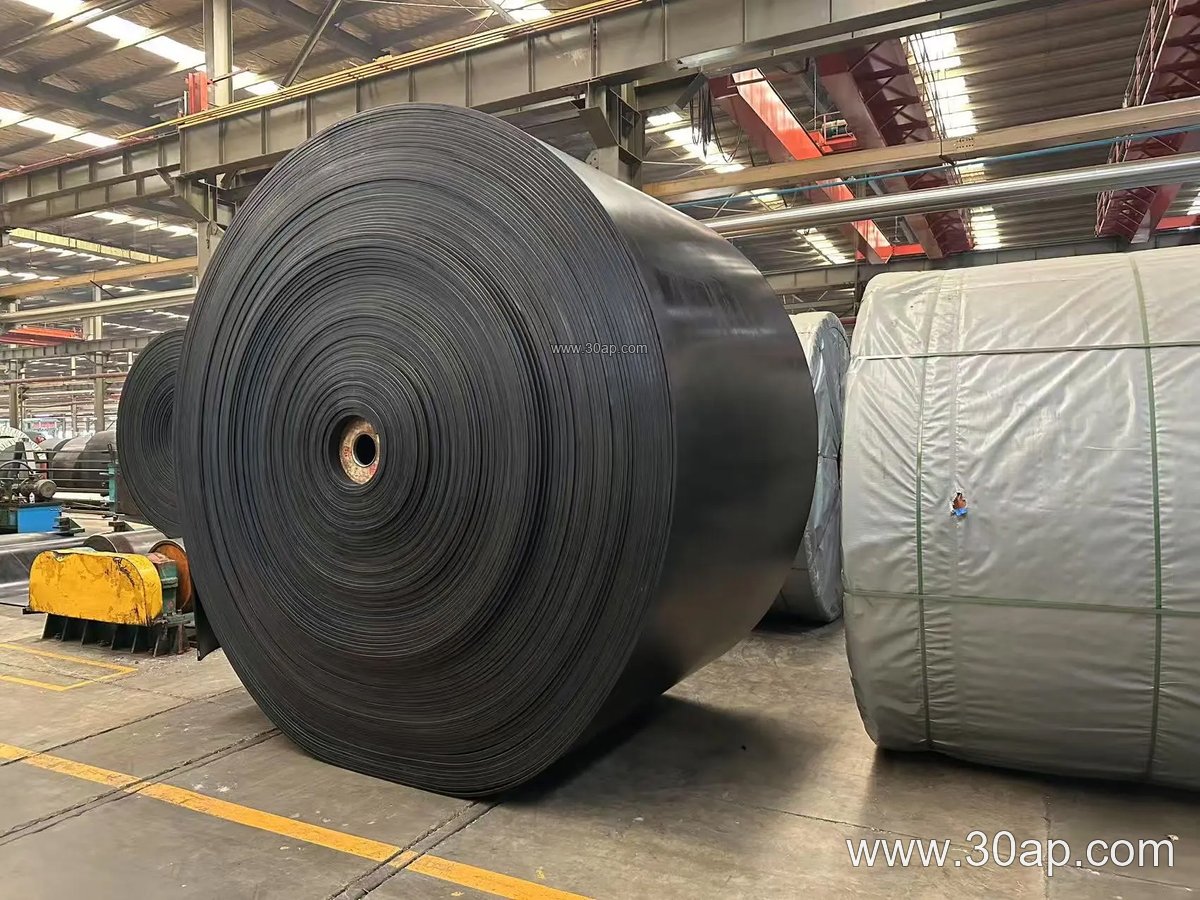
Surface forms matter too. A plain surface is standard for general bulk conveying. A patterned or chevron (人字纹) top helps on inclines by reducing material rollback. Corrugated sidewall belts are a different configuration used where steep inclines or confined space require cleated edges.
Reference Specifications
The table below lists reference values only. Actual supply depends on the manufacturer and the conveyor design.
| Parameter | Reference range |
|---|---|
| Carcass strength grade | EP1000 (also EP200 to EP2000 available in the EP family) |
| Belt width | B500, B650, B800, B1000, B1200, B1400, B1600, B1800, B2000 |
| Number of plies | Commonly 2 to 6 |
| Top/bottom cover | 3+1.5, 4+2, 5+2, 6+2, 8+3 mm |
| Surface form | Plain, patterned, chevron, corrugated sidewall |
| Special grades | Abrasion-resistant, heat-resistant, oil-resistant, flame-retardant, antistatic, cold-resistant, acid and alkali resistant |
Note that belt width and pulley diameter are matched by conveyor design, not by a fixed rule. A wider belt does not automatically require a specific pulley size, and shaft diameter is determined from the load case, not from belt width alone.
Where EP1000 Belts Are Used
The EP1000 grade fits a broad set of bulk handling duties. In mining and coal preparation, it carries run-of-mine material and washed coal over long distances. In cement plants it moves clinker, limestone and raw meal. Power plants use it on coal feed and ash handling lines. Sand and gravel yards rely on it for aggregate transport, while port terminals and steel works use it for ore and coke.
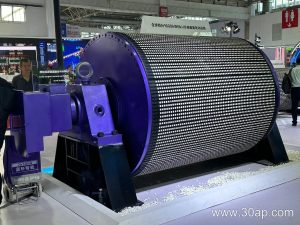
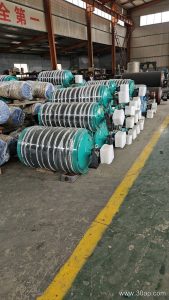
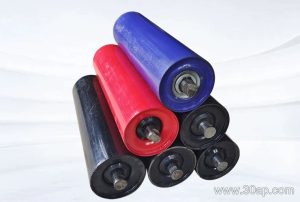
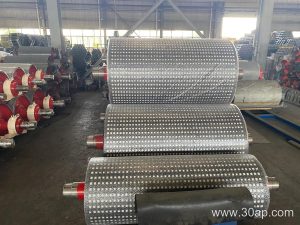
On these conveyors, the belt works with idler rollers that support the carrying and return strands, conveyor pulleys at the drive and tail positions, and conveyor brackets that hold the idlers and frame together. Drive, tail and bend pulleys each perform a distinct role and are not interchangeable. Correct alignment of idlers and pulleys extends belt life considerably.
What Buyers Should Check
- Load and tension: confirm the required strength grade against the actual operating tension, not just the material weight.
- Cover grade: match the rubber compound to the load. Abrasive rock calls for wear-resistant covers; coal service may call for flame-retardant and antistatic grades.
- Ply count and cover thickness: specify these from the conveyor design rather than copying another installation.
- Pulley and idler compatibility: check pulley diameters, idler spacing and bracket dimensions before ordering.
- Joint method: decide between vulcanized splicing and mechanical fasteners based on belt tension and downtime tolerance.
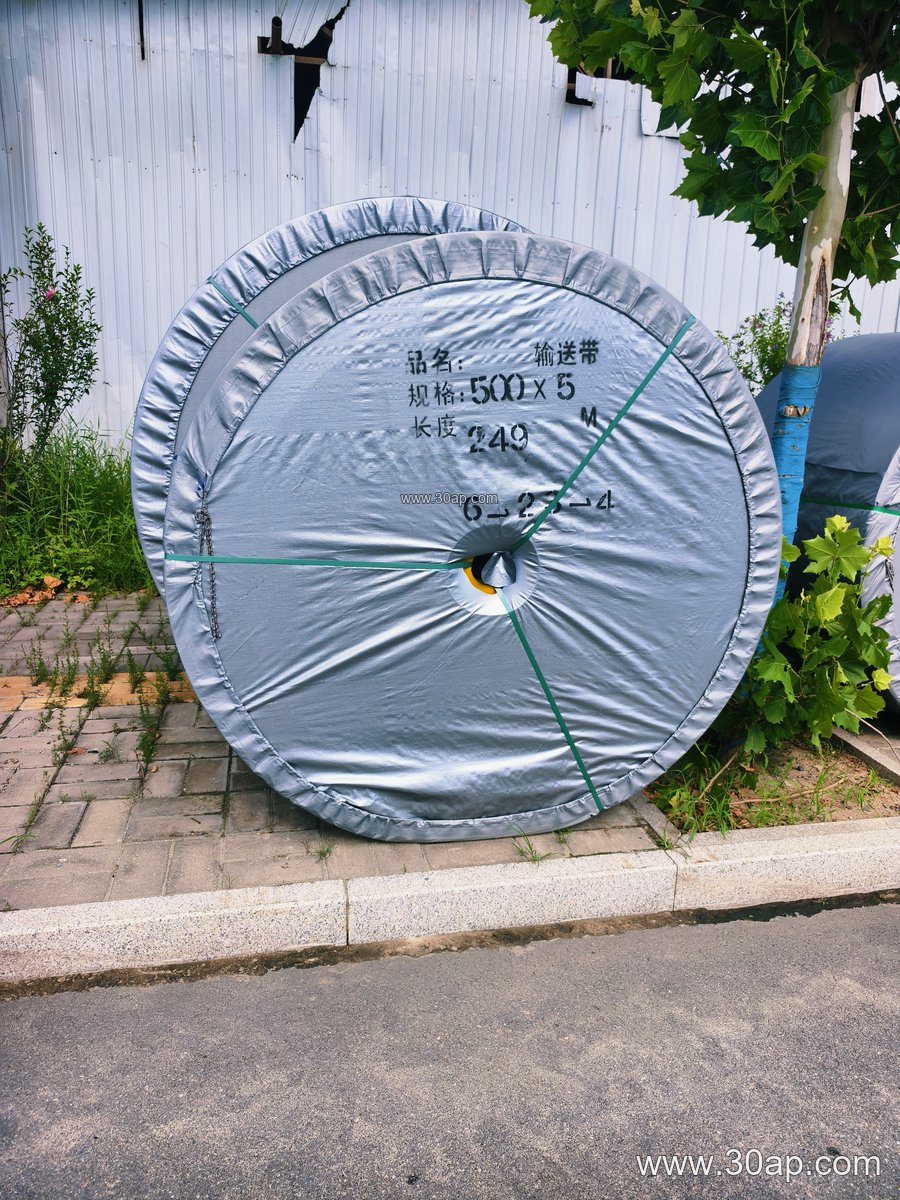
- Storage and handling: keep coils shaded and avoid sharp bends that can damage the carcass.
An EP1000 conveyor belt is a workhorse grade rather than a niche product. When the carcass grade, cover compound and surface form are chosen to match the conveyor and the material, it delivers stable tracking and long service in mines, cement works, power stations and aggregate plants alike.