What a Guide Idler Bracket Does on a Conveyor
A guide idler bracket is the mounting component that holds a guide idler in the correct position relative to the conveyor belt. In a belt conveyor, small vertical or angled guide rollers are often installed near the edges of the belt or close to a conveyor pulley to keep the belt centered and to limit lateral wander. The bracket is what ties that guide roller to the conveyor frame, so its geometry, strength and adjustment range matter as much as the roller itself.
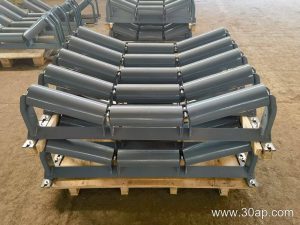
In practice, the guide idler bracket is a fabricated steel part. It may be produced from angle steel, channel steel, or folded steel plate, depending on the load and the frame design. The bracket usually carries a stub shaft or a mounting slot for the guide roller, plus bolt holes for fixing to the conveyor stringer or to a cross beam. Because it works close to the moving belt, edge clearance and smooth surfaces are important.
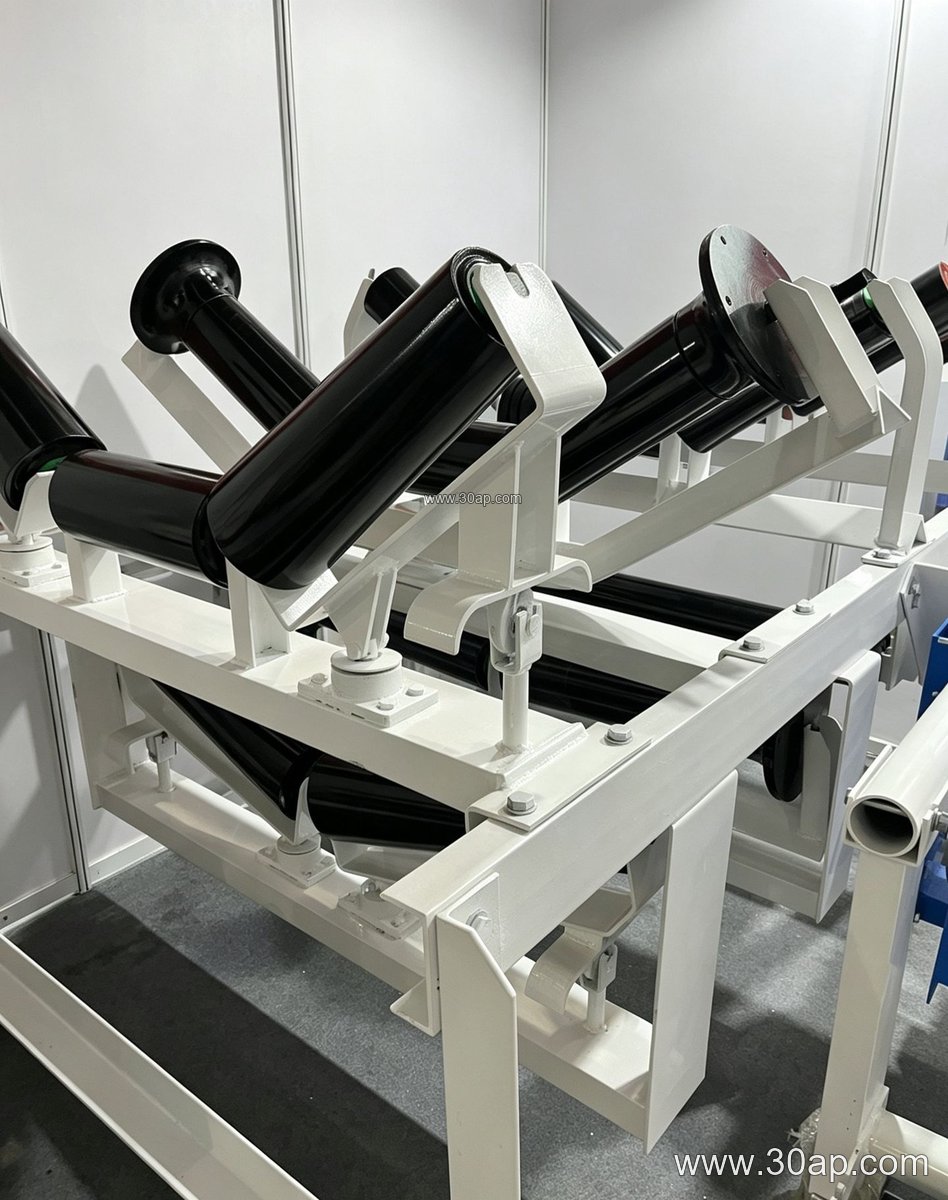
Construction and Mounting Position
A typical bracket combines a base plate, a vertical or inclined support, and a roller mounting point. The roller axis is normally set so that the guide idler touches the belt edge only when the belt begins to drift, rather than pressing on it continuously. Mounting positions vary: some brackets are fixed to the conveyor frame just before a conveyor pulley, some are placed along the carrying run, and others are fitted on the return side where belt tracking is difficult.
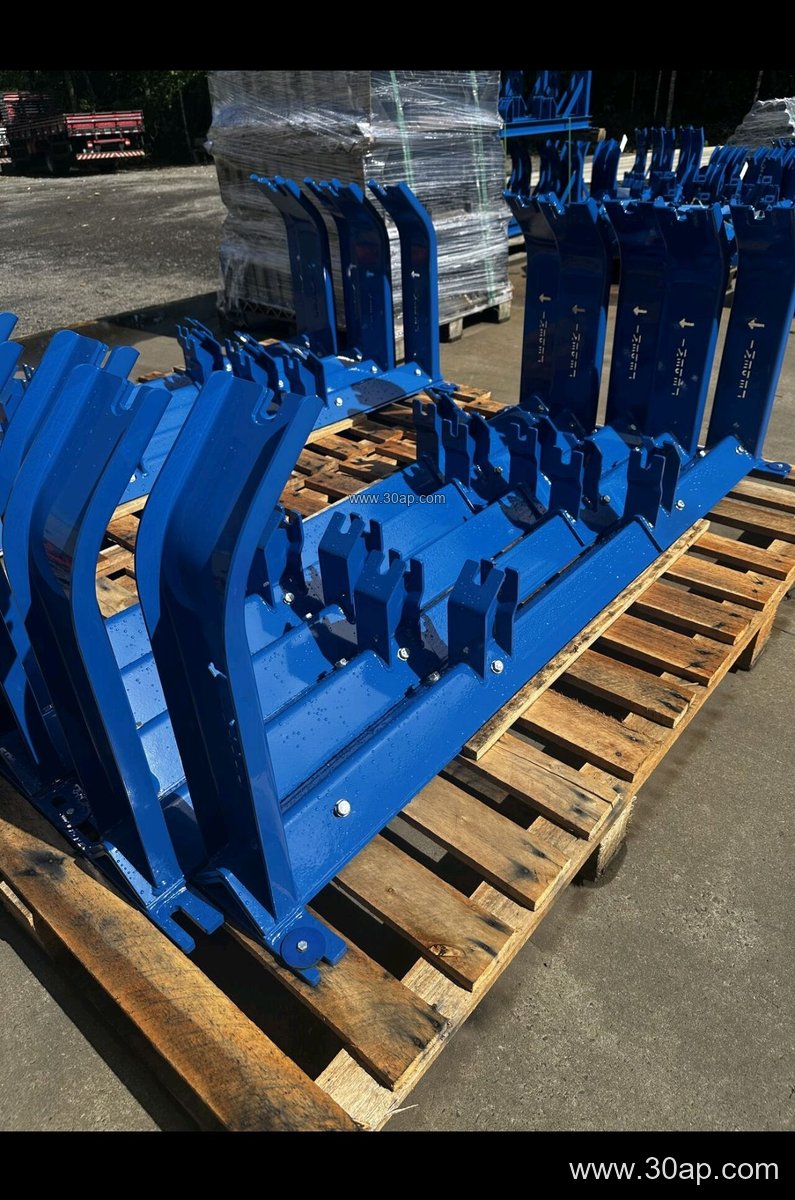
- Base plate drilled for frame bolts
- Vertical or angled support made from angle or channel steel
- Roller mounting slot or stub shaft holder
- Adjustment slots for fine positioning
- Optional gussets for extra stiffness
Fixed and adjustable versions are both common. An adjustable guide idler bracket allows the roller to be moved in or out and slightly up or down, which helps during commissioning and after belt splicing. A fixed bracket is simpler and is chosen when the belt path is already well defined.
Where It Is Used
Guide idler brackets appear wherever belt centering is critical. In a quarry or sand and gravel line, they are often fitted on the inclined sections that feed a screen. In a coal preparation plant or a power station coal handling system, they help keep the belt aligned on long runs and near transfer points. Cement plants use them on clinker and raw material conveyors, while steel mills, sintering plants, and fertilizer or grain silo operations also rely on guide rollers and their brackets to reduce edge damage.
The bracket is not a substitute for a training idler or a self-aligning idler bracket. Those components correct belt tracking actively, while the guide idler bracket usually provides a fixed reference point. Likewise, it is not a bend pulley bracket or a drive pulley support; those parts carry much larger loads and belong to a different part of the conveyor.
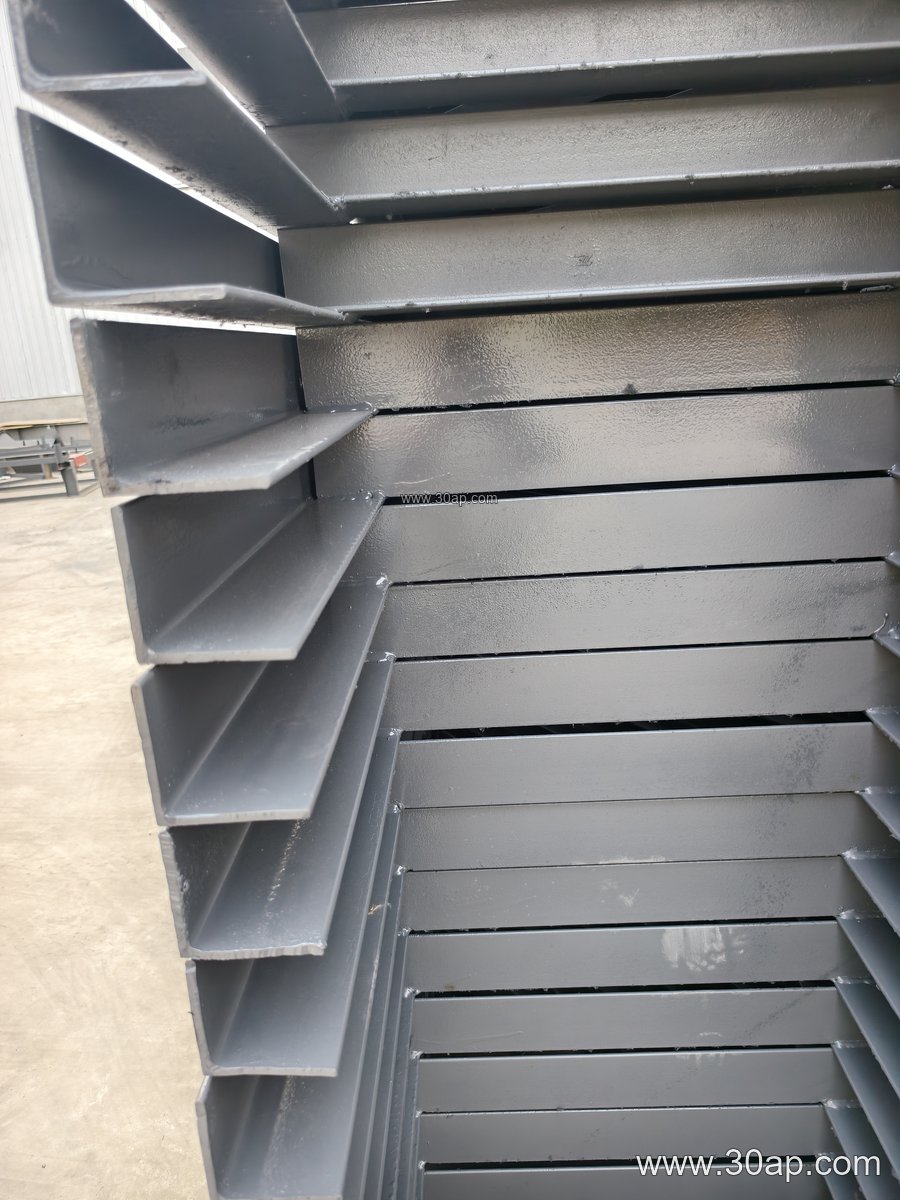
Matching the Bracket to Belt Width and Roller Size
Selection starts with the belt width and the guide roller diameter. Common belt widths include B500, B650, B800, B1000, B1200, B1400, B1600, B1800, B2000, B2200. Guide roller diameters often follow the same range used for conveyor idlers, such as Ø89, Ø108, Ø133, Ø159, Ø194. A wider belt does not automatically dictate one roller diameter, and a given belt width can be paired with more than one roller size depending on load and layout.
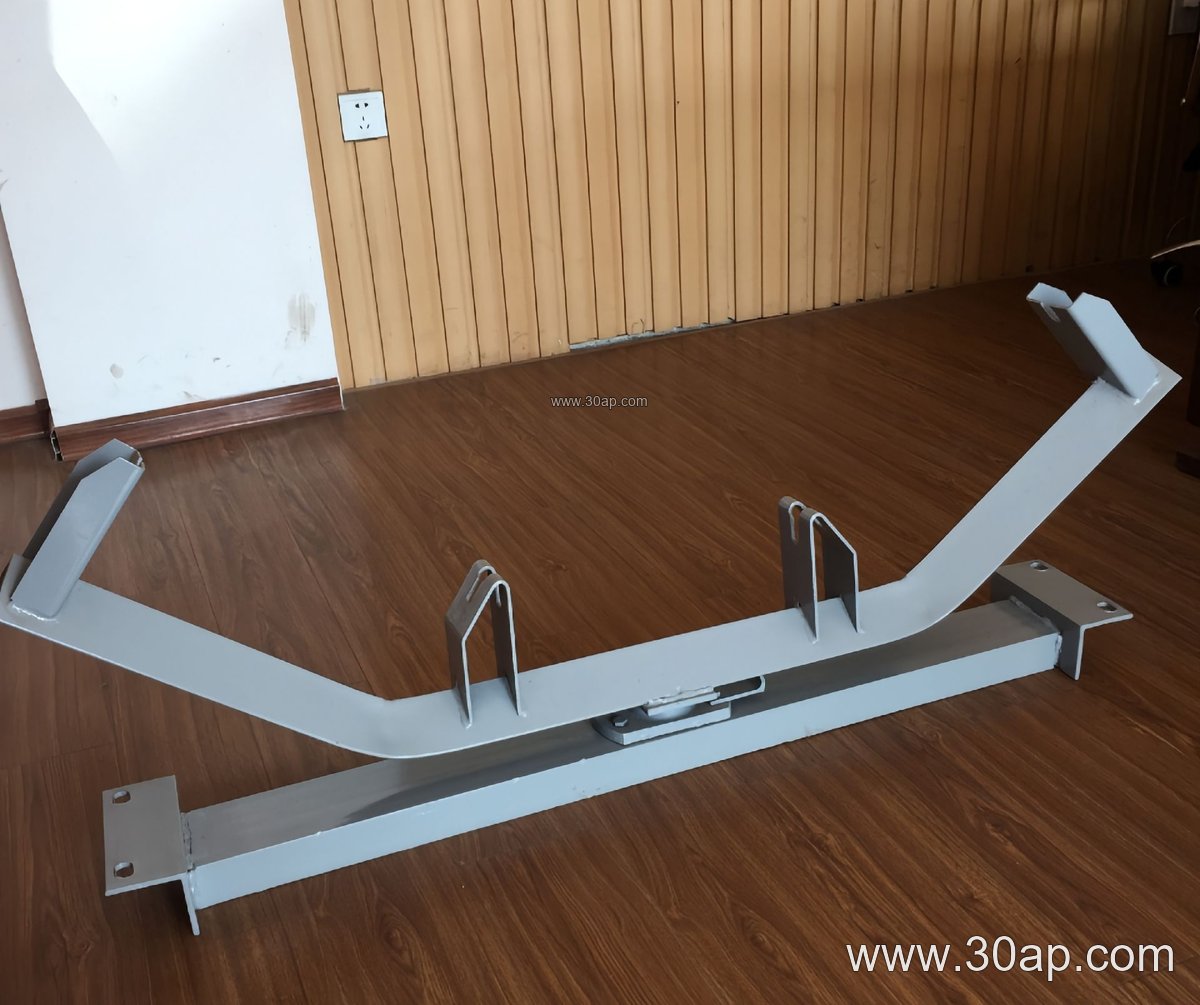
The following table shows reference combinations only; actual mounting hole spacing and cross beam length are determined by design.
| Belt width | Typical guide roller diameter | Bracket material | Mounting style |
|---|---|---|---|
| B500 | Ø89 | Angle steel | Fixed |
| B650 | Ø89 / Ø108 | Angle or channel steel | Fixed or adjustable |
| B800 | Ø108 | Channel steel | Adjustable |
| B1000 | Ø108 / Ø133 | Folded steel plate | Adjustable |
| B1200 | Ø133 | Channel steel | Fixed or adjustable |
| B1400 | Ø133 / Ø159 | Folded steel plate | Adjustable |
| B1600 | Ø159 | Channel steel | Fixed or adjustable |
| B1800 | Ø159 / Ø194 | Folded steel plate | Adjustable |
| B2000 | Ø194 | Heavy channel steel | Fixed or adjustable |
| B2200 | Ø194 | Heavy channel steel | Adjustable |
Buyer Checklist
Before ordering a guide idler bracket, confirm the belt width, the guide roller diameter, the frame bolt pattern, and whether the bracket must be fixed or adjustable. Check the available space between the belt edge and the conveyor frame, because the bracket and roller must fit without rubbing the belt. Ask for the material thickness and surface treatment, and confirm that the mounting holes match the existing conveyor bracket or stringer. For a retrofit, a simple drawing of the frame section is often more useful than a list of sizes.
During maintenance, inspect the bracket for loose bolts, bent supports, and worn roller shafts. A guide idler bracket that has shifted can push the belt sideways instead of correcting it, so alignment should be checked after any roller replacement or belt splicing.