What a 500mm Diameter Conveyor Pulley Is
A 500mm diameter conveyor pulley is a drum-shaped component used in belt conveyor systems to drive, tension, or redirect the conveyor belt. With a nominal diameter of Ø500 mm, this size falls in the mid-range of standard pulley dimensions and is commonly found in applications where moderate belt widths and load capacities are required. In Chinese industrial contexts, it is also accurately referred to as a Ø500 conveyor drum or 500mm belt conveyor pulley. The 500mm diameter conveyor pulley is distinct from other pulley subtypes such as drive pulleys, tail pulleys, and bend pulleys; these are not interchangeable, and each serves a specific function in the conveyor layout.
Construction and Key Components
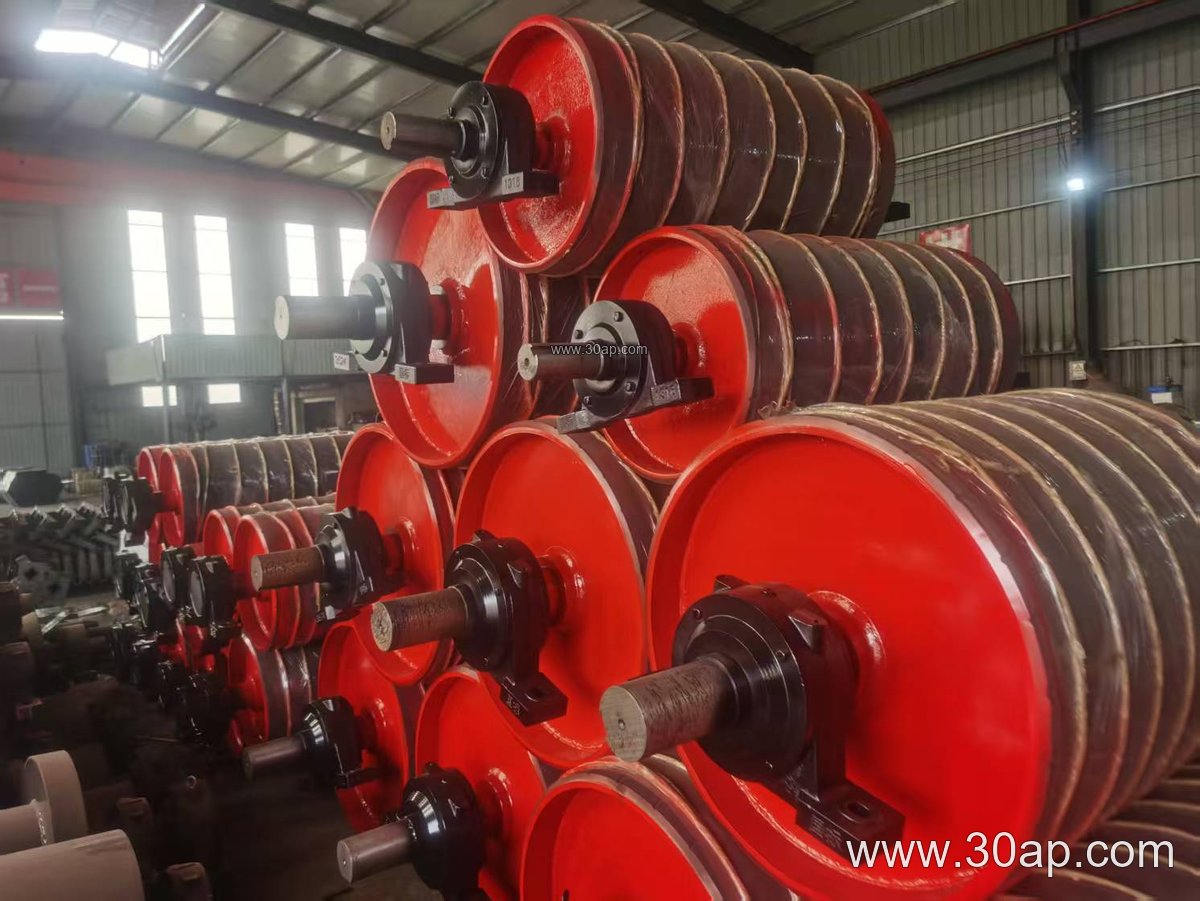
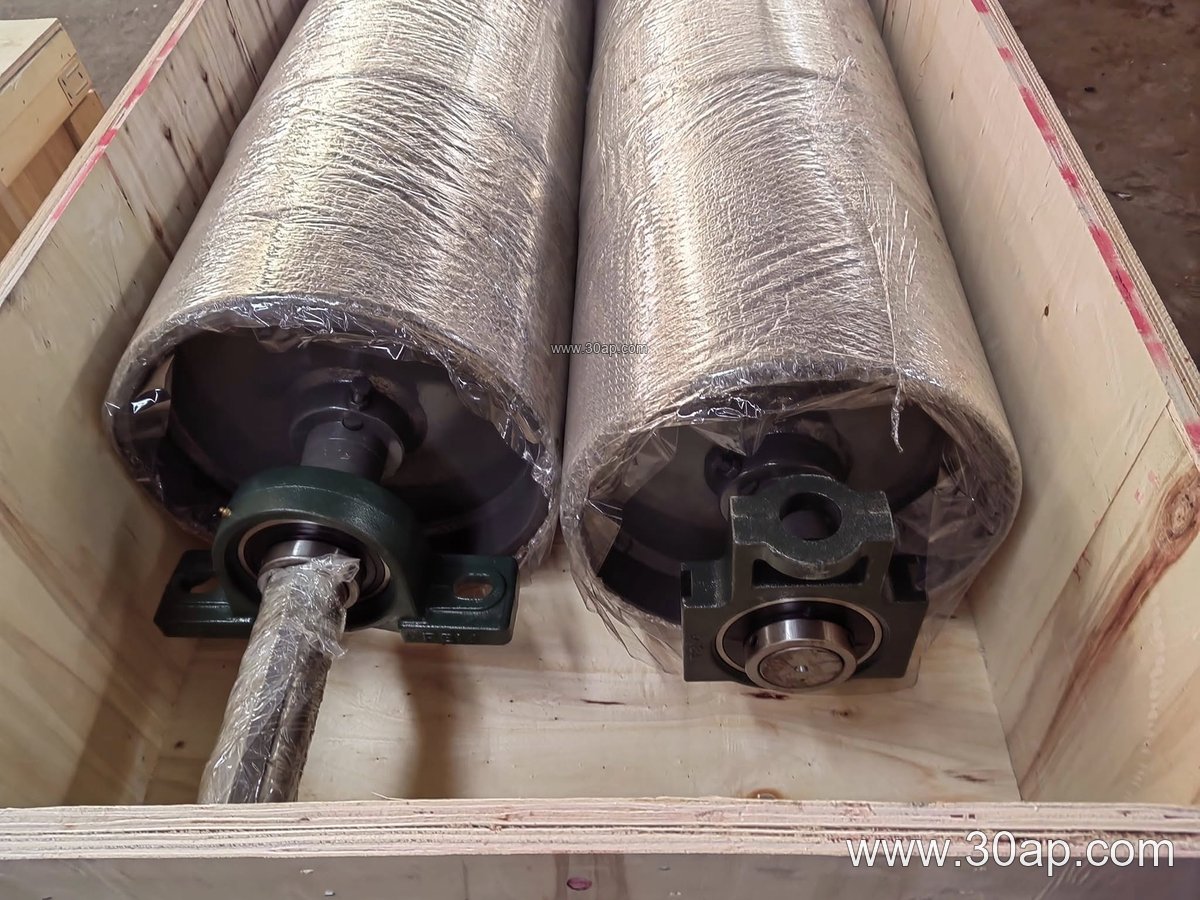
A typical 500mm diameter conveyor pulley consists of a cylindrical shell, end discs, a shaft, and bearing housings. The shell is usually made from seamless steel tube or rolled steel plate, machined to ensure concentricity. Shaft diameters are selected based on torque and load requirements—common shaft sizes for this pulley diameter may include Ø80, Ø90, Ø100, or Ø120, but the final choice depends on the specific drive or tension calculation. Surface options include plain finish, rubber lagging (cold-bonded or hot-vulcanized), diamond grooving, herringbone pattern, or ceramic lagging, with lagging thickness often ranging from 8 mm to 20 mm. The pulley face width is typically wider than the belt width; for instance, a B800 belt may use a pulley face of approximately 950 mm, while a B1000 belt may require about 1150 mm. However, there is no fixed rule that a given belt width must pair with a specific pulley diameter; the 500mm diameter conveyor pulley can be matched with several belt widths depending on the system design.
Where It Is Used
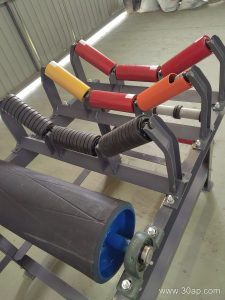
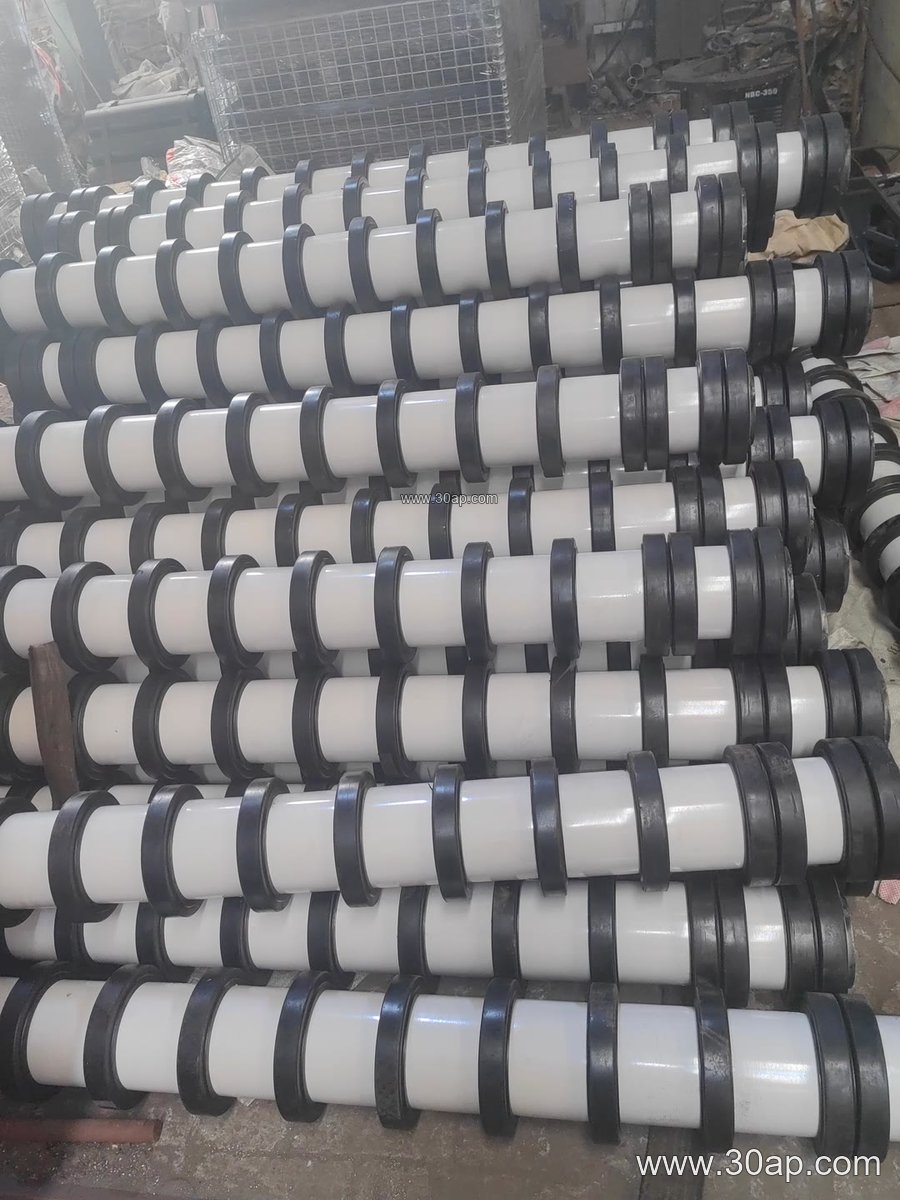
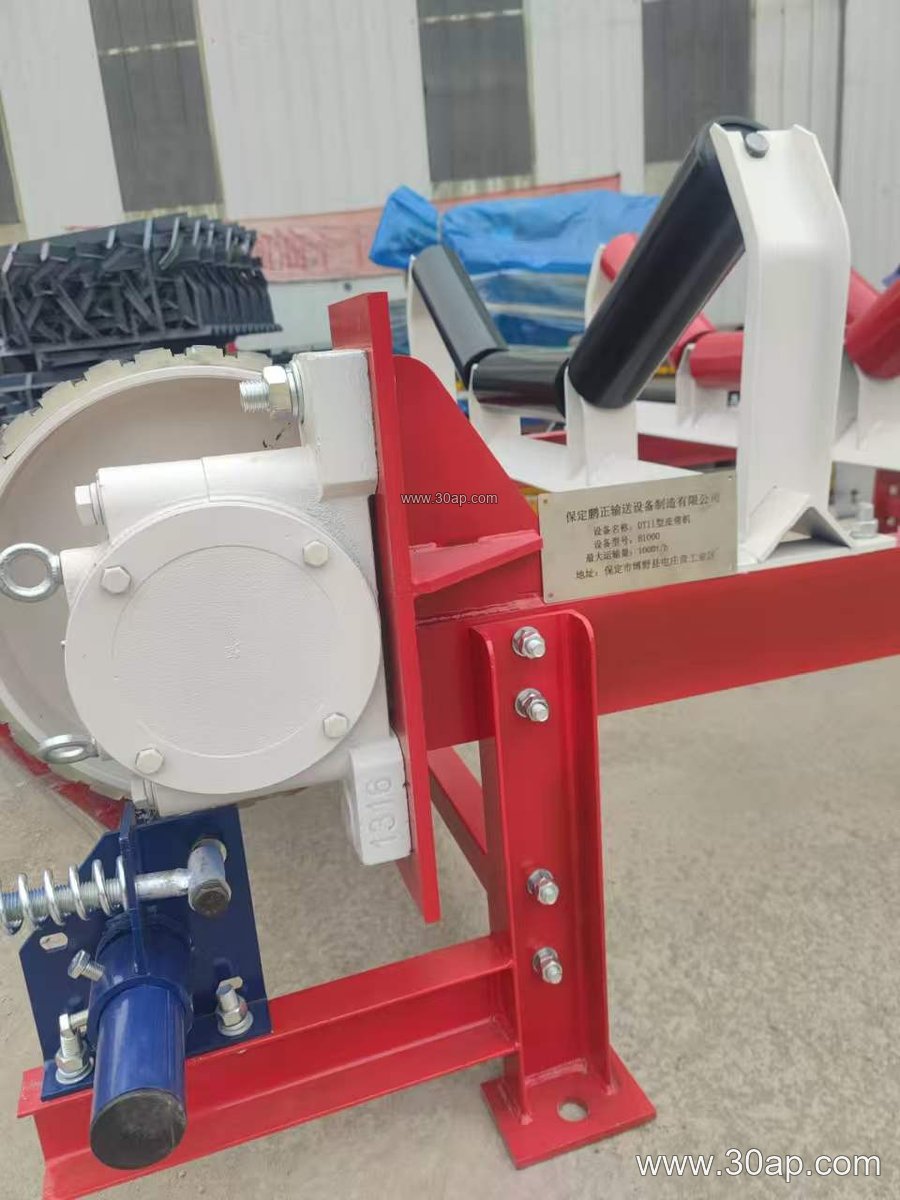
The 500mm diameter conveyor pulley is widely employed in industries such as mining, coal preparation, cement plants, power stations, and aggregate processing. In a quarry or sand and gravel line, it may serve as a head pulley or tail pulley on a medium-duty conveyor. In a coal washing plant, it can be used as a bend pulley to change the belt direction. The pulley works in conjunction with the conveyor belt, idler rollers, and conveyor brackets to ensure smooth material transport. Its moderate size makes it suitable for both fixed and semi-mobile conveyor systems where space and load capacity are balanced.
Specifications and Selection Guidance
When specifying a 500mm diameter conveyor pulley, buyers should consider the following parameters. The table below lists common reference values; actual dimensions are determined by the conveyor design.
| Parameter | Common Range / Example |
|---|---|
| Diameter | Ø500 mm |
| Belt width (B) | B500, B650, B800, B1000, B1200 (varies) |
| Pulley face width | Typically 100–200 mm wider than belt width (e.g., B800 → approx. 950 mm) |
| Shaft diameter | Ø80, Ø90, Ø100, Ø120 (determined by torque) |
| Lagging thickness | 8, 10, 12, 15, 20 mm |
| Surface type | Plain, rubber lagging, diamond, herringbone, ceramic |
| Bearing type | Spherical roller bearings or tapered roller bearings |
Selection should be based on the actual torque, belt tension, and environmental conditions. For abrasive materials, lagging with a thickness of 10–15 mm is often chosen; for high-traction needs, diamond or herringbone patterns may be preferred. The shaft diameter must never be inferred solely from belt width—it requires a proper engineering calculation.
Buyer Checklist
- Confirm the pulley’s role: drive, tail, bend, or take-up. Each subtype has different design priorities.
- Verify the belt width and required face width to ensure proper belt tracking.
- Specify the lagging type and thickness based on material abrasiveness and required friction.
- Provide the shaft diameter and bearing size according to the conveyor’s load analysis.
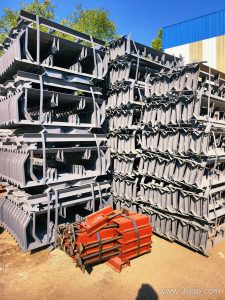
- Check compatibility with existing conveyor brackets and idler roller frames.
- Consider the operating environment—dust, moisture, or temperature may influence bearing seals and lagging choice.
While a 500mm diameter conveyor pulley is a robust and versatile component, it is not a one-size-fits-all solution. For comparison, a larger diameter pulley might be needed for very high-tension applications, while a smaller diameter could suit light-duty conveyors. Always consult the conveyor system designer to match the pulley to the specific belt width, speed, and load.