What an Abrasion Resistant Conveyor Belt Is
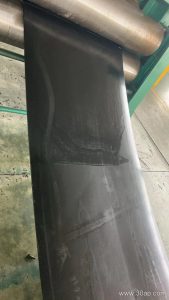
An abrasion resistant conveyor belt is a heavy duty conveyor belt built to resist surface wear when it carries sharp, hard or hot bulk materials. In mines, coal preparation plants, cement works, power stations and sand and gravel yards, the belt surface is constantly rubbed by rock, clinker, ore and aggregate. A standard belt may wear through quickly in these conditions, while an abrasion resistant conveyor belt uses a tougher rubber cover and a strong carcass to keep the carrying surface working longer.
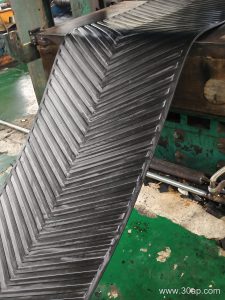
The accurate equivalent name for this product is a wear resistant conveyor belt. Both terms describe the same belt family. Within that family, subtypes such as EP, NN nylon, steel cord, PVC, PVG, flame retardant, heat resistant, oil resistant and chevron or cleated belts keep their own qualifiers and are not interchangeable with the main abrasion resistant product.
How the Belt Is Built
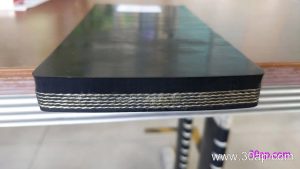
The wear resistance comes mainly from the cover compound. A typical abrasion resistant conveyor belt uses a top cover with high resistance to cutting and gouging, and a thinner bottom cover for pulley contact. Common cover combinations include 3+1.5 mm, 4+2 mm, 5+2 mm, 6+2 mm and 8+3 mm. The first number is usually the top cover thickness and the second is the bottom cover. The carcass is commonly 2 to 6 layers of fabric, or steel cord for very high tension duties.
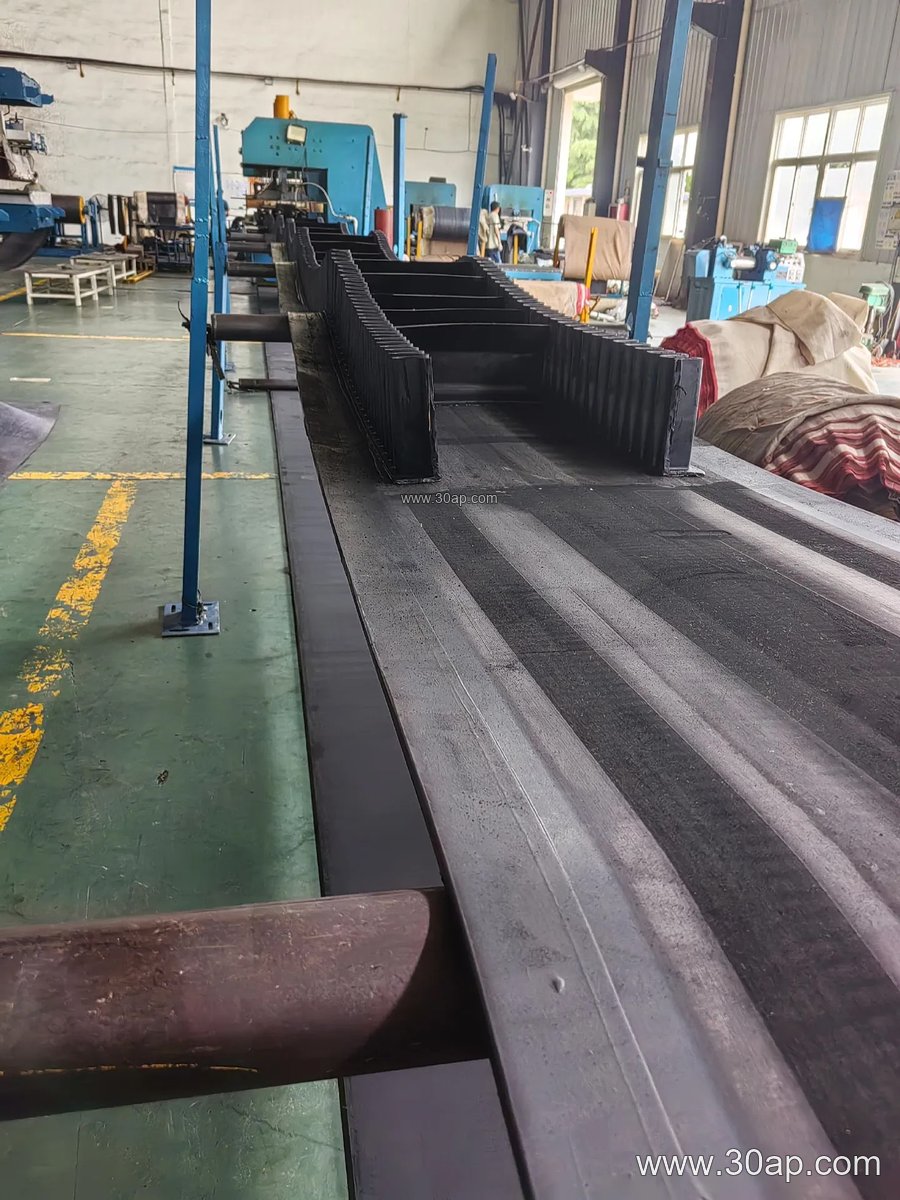
Fabric types include EP (polyester warp, nylon weft) and NN nylon. EP is often chosen where low stretch and good impact resistance are needed. NN nylon offers high flexibility but can stretch more under load. Strength grades commonly referenced include EP200, EP315, EP400, EP500, EP630, EP800, EP1000, EP1250, EP1600 and EP2000. These are reference grades, not a fixed rule for every plant. The final belt construction should be confirmed with the belt supplier for the actual conveyor design.
Common Belt Widths and Cover Options
Belt width is matched to the conveyor frame, material size and required capacity. Reference widths include B500, B650, B800, B1000, B1200, B1400, B1600, B1800 and B2000. A wider belt does not automatically mean a larger pulley diameter or a fixed shaft size; those are determined by the conveyor designer.
| Reference Item | Common Options |
|---|---|
| Belt width | B500, B650, B800, B1000, B1200, B1400, B1600, B1800, B2000 |
| Cover thickness | 3+1.5 mm, 4+2 mm, 5+2 mm, 6+2 mm, 8+3 mm |
| Carcass layers | 2 to 6 fabric layers, or steel cord |
| Strength grade | EP200 to EP2000, with NN nylon grades also available |
Where It Is Used
This belt is common in primary crushing circuits, screening plants, stockyard conveyors and transfer points where material falls onto the belt and creates impact plus sliding wear. In coal mines and coal handling systems, a flame retardant and antistatic version may be required, so the abrasion resistant cover is combined with those safety properties. In cement plants, clinker and limestone handling put heavy demands on the cover. In power plants, coal and ash conveying benefit from a tough wearing surface. In sand and gravel plants, sharp aggregate and wet material can shorten belt life, so a thicker top cover helps.
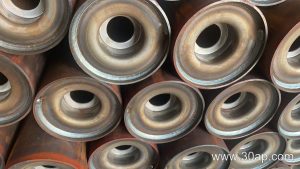
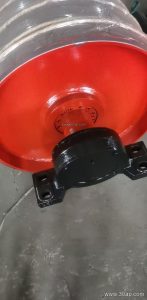
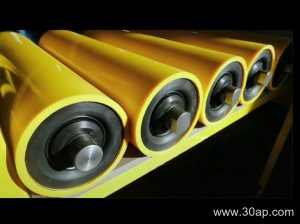
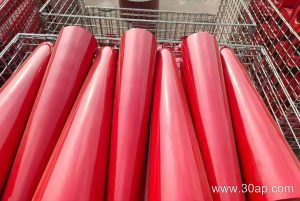
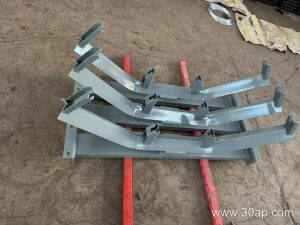
The belt runs over conveyor pulleys, including drive, tail and bend pulleys, and is supported by idler rollers mounted on conveyor brackets. These parts work together, but they are not interchangeable names. Drive pulleys transmit power, tail pulleys return the belt, and bend pulleys change its path.
What a Buyer Should Know
Before ordering, define the material type, lump size, moisture, temperature and any oil or chemical exposure. State the conveyor capacity, belt speed, trough angle and pulley sizes from the conveyor design. Ask for the cover thickness and carcass grade in writing. For dusty coal or grain sites, check whether flame retardant and antistatic properties are needed. For hot clinker or cement, a heat resistant grade may be more suitable than a standard abrasion resistant belt, so compare the two carefully.
- Check top cover thickness against impact and sliding wear.
- Confirm carcass strength grade and number of layers.
- Verify belt width against the frame and material size.
- Review joint method and splice quality.
- Keep spare idler rollers and pulley lagging in good condition to avoid edge damage.
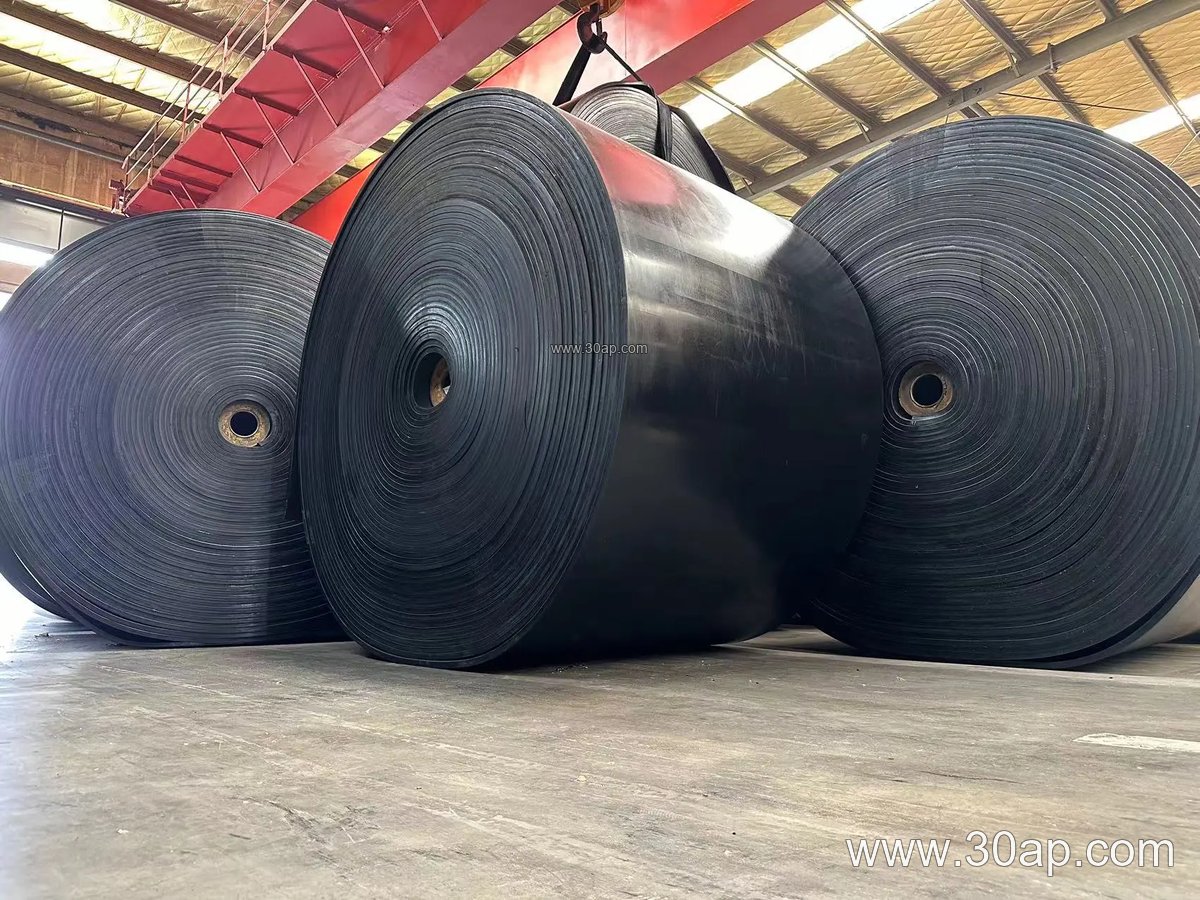
Correct storage also matters. Keep the belt roll away from direct sunlight, oil and sharp edges, and follow the supplier’s handling advice. A well matched abrasion resistant conveyor belt, used with properly aligned conveyor pulleys and free turning idler rollers, gives the best chance of long service life in abrasive bulk handling.