What an EP1000 Conveyor Belt Is
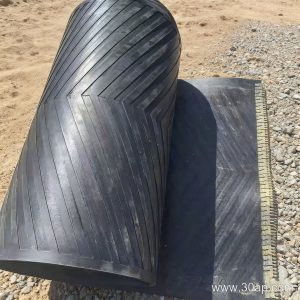
An EP1000 conveyor belt is a fabric-reinforced rubber belt built around polyester-polyamide (EP) carcass layers. The number 1000 refers to the nominal tensile strength of the carcass, commonly expressed as 1000 N/mm. It sits in the upper-middle range of EP belt strengths, so it is often chosen where a standard-duty belt is not strong enough but a steel cord construction is not yet needed. In daily site language, crews may simply call it an EP belt or a polyester conveyor belt, but the strength class matters when matching the belt to a conveyor design.
Construction and Build
The carcass is made from several plies of EP fabric, usually two to six layers depending on the required strength and the manufacturer’s design. EP fabric stretches less than cotton or some other fabrics and keeps good dimensional stability under load. Rubber covers protect the carcass from abrasion, impact, moisture and carried material. Cover thickness is normally written as top plus bottom, for example 4+2 mm or 6+2 mm.
Buyers should note that the EP1000 rating is a carcass property, not a complete statement of belt performance. Cover grade, ply count, edge construction and splice method all influence service life. A common belt for general bulk handling may combine an EP1000 carcass with abrasion-resistant covers; heat, oil, flame or cold conditions call for different cover compounds.
Typical Working Conditions
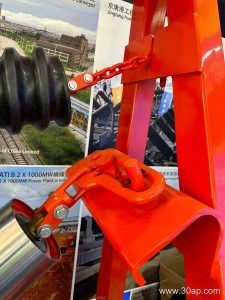
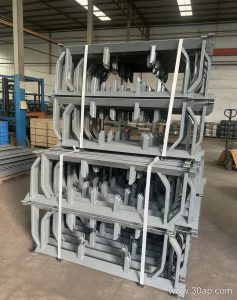
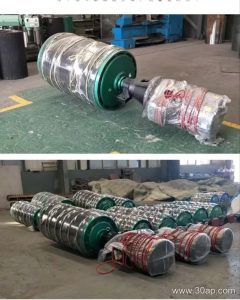
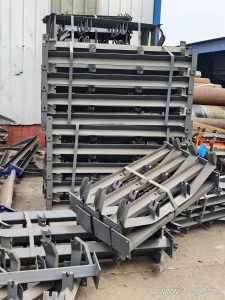
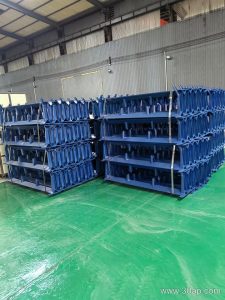
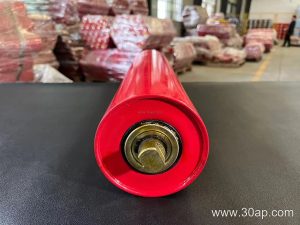
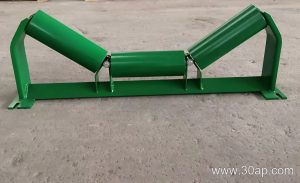
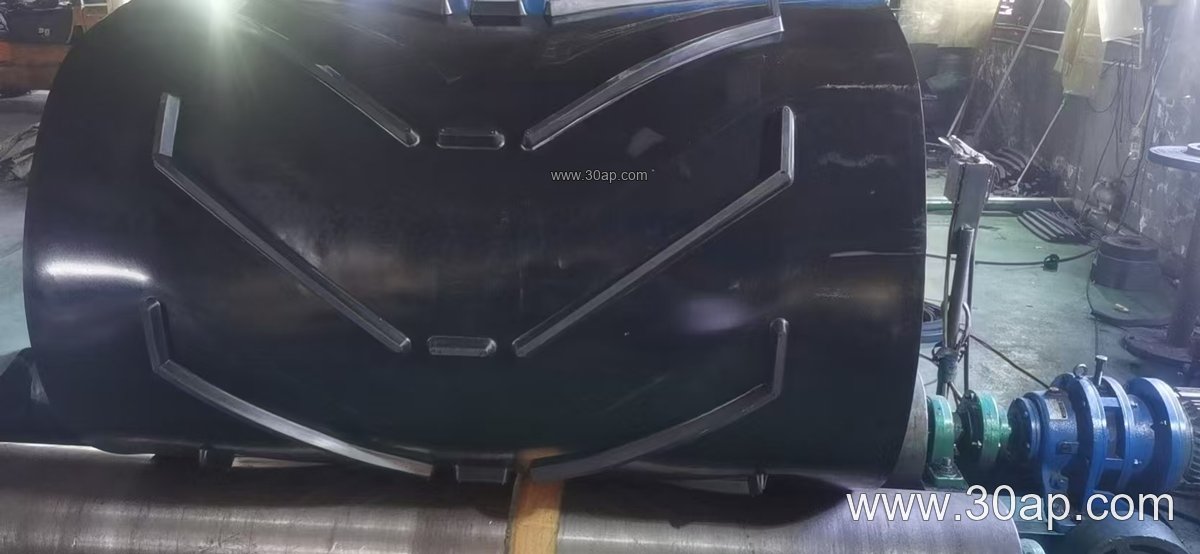
This strength class appears in mines, coal preparation plants, cement works, power stations, sand and gravel yards, and port bulk terminals. It suits medium to long conveying lines carrying crushed stone, clinker, coal, ore, sand or similar loose materials. On a typical conveyor, the belt runs over a conveyor pulley at the head and tail, supported by idler rollers along the carrying and return sides. A conveyor pulley and conveyor bracket arrangement must be aligned with the belt width and tension so that the belt tracks correctly.
Where a smaller belt is enough, a lower class such as EP630 or EP800 may be chosen; where impact and tension are higher, an EP1250 or EP1600 may be evaluated. This comparison is about matching load to strength, not about replacing one product with another.
Common Reference Dimensions
The following values are reference data for discussion with a supplier. Actual combinations are set by conveyor design, and not every belt width requires one particular pulley diameter or shaft size.
| Parameter | Common Reference Values |
|---|---|
| Strength class | EP200, EP315, EP400, EP500, EP630, EP800, EP1000, EP1250, EP1600, EP2000 |
| Belt width | B500, B650, B800, B1000, B1200, B1400, B1600, B1800, B2000 |
| Cover thickness | 3+1.5, 4+2, 5+2, 6+2, 8+3 mm |
| Carcass plies | Usually 2 to 6 layers |
Selection Points for Buyers
- Confirm the required tensile strength from the conveyor calculation, then check that EP1000 fits the resulting safety factor.
- State the material being carried, lump size, temperature and any oil or chemical exposure so the cover grade can be selected.
- Give the belt width, trough angle, pulley diameters and take-up arrangement; these affect training and splice design.
- Ask for the ply count and cover thickness in writing, since two belts of the same strength class can differ in build.
- Check that idler roller spacing, pulley lagging and loading chute design suit the belt rather than assuming the belt will compensate for poor support.
Installation and Maintenance Notes
Correct storage, careful handling and a properly executed splice extend belt life. Keep the belt running centred, inspect the conveyor pulley surfaces and idler rollers for build-up or seizure, and check fasteners and brackets for movement. A belt that mistracks may wear its edges quickly. Regular inspection of covers for cuts and exposed fabric allows timely repair.
EP1000 conveyor belt is a practical choice for many bulk conveying duties when the strength requirement and cover grade are confirmed together. The right specification comes from the conveyor design and the site conditions, not from the strength number alone.