What an 800mm Diameter Conveyor Pulley Is
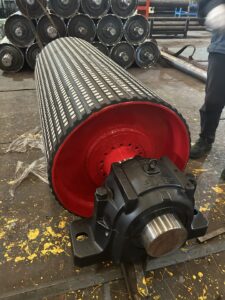
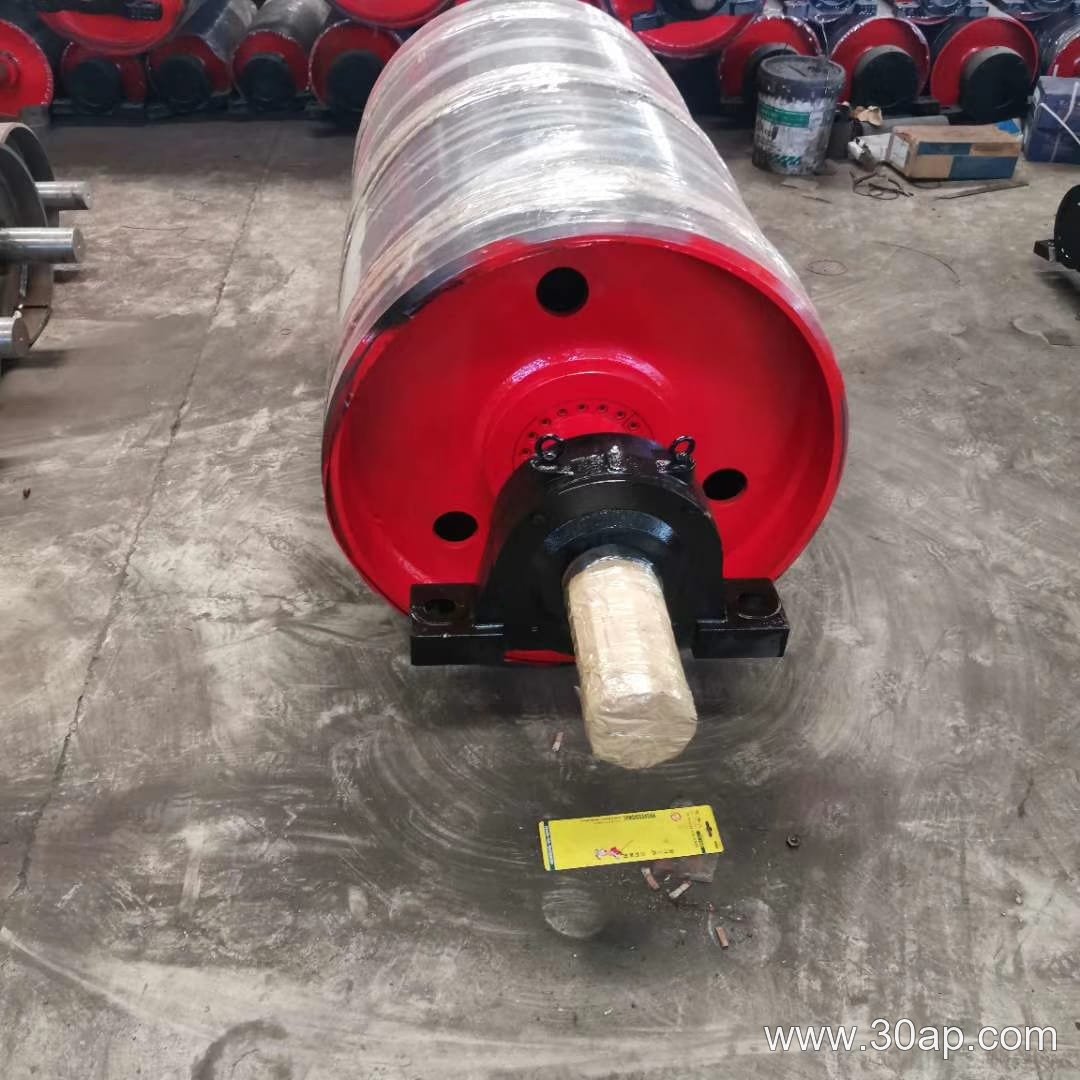
An 800mm diameter conveyor pulley is a large drum used to drive, tension, or redirect a conveyor belt in demanding bulk material handling. At this diameter, the pulley is typically found in high-tonnage operations such as iron ore mines, coal preparation plants, cement clinker lines, and port stockyards. The large face allows the belt to wrap smoothly, reduces bending stress in the carcass, and helps maintain traction where high torque is required. In many systems, this size is used as a head or drive pulley, but it may also appear as a tail or bend pulley depending on the conveyor profile.
Construction and Key Components
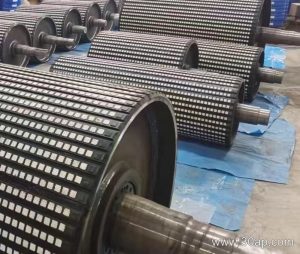
The pulley body is usually fabricated from rolled steel plate or seamless pipe, with end discs welded to the shell. A shaft runs through the center, supported by bearing housings that mount to the conveyor bracket. The shell may be machined to a slight crown to assist belt tracking, and the surface can be left plain or covered with rubber or ceramic lagging. Common lagging thicknesses include 8, 10, 12, 15, and 20 mm.
Typical materials and finishes include:
- Shell: carbon steel, sometimes stainless for corrosive environments
- Shaft: forged or turned steel, sized by torque and load rather than belt width alone
- Lagging: plain rubber, diamond groove, herringbone, or ceramic tiles
- Bearings: spherical roller or tapered roller, depending on duty
An 800mm diameter pulley may weigh several hundred kilograms, so lifting points and proper alignment during installation are important. The shaft diameter is not fixed by the 800mm size; it is calculated from the transmitted torque, belt tension, and bearing life requirements. Common shaft sizes range from Ø100 to Ø200 or more, but each design must be confirmed by the engineer.
Where It Fits in a Conveyor System
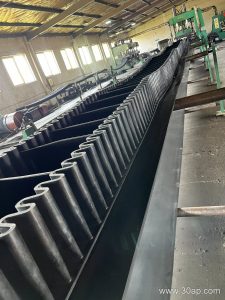
A pulley of this diameter is often selected for the head or drive position on a long overland conveyor, where the belt width might be B1000, B1200, or B1400. It can also serve as a tail pulley on a high-tension take-up, or as a bend pulley at a transfer point where the belt changes direction. In coal mines and power plant coal handling, the 800mm drum helps cope with shock loads and abrasive dust. In aggregate quarries and sand and gravel plants, it may be used on the primary crusher discharge belt or the main stockpile conveyor.
Compared with a smaller 500mm or 630mm pulley, the 800mm size offers greater contact area and lower belt flexing, which can extend splice life. However, it requires more space and stronger supporting structure. A drive pulley and a tail pulley are not interchangeable; each has a distinct role in power transmission and belt tensioning. The same applies to bend and take-up pulleys, which serve different functions.
Specifications and Selection Notes
When specifying an 800mm diameter conveyor pulley, buyers should provide the belt width, belt speed, motor power, starting torque, and environmental conditions. The table below gives common reference combinations, but these are not universal pairings.
| Belt Width | Typical Pulley Face | Example Diameter Combination |
|---|---|---|
| B800 | About 950 mm | B800 × Ø500 or B800 × Ø800 |
| B1000 | About 1150 mm | B1000 × Ø800 |
| B1200 | About 1400 mm | B1200 × Ø800 or B1200 × Ø1000 |
| B1400 | About 1600 mm | B1400 × Ø800 |
Surface lagging is chosen based on grip and wear. Plain rubber is common for general use, while diamond or herringbone grooves help shed water and fines. Ceramic lagging may be preferred in wet, abrasive conditions such as mineral processing. The pulley face width is normally greater than the belt width to allow for belt misalignment.
Other important checks include shaft deflection, bearing L10 life, and the method of locking the hub to the shaft (keyed, shrink disc, or locking assembly). The conveyor bracket must be designed to accept the bearing housing and allow for adjustment.
Maintenance and Buyer Checklist
Regular inspection of lagging wear, bearing temperature, and shaft alignment helps avoid unplanned downtime. A worn lagging can be re-coated, but the pulley must be removed and balanced. When ordering a replacement 800mm diameter conveyor pulley, confirm the shaft diameter, face width, lagging type, bearing type, and mounting dimensions. Ask for a dimensional drawing and material certificate if available. Avoid assuming that a given belt width dictates a single pulley diameter; the correct size depends on the conveyor design.
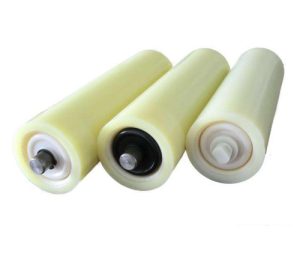
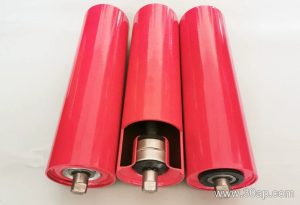
For any conveyor system, the pulley works together with the conveyor belt, idler roller, and conveyor bracket to keep material moving. Whether in a copper mine, a limestone quarry, or a fertilizer plant, the right 800mm pulley can improve reliability and belt life.