Conveyor Belt Design for Crushed Aggregate Loads
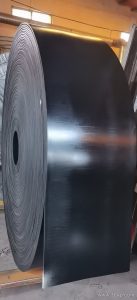
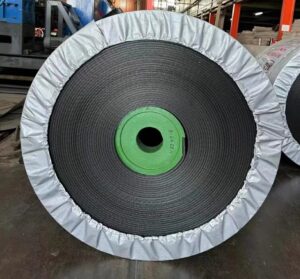
Crushed aggregate is heavy, abrasive, and often delivered in a continuous, high-volume stream. A conveyor belt in this service must resist cutting and gouging while maintaining stable tracking on the line. The material’s sharp edges and varying lump size place specific demands on cover compound and carcass strength. For example, a belt with a thicker, abrasion-resistant cover may last longer under impact, but adds weight and cost. The following checklist highlights practical considerations for an aggregate-handling conveyor belt in a general manufacturing line.
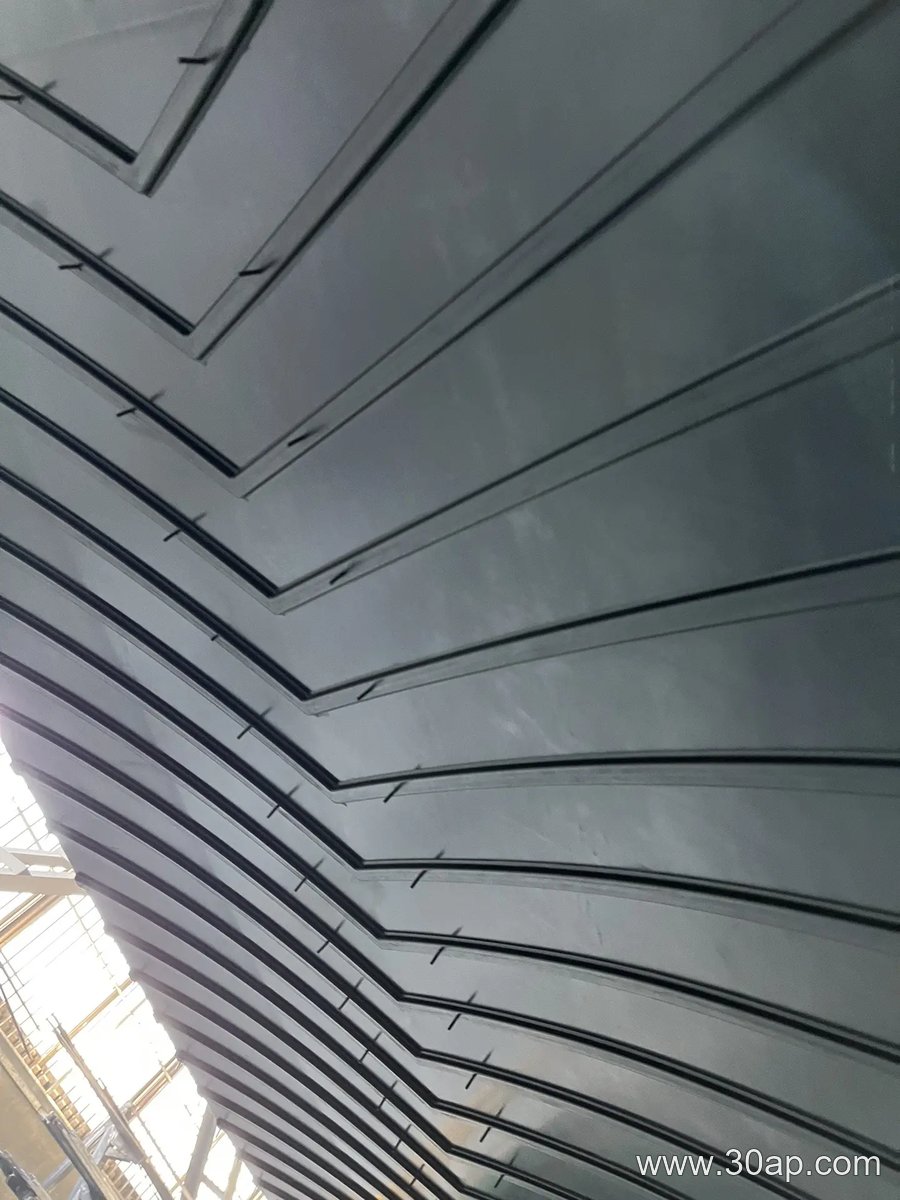
Material and Construction Checks
- Cover grade: choose an abrasion-resistant rubber to handle sharp aggregate particles.
- Carcass type: fabric or steel cord depends on the load and distance; higher tension ratings suit longer runs.
- Impact resistance: at transfer points, consider a belt with a breaker ply or extra cover thickness.
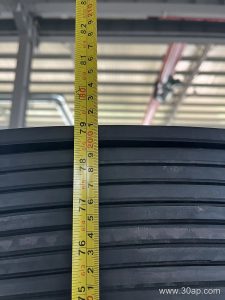
- Belt width and speed: these affect capacity and the risk of spillage; they should match the aggregate’s top size and throughput.
- Joint preference: vulcanized splices typically outperform mechanical fasteners for heavy, continuous loads.
Note that these are general engineering considerations, not fixed specifications. For any actual project, confirm values with your belt supplier and conveyor designer.
From Tube to Turning Roller: Manufacturing Stages That Decide Idler Roller Quality
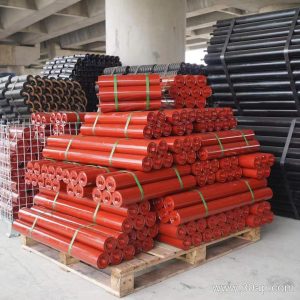
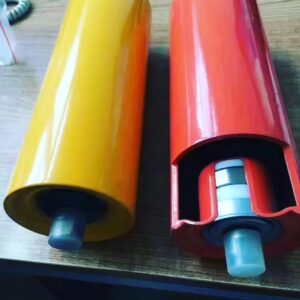
A common misconception is that an idler roller is simply a tube with bearings pressed in. In reality, each production stage — tube cutting, machining, welding, balancing, and sealing — leaves a mark on roundness, concentricity, and bearing life.
Tube Preparation and Machining
Cut length and end squareness set the reference for everything after. If the tube is not squared or the bore is not concentric, the idler roller will run with runout, which accelerates belt wear and seal damage.
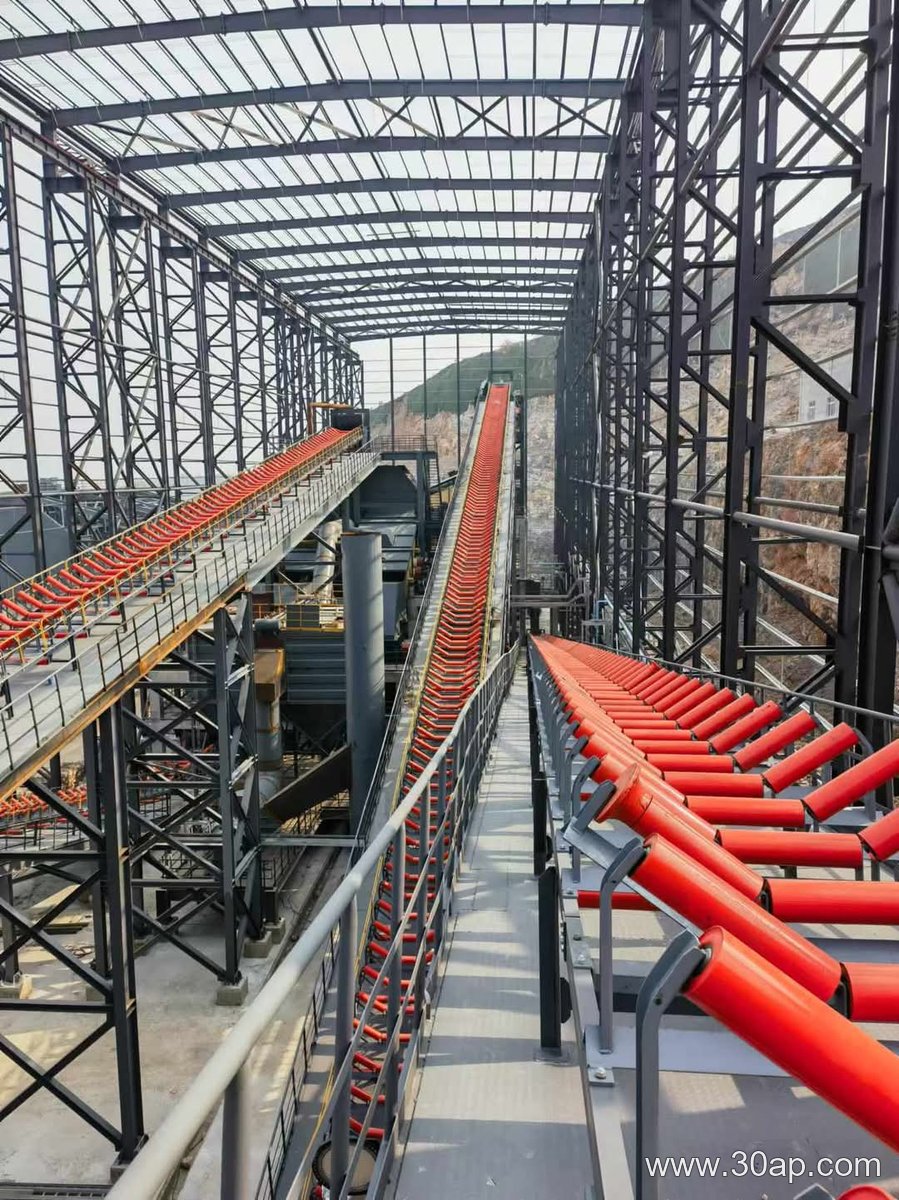
Welding and Dynamic Balancing
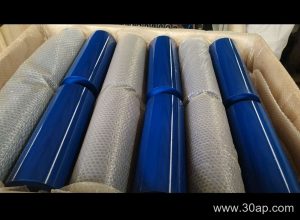
Shaft-end welding introduces heat distortion. A balanced idler roller, corrected after welding, reduces vibration at higher belt speeds. Without balancing, even a small eccentric mass shortens bearing service life.
Sealing and Assembly
At a bulk-material port terminal, dust and salt air are constant. The seal type and grease fill determine whether the idler roller keeps turning or seizes. Clean assembly conditions matter as much as the seal design.
- Verify tube roundness and end squareness before assembly.
- Balance after welding, not before.
- Match seal and grease to the actual dust and moisture level.
Conveyor Pulley Priorities in Coal Service
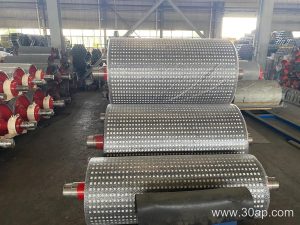
Coal is abrasive, often wet, and can carry fines that settle around seals. For a conveyor pulley in a mineral-processing plant, these traits matter more than headline tonnage.
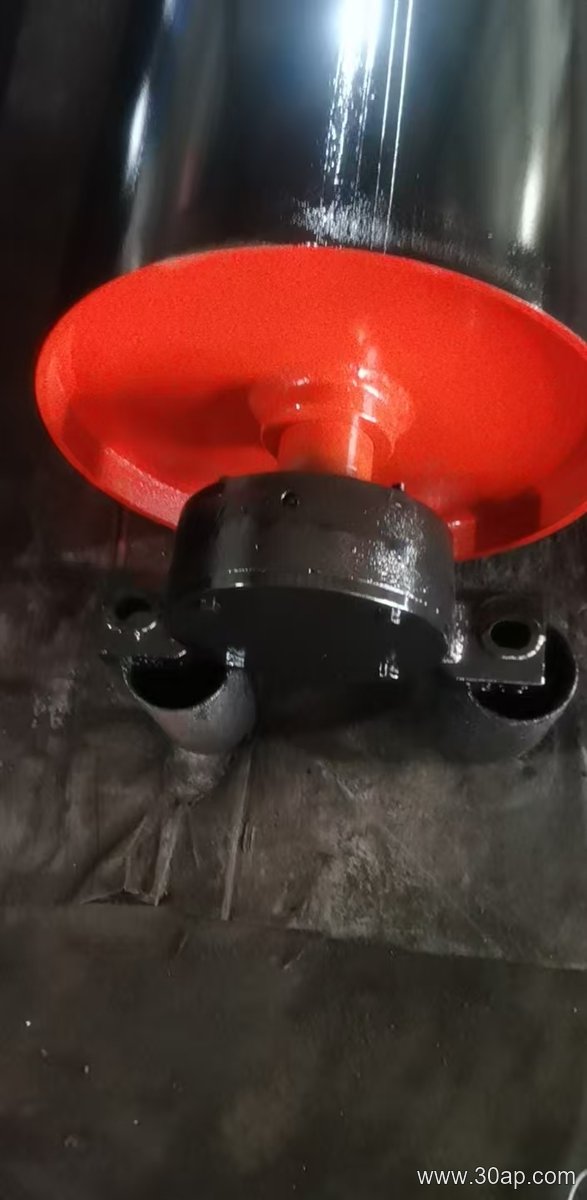
What to verify
- Lagging that grips wet coal without trapping fines.
- Seal and bearing protection against dust ingress.
- Face width and shaft fit based on the actual belt, not an assumed size.
Confirm the duty with the belt tension and drive arrangement, and treat any project figures as hypothetical.
Why standard brackets may fail in dusty quarries
A common misconception is that any sturdy steel conveyor bracket will last in a quarry. In reality, aggregate dust penetrates moving parts and accelerates wear, so the bracket must manage abrasion and buildup, not just load.
Design considerations for aggregate duty
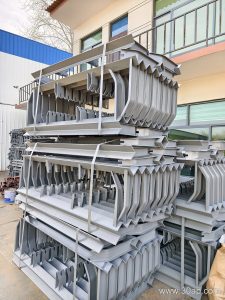
A conveyor bracket for aggregate should have smooth surfaces to shed dust, sealed or shielded adjustment points, and corrosion protection for wet dust. Trough idler bracket sets with slotted holes allow alignment without disassembly.
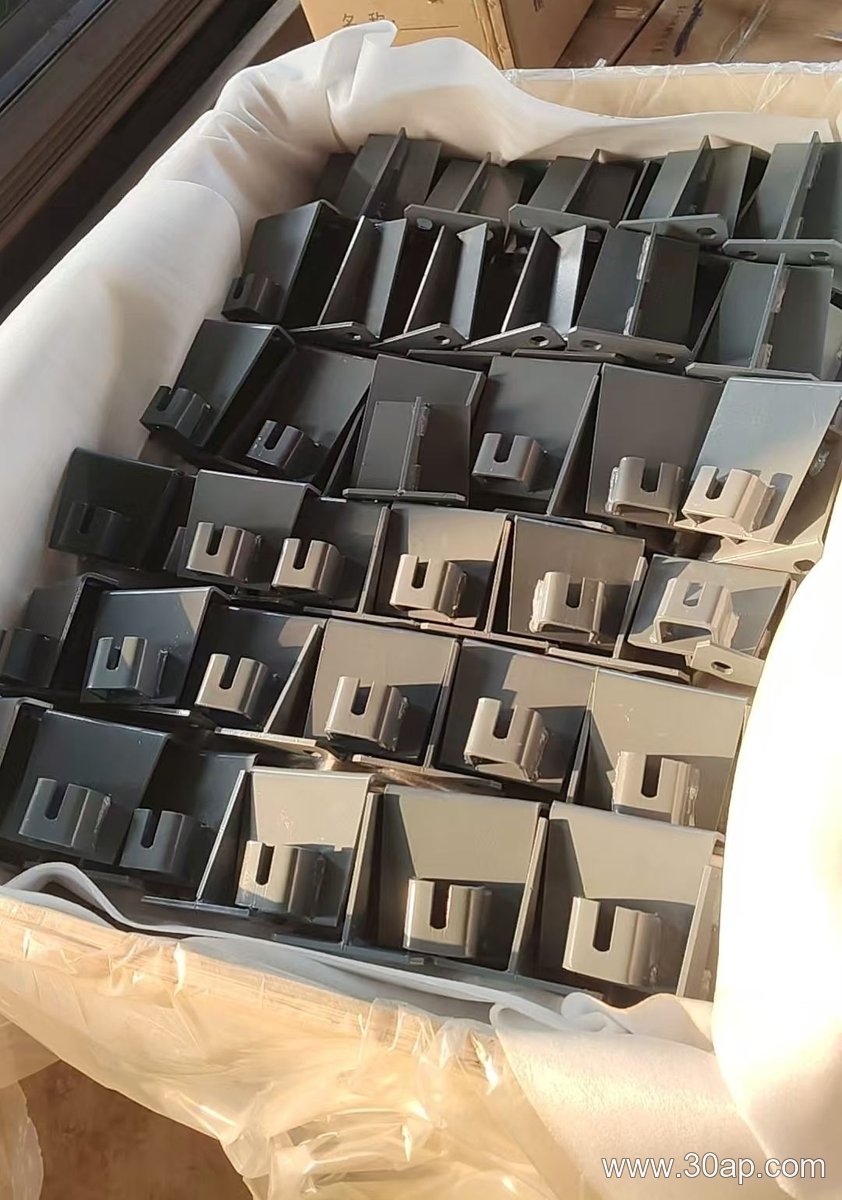
- Use abrasion-resistant steel where dust rubs.
- Avoid pockets that trap fines.
- Choose bolt-on designs for easier maintenance.
These choices keep the bracket functional in a dusty quarry environment.