What Idler Processing Covers
Idler processing is the sequence of steps that turns raw tube, shaft, bearing and seal components into a finished conveyor idler roller ready to sit under a moving conveyor belt. In a bulk handling line, the idler is a small part repeated many times, so the quality of its processing decides how smoothly the whole conveyor runs. A well processed idler spins freely, holds its alignment, keeps dust and water out of the bearing housing, and wears evenly against the belt surface. A poorly processed one drags, rattles, or seizes, and that drag shows up as extra power draw, belt edge wear, and unplanned stoppages.
The work usually combines cutting, machining, welding, bearing assembly, sealing, greasing, balancing and final inspection. Each step is simple on its own. The difficulty is consistency, because a long overland conveyor may carry hundreds or thousands of idlers, and one weak unit can affect belt tracking along an entire section.
How an Idler Roller Is Built
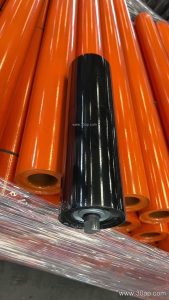
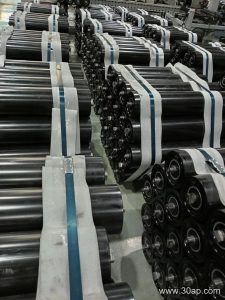
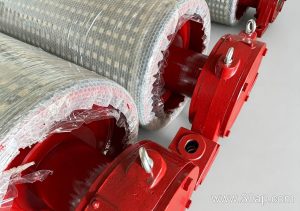
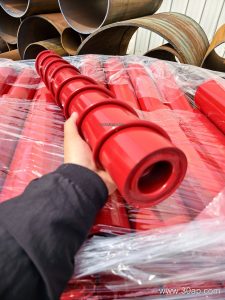
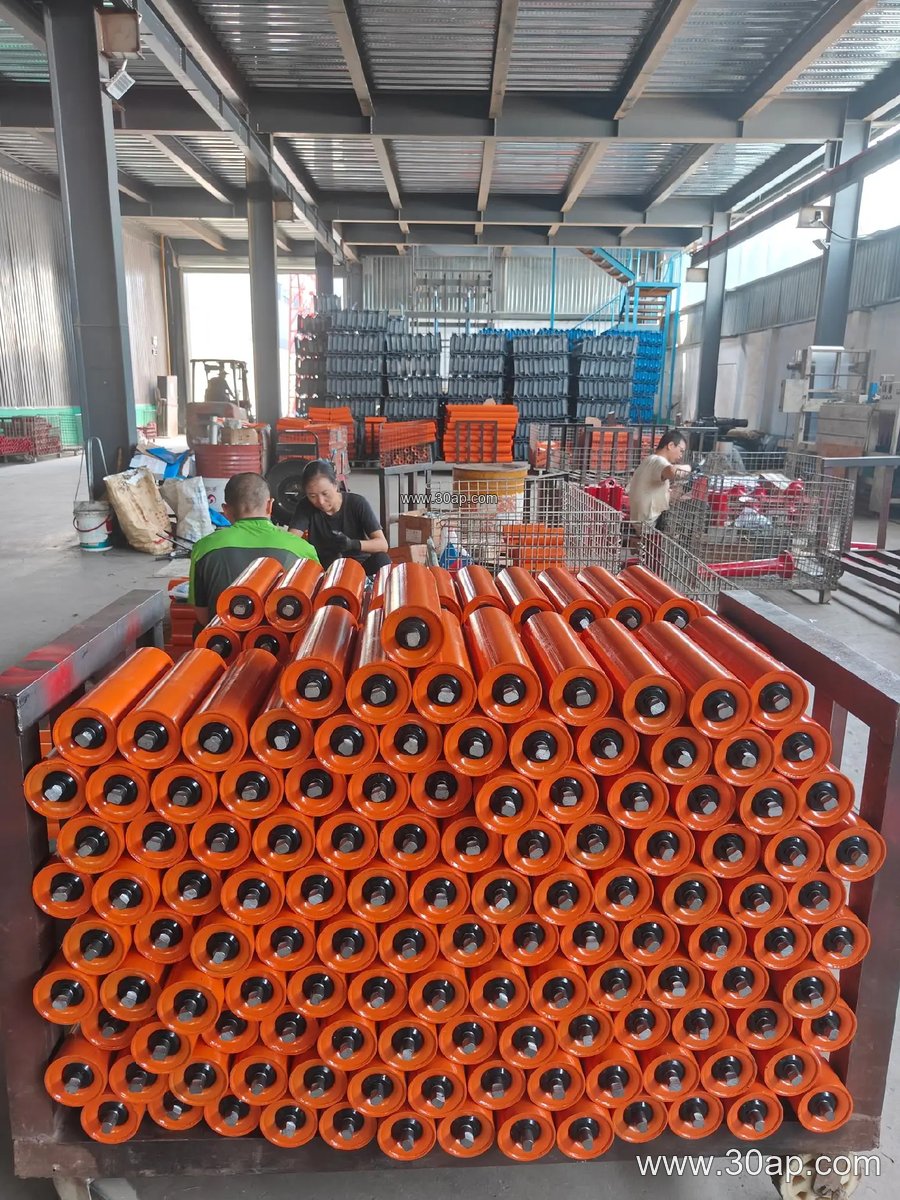
Most idlers start with a steel tube shell, cut to length and machined at both ends to accept bearing housings. The shaft is turned to the required journal diameter, then pressed or welded into the end caps depending on the design. Bearings are seated inside the housing, followed by seals, labyrinth rings or dust covers. Grease fills the bearing cavity, and the completed roller is checked for rotation resistance and runout.
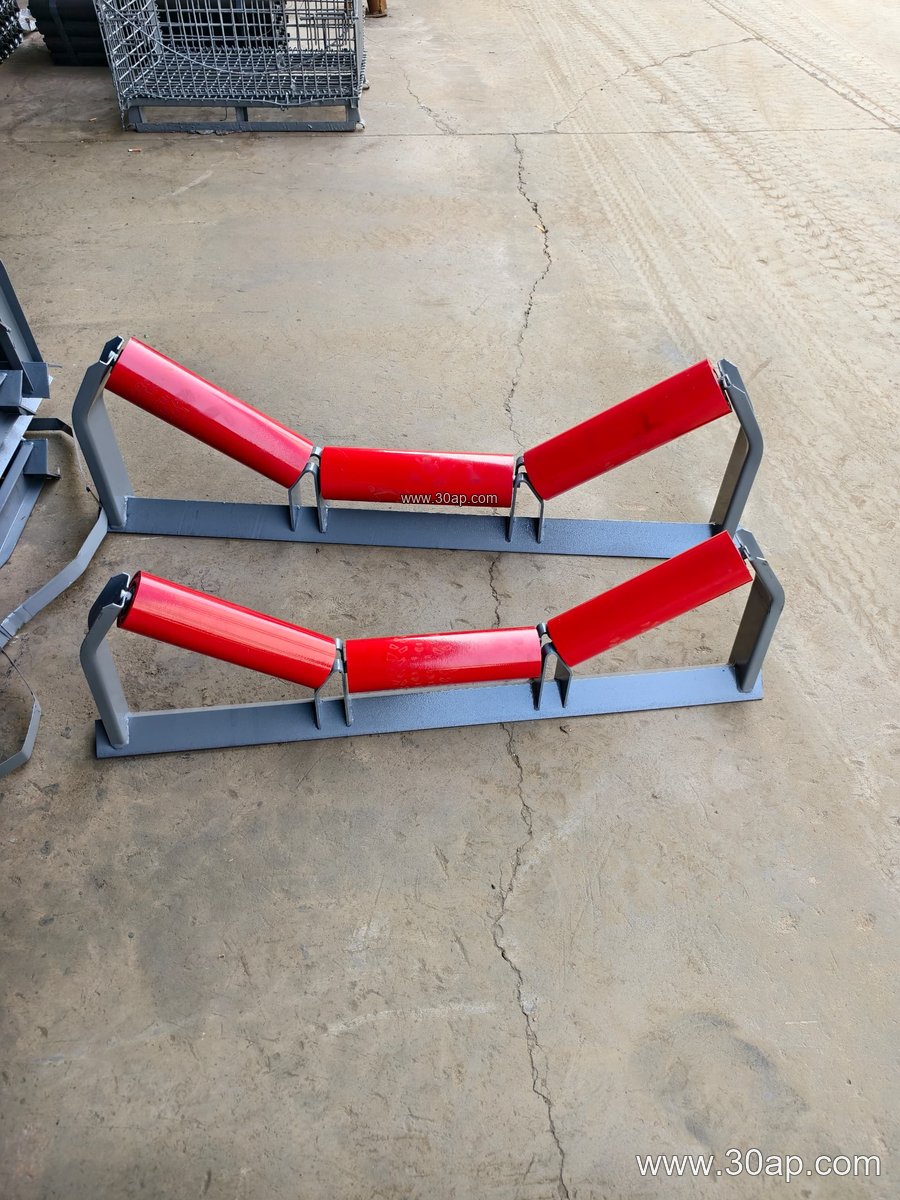
Some rollers use a nylon or ceramic sleeve over the shell, and rubber rings are common on impact sections. The table below lists typical reference values; actual selection depends on belt width, load and conveyor design.
- Common roller diameters: Ø63, Ø76, Ø89, Ø102, Ø108, Ø127, Ø133, Ø159, Ø178, Ø194, Ø219 mm
- Common belt widths: B400, B500, B650, B800, B1000, B1200, B1400, B1600, B1800, B2000, B2200, B2400
- Trough angles: 20, 30, 35 and 45 degrees; forward tilt is often about 1.5 to 2 degrees on training idlers
- Frequent bearing sizes: 6204, 6205, 6305, 6306, 6308, 6310
Roller length changes with belt width, trough angle and the idler set arrangement. For a three-roll troughing set, a B800 belt often uses a roll around 315 mm long, B1000 around 380 mm, B1200 around 465 mm, and B1400 around 530 mm. These are examples only; side rolls and centre rolls can differ, and the final length should follow the conveyor drawing.
Processing Details That Affect Performance
Sealing is where many idler problems begin. In a quarry or a cement plant, fine dust finds every gap, and once it reaches the bearing race the roller life drops quickly. A multi-stage labyrinth seal combined with good grease retention handles this better than a simple cap. Weld quality matters too, since a shaft that is not square to the shell will cause the roller to run out of true and push the belt sideways.
Balancing deserves attention on high-speed conveyors. A roller that is out of balance vibrates, and that vibration transfers into the frame and the conveyor bracket. Surface finish on the shell also affects belt wear; a rough weld seam or burr can damage the bottom cover of a rubber conveyor belt over time.
For abrasive duty, such as an iron ore or copper ore transfer line, thicker shells and hardened bearing housings are worth considering. In a coal mining conveyor, flame retardant and anti-static properties are usually specified for the belt, and the idler components should suit the same environment. A steel cord conveyor belt or a heavy-duty mining conveyor belt carries high tension, but the idlers still need to support the load evenly, so spacing and roll diameter are chosen together.
Where Processed Idlers Are Used
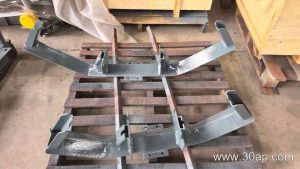
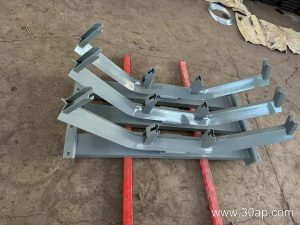
Processed idlers appear along every section of a belt conveyor. Troughing idlers carry the loaded strand, return idlers support the empty belt, impact idlers sit below the loading point, and training idlers correct misalignment. In a power plant coal yard, a ship loading terminal, or a stone crushing line, the same principles apply, though dust, moisture and temperature differ.
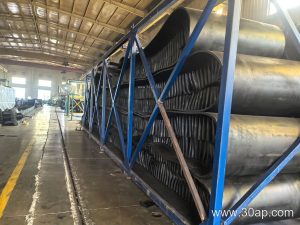
When the conveyor uses a corrugated sidewall conveyor belt or a pipe conveyor belt, the idler arrangement is specific to that belt form, so the processing must match the drawing rather than a generic pattern. The same is true near a crusher, where impact idlers with rubber rings absorb falling rock energy before the belt reaches the carrying run.
What a Buyer Should Check
Before ordering, confirm the belt width, the trough angle, the idler set type (single roll, two roll or three roll troughing), the shaft diameter and the mounting dimensions. Ask how the bearing housing is sealed and what grease is used. Check that the roller is balanced and that the shaft ends fit the existing conveyor bracket without modification.
For harsh sites, request samples and run them for a period before committing to a large batch. Keep spare idlers in stock for the sections that fail most often, usually the loading zone and the tail area. A small investment in correct idler processing reduces belt damage and keeps the whole conveyor running quietly.