What a Conveyor Support Bracket Does
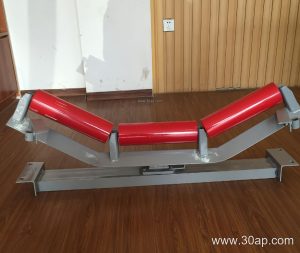
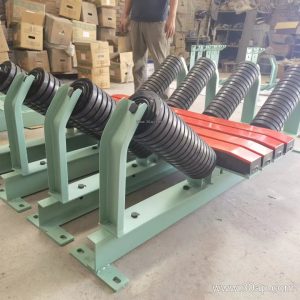
A conveyor support bracket is the structural element that holds idler rollers at the correct position and angle beneath and above the conveyor belt. It connects the roller frame to the main conveyor stringer or beam, keeping the belt profile stable along the entire run. In a typical bulk handling line, hundreds of these brackets work together with idler rollers, conveyor pulleys, and the belt itself to maintain smooth material flow. Whether the line moves limestone in a quarry, coal in a power plant, or clinker in a cement works, the bracket is a small but critical link in the whole support system.
For a broader view of matching components, visit conveyor bracket and idler roller pages.
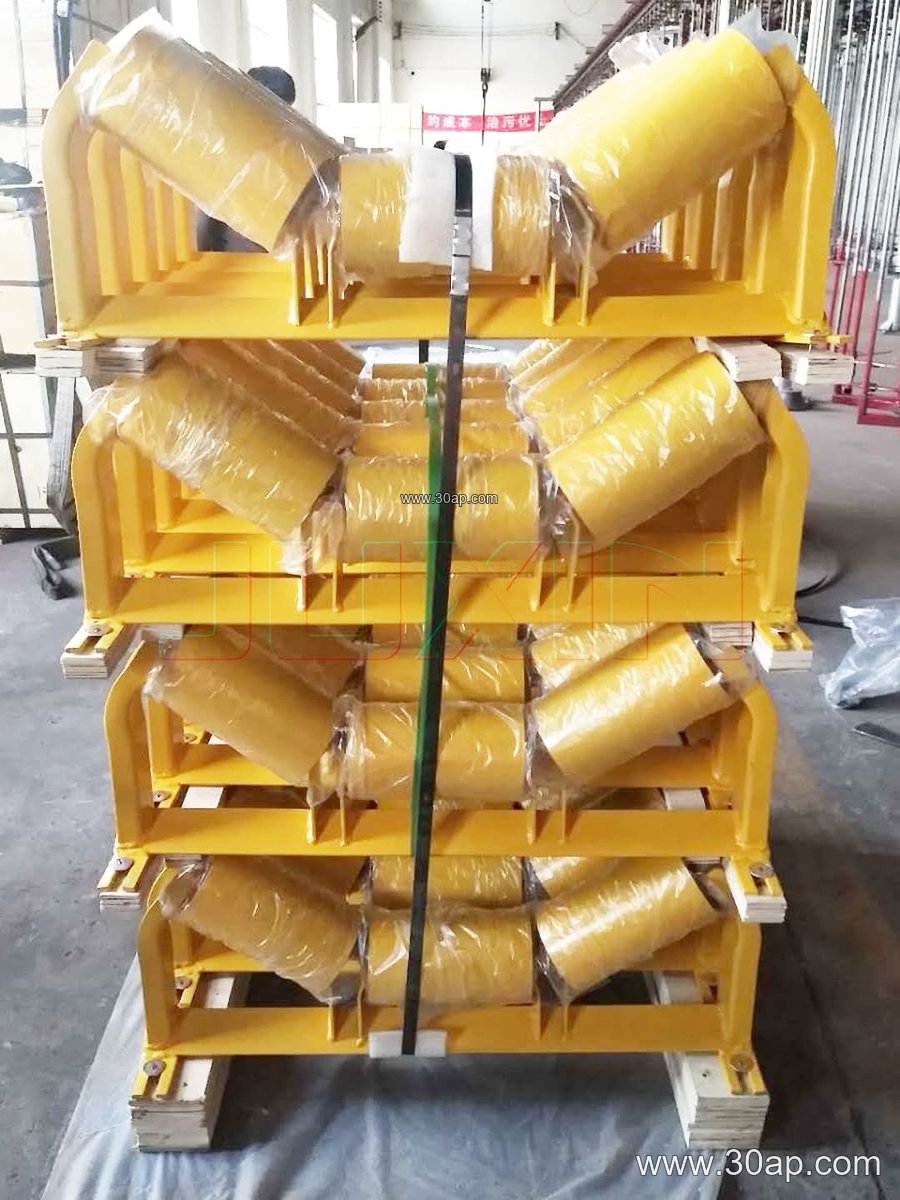
Construction and Common Materials
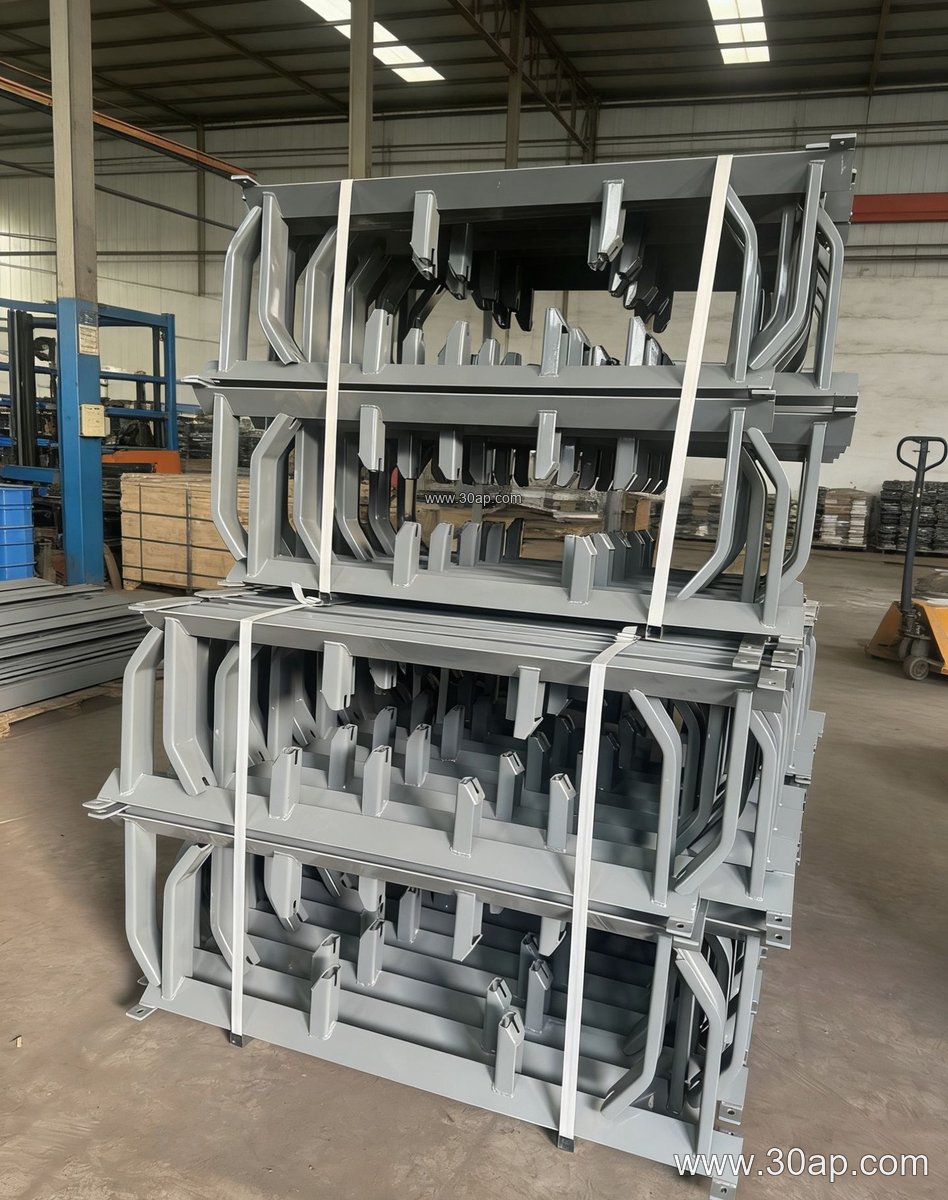
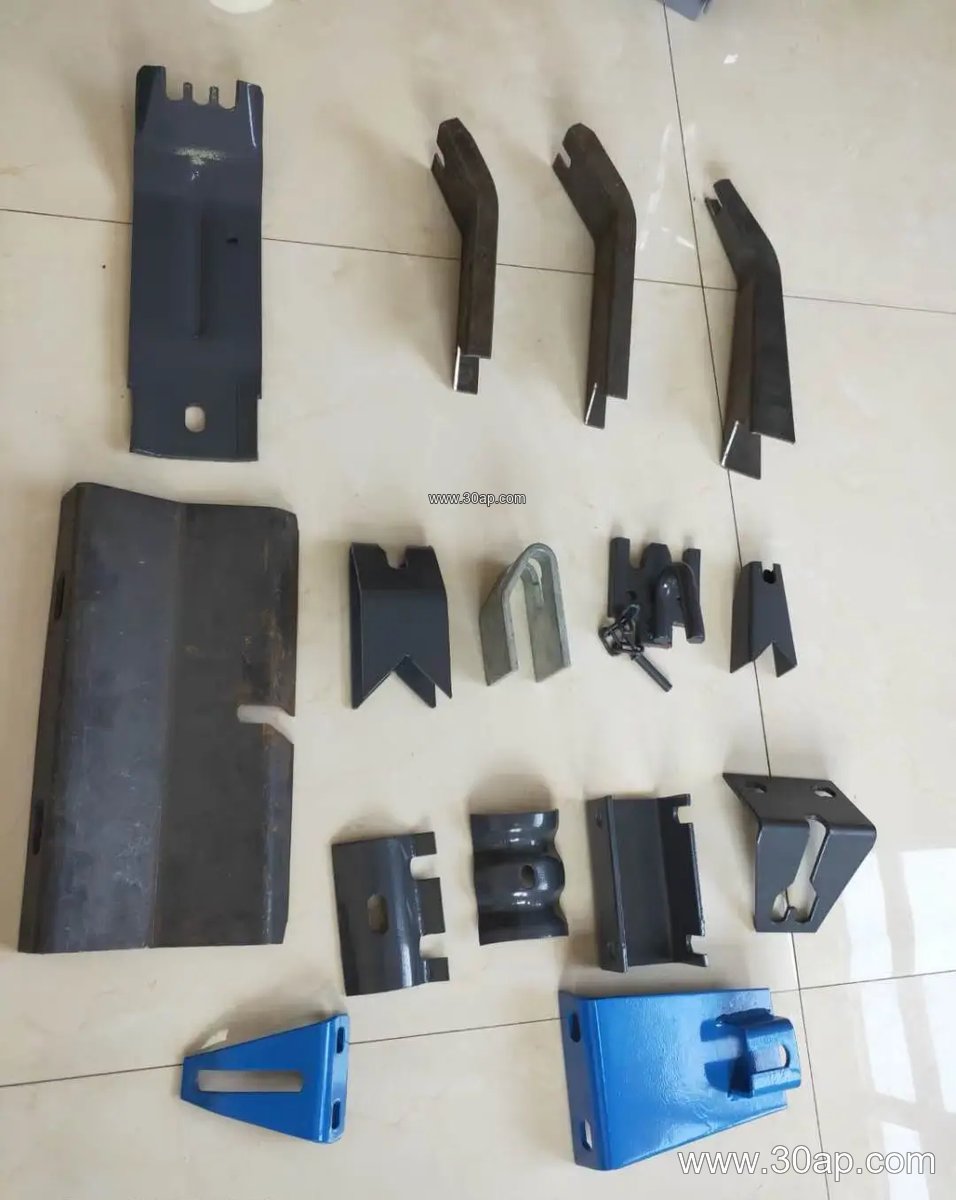
Most brackets are fabricated from angle steel, channel steel, or folded steel plate. The choice depends on load, belt width, and environment. Heavier lines in iron ore or sinter plants often use channel steel for extra stiffness, while lighter aggregate lines may use folded plate for cost efficiency. Welded joints should be clean and square so that the roller sits level and the belt does not track off-center.
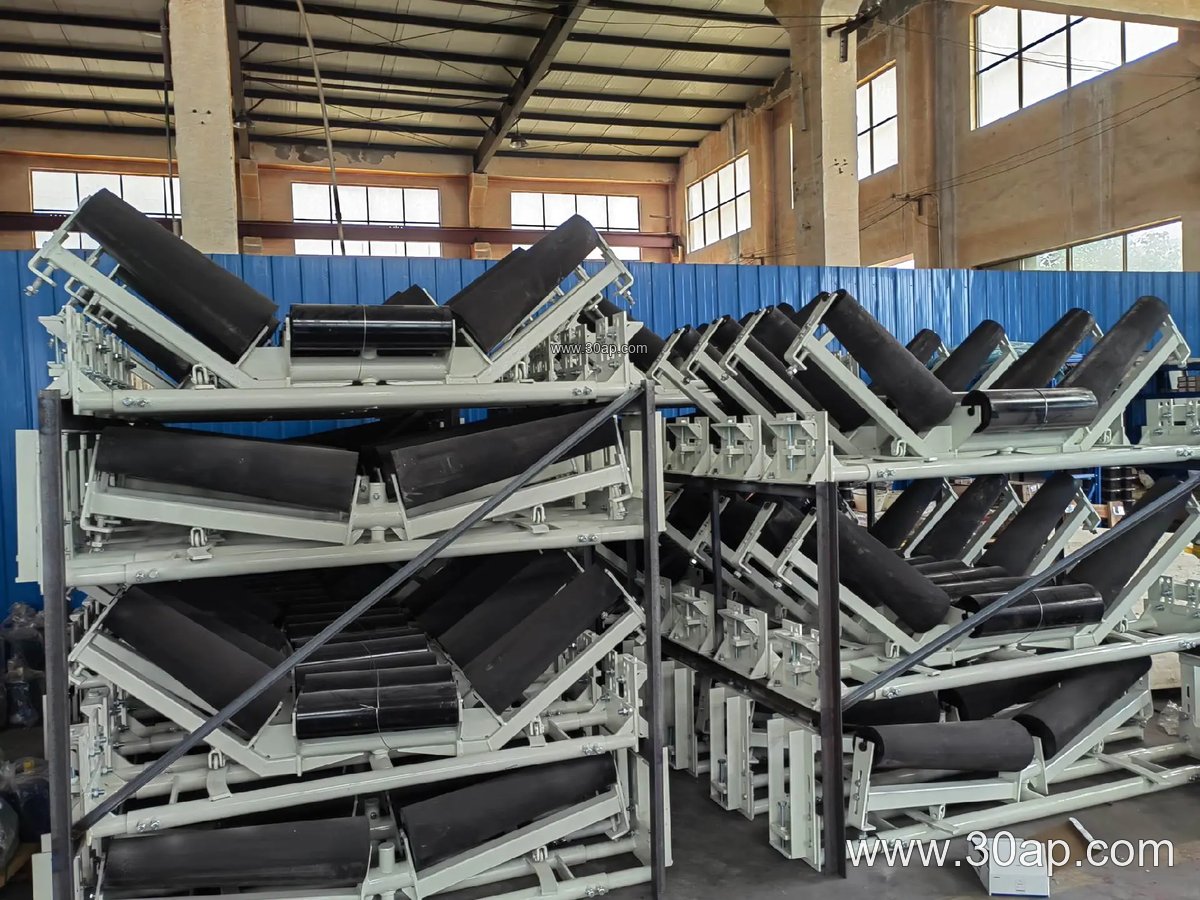
Common bracket types include trough brackets, transition brackets, return brackets, V-return brackets, impact brackets, self-aligning brackets, and adjustable brackets. Each serves a specific position on the conveyor. A trough bracket, for example, supports the carrying side at a set trough angle, while a return bracket holds the belt on the return run.
Typical Sizes and Angle Options
Brackets are usually matched to belt width, trough angle, and roller diameter. The values below are common reference ranges, not fixed combinations. Actual mounting hole spacing and crossbeam length should be confirmed with the conveyor design.
| Parameter | Common Options |
|---|---|
| Belt width | B500, B650, B800, B1000, B1200, B1400, B1600, B1800, B2000, B2200 |
| Trough angle | 20°, 30°, 35°, 45° |
| Roller diameter | Ø89, Ø108, Ø133, Ø159, Ø194 |
| Forward tilt (self-aligning) | about 1.5° to 2° |
A combination such as B800, 35°, Ø108 or B1200, 45°, Ø133 is common, but one belt width does not dictate a single angle or roller diameter. Selection should follow the actual conveyor profile, material weight, and belt speed.
Where These Brackets Are Used
Support brackets appear across many industries. In a sand and gravel line or a crushing and screening plant, trough brackets and impact brackets guide abrasive rock and stone. In a coal washing plant or power plant coal yard, flame retardant and anti-static belts run on brackets that must resist dust and vibration. Cement plants, steel plants, and port ship loading systems also rely on well-aligned brackets to keep the belt centered. When a line uses a steel cord conveyor belt or a heavy-duty mining conveyor belt, the bracket must handle higher tension and load, so stronger steel sections are preferred.
Related belt and pulley information can be found at conveyor pulley and conveyor belt.
Fixed vs Adjustable Brackets
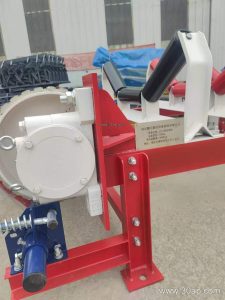
A fixed bracket holds a set trough angle. An adjustable bracket allows the angle to be changed between common values, which helps during commissioning or when material conditions shift. Self-aligning brackets with a slight forward tilt help correct belt wander, but they are not a substitute for proper pulley alignment and belt tension. For lines carrying a chevron conveyor belt or a corrugated sidewall conveyor belt, bracket clearance and roller position deserve extra attention because the belt surface is not flat.
Buyer Checklist
- Confirm belt width, trough angle, and roller diameter before ordering.
- Check whether the bracket is for the carrying side, return side, or transition zone.
- Match steel thickness to the load and the belt type, such as an EP conveyor belt or a steel cord belt.
- Ask for mounting dimensions and crossbeam length, since these vary with design.
- Consider the environment: dust, moisture, heat, or corrosion may call for a different surface treatment.
For more detail on bracket options, see conveyor support bracket.