What a Q235 Conveyor Bracket Does
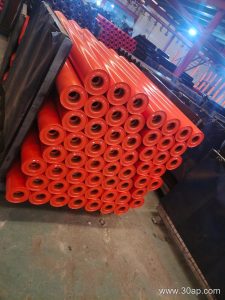
A Q235 conveyor bracket is the steel support that holds idler rollers in the correct position under a conveyor belt. It connects the roller frame to the main conveyor structure and keeps the belt profile stable from loading point to discharge. In a quarry, a coal preparation plant, or a cement plant, these brackets carry the weight of the belt, the material, and the rollers themselves, so their geometry and material quality directly affect tracking and service life.
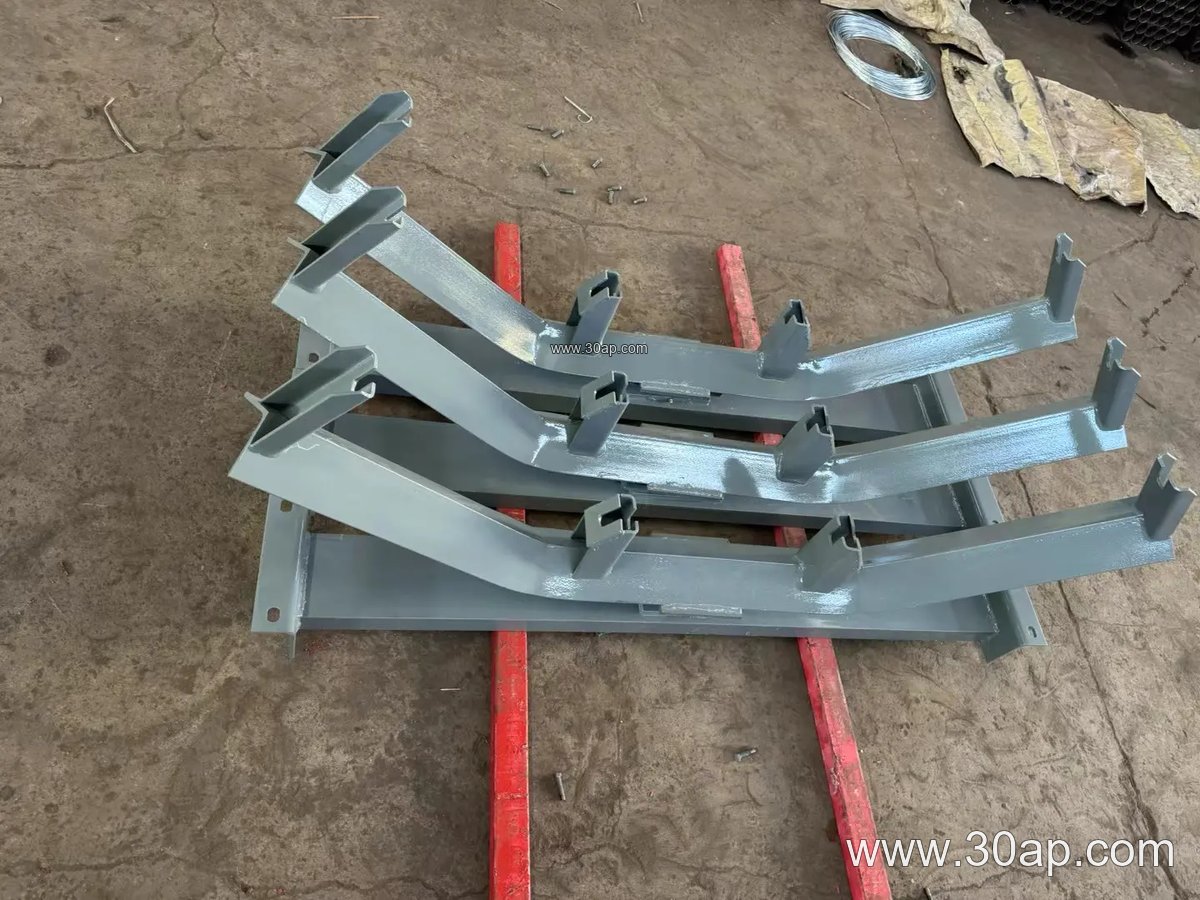
The name refers to the steel grade. Q235 is a common structural carbon steel used for angle, channel, and folded plate parts. It offers predictable weldability and enough strength for most troughing and return positions. Fabricators often form the bracket from angle steel, channel steel, or bent steel plate, then drill mounting holes to suit the idler frame and the conveyor stringer.
How the Bracket Is Built
Most Q235 conveyor brackets are welded assemblies. A troughing bracket may have two or three inclined arms that set the trough angle, while a return bracket usually provides a flat or V-shaped seat. Holes are punched or drilled for the idler shaft, and the base is drilled for bolts to the conveyor frame. Surface treatment is normally paint or galvanizing, depending on the environment; a wash-down area in a food or fertilizer plant may need more corrosion protection than a dry aggregate line.
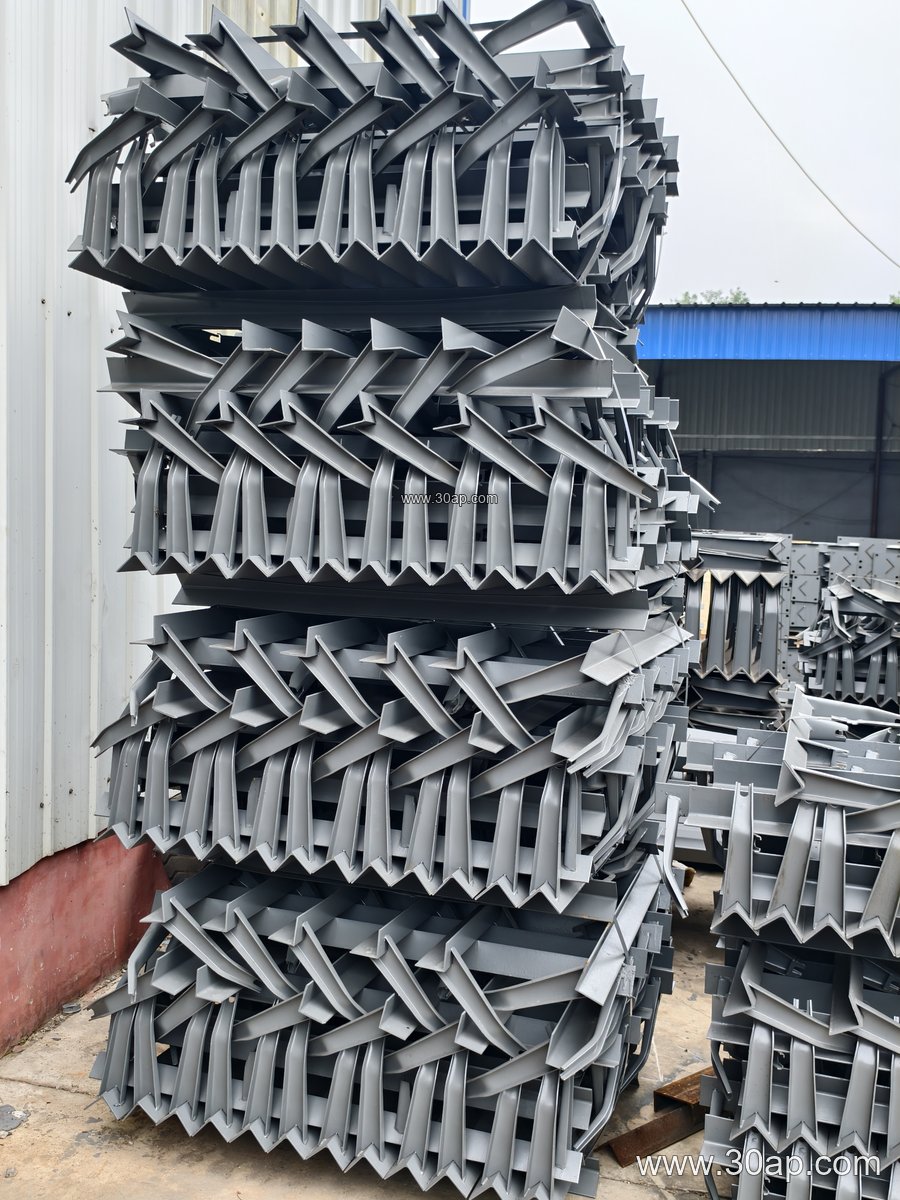
Because the bracket is a locating part, hole spacing and beam length are usually made to match the belt width, trough angle, and roller diameter. These dimensions are not universal, so a buyer should confirm them against the conveyor drawing rather than assume a standard fit.
Where It Fits on the Conveyor
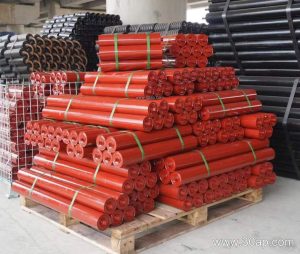
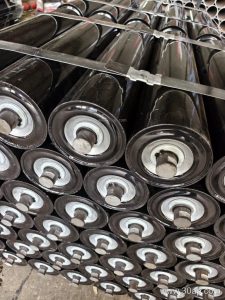
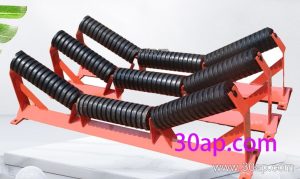
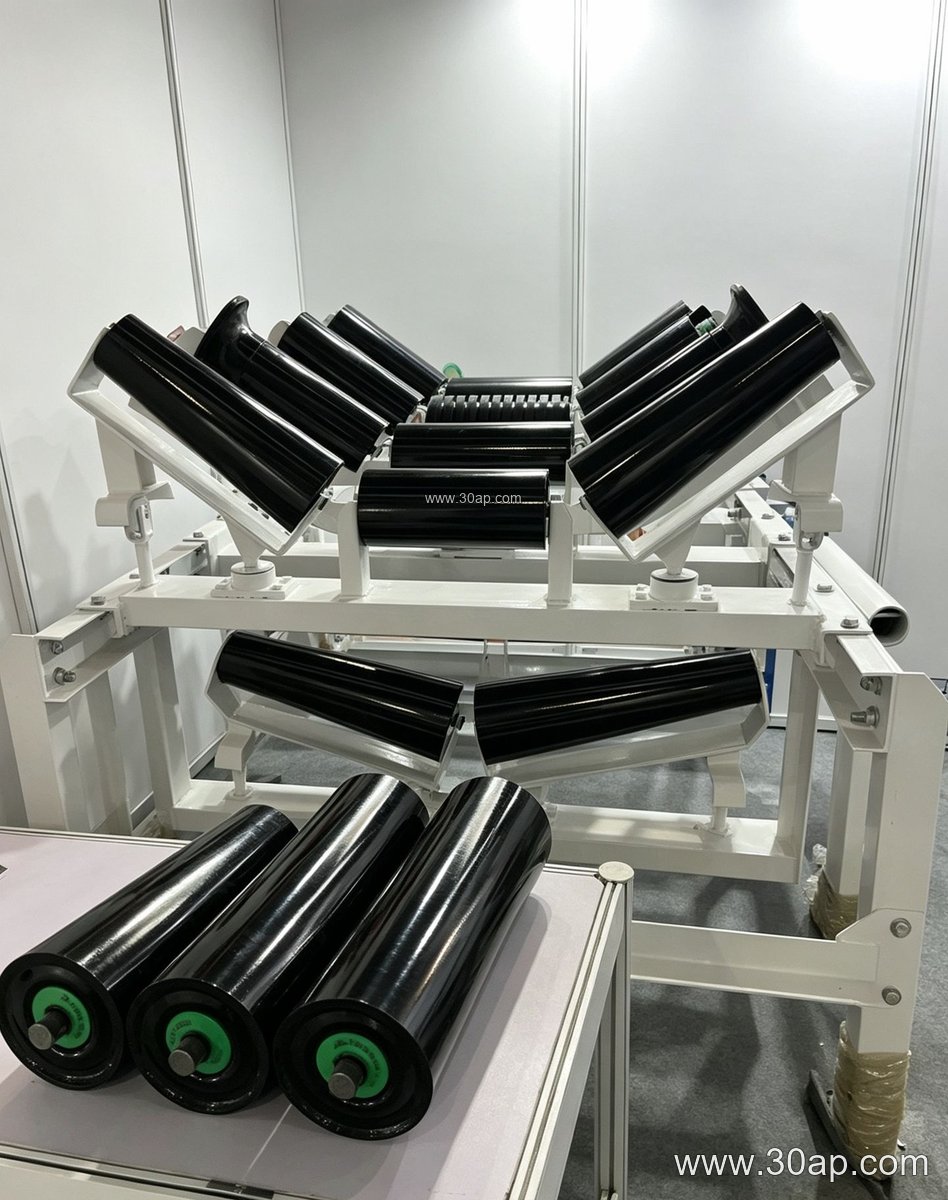
The bracket appears at several points along a conveyor. Troughing brackets support the carrying side and set the trough angle. Transition brackets near the head or tail help the belt change shape gradually. Return brackets support the empty side, and V-return or flat-return brackets are chosen according to belt width and training requirements. Impact brackets may be used below a loading chute, where a heavy-duty mining conveyor belt and impact idlers absorb falling material.
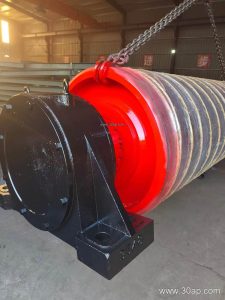
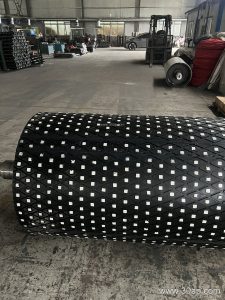
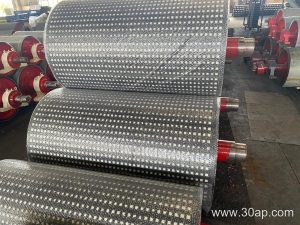
In a typical iron ore or limestone operation, the bracket works together with the conveyor belt, idler roller, and conveyor pulley. The drive pulley pulls the belt, the tail pulley returns it, and the bend pulley changes its path. Each pulley type has its own function, and none of them replaces the bracket; the bracket only provides the roller support that keeps the belt in shape.
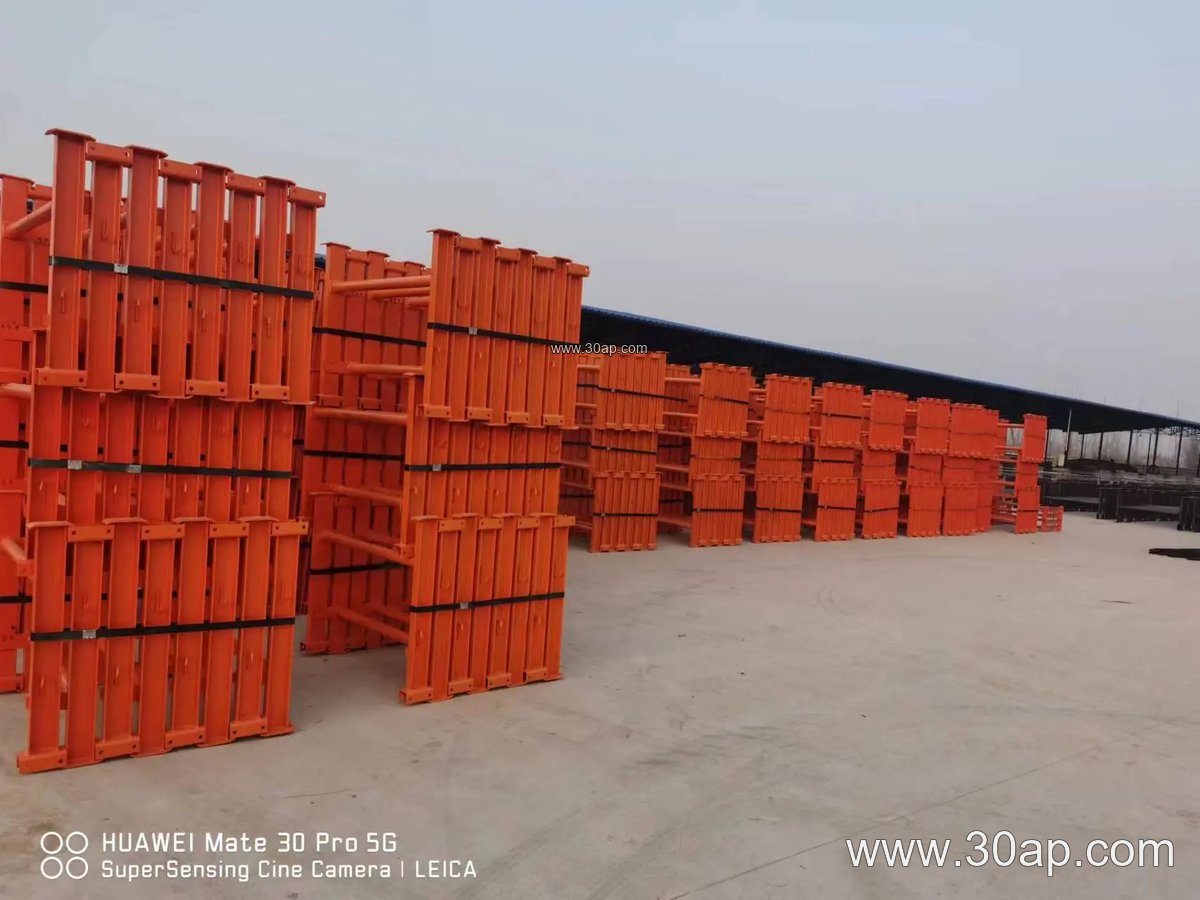
Common Reference Sizes
The table below shows reference combinations that appear in conveyor design work. They are examples, not fixed rules, and final values should follow the project drawing.
| Belt width | Trough angle | Idler diameter | Typical bracket use |
|---|---|---|---|
| B500 | 20° | Ø89 | Small aggregate or sand line |
| B650 | 30° | Ø89 | Light bulk material transfer |
| B800 | 35° | Ø108 | Quarry and crusher discharge |
| B1000 | 35° | Ø108 | Coal handling and cement raw meal |
| B1200 | 45° | Ø133 | Heavy bulk material, high capacity |
| B1400 | 35° | Ø159 | Power plant coal yard |
| B1600 | 45° | Ø159 | Large port or stockyard line |
| B1800 | 35° | Ø194 | High-tonnage ore transport |
Adjustable brackets allow the trough angle to be set between common values such as 20°, 30°, 35°, and 45°. Forward-leaning brackets, often around 1.5° to 2°, are used to help belt centering. None of these angles is mandatory for a given belt width; the choice depends on material, capacity, and belt stiffness.
Buying Advice
Before ordering a Q235 conveyor bracket, confirm the belt width, trough angle, roller diameter, mounting hole pattern, and the stringer spacing on the conveyor. Ask for the steel grade and surface treatment, and check that the bracket is square and the holes align with the idler frame. For dusty or wet conditions, a coated or galvanized finish is worth considering. For abrasive service, pair the bracket with a suitable abrasion resistant conveyor belt and quality idlers so the whole support system lasts together.
At www.example.com/conveyor-bracket, buyers can review bracket options alongside idler roller and conveyor pulley data. A second reference at www.example.com/idler-roller helps compare roller sizes before finalizing the bracket drawing.
- Check hole spacing and beam length against the actual conveyor frame.
- Match the bracket to the roller diameter, not only to the belt width.
- Use adjustable brackets where the trough angle may need fine tuning.
- Confirm paint or galvanizing for the site environment.