What an Oil Resistant Conveyor Belt Is
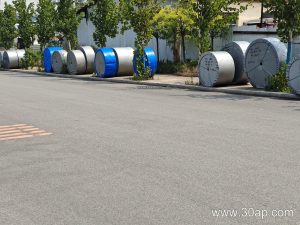
An oil resistant conveyor belt is a rubber conveyor belt engineered to withstand contact with mineral oils, vegetable oils, grease, and oily industrial fluids without excessive swelling, hardening, or cover cracking. In plants where lubricated parts, oily scrap, or oil-soaked raw materials move on a belt, standard rubber compounds may soften and lose adhesion between the cover and the carcass. The oil resistant conveyor belt uses a cover compound with low oil absorption, so the belt keeps its shape and keeps driving reliably on the conveyor pulley. It is often specified alongside a heat resistant conveyor belt when both oil and moderate heat are present, but the oil resistant conveyor belt remains the primary choice for oily duty.
Construction and Common Specifications
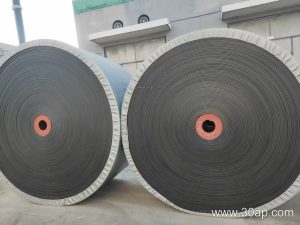
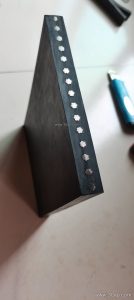
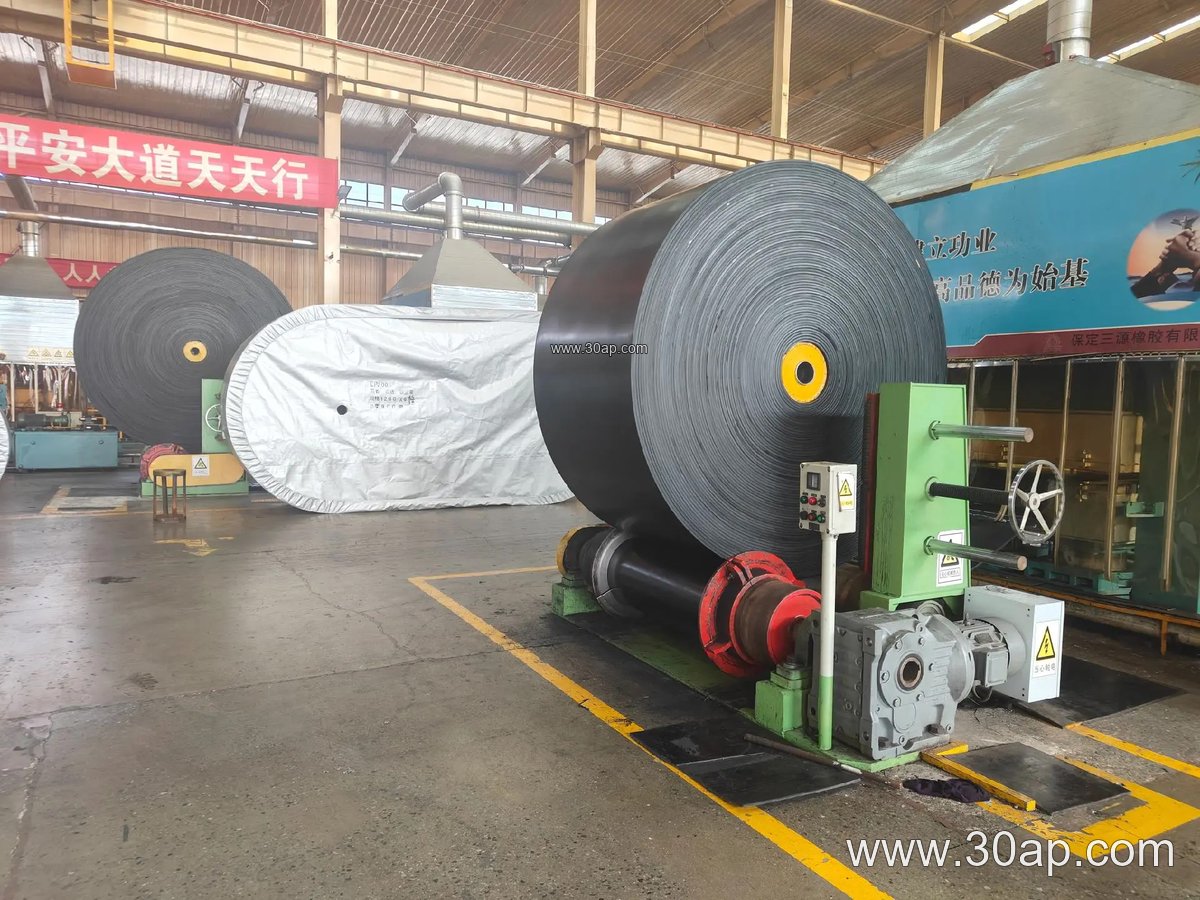
Most oil resistant conveyor belts are built on a fabric core, typically EP conveyor belt or NN conveyor belt carcass, with two to six plies depending on load. The cover is a nitrile-based or oil-resistant rubber compound, usually black, with cover thickness combinations such as 3+1.5 mm, 4+2 mm, 5+2 mm, and 6+2 mm. For heavier oil exposure, thicker covers are common. Belt width is selected to match the conveyor frame and the idler roller spacing, and common widths include B500, B650, B800, B1000, B1200, B1400, B1600, B1800, and B2000.
The table below lists typical reference values; actual figures are confirmed by the manufacturer for each order.
| Parameter | Common Reference Range |
|---|---|
| Belt type | EP or NN fabric core, oil resistant cover |
| Strength grades | EP200, EP315, EP400, EP500, EP630, EP800, EP1000 |
| Belt width | B500 to B2000 |
| Cover thickness | 3+1.5 mm, 4+2 mm, 5+2 mm, 6+2 mm, 8+3 mm |
| Carcass plies | 2 to 6 plies, by design |
| Surface form | Plain, or chevron conveyor belt for inclined oily loads |
Where It Is Used
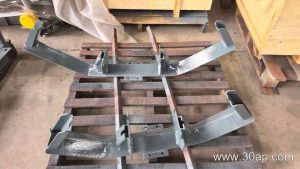
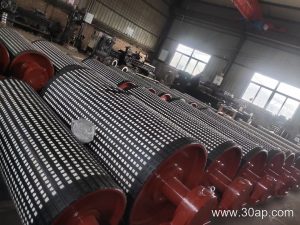
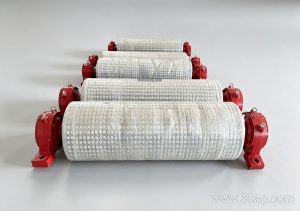
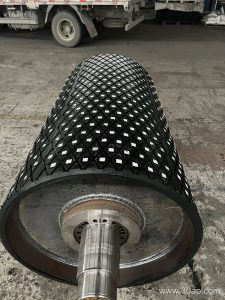
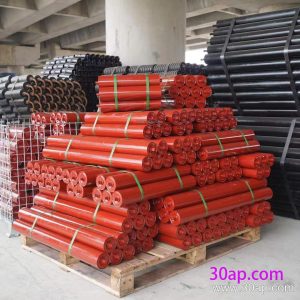
Oil resistant conveyor belts appear in recycling lines handling oily cans and scrap, in cement plants where oil-soaked clinker dust and lubricated equipment create drips, in power plant coal yards with oily residue, and in sand and gravel plants that process oily stone or use lubricated crushers. Mining operations also use them where hydraulic oil or grease can reach the belt, though a mining conveyor belt in an underground coal mine usually also needs flame retardant conveyor belt properties. In food processing, a food grade conveyor belt may be required instead, and the oil resistant conveyor belt is chosen only where the compound meets the relevant contact rules. The belt runs over conveyor pulley assemblies, idler rollers, and conveyor brackets that must be aligned so oil does not pool on the surface.
Buyer Checklist
- Identify the oil type and exposure: mineral oil, vegetable oil, grease, or mixed fluids, and whether spills are continuous or occasional.
- Confirm the carcass: an EP conveyor belt or NN conveyor belt carcass is common; a steel cord conveyor belt is used for very long, high-tension runs, but the cover compound still must be oil resistant.
- Match cover thickness to abrasion and oil load; a thicker cover usually extends service life but adds weight and cost.
- Check pulley and idler roller condition; worn idler rollers can trap oil and accelerate cover damage.
- Ask for the compound data sheet rather than relying on a general label, since oil resistance varies between suppliers.
Installation and Maintenance Notes
Keep the belt tracking straight on the conveyor pulley and avoid over-tensioning, which can open small cover cracks where oil enters. Wipe up standing oil when possible, and inspect the belt at the conveyor bracket and idler roller stations for swelling or cover separation. Store spare belts away from oil drums and direct sunlight. For inclined sections carrying oily material, a chevron conveyor belt or a corrugated sidewall conveyor belt can reduce spillage, but the cover compound must still be oil resistant. When both heat and oil are present, compare a heat resistant conveyor belt and an oil resistant conveyor belt design with the supplier before ordering. Buyers can view related conveyor belt options at www.yonglibelt.com and check idler roller and conveyor pulley compatibility before installation.