What a Rubber Spiral Idler Does
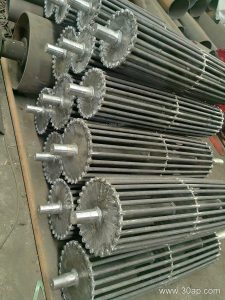
A rubber spiral idler is a return-side roller whose shell is covered with a raised rubber helix. Instead of a smooth steel surface, the belt rides on a continuous spiral ridge that turns with the roller. The result is a self-cleaning action: fines, dust and sticky material that would normally cling to a plain roller are pushed sideways and shed before they build up. In a quarry, a coal preparation plant or a cement clinker line, that difference shows up quickly in belt tracking and in the amount of manual scraping needed under the return strand.
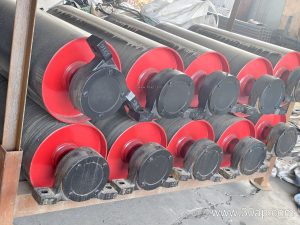
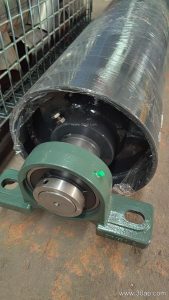
The product is also called a rubber helix return roller or rubber-spiral return idler, and those names describe the same item. It is a return idler, not a drive, tail or bend pulley, and it should not be confused with them. A conveyor pulley at the head or tail does a different job entirely.
How the Spiral Is Built
The core is usually a steel tube with welded end discs and a through shaft. A rubber helix is bonded or vulcanized onto the shell, with a pitch and height chosen so the belt is supported without excessive vibration. Bearing housings sit at each end, normally with a labyrinth or contact seal to keep grit out.
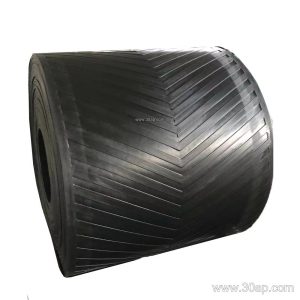
Because the rubber is flexible, the roller also absorbs some of the shock from lumps and tramp material that reach the return side. That makes it a practical companion to a heavy-duty mining conveyor belt or an abrasion resistant conveyor belt carrying coarse rock. It is not a substitute for impact idlers at the loading point, but it reduces the wear that ordinary return rollers see downstream.
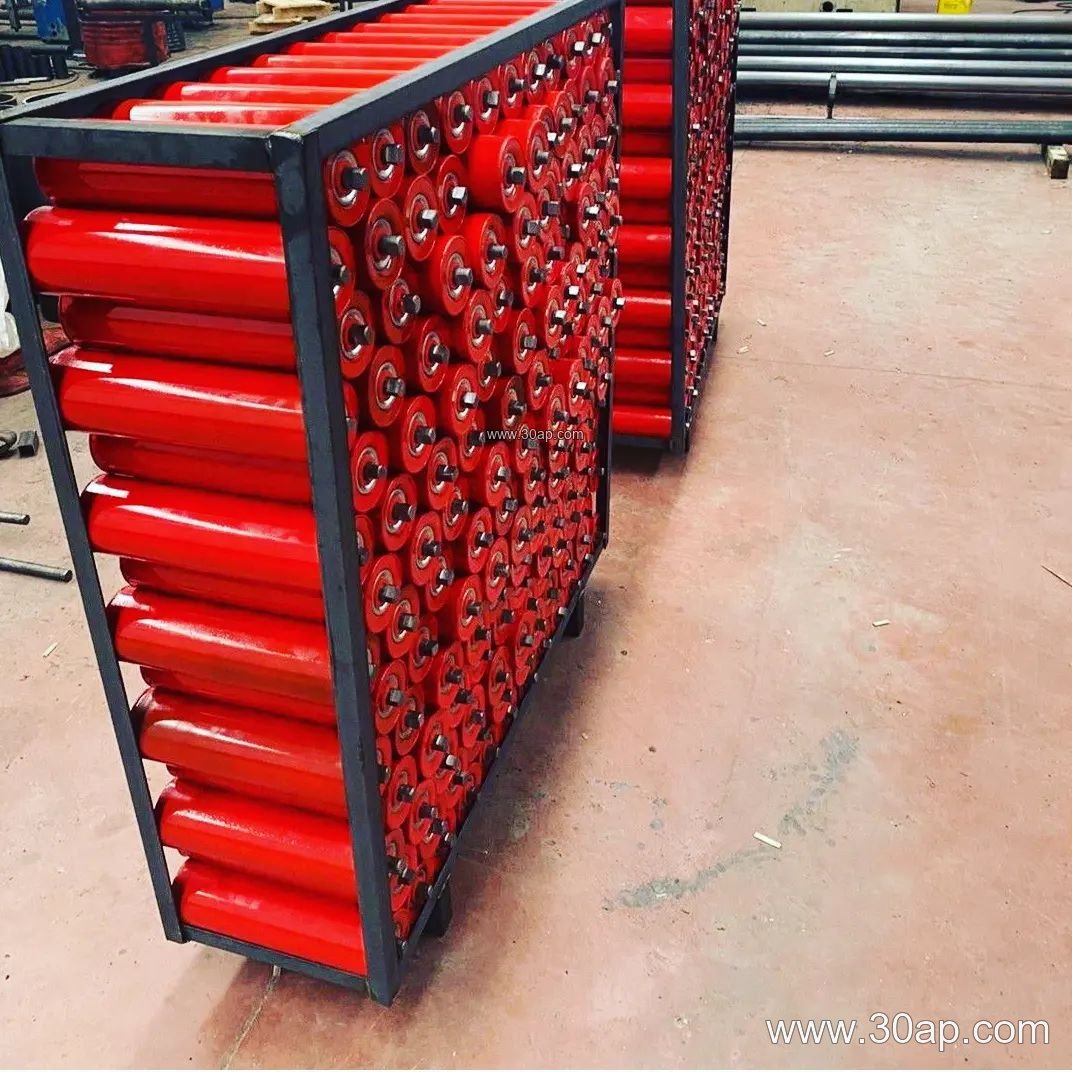
Where It Fits on the Conveyor
The rubber spiral idler is most often installed on the return strand, spaced among plain return rollers or V-return sets. Typical locations include:
- Discharge and transfer points where carryback falls onto the return belt
- Wet or sticky service in sand and gravel plants, batching plants and fertilizer handling
- Long overland runs at power station coal yards and port stockyards
- Tunnels and underground mining conveyor lines where cleaning access is limited
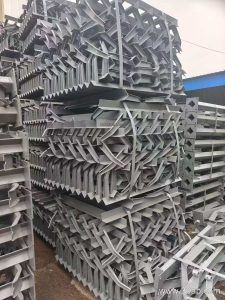
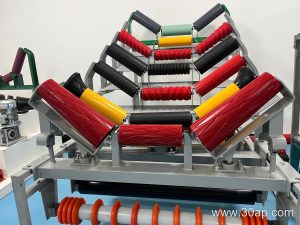
On a troughed carrying run, the belt is supported by three-roll troughing sets at 20, 30, 35 or 45 degrees. The spiral roller belongs to the return run and works alongside those carrying idlers, the conveyor bracket and the conveyor pulley. A skirted conveyor belt or a corrugated sidewall conveyor belt may need extra care at the return, because cleats and skirts can contact the spiral if clearance is tight.
Sizes, Shafts and Matching the Belt
Rubber spiral rollers are made in the common return-idler diameters, and the length follows belt width and frame design. A few reference values are shown below; final dimensions are set by the conveyor design, not by belt width alone.
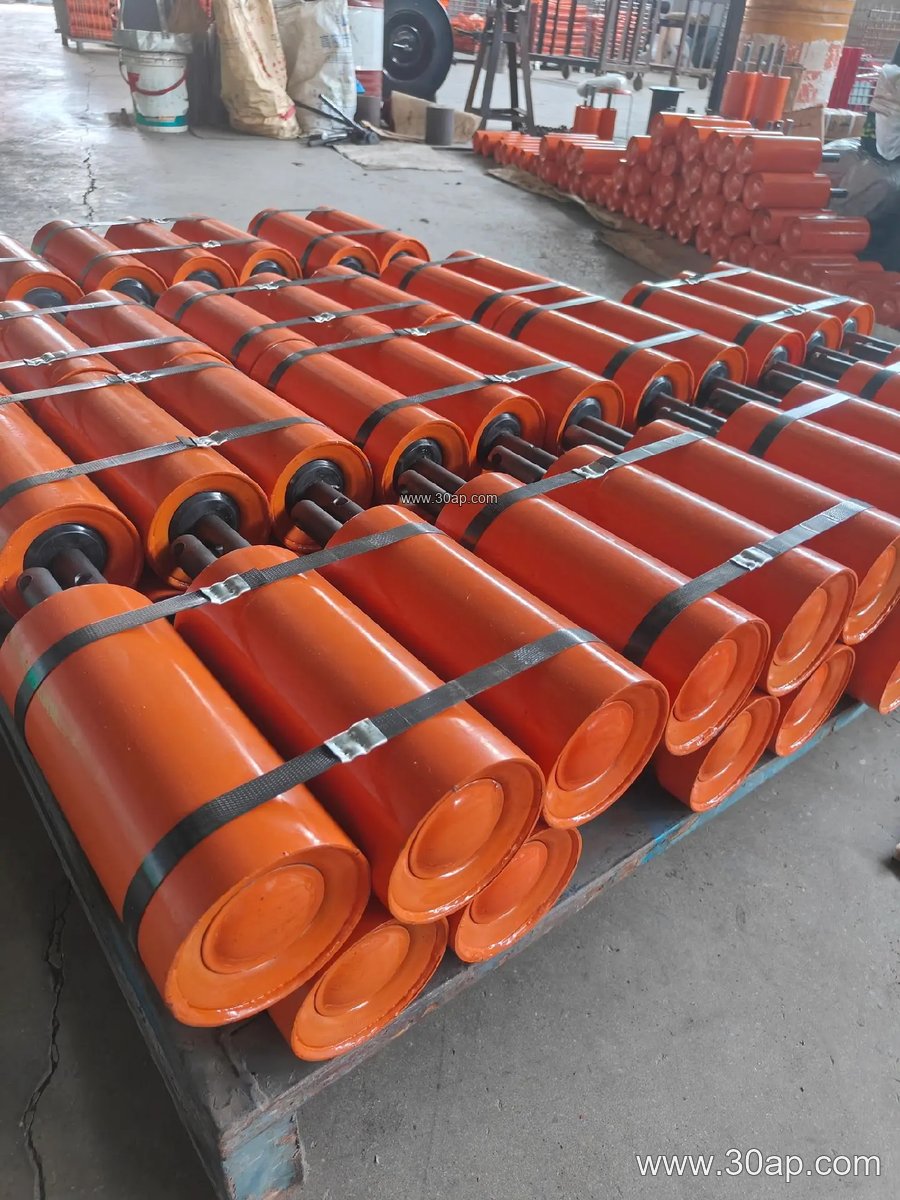
| Item | Common reference values |
|---|---|
| Roller diameter | Ø89, Ø102, Ø108, Ø127, Ø133, Ø159 mm |
| Belt width | B650, B800, B1000, B1200, B1400, B1600 mm |
| Bearing | 6204, 6205, 6305, 6306, 6308 |
| Surface | Rubber spiral, bonded helix |
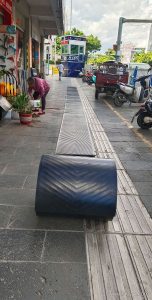
There is no rule that one belt width can only match one pulley diameter, and shaft diameter must be calculated from load, span and bearing selection. A 1200mm wide conveyor belt on a long return span may use a larger shaft than a short B800 run. Buyers should confirm the shaft ends, fixing centres and frame height rather than assuming a standard.
Selection and Maintenance Notes
Ask for the helix pitch, rubber hardness and bond quality, since a loose or soft spiral will wear unevenly. Check that the seal suits the dust level; in coal mining conveyor belt service, flame retardant properties of the belt and the roller’s rubber compound may both matter. Static build-up is a real concern, so an anti-static conveyor belt and grounded frames should be part of the design review.
During inspection, look for a polished or torn helix, rubber lifted at the ends, and material packed between the spiral and the belt. Replace a roller that no longer turns freely, because a seized spiral will rub and damage the belt cover. Keeping the return strand clean also protects the conveyor pulley lagging and reduces misalignment at the tail.
Used with the right belt and frame, a rubber spiral idler is a low-cost way to cut carryback and extend the life of the whole conveyor line.