What an EP200 Conveyor Belt Is
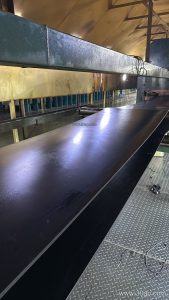
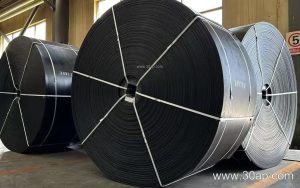
An EP200 conveyor belt is a fabric core belt built on polyester (E) and nylon (P) warp and weft yarns. The EP200 strength class sits in the middle of the common EP range, so it is often chosen where a standard rubber conveyor belt needs more tension capacity than lighter fabric constructions but does not require the very high strength of a steel cord conveyor belt. In many plants it is simply called an EP rubber conveyor belt or an EP fabric core conveyor belt, and those names refer to the same product.
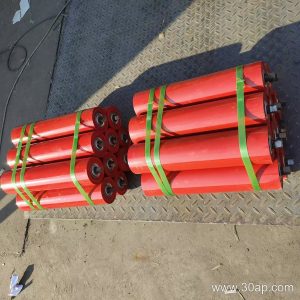
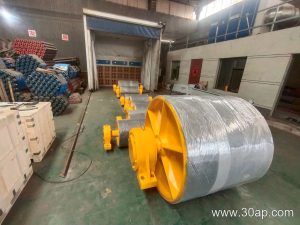
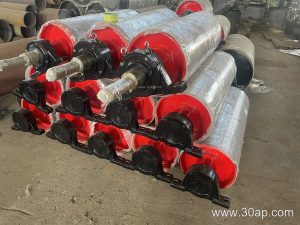
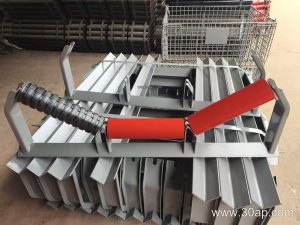
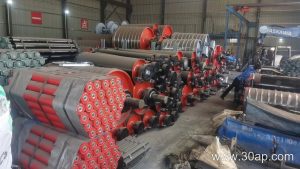
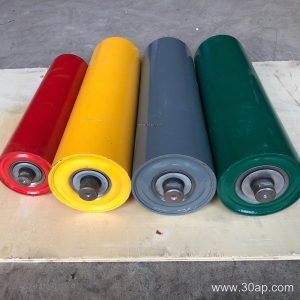
The EP200 conveyor belt is not a single fixed recipe. It combines a multi-ply fabric core with rubber covers selected for the duty, and buyers can specify cover grade, cover thickness, width and edge construction to suit the conveyor. On a typical bulk material conveyor, the belt works together with idler rollers, conveyor pulleys and conveyor brackets, and each of those components has its own role; a drive pulley, a tail pulley and a bend pulley are not interchangeable parts.
Construction and Common Specifications
The carcass usually consists of two to six fabric plies, bonded with skim rubber and protected by top and bottom covers. For an EP200 belt, the cover thickness is written as top cover plus bottom cover, for example 4+2 mm or 5+2 mm. The table below shows reference values that are common in the market; actual figures are confirmed by the manufacturer and by the conveyor design.
| Item | Common Reference |
|---|---|
| Strength class | EP200 (part of the EP series: EP100, EP200, EP300, EP400, EP500, EP630 and higher) |
| Belt width | B500, B650, B800, B1000, B1200, B1400, B1600 (wider sizes by design) |
| Cover thickness | 3+1.5 mm, 4+2 mm, 5+2 mm, 6+2 mm, 8+3 mm |
| Number of plies | 2 to 6, depending on belt width and tension |
| Cover grades | Abrasion resistant, heat resistant, oil resistant, flame retardant, anti-static, cold resistant |
An EP200 belt is often supplied as an endless conveyor belt for short centres, or as open length with ends prepared for splicing on site. Edge types include cut edge and moulded edge; the choice depends on the conveyor layout and the risk of edge damage.
Where EP200 Belts Are Used
The EP200 conveyor belt fits medium-duty conveying in mining, cement, power plants, quarries, sand and aggregate plants, steel plants and port loading systems. It carries bulk material such as crushed rock, ore, clinker, coal and sand. In a coal mining conveyor or an underground mining conveyor, a flame retardant and anti-static grade is normally specified; in a cement plant, heat resistant covers may be needed for clinker handling. A quarry conveyor belt and an aggregate conveyor belt often use abrasion resistant covers, while a crusher conveyor belt may need impact resistant construction at the loading point.
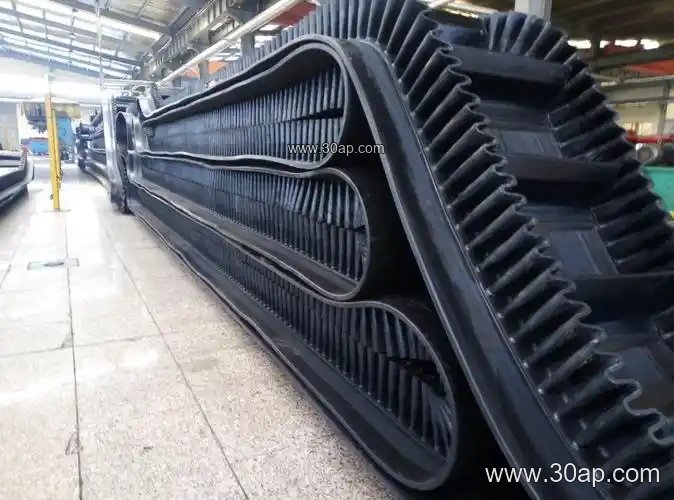
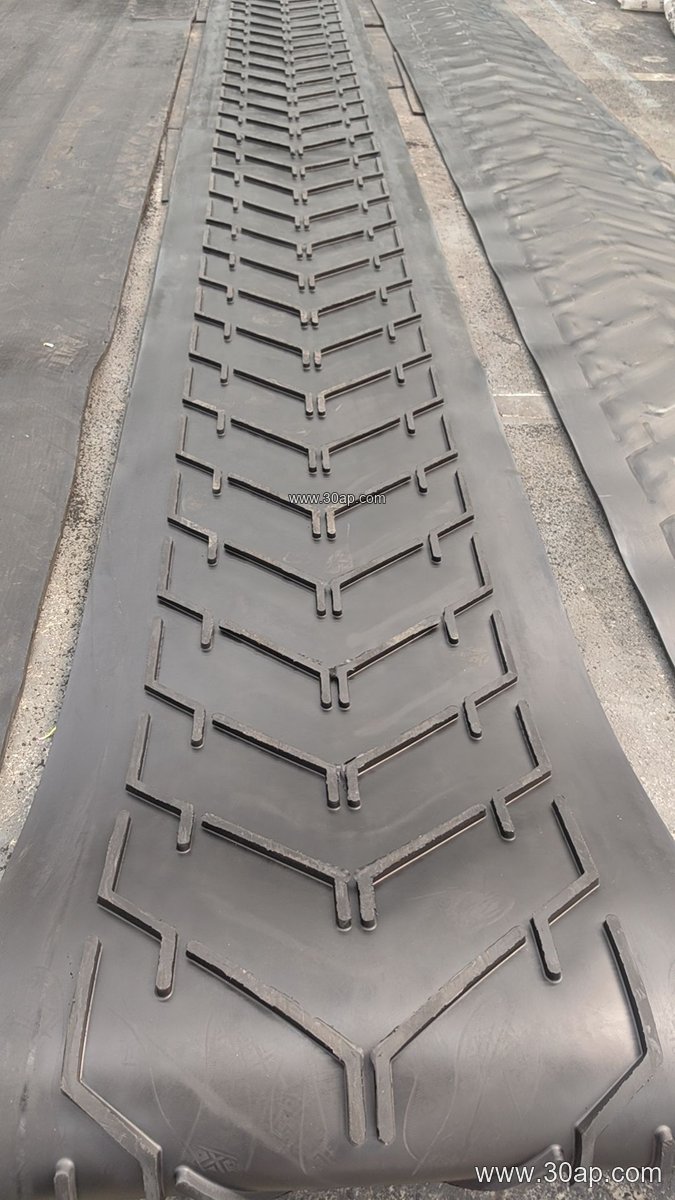
Other fabric belt types exist for specific duties, such as the NN conveyor belt with nylon warp and weft, and the corrugated sidewall conveyor belt or chevron conveyor belt for inclined transport. They are mentioned here for comparison only; the EP200 belt remains the subject of this article.
Selection Points for Buyers
Before ordering an EP200 conveyor belt, confirm the belt width, the number of plies, the cover thickness and the cover grade. Check the maximum tension and the pulley diameters recommended for the carcass; belt width alone does not fix a shaft diameter or a pulley size. Confirm whether the belt will be spliced mechanically or vulcanised, and whether an endless belt is required. For hot, oily or flammable materials, specify the appropriate grade rather than relying on a standard cover. The conveyor pulley, idler roller and conveyor bracket layout should also be reviewed so that the belt runs centred and is not pinched at the tail or bend pulley.
Installation and Maintenance Notes
Store EP200 belts away from direct sunlight and ozone sources, and support coils on a suitable stand. During installation, align the idler rollers and pulleys, tension the belt according to the manufacturer’s guidance and check the splice. In service, inspect the cover for cuts, edge wear and ply separation, and keep the belt cleaner and skirt rubber in good condition to reduce spillage.
For more information on EP conveyor belts, rubber conveyor belt grades and matching conveyor components, visit www.beltconveyorsystem.com and www.rubberconveyorbelt.com. Replace worn idlers and damaged pulley lagging promptly, because a small fault at a conveyor pulley can quickly damage an otherwise sound EP200 belt.