What the Conveyor Tail Pulley Does
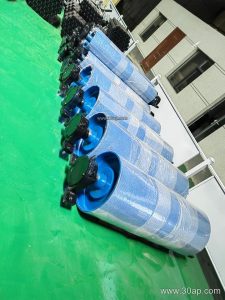
At the return end of a belt conveyor, the conveyor tail pulley closes the loop. The conveyor belt arrives from the carrying run, wraps around this pulley, and starts back toward the head. Because it sits at the far end from the drive, the tail pulley is normally a non-driven roller, but it is far from passive in practice. It guides belt tracking, supports tension in systems where the take-up is located at the tail, and protects the belt from misalignment at the point where the belt changes direction.
People sometimes call it the return pulley or rear pulley. Those are acceptable shop-floor names for the same component. It is not a drive pulley, and it is not a bend pulley. A drive pulley transmits torque from the gearbox to the belt, while a bend pulley only changes belt direction without closing the loop. Treating these as interchangeable leads to wrong specifications and premature failures.
Construction and Typical Surface Options
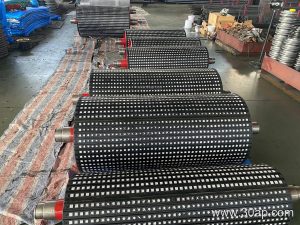
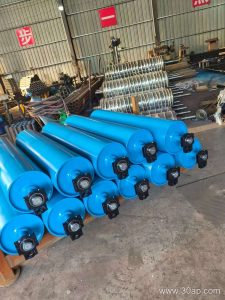
A conveyor tail pulley is usually built as a welded steel drum with a shaft, bearing housings, and end discs. The shell is machined or rolled to run true, because runout at the tail shows up quickly as belt wander. Common surface forms include plain finish, rubber lagging applied cold or vulcanized, diamond grooving, and ceramic lagging for high-wear duties. Lagging thickness is often 8, 10, 12, 15, or 20 mm depending on the duty.
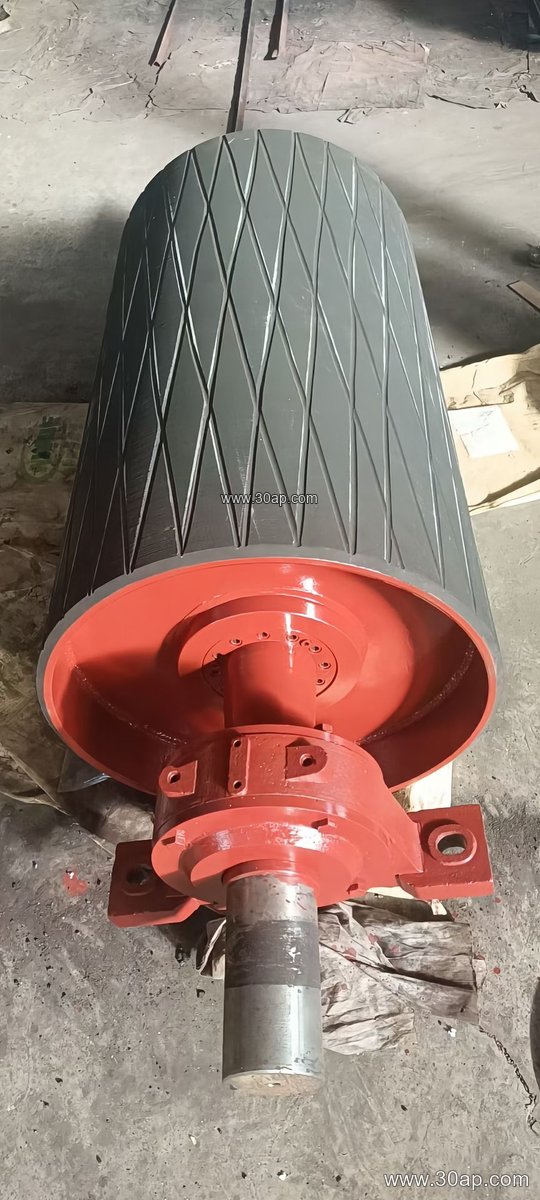
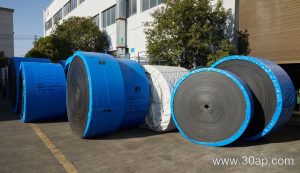
In quarry and aggregate lines, a diamond lagged tail pulley helps shed fines and improves grip on a slightly wet belt. In coal handling and power plant coal yards, flame retardant conveyor belts are common, and the tail pulley lagging should be selected with the same fire-conscious thinking. For cement plant clinker conveyors, heat resistant conveyor belts may be used, so bearing selection and lagging compound need to tolerate warm return belt temperatures.
Sizing the Pulley Against the Belt
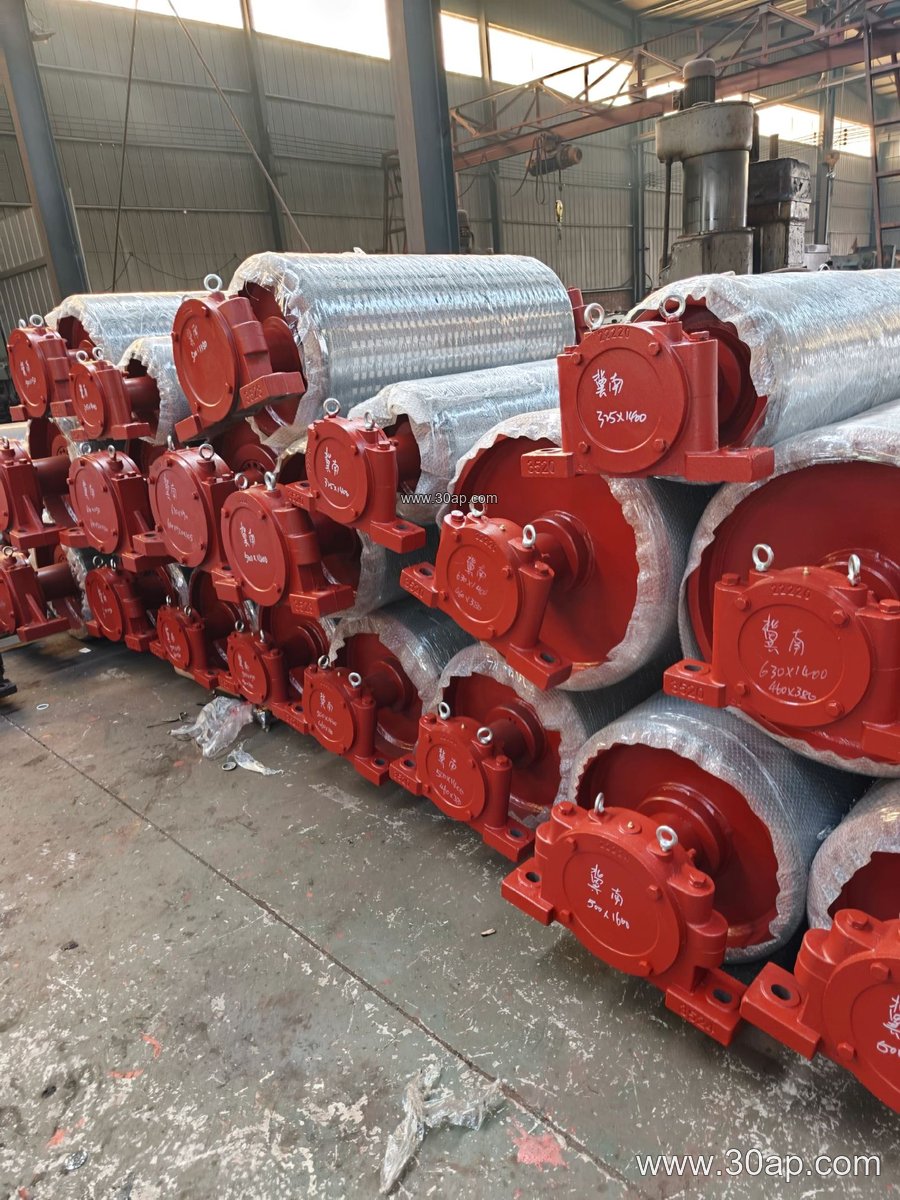
Tail pulley diameter is chosen from belt tension, shaft load, belt stiffness, and the minimum bend radius the belt manufacturer allows. It is not a fixed match to belt width. The shell face width, however, is normally wider than the belt so the belt has room to track. Reference combinations often seen in catalogues include B800 x Ø500, B1200 x Ø1000, and B1400 x Ø800, but a B1200 belt can be paired with different diameters depending on the conveyor design.
| Belt width | Typical shell face width | Common diameter range |
|---|---|---|
| B500 | about 600 mm | Ø250 to Ø400 |
| B650 | about 750 mm | Ø315 to Ø500 |
| B800 | about 950 mm | Ø400 to Ø630 |
| B1000 | about 1150 mm | Ø500 to Ø800 |
| B1200 | about 1400 mm | Ø630 to Ø1000 |
| B1400 | about 1600 mm | Ø800 to Ø1250 |
Shaft diameter is set by torque and radial load, not by belt width alone. Common shaft sizes run from Ø50 up to Ø200, and the final value should come from the conveyor designer. A heavy-duty mining conveyor belt carrying iron ore will load the tail shaft very differently from a light aggregate conveyor belt on a short run.
Where It Fits in the Plant
You will find the conveyor tail pulley in stone crushing plants, sand making lines, cement plants, and bulk material ports. In a crusher conveyor belt circuit, the tail pulley often sits below the feed point, exposed to dust and spillage, so a self-cleaning lagging pattern and good bearing sealing matter. In a coal mining conveyor belt or underground coal mining conveyor belt, the tail pulley may be part of a tensioning arrangement and must work with flame retardant conveyor belt and anti-static conveyor belt requirements.
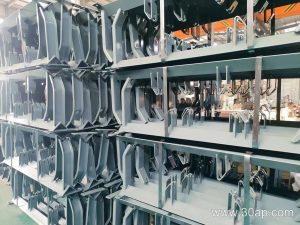
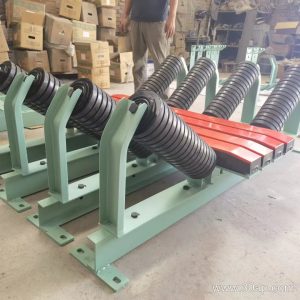
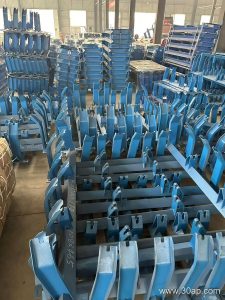
On long overland routes using steel cord conveyor belt or EP conveyor belt, the tail pulley is frequently paired with a take-up carriage. Here the pulley moves to maintain belt tension, so the shaft, bearings, and slide frames need careful alignment. A conveyor bracket that is out of square will cause the pulley to skew, and the belt will run off to one side no matter how well the lagging is made.
Buyer Checklist
- Confirm the pulley role: tail pulley, not drive or bend pulley.
- State belt width, belt type, and minimum pulley diameter allowed by the belt maker.
- Specify lagging: plain, diamond, rubber, or ceramic, with thickness.
- Provide shaft diameter, bearing type, and whether a take-up slide is used.
- Check that the conveyor bracket and idler roller frames align with the pulley centerline.
- Ask for runout and balance tolerances, especially for wide shells.
Whether the line moves limestone, clinker, or copper ore, the conveyor tail pulley is a small part of the total cost but a large part of belt life. Get the diameter, lagging, and alignment right, and the return run stays calm. More conveyor component notes are available at www.dongmengconveyor.com/conveyor-tail-pulley for reference during selection.