What the Underground Mining Conveyor Belt Does
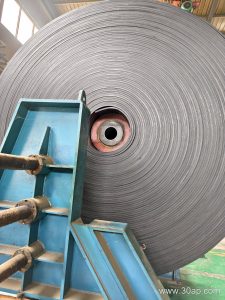
An underground mining conveyor belt is the load-carrying element of a continuous haulage system installed in tunnels, declines, and shaft-adjacent roadways. It moves coal, ore, waste rock, and other bulk materials from the working face to the surface or to a transfer point, replacing much of the truck traffic that would otherwise congest narrow galleries. Because the belt runs in a confined, often dusty and damp environment, the specification differs from a surface installation: flame resistance, low static build-up, and reliable tracking matter as much as tensile strength.
The same product is also called an underground conveyor belt or, in coal service, an underground coal mining conveyor belt. These are accurate equivalents for the same article, not separate machine types.
Construction and Materials
The belt is a composite of a tension-bearing carcass and rubber covers. Common carcass options for underground duty include EP conveyor belt (polyester warp, nylon weft), NN conveyor belt (all-nylon), and, for long or high-lift routes, steel cord conveyor belt. Multi-ply fabric core construction is typical where flexibility around small pulleys is required, while a heavy-duty mining conveyor belt may use thicker covers and higher-strength plies.
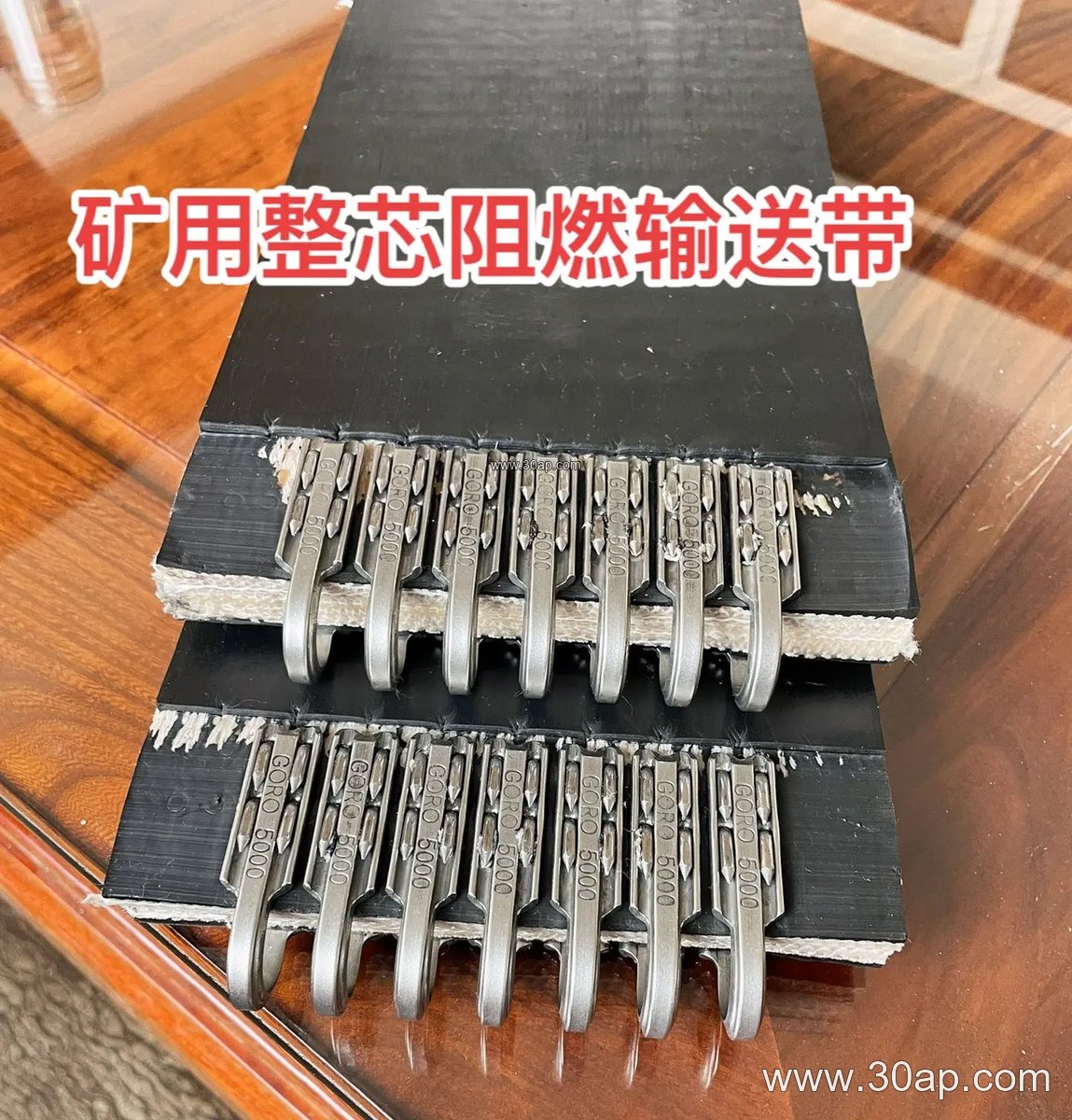
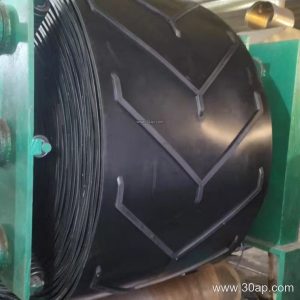
Covers are usually based on natural or blended rubber, with compounds selected for abrasion resistance, heat, oil, or fire performance. In coal roadways, a flame retardant conveyor belt with anti-static properties is frequently specified; PVC and PVG conveyor belt grades are also used where the local approval framework calls for them. The belt edge, splice zone, and cover thickness all influence service life in a wet, gritty tunnel.
Where It Is Used
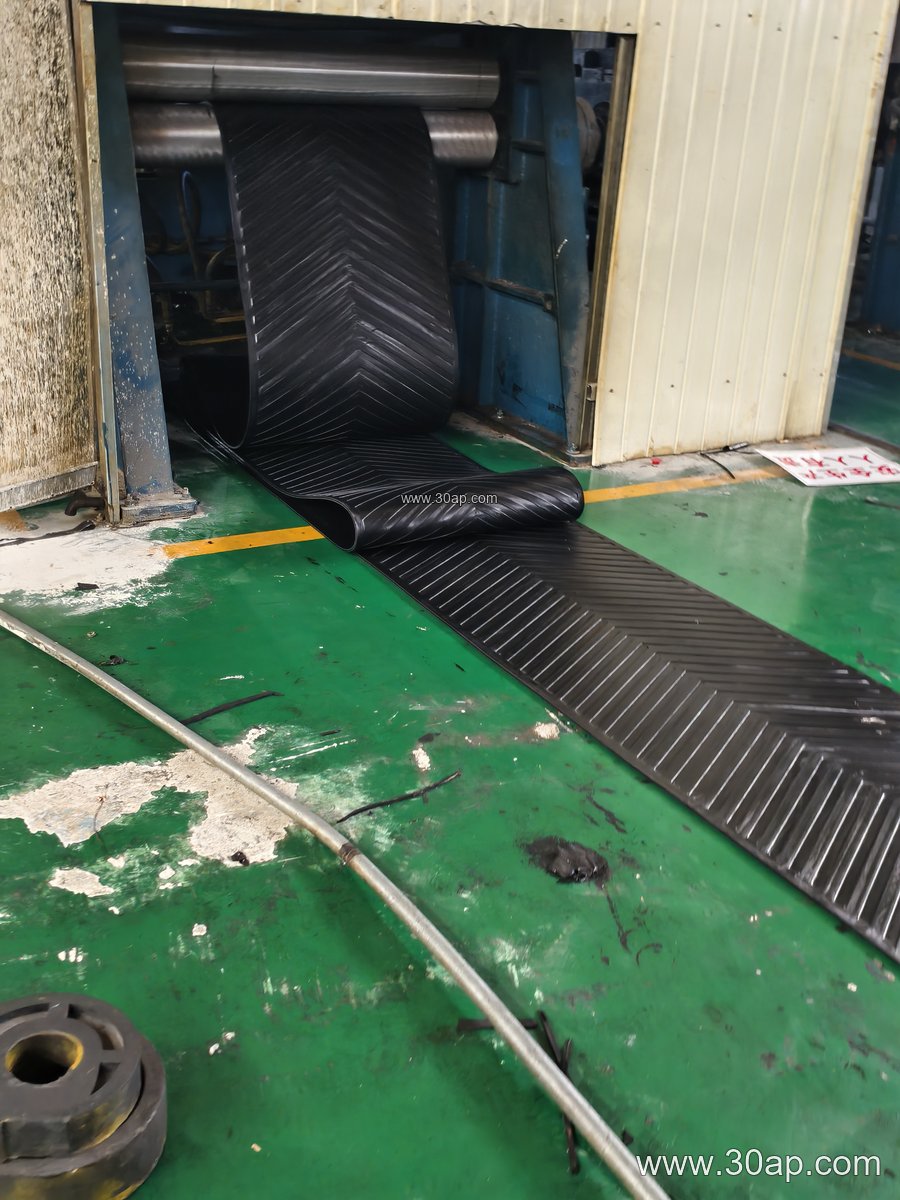
Underground haulage appears across several industries. Coal mines use flame retardant and anti-static grades; metal mines handling iron ore or copper ore often favor abrasion resistant conveyor belt compounds; and tunnel projects in the cement and aggregate supply chain use heavy-duty belts to move blasted rock. The same belt family serves quarry conveyor belt duty above ground and continues underground where the decline meets the seam or orebody.
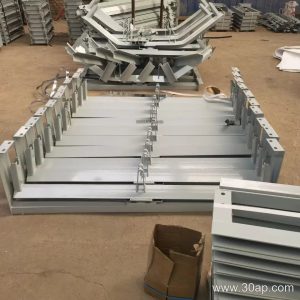
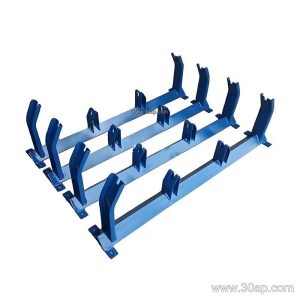
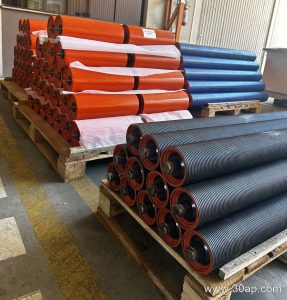
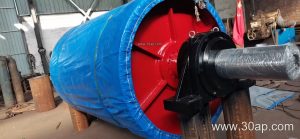
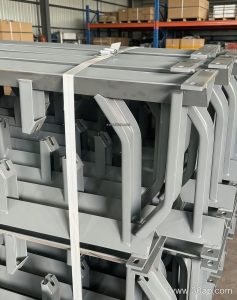
Supporting hardware includes idler roller sets, conveyor pulley assemblies, and conveyor bracket frames. The drive pulley, tail pulley, and bend pulley each have a distinct role and are not interchangeable; the belt must be specified to wrap all of them without over-bending the carcass.
Common Reference Data
The figures below are typical reference ranges, not fixed supply commitments. Final values are confirmed by design for each conveyor.
Belt Width
| Parameter | Common reference values |
|---|---|
| Belt width | B500, B650, B800, B1000, B1200, B1400, B1600, B1800, B2000 |
| Narrow roadway use | 500mm, 600mm, 650mm, 800mm conveyor belt |
| Main haulage | 1000mm, 1200mm, 1400mm conveyor belt |
Carcass and Cover
| Parameter | Typical options |
|---|---|
| EP strength grades | EP200, EP315, EP400, EP500, EP630, EP800, EP1000, EP1250, EP1600, EP2000 |
| Ply count | 2 to 6 plies |
| Cover thickness | 3+1.5, 4+2, 5+2, 6+2, 8+3 mm |
A wider belt is not tied to one pulley diameter, and shaft size is set by the pulley design rather than by belt width alone. Buyers should confirm the pulley diameters, trough angle, and take-up arrangement before finalizing the carcass.
Selection and Maintenance Notes
- Match the carcass strength to the running tension and the incline; a high strength conveyor belt on a short drift is usually unnecessary cost.
- For coal roadways, confirm the required flame retardant and anti-static classification with the site safety authority.
- Choose cover compound by the dominant wear mechanism: abrasion, impact at the loading point, oil from machinery, or heat from nearby equipment.
- Check splice quality and idler roller alignment regularly; misalignment is a common cause of edge damage and premature cover wear.
- Keep the conveyor pulley lagging and the belt cleaner in good condition to reduce carryback in wet tunnels.
For underground projects, the practical starting point is a clear duty description: material, lump size, throughput, incline, roadway width, and the approval regime. From there, the belt construction, cover grade, and width can be matched to the conveyor frame, idler roller spacing, and pulley layout.