What an Aggregate Conveyor Belt Does
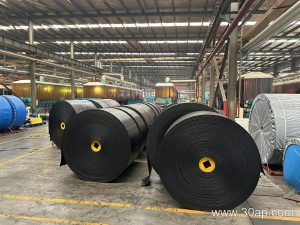
An aggregate conveyor belt is the moving surface that carries crushed stone, sand, gravel and screened rock between a crusher, a screen deck and a stockpile. In a quarry or sand plant the belt is part of a continuous flow, so its job is simple to describe and hard to do well: take sharp, heavy, often wet material at a steady rate without stretching, tearing or wandering off the pulleys. Users also call this a rock conveyor belt or a quarry conveyor belt, and those names point to the same product.
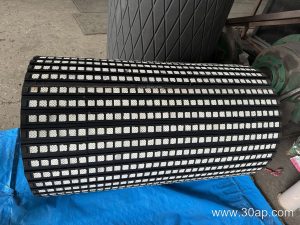
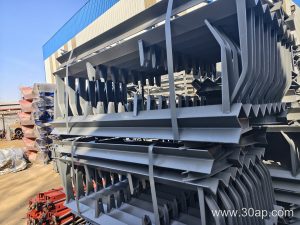
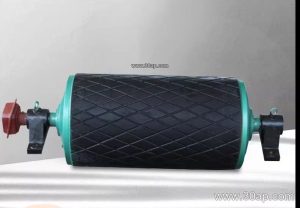
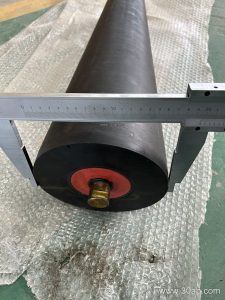
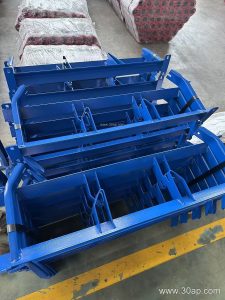
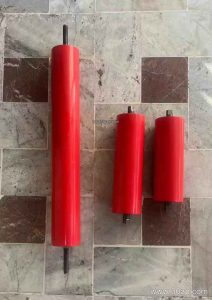
The belt itself is not the whole story. A working conveyor also depends on the idler roller that supports the carrying run, the conveyor pulley at the head and tail, and the conveyor bracket that holds the frame together. Choosing the belt without considering these parts usually leads to short service life.
Construction and Common Constructions
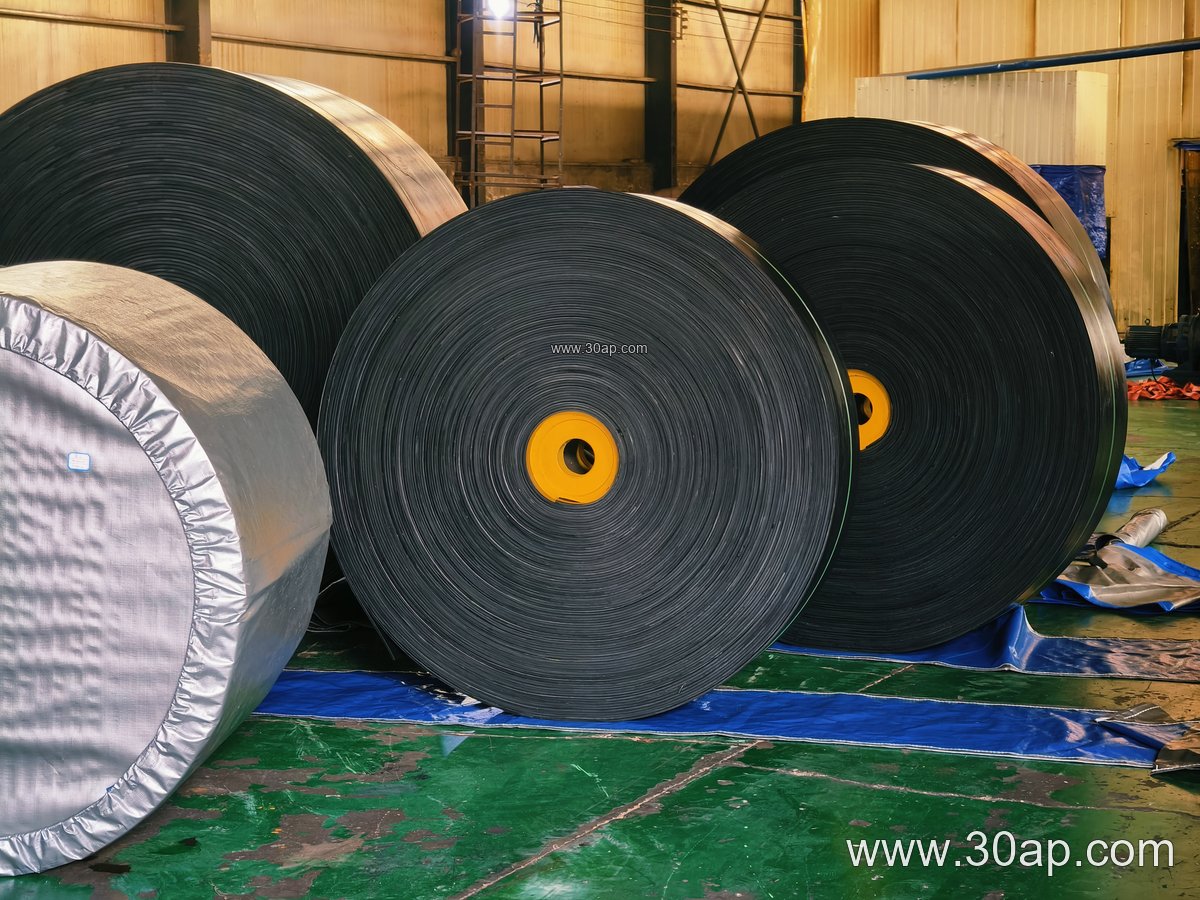
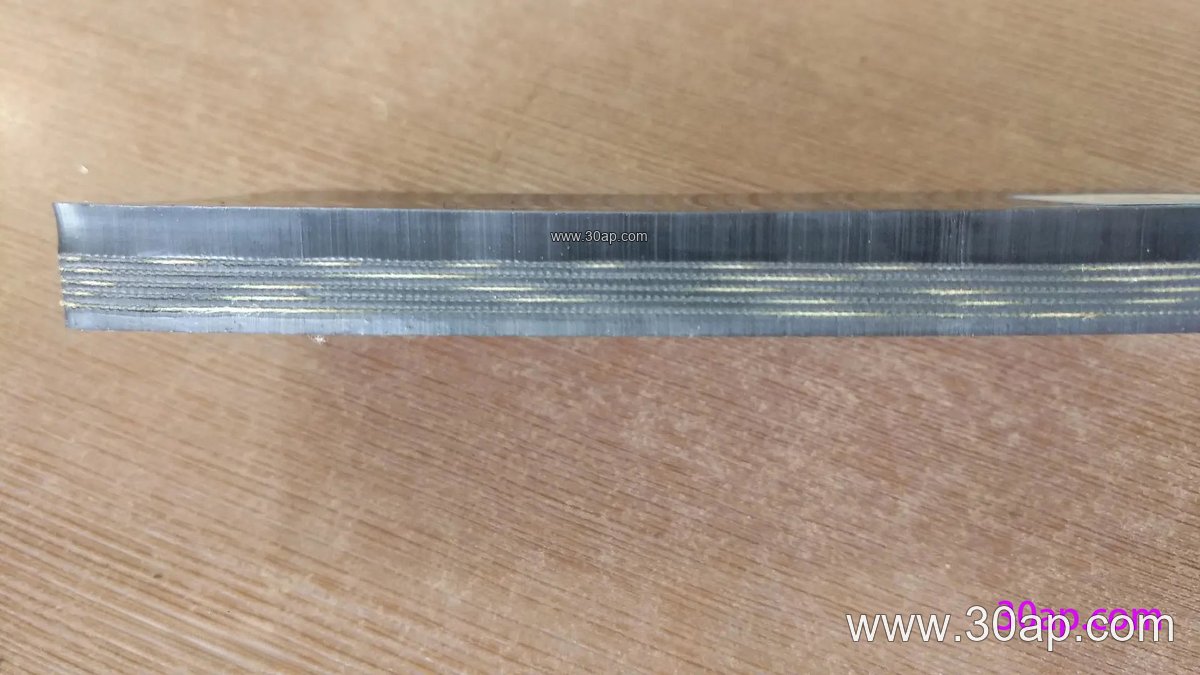
Most aggregate belts are fabric-cored, with rubber covers on both faces. A multi-ply fabric core gives the belt its tensile strength, while the top cover absorbs impact and abrasion from lumpy rock. Buyers will meet several build options in this market.
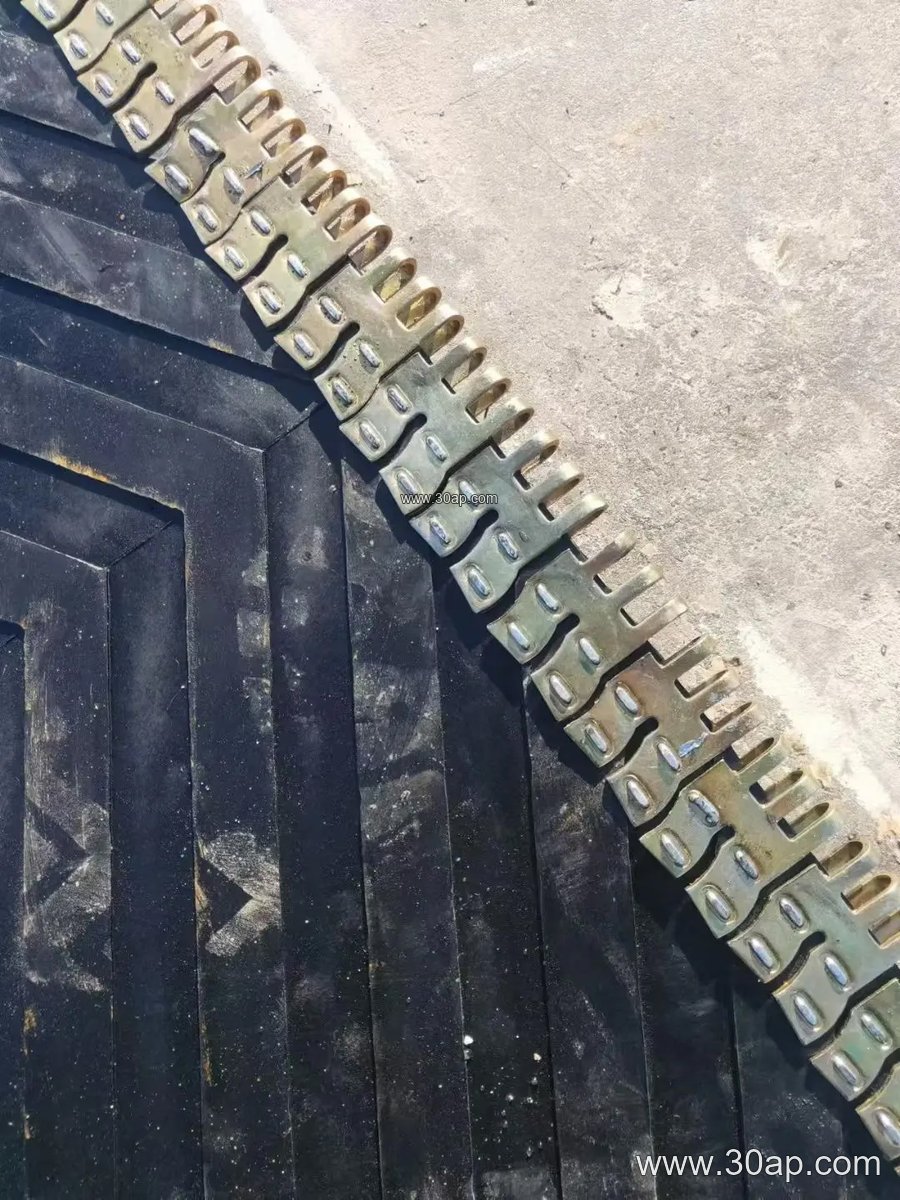
- EP conveyor belt: polyester-polyamide carcass, a common choice for medium and long runs.
- NN conveyor belt: nylon-nylon carcass, flexible and good where repeated flexing matters.
- Steel cord conveyor belt: used for very high strength and long center distances.
- Rubber conveyor belt with abrasion resistant covers for sharp, hard stone.
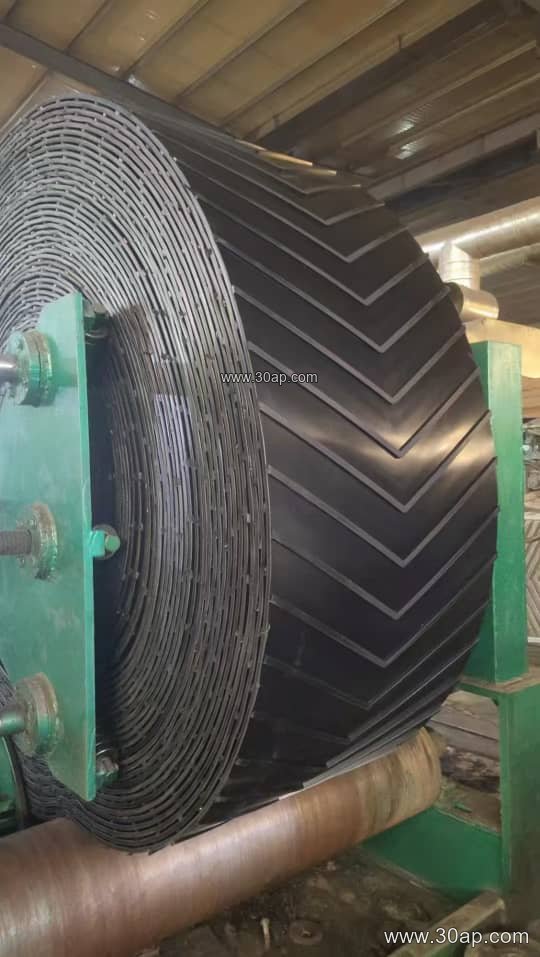
Cover grades are usually selected by duty. A high abrasion resistant conveyor belt suits crusher discharge and screen undersize. Heat resistant conveyor belt grades are relevant near dryers, while oil resistant and flame retardant grades appear in cement plants, power plants and coal handling. A chevron conveyor belt or a corrugated sidewall belt can help on steep inclines where plain surfaces would let material roll back.
Typical Reference Data
The values below are reference ranges seen in catalogues and should be confirmed with the supplier for a specific order. They are not a fixed specification for every plant.
| Item | Common reference values |
|---|---|
| Fabric core types | EP200, EP315, EP400, EP500, EP630, EP800, EP1000, EP1250, EP1600, EP2000 |
| Belt width | B500, B650, B800, B1000, B1200, B1400, B1600, B1800, B2000 |
| Cover thickness | 3+1.5, 4+2, 5+2, 6+2, 8+3 mm |
| Carcass plies | Usually 2 to 6 layers, depending on design |
Width and strength are chosen together, not in isolation. A wider belt does not automatically dictate one pulley diameter, and shaft size follows the pulley design and the load case rather than belt width alone. The drive pulley, tail pulley and bend pulley each have their own role and are not interchangeable.
Where These Belts Are Used
Aggregate handling appears across many industries. A stone crushing conveyor belt moves primary crushed rock; a sand making plant conveyor belt carries fine product to washing; cement plants use belts for clinker and limestone; power plants and steel plants move bulk fuel and raw material; ports use ship loading belts on long runs. In mining, a heavy-duty mining conveyor belt may share similar carcass technology but is often specified with flame retardant or anti-static properties for underground coal mining conveyors.
For more on matching belts with rollers and pulleys, see the equipment notes at conveyoridler.com and the belt guidance at conveyorbeltpro.com.
Buyer Checklist
- Material: lump size, sharpness, moisture, temperature and oil content.
- Duty: hours per day, tonnage per hour and start-stop frequency.
- Layout: incline angle, transition distance and whether a skirted or sidewall design is needed.
- Environment: outdoor cold, dust, or flame risk in coal and cement areas.
- Spare parts: confirm pulley and idler roller dimensions before ordering a replacement belt.
Maintenance matters as much as selection. Check belt tracking, cover wear and splice condition regularly, and keep the conveyor pulley lagging and idler roller rotation in good order. A well-matched aggregate conveyor belt, supported by sound pulleys and brackets, keeps a quarry or sand plant running with fewer stoppages.