What Idler Procurement Covers
Idler procurement means sourcing the rotating support rollers that carry the conveyor belt along its path, plus the brackets and frames that hold them in place. On a typical bulk handling line, idlers outnumber every other wear part, so the buying decision affects belt life, energy draw, and maintenance hours more than most plant managers expect. Whether the site is a limestone quarry feeding a crusher, a coal handling system at a power plant, or a sand and aggregate line, the same questions come up: which roller type, what diameter, which bearing, and how the rollers will be mounted.
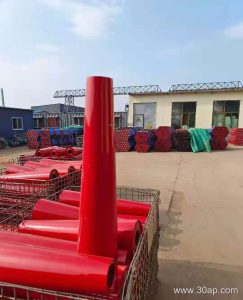
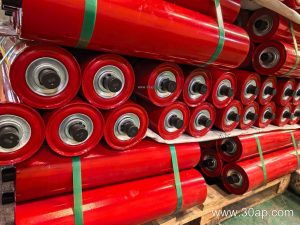
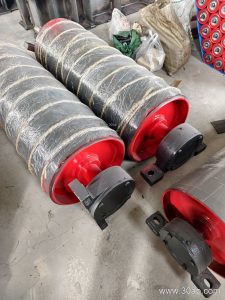
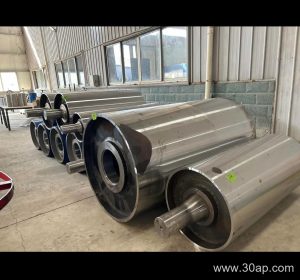
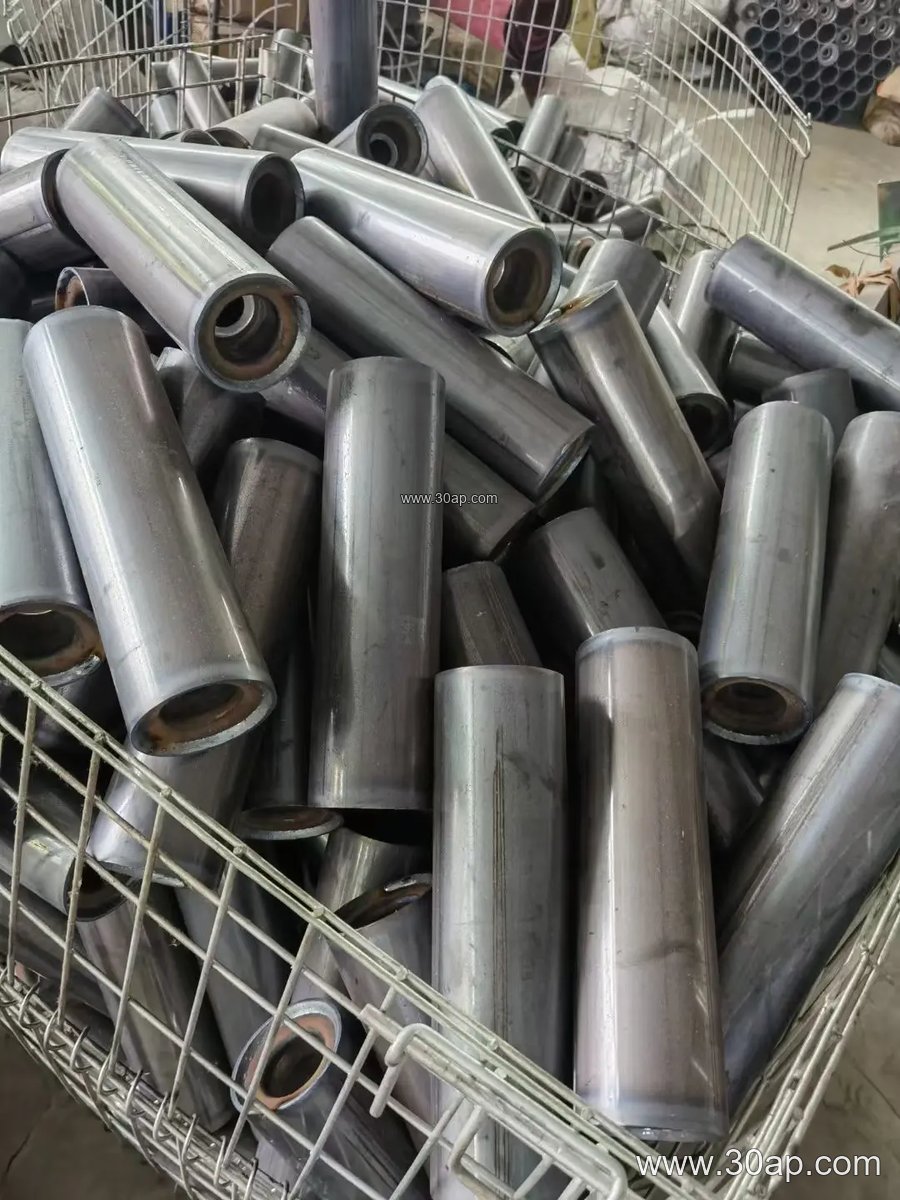
The idler roller itself is a simple assembly: a steel tube shell, a shaft, two bearing housings, seals, and often a protective coating or rubber ring. The conveyor bracket or frame fixes the roller at the correct height and angle. Because the belt rides directly on these rollers, a poorly specified set will wear through the belt cover long before the belt structure fails.
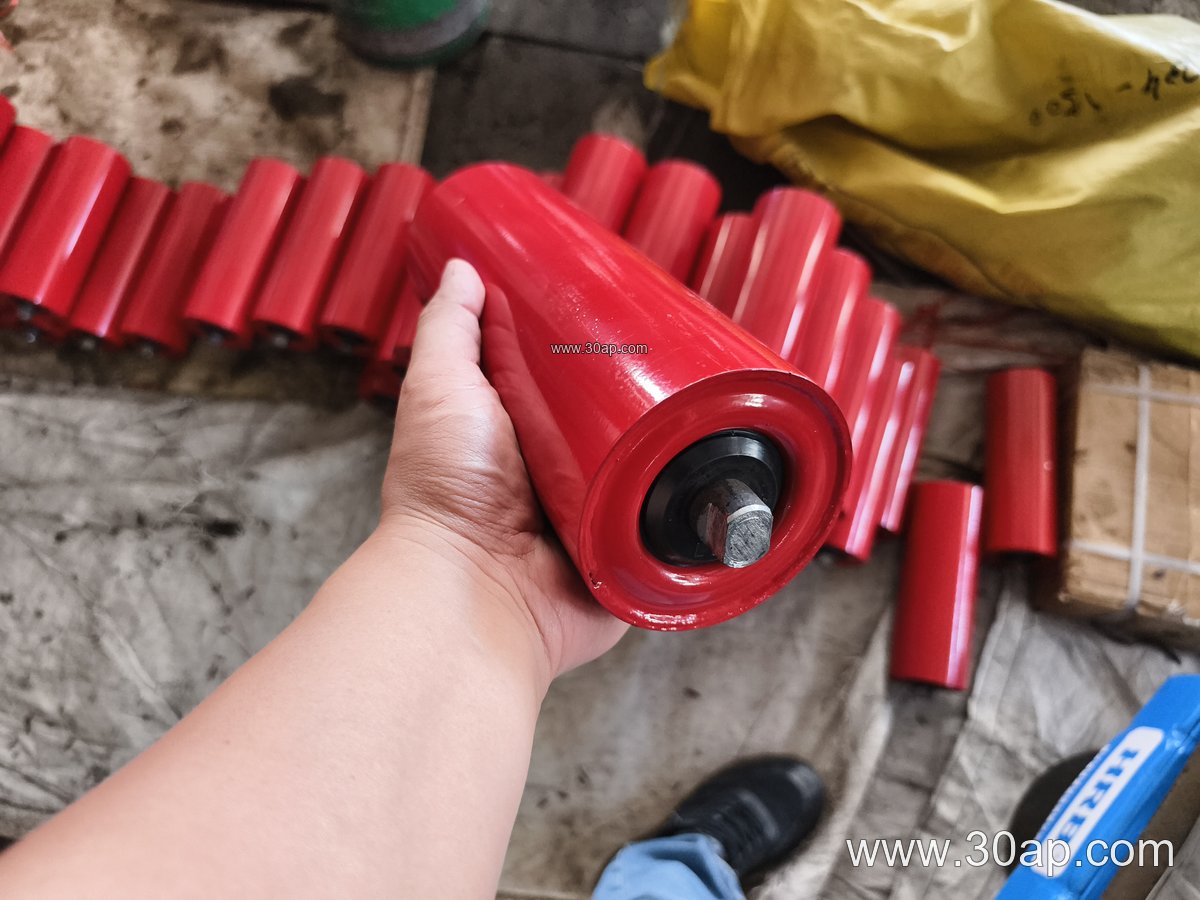
Types That Matter in a Real Inquiry
The carry side usually uses three-roll troughing sets at a 20, 30, 35, or 45 degree trough angle. The return side commonly uses a single flat roller or a V-return set for tracking. Impact zones under a crusher discharge call for impact rollers or rubber-ring impact rollers, while self-aligning idlers with a slight forward lean of about 1.5 to 2 degrees help correct belt drift on long runs. Spiral rollers are a common choice where sticky material builds up on the return strand.
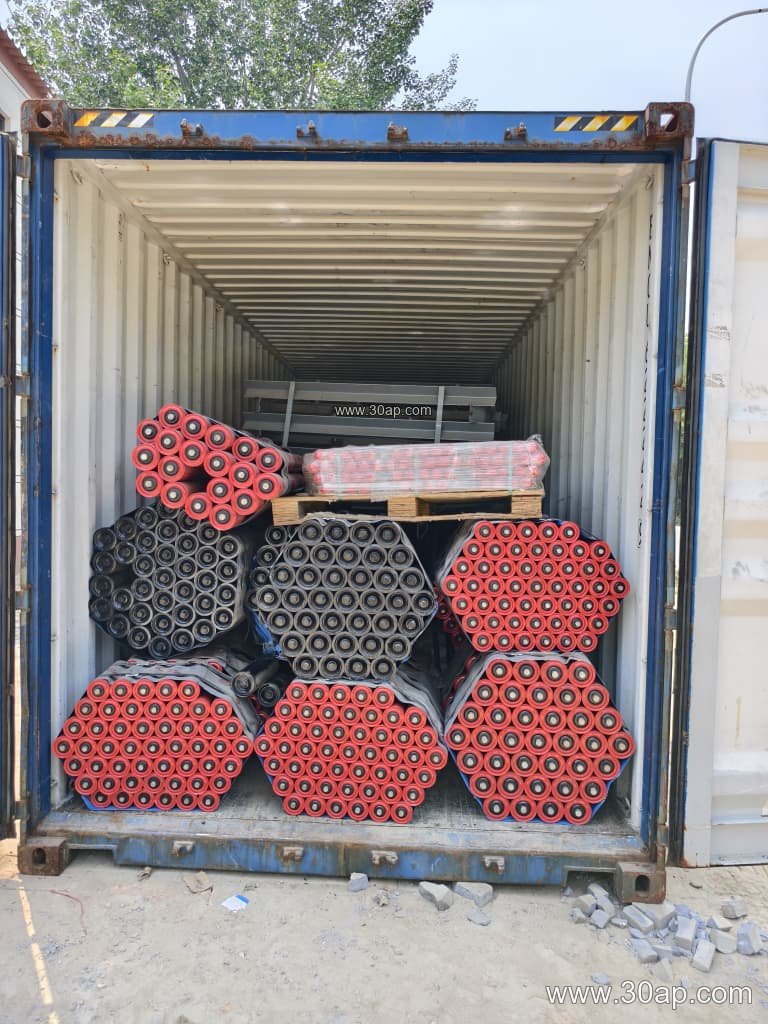
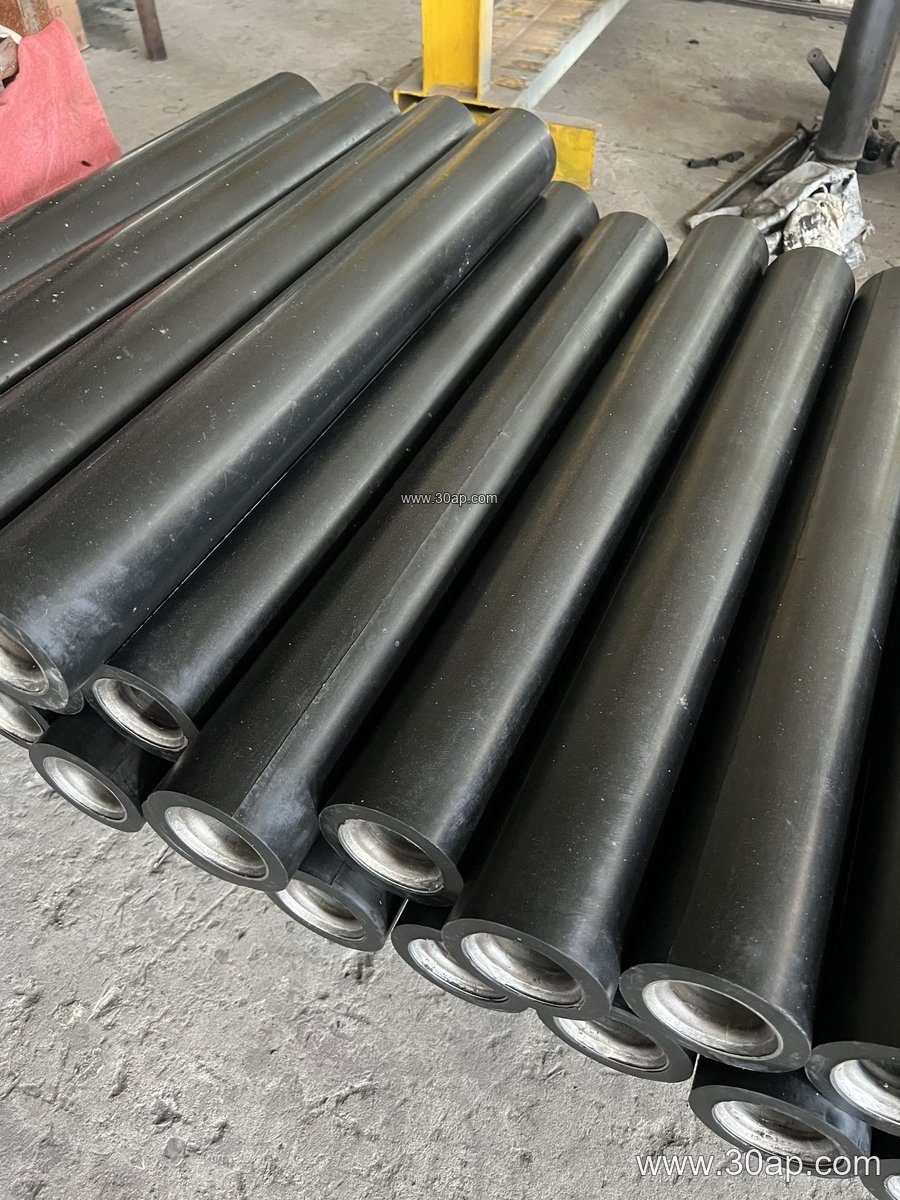
Surface form is worth a separate conversation with the supplier. Steel shells suit dry, abrasive ore and rock; nylon or ceramic covers reduce build-up; rubber rings absorb shock. None of these choices is universal, and a buyer should match the roller to the duty, not to a catalogue page.
Reading Diameter, Belt Width, and Roller Length
Roller diameter and belt width are separate decisions. A 500 mm or 650 mm belt might run on 89 mm rollers on a short transfer, while a 1200 mm or 1400 mm belt on a heavy-duty mining conveyor often uses 133 mm or 159 mm rollers. Roller length follows belt width, trough angle, and the number of rolls in the set. Common three-roll examples are given below as reference points only; side rollers and centre rollers can differ on the same frame.
| Belt width | Typical roller length, three-roll troughing |
|---|---|
| B500 | about 200 mm |
| B650 | about 250 mm |
| B800 | about 315 mm |
| B1000 | about 380 mm |
| B1200 | about 465 mm |
| B1400 | about 530 mm |
| B1600 | about 600 mm |
Common shell diameters in the market include 63, 76, 89, 102, 108, 127, 133, 159, 178, 194, and 219 mm. Bearings such as 6204, 6205, 6305, 6306, 6308, and 6310 appear across that range; a given bearing is not tied to one diameter, so confirm the housing and shaft fit with the supplier.
Matching Idlers to the Belt and the Duty
Idler selection should follow the belt it supports. A heavy-duty mining conveyor belt carrying iron ore at high tonnage needs larger diameter rollers with robust seals. A flame retardant conveyor belt in an underground coal mining conveyor still needs smooth rolling, but the surrounding environment pushes sealing quality to the top of the list. On a cement plant conveyor or a power plant coal conveyor, dust ingress is the usual failure route, so labyrinth seals and greased-for-life housings are worth asking about.
Where the belt is a pipe conveyor belt, a corrugated sidewall belt, or a chevron belt, idler geometry may need special attention at the transition and at the loading point. Buyers running an EP conveyor belt or a steel cord conveyor belt should confirm that the roller spacing suits the belt stiffness, especially on the return strand. Similar logic applies on quarry conveyor belts and aggregate conveyor belts, where fines and water often combine.
What to Put in the Purchase Request
- Belt width and belt type, for example an EP1000 or ST1600 belt, so the supplier can check load assumptions.
- Roller type and trough angle, with a sketch of the frame if it is non-standard.
- Shell diameter, roller length, shaft end detail, and bearing designation.
- Surface form and any coating requirement.
- Quantity per station plus a spare allowance for the highest-wear positions.
It also helps to state the operating environment in plain terms: wet, dusty, high temperature, or corrosive. A buyer sourcing for a copper ore line will get better answers by saying so than by asking for a generic roller. For reference on related components and belt matching, see idler procurement notes and the belt range at conveyor belt pages.
Inspection and Lifecycle Notes
Idler procurement does not end at delivery. Check that rollers turn freely, that seals sit flush, and that the frame aligns with the belt centre line. Seized rollers can be spotted by sound and by belt tracking drift. Keeping a small stock of the most common sizes on site shortens downtime on a crusher conveyor or a ship loading line, and it lets maintenance replace a single roller instead of a whole set.