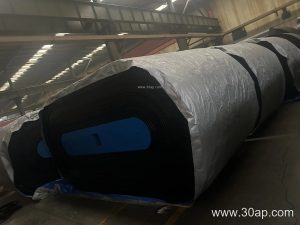
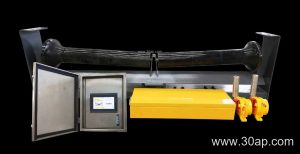
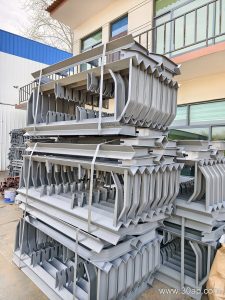
What a Steel Cord Conveyor Belt Is
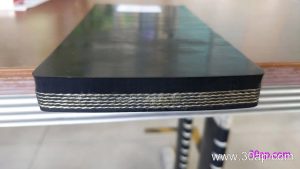
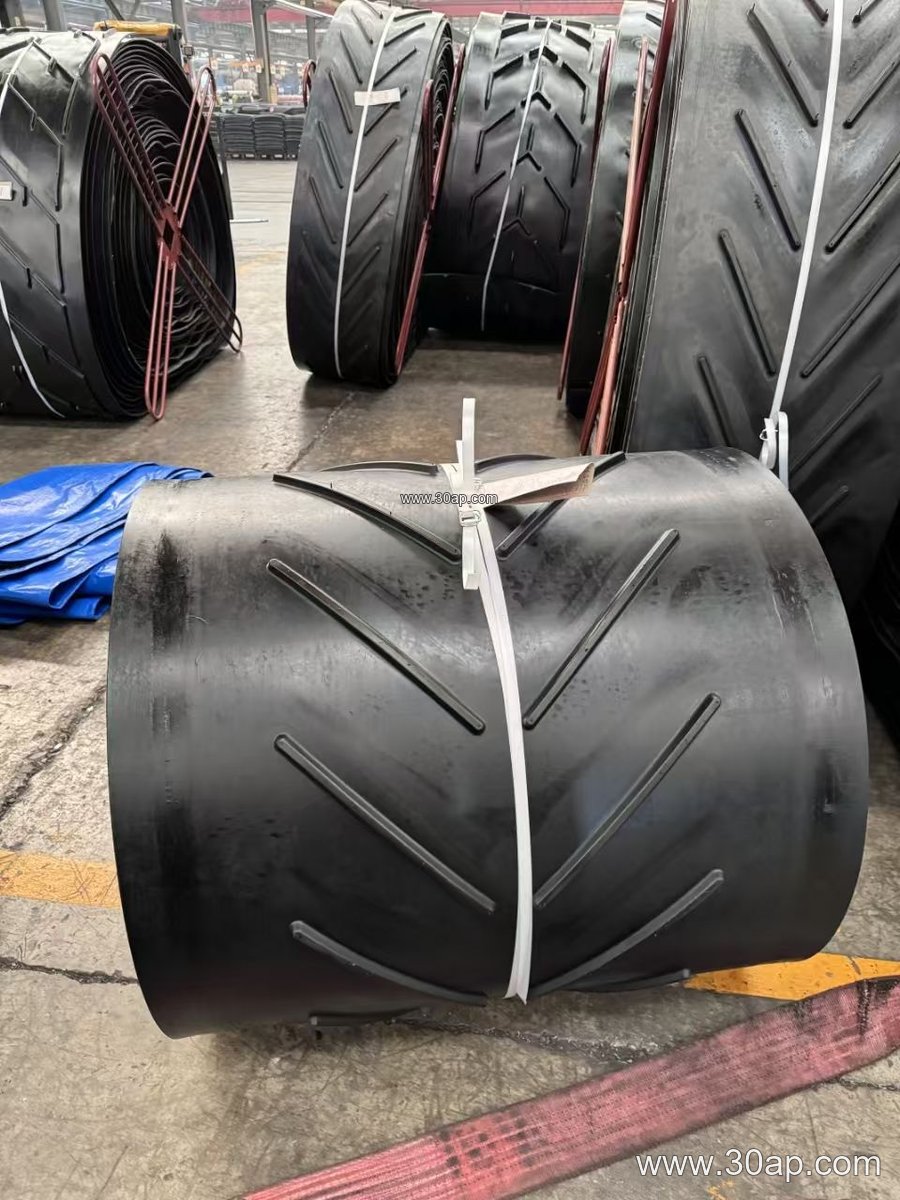
A Steel Cord Conveyor Belt is a heavy-duty rubber belt whose tension-carrying skeleton is made from parallel steel cords running lengthwise through the carcass. Instead of woven fabric plies, the load is carried by these cords, which gives the belt high tensile strength with relatively low elongation. That combination suits long conveying routes, steep inclines, and high-tonnage bulk material handling in mines, coal preparation plants, cement works, power stations, and large quarry or port operations.
In everyday site language, the same product is often called a steel cord belt or a steel-reinforced conveyor belt. All three names refer to one product family, and the construction remains the defining feature.
How the Belt Is Built
The carcass is a single layer of brass-plated or zinc-plated steel cords spaced at a defined pitch. A top and bottom cover of rubber compound protects the cords from abrasion, impact, moisture, and in some cases heat, oil, or flame. The bond between cord and rubber is critical, because any separation allows moisture to reach the steel and shortens service life.
Typical construction details include:
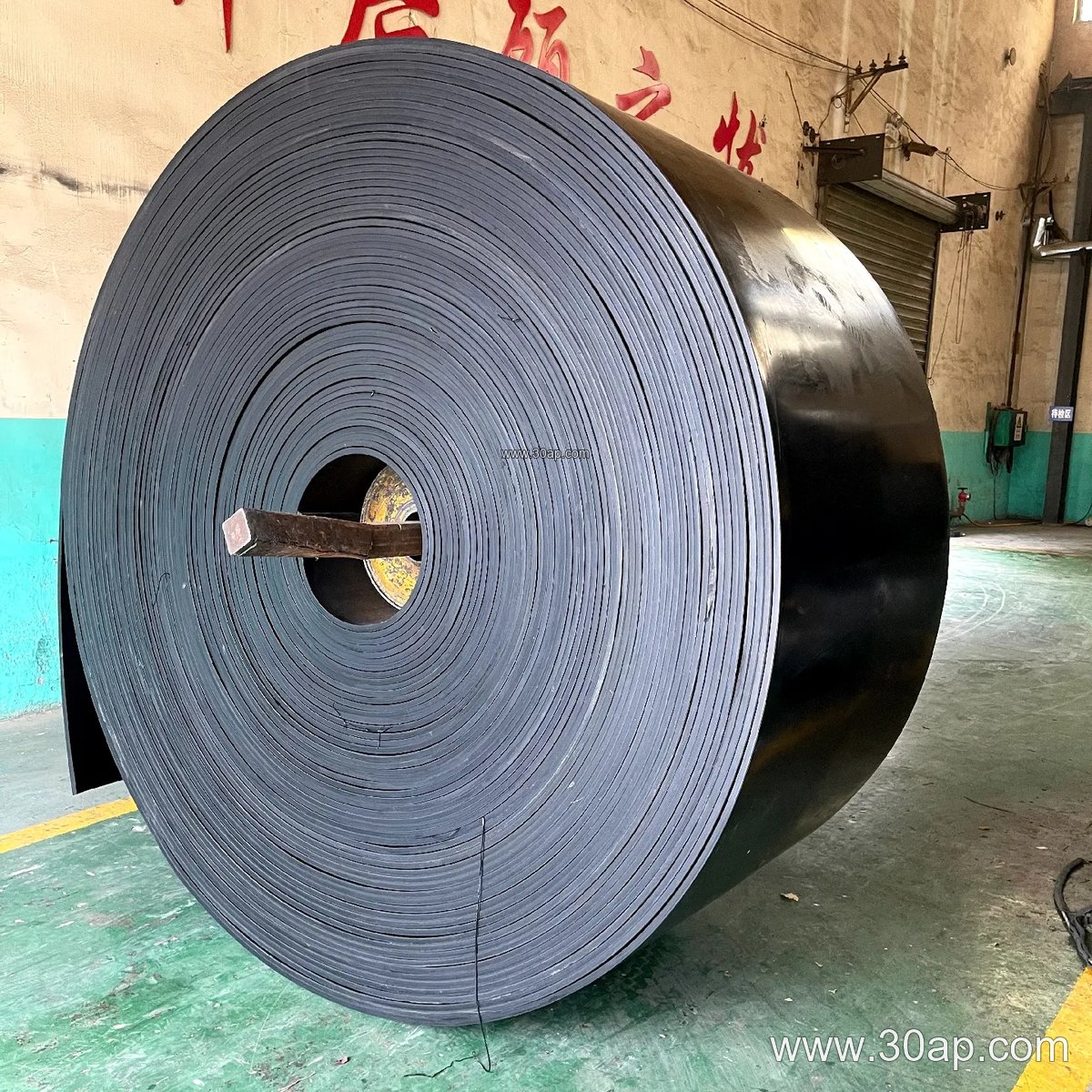
- Parallel steel cords in one plane, with cord diameter and pitch chosen for the required strength
- Cover compounds matched to the duty, such as abrasion resistant, heat resistant, flame retardant, or oil resistant grades
- Cover thickness commonly expressed as top plus bottom, for example 6+2 mm or 8+3 mm, depending on load and impact
- Belt widths such as 800 mm, 1000 mm, 1200 mm, 1400 mm, and 1600 mm, with wider options available on request
Strength Grades and Reference Data
Steel cord belts are usually specified by nominal tensile strength per unit width. The table below shows common ST grades as reference values, not fixed guarantees; actual cord layout and cover thickness are set by the belt designer and the manufacturer.
| Grade | Nominal strength (N/mm) | Typical duty |
|---|---|---|
| ST1000 | 1000 | Medium-length main haulage |
| ST1250 | 1250 | General mining and cement transport |
| ST1600 | 1600 | Long overland or inclined routes |
| ST2000 | 2000 | High-capacity ore and coal systems |
| ST2500 | 2500 | Heavy mainline conveying |
| ST3150 | 3150 | Very high tension, long single flights |
Width and grade are independent choices. A given belt width is not tied to one pulley diameter, and shaft sizing must be calculated from the actual belt tension, pulley load, and conveyor geometry rather than assumed from width alone.
Where It Fits in the Plant
Steel cord belts are common in underground coal mining and surface mining, where a Mining Conveyor Belt must move large tonnages over long distances with minimal stretch. They also appear in cement plants feeding kilns and clinker coolers, in power plants handling coal, in iron ore and copper ore transport, and in port shiploading systems.
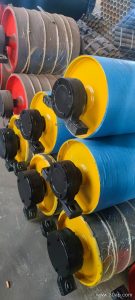
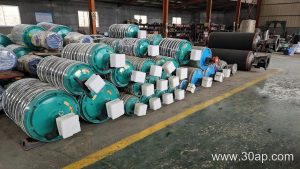
The belt runs over a conveyor pulley at the drive and tail, supported by idler rollers along the route. Conveyor brackets and frames hold the idlers in alignment. Because steel cord belts carry high tension, the drive pulley, take-up arrangement, and splice quality deserve particular attention during design.
Selection and Comparison Notes
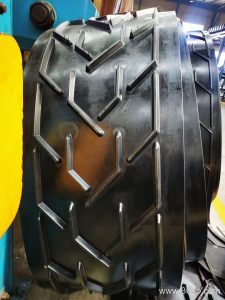
For shorter or lighter duties, an EP Conveyor Belt or NN Conveyor Belt with fabric plies may be the more economical choice, and a Flame Retardant Conveyor Belt grade is often required underground. Steel cord construction becomes attractive when the route is long, the tonnage is high, or elongation must stay low. A Heat Resistant Conveyor Belt compound may be needed near sinter or clinker, while an Abrasion Resistant Conveyor Belt cover helps at crusher discharge points.
Buyers should confirm the required ST grade, belt width, cover thickness and compound, splice method, and any flame or anti-static requirements. Request the manufacturer’s cord pitch and cover data rather than relying on a single headline number.
Installation and Maintenance Points
- Store belts on a flat, dry surface and avoid sharp bends that can damage cords.
- Use the specified splice procedure; a poor splice concentrates stress and can lead to cord pull-out.
- Check idler roller alignment and pulley lagging regularly to reduce edge wear and tracking problems.
- Inspect covers for cuts that expose cords, especially in wet or corrosive environments.
- Monitor take-up travel to detect abnormal elongation early.
For more on matching belts with pulleys, idlers, and frames, see https://www.jsflda.com/steel-cord-conveyor-belt and related pages on conveyor components.