What a Conveyor Bracket Quotation Covers
A conveyor bracket quotation is a priced breakdown of the support hardware that holds the idlers and carries the belt load on a conveyor structure. Buyers often ask for a quotation on the bracket set alone, separate from the conveyor belt, idler roller and conveyor pulley, because brackets are fabricated in batches and their cost depends heavily on material, bending work and hole layout. A clear quotation should state the bracket type, the belt width it suits, the trough angle, the roller diameter it accepts, the material grade and the surface treatment, so the offer can be compared line by line with another supplier.
For general reference, a bracket quotation may include sizes such as B800, 35 degrees and Ø108, or B1200, 45 degrees and Ø133. These are common combinations, not fixed rules, and the mounting hole spacing and crossbeam length are usually determined by the design rather than by belt width alone.
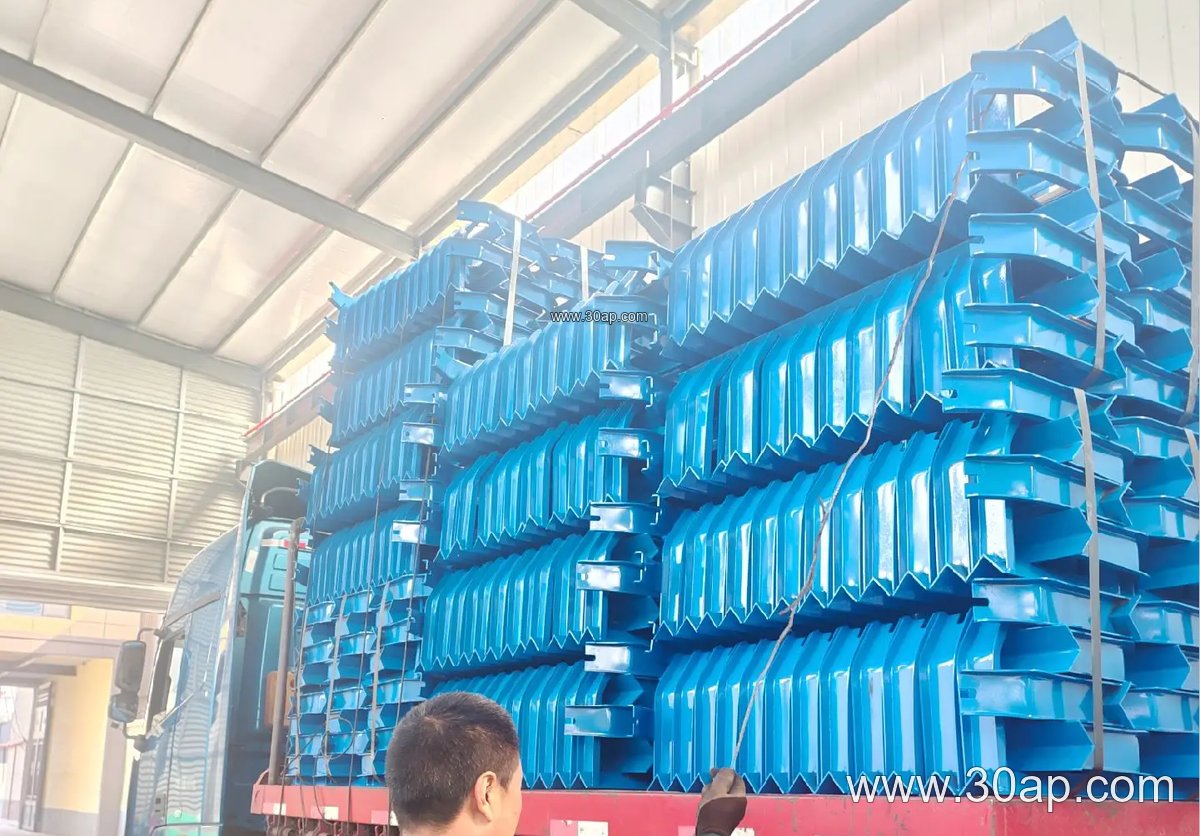
How the Bracket Is Built
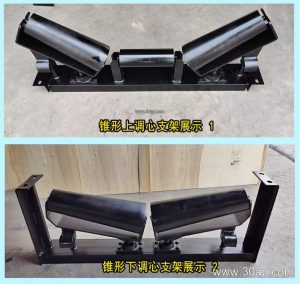
Most troughing brackets are made from angle steel, channel steel or folded steel plate. The frame is cut, punched and welded or bolted, then finished with painting or galvanizing according to the project requirement. The bracket must hold the idler roller at the correct angle so the conveyor belt forms a stable trough and keeps the material centered.
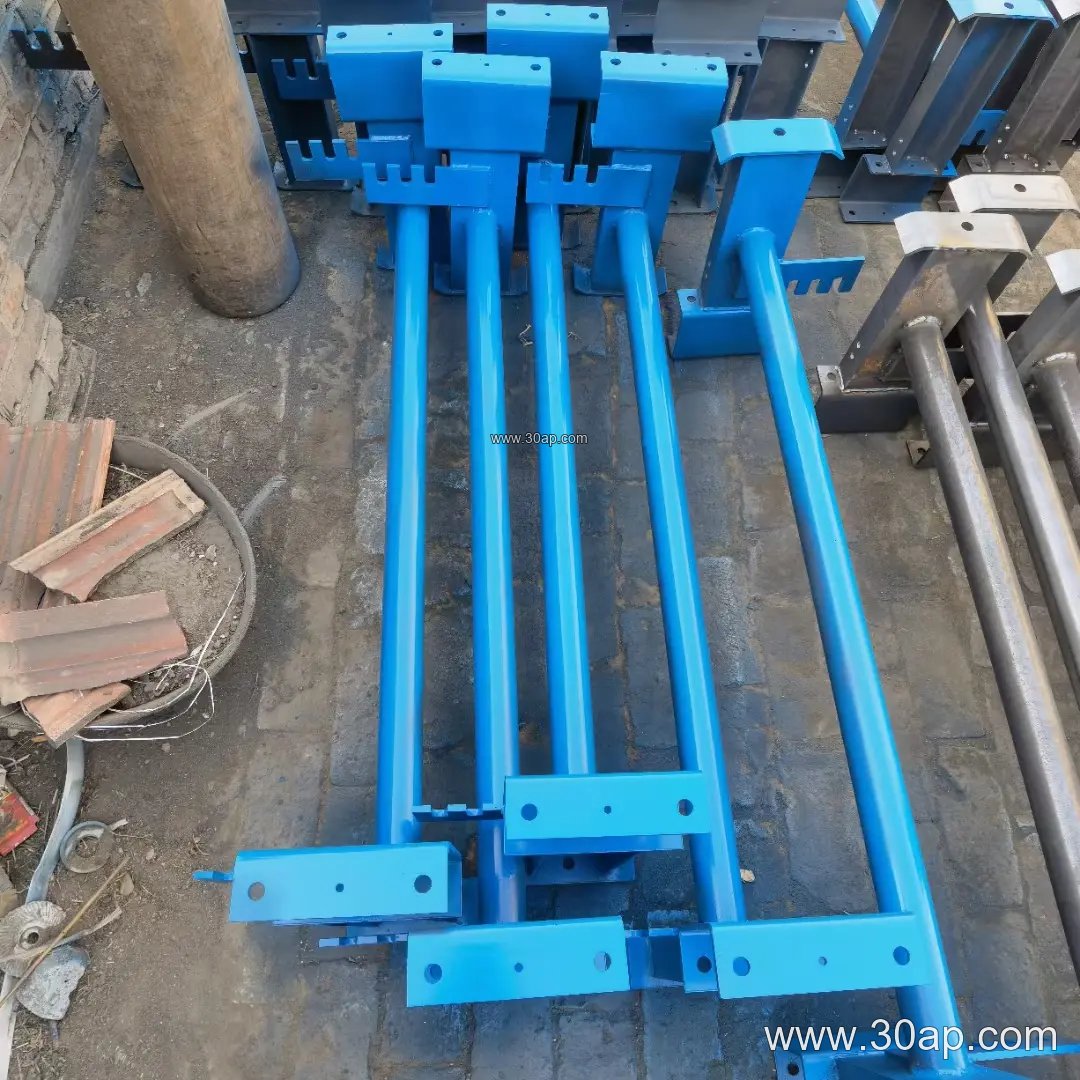
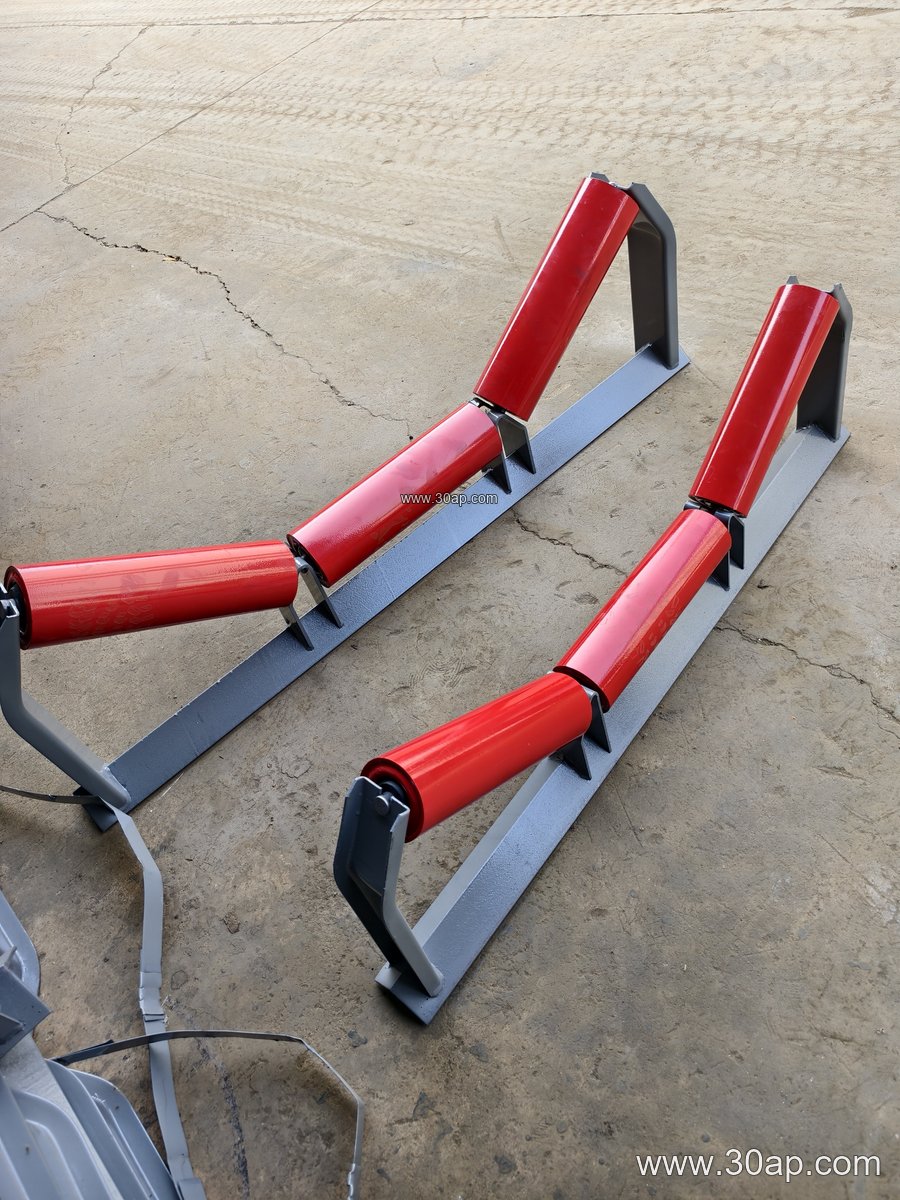
- Troughing bracket: supports three idlers at 20, 30, 35 or 45 degrees
- Transition bracket: eases the belt from flat to troughed profile near the pulley
- Return bracket and V-return bracket: support the lower run of the belt
- Impact bracket: carries impact idlers under the loading point
- Self-aligning bracket: mounts training idlers to correct belt drift
- Adjustable bracket: allows the trough angle to be changed on site
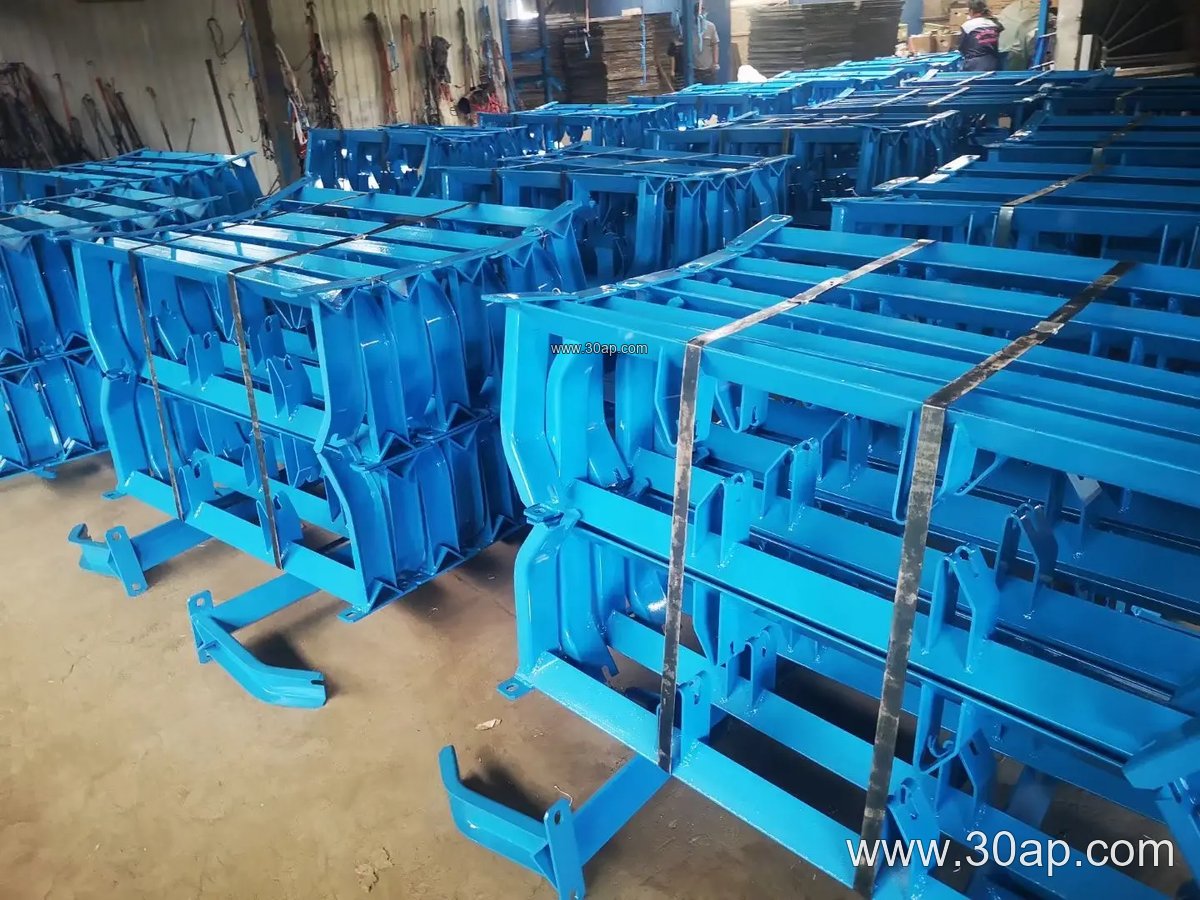
Folded plate brackets are common on heavy-duty mining conveyor lines, while bolted angle frames are easier to ship and replace. A buyer should confirm whether the quotation includes fasteners, and whether the bracket is designed for a specific idler shaft size.
Where These Brackets Are Used
Troughing and return brackets appear wherever bulk material moves on a belt: a limestone quarry feeding a crusher, a coal washing plant, a cement plant clinker line, a power plant coal yard, a port shiploading system or a sand and gravel plant. On a long overland line carrying a steel cord conveyor belt, bracket spacing and alignment matter as much as the belt itself. In a tunnel muck removal system or a fertilizer warehouse, smaller brackets on narrower frames are more typical.
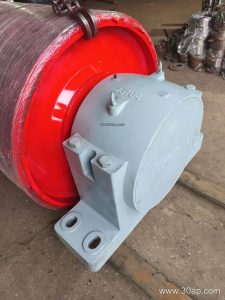
The bracket works together with the conveyor belt, the idler roller and the conveyor pulley, so a quotation should be read against the whole conveyor layout rather than as an isolated part.
What to Send With a Quotation Request
To receive a usable conveyor bracket quotation, provide the belt width, the required trough angle, the idler diameter, the bracket type and the quantity per conveyor. A short specification list helps the supplier quote accurately:
| Item | Typical reference values |
|---|---|
| Belt width | B500, B650, B800, B1000, B1200, B1400, B1600, B1800 |
| Trough angle | 20, 30, 35, 45 degrees; adjustable brackets cover a range |
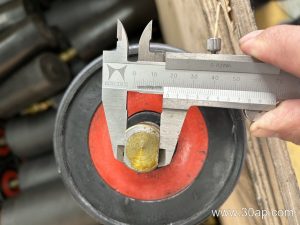
| Idler diameter | Ø89, Ø108, Ø133, Ø159, Ø194 |
| Material | Angle steel, channel steel, folded plate |
| Finish | Painted or galvanized, per project requirement |
Also mention the working environment. A dusty quarry, a corrosive chemical plant or a cold northern site may call for a different finish. If the conveyor uses a heat resistant conveyor belt or a flame retardant conveyor belt near a transfer point, the bracket drawing should still be checked against the idler and belt clearance.
Reading the Offer Before You Compare
A quotation is easier to judge when it separates unit price, quantity, drawing reference and delivery scope. Ask whether the price is per set or per piece, whether sample drawings are included, and whether the bracket is matched to a standard or custom frame. Confirm the hole spacing on the drawing rather than assuming it from belt width. For a large coal mining conveyor belt project, a small difference in bracket height can change the whole idler line, so a drawing review before order placement is worth the time.
Finally, keep the quotation linked to the rest of the order: belt specification, idler type and pulley details. A bracket quotation that fits the actual conveyor structure will save rework at installation.