What a Heavy-Duty Welded Pulley Is
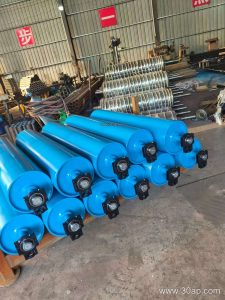
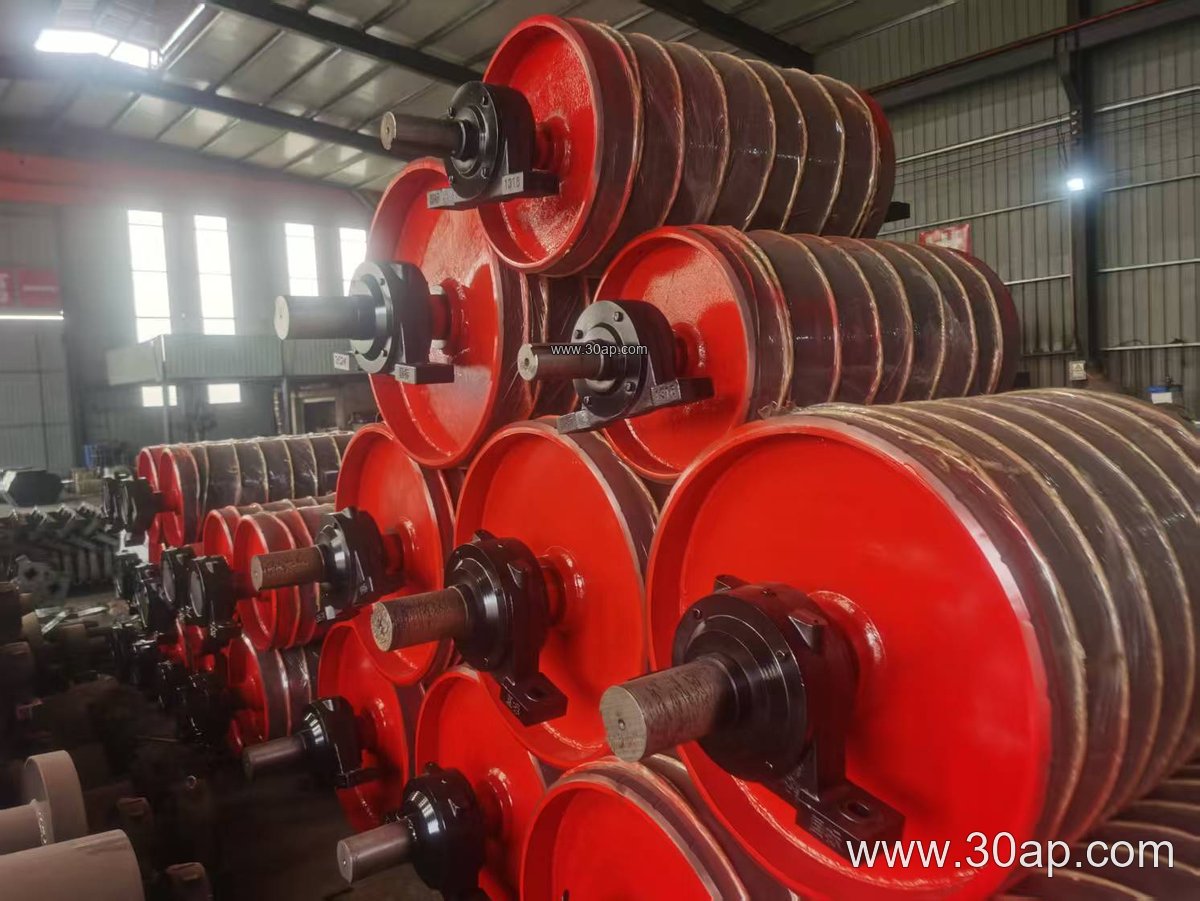
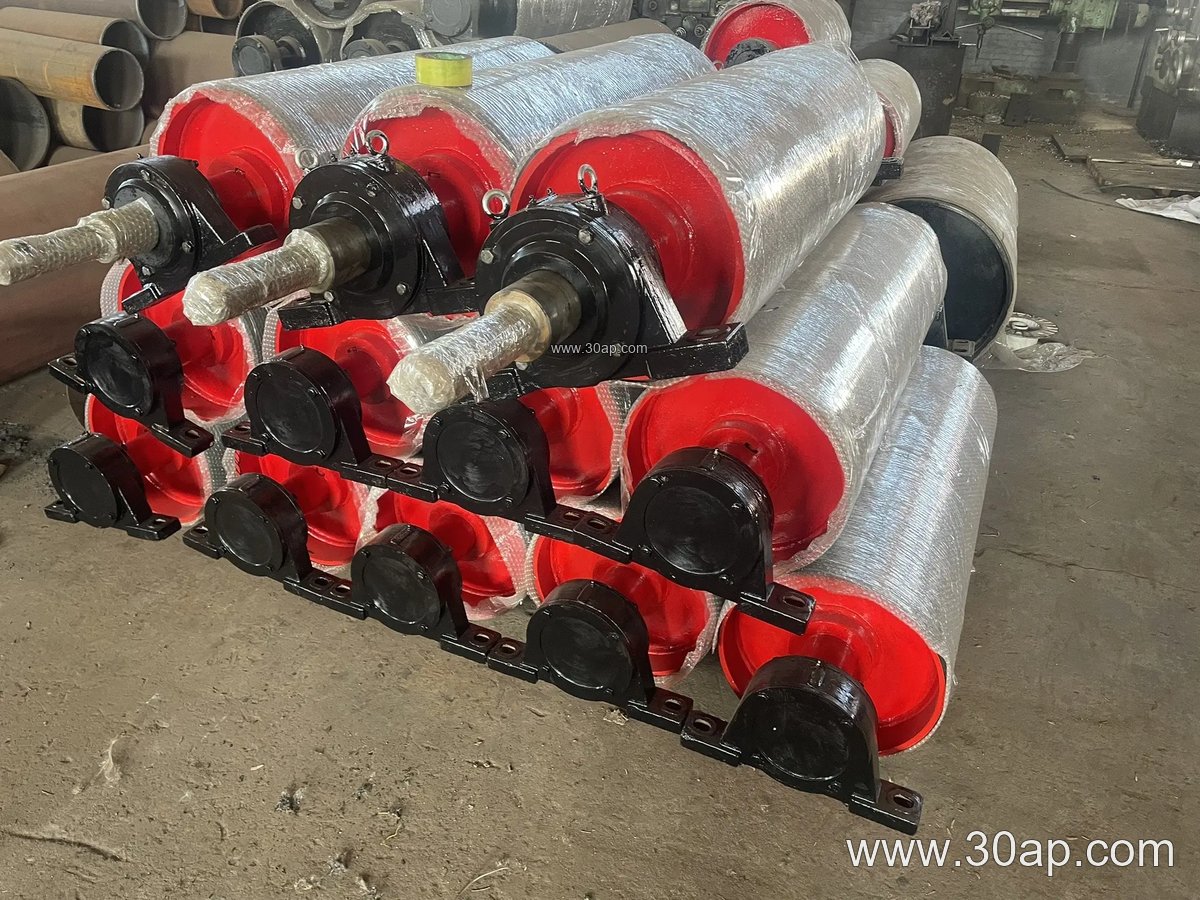
A heavy-duty welded pulley is a conveyor pulley whose shell is fabricated from rolled steel plate and joined to the end discs by continuous welding rather than being cast or assembled from lighter components. The result is a robust drum that carries the belt, transfers torque and absorbs the shock loads common in bulk handling. In many plants it is simply called a welded drum pulley or a fabricated conveyor pulley, and it usually sits at the head, tail, tension or bend position of a conveyor.
The welded construction matters because the shell, discs and hub form one load path. Thick plate resists denting when coarse material lands on the belt, and the weld detail can be inspected and repaired in the field. That is why this style of drum is often chosen for primary crushing circuits, stockyard conveyors and other points where a lighter pulley would deform.
How the Drum Is Built
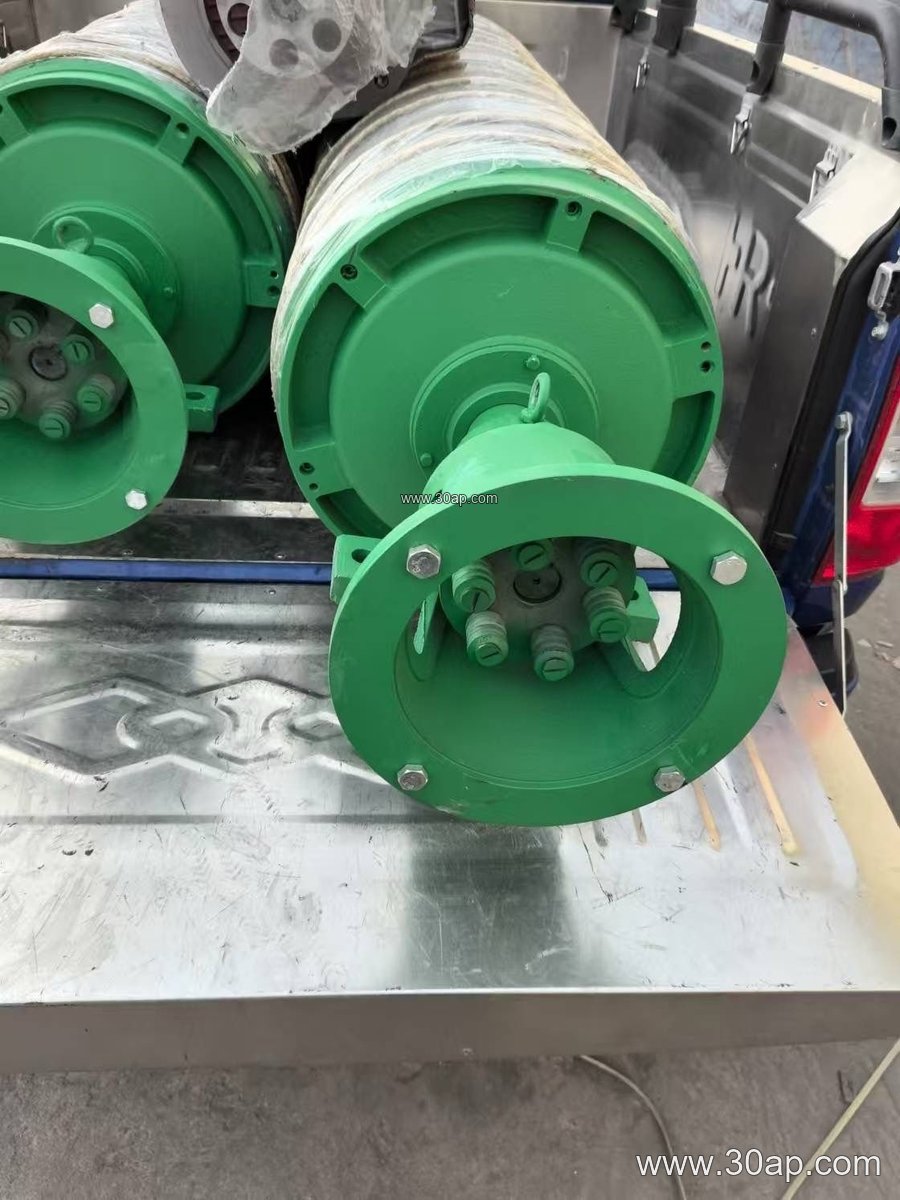
Fabrication usually starts with a rolled shell, machined end discs, a through shaft or stub shafts, and a hub assembly. The shell is welded to the discs, the shaft is keyed or shrink-fitted, and the running surface is finished to suit the belt. Bearing housings and the shaft end are machined so the pulley runs true. Surface options include plain finish, hot-vulcanized rubber, cold-bonded rubber, diamond grooving, herringbone grooving and ceramic lagging, with lagging thickness commonly 8, 10, 12, 15 or 20 mm depending on grip and wear requirements.
Balance and concentricity deserve attention on any drum that turns at speed. A well-built heavy-duty welded pulley is checked for runout before dispatch, because an out-of-round shell shortens belt life and puts extra load on the conveyor bracket and bearing seats.
Where It Fits on the Conveyor
Position determines duty. A drive or head pulley transmits power and needs a solid hub and shaft connection; a tail pulley guides the return belt; a tension pulley takes up slack; a bend pulley changes belt direction. These roles are not interchangeable, and each one loads the drum differently. A heavy-duty welded pulley is most often specified for the drive position or for tail and bend locations where impact and abrasion are severe.
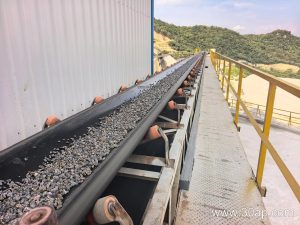
Typical service environments include a quarry face conveyor, a limestone crushing line, an iron ore transfer point, a coal washing plant, a cement clinker circuit and a power station coal handling system. In all of these, the drum works alongside the conveyor belt, idler roller and conveyor bracket, so alignment across the whole frame affects how long the pulley lasts.
Matching the Pulley to Belt and Layout
Face width normally exceeds belt width so the belt is supported across its full span. Common practice gives a face of about 500 mm for B400, 600 mm for B500, 750 mm for B650, 950 mm for B800, 1150 mm for B1000 and 1400 mm for B1200, with larger belts scaled in the same way. Diameter is chosen from belt tension, wrap angle and space, not from belt width alone. Useful reference combinations include B800 × Ø500, B1200 × Ø1000 and B1400 × Ø800, but no single diameter is mandatory for a given width.
| Reference item | Common range |
|---|---|
| Belt width | B400 to B2400 |
| Pulley diameter | Ø200 to Ø1800 |
| Shaft diameter | Ø50 to Ø200, set by torque and load |
| Lagging thickness | 8, 10, 12, 15, 20 mm |
| Surface form | Plain, rubber lagging, diamond, herringbone, ceramic |
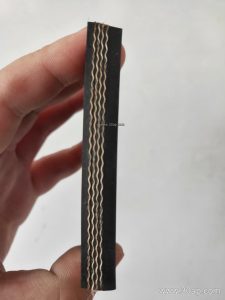
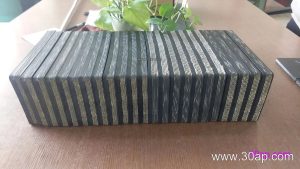
Shaft size should follow the calculated torque and bending load rather than a rule tied to belt width. The same applies to lagging: a high-tension drive may need diamond grooving for grip, while a tail drum on a wet limestone line may do better with plain rubber. Matching the drum to an abrasion resistant conveyor belt or a flame retardant conveyor belt is part of the same decision, since belt stiffness and cover hardness affect the contact pressure at the shell.
Buyer Checklist
- Confirm the pulley position and whether it is a drive, tail, tension or bend drum.
- State belt width, belt type and expected tension so diameter and shaft can be sized together.
- Choose the lagging form for the actual material, moisture and slip risk.
- Ask for runout, balance and weld inspection records where the duty is severe.
- Check that the conveyor bracket and bearing seats match the shaft end supplied.
- Plan periodic checks of lagging wear, weld seams and bearing condition.
A fabricated drum is only as good as its installation. Misalignment against the idler roller frames, overloaded belting or a worn conveyor belt will shorten the life of even a well-made heavy-duty welded pulley, so keep the whole conveyor system in view when specifying a replacement. More reference on drum and belt matching is available at conveyorpulley.cn.