What a Head Bend Pulley Does
A head bend pulley is a direction-changing drum placed near the discharge end of a conveyor. It guides the return strand of the conveyor belt around the head station, helping the belt wrap the head or drive pulley at the angle the layout requires. It is a bend pulley in the functional sense, not a drive or tail unit, and those roles stay with their own dedicated components.
In practice, the head bend pulley often sits close to the head pulley and works with a conveyor bracket to hold alignment. On long overland lines serving a quarry or a limestone mine, it may appear several times in the head frame to route the belt cleanly before the return idler roller train begins.
Construction and Surface Options
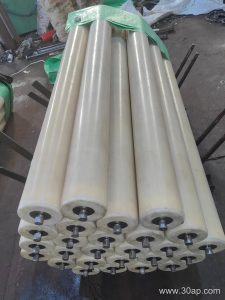
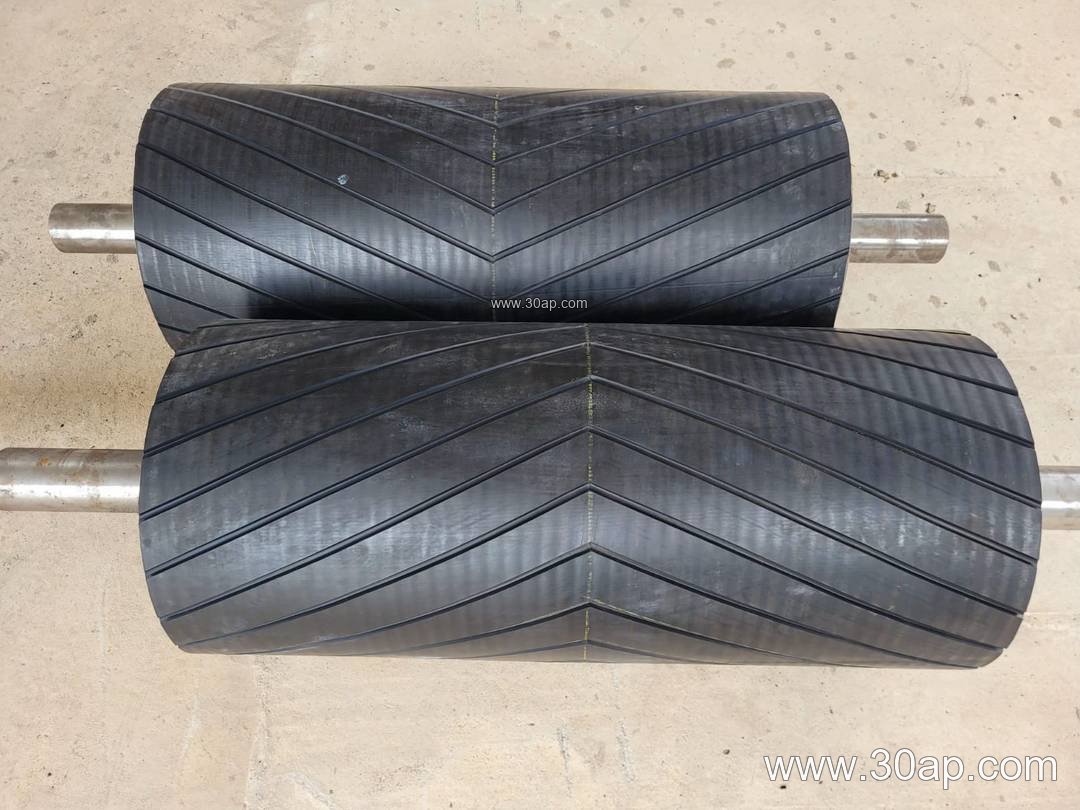
The drum is typically a welded steel shell with end discs and a through shaft, machined for balance and concentricity. Surface treatment depends on the duty. Plain finish suits light contact; rubber lagging improves grip and protects the shell from abrasive carryover. Common lagging methods include cold-bonded rubber, hot-vulcanized rubber and cast rubber, and patterns such as diamond or herringbone can help shed fines and water.
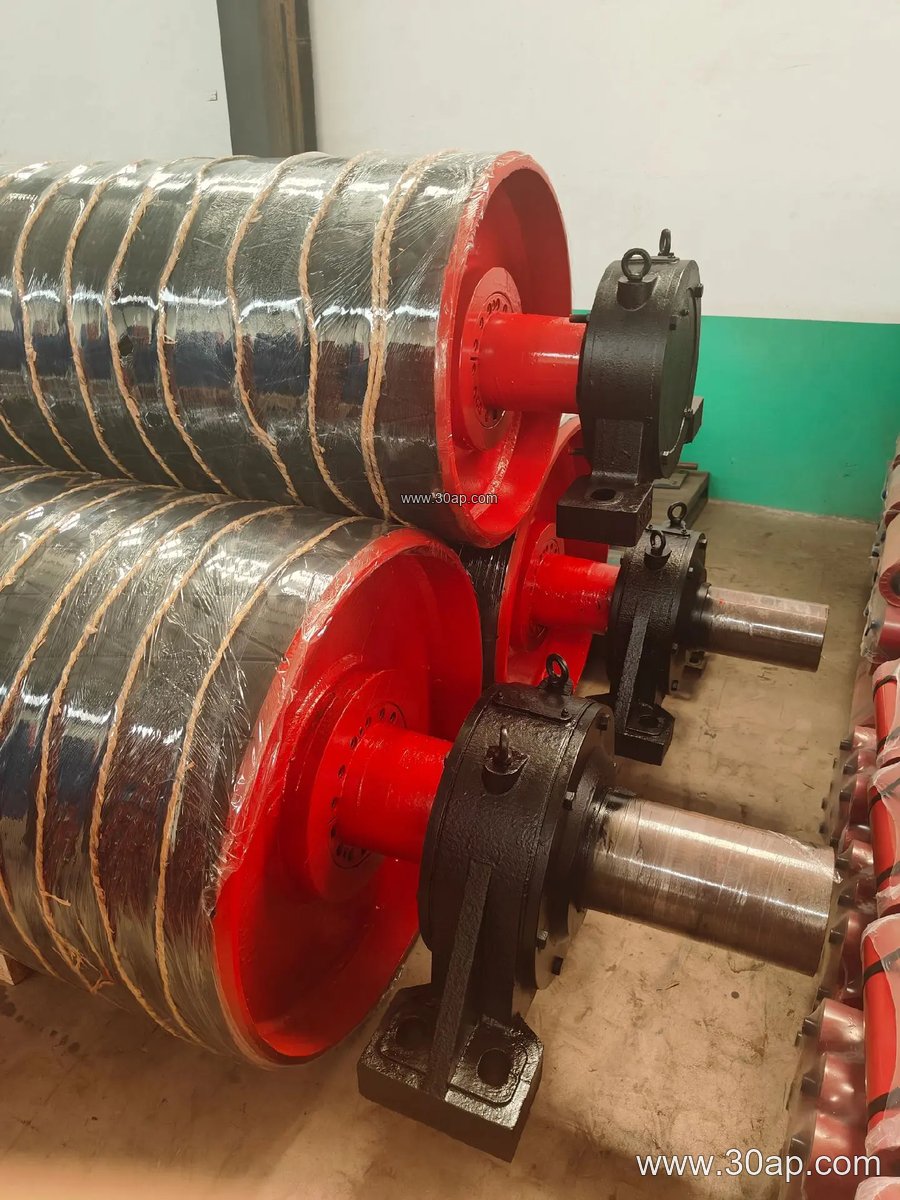
- Shell and shaft: fabricated steel, dynamically balanced
- Lagging: plain, cold-bonded, hot-vulcanized, cast, diamond, herringbone or ceramic
- Lagging thickness: usually 8, 10, 12, 15 or 20 mm
- Bearing housings: pillow block or flange type, greased or sealed
Because the head bend pulley mainly redirects the belt rather than transmitting full drive torque, its lagging choice is usually about wear life and tracking rather than traction. That said, a worn or unevenly lagged bend drum can disturb belt travel just as surely as a misaligned idler roller.
Where It Fits in the Plant
You will find this drum in cement plants handling clinker, in power station coal yards, in iron ore and copper ore concentrators, and in aggregate lines feeding a crusher or screening house. It also appears in port bulk terminals and ship loading conveyors, where the head frame is compact and belt routing is tight.
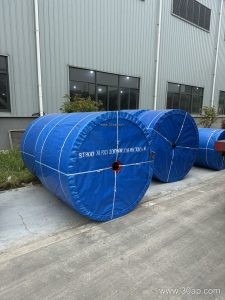
The belt itself matters here. A heavy-duty mining conveyor belt or a steel cord conveyor belt has limited tolerance for small-radius bends, so the bend drum diameter must be sized against belt construction, not guessed from width alone. A fabric core conveyor belt such as an EP conveyor belt or NN conveyor belt may accept a smaller drum, while a thick abrasion resistant conveyor belt on a quarry conveyor belt line usually calls for a larger diameter and generous lagging.
Matching Width, Diameter and Shaft
Face width normally exceeds belt width so the belt is fully supported. Diameter and shaft size are design decisions based on belt tension, wrap angle, belt stiffness and load. No single belt width locks you into one diameter, and shaft diameter should never be picked from belt width alone.
| Belt width | Typical face width | Diameter examples (design-dependent) |
|---|---|---|
| B650 | about 750 mm | Ø315, Ø400, Ø500 |
| B800 | about 950 mm | Ø400, Ø500, Ø630 |
| B1000 | about 1150 mm | Ø500, Ø630, Ø800 |
| B1200 | about 1400 mm | Ø630, Ø800, Ø1000 |
| B1400 | about 1600 mm | Ø800, Ø1000, Ø1250 |
| B1600 | about 1800 mm | Ø1000, Ø1250, Ø1400 |
Common shaft sizes range from Ø50 to Ø200 mm, with the final figure set by torque and bearing load. Combinations such as B1200 × Ø1000 or B800 × Ø500 are seen in the field, but they are examples, not rules. A flame retardant conveyor belt for an underground coal mining conveyor belt may need a larger bend radius than a thin PVC belt on a short transfer.
Buyer Checklist
- Confirm the position: head bend, not drive or tail, and check the wrap angle.
- State belt type and thickness, including whether it is an EP fabric core conveyor belt, a steel cord conveyor belt or a heat resistant conveyor belt.
- Specify lagging pattern and thickness, plus any requirement for a ceramic or diamond surface.
- Give shaft diameter, bearing type and bracket interface dimensions.
- Ask about balance class, runout and inspection records for the weld seams.
- Plan greasing intervals and check lagging wear during scheduled shutdowns.
For plant engineers comparing options, the head bend pulley is best treated as part of the head frame assembly, reviewed together with the head pulley, conveyor bracket and the first return idler roller. Getting that group right keeps the belt centered and extends the service life of both the drum and the belt.