What a Double-Row Return Idler Does on a Conveyor
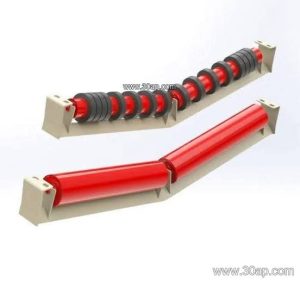
A double-row return idler is a carrying component that supports the empty side of a conveyor belt on its return run. Instead of a single roller, it uses two rows of rollers arranged side by side or in a staggered pattern to share the load across the belt width. This design helps keep the belt tracking steadily, reduces sag between supports, and limits the chance of material buildup affecting the return strand. In quarry and aggregate lines, where abrasive dust is common, the double-row arrangement can distribute wear more evenly than a single return roller.
Construction and Key Components
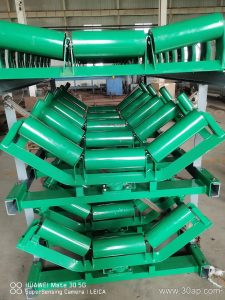
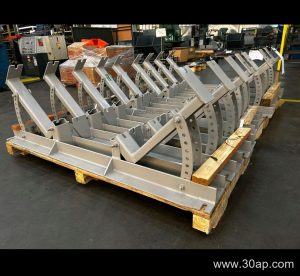
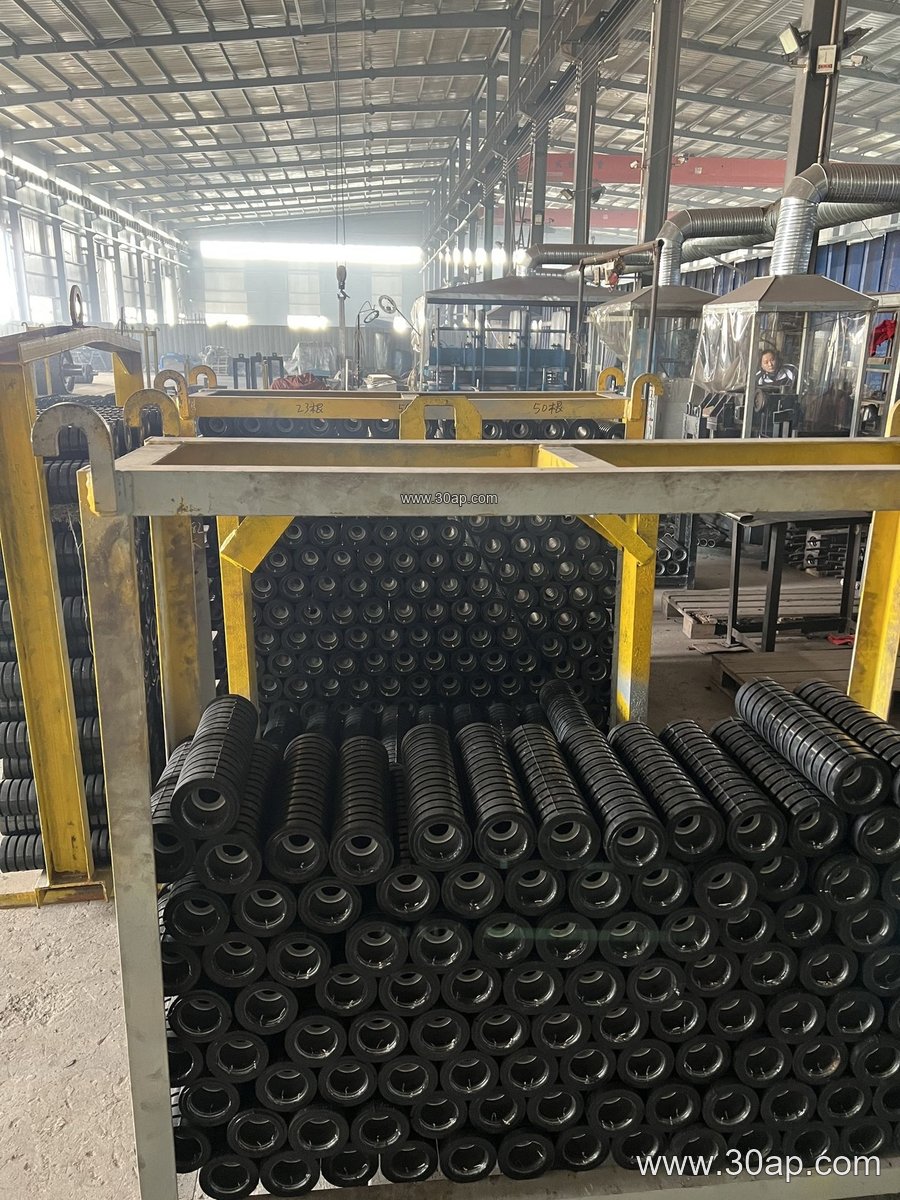
Each double-row return idler typically consists of a sturdy shaft, two rows of idler rollers, bearing housings, and a mounting frame. The roller shells may be made of steel tube, nylon, or rubber-covered steel, depending on the duty. Seals are critical in dusty or wet conditions, and common bearing sizes include 6204, 6205, 6305, 6306, 6308, and 6310. The roller diameter is selected according to belt width, load, and speed; typical options range from Ø63 mm up to Ø219 mm. The idler length is matched to the belt width and the return idler configuration, not chosen in isolation.
Where Double-Row Return Idlers Fit
These idlers are often found in cement plants, coal handling systems, and power plant coal yards where continuous operation and dust control matter. They also suit sand and gravel plants, crushing and screening circuits, and port bulk terminals. On a typical conveyor, the double-row return idler sits under the return belt, while the carrying side may use three-roll troughing idlers. The return idler works together with the conveyor pulley at the drive and tail ends, but it is not a substitute for those pulleys. The conveyor bracket and frame must match the idler mounting dimensions for proper alignment.
Common Sizes and Configuration Notes
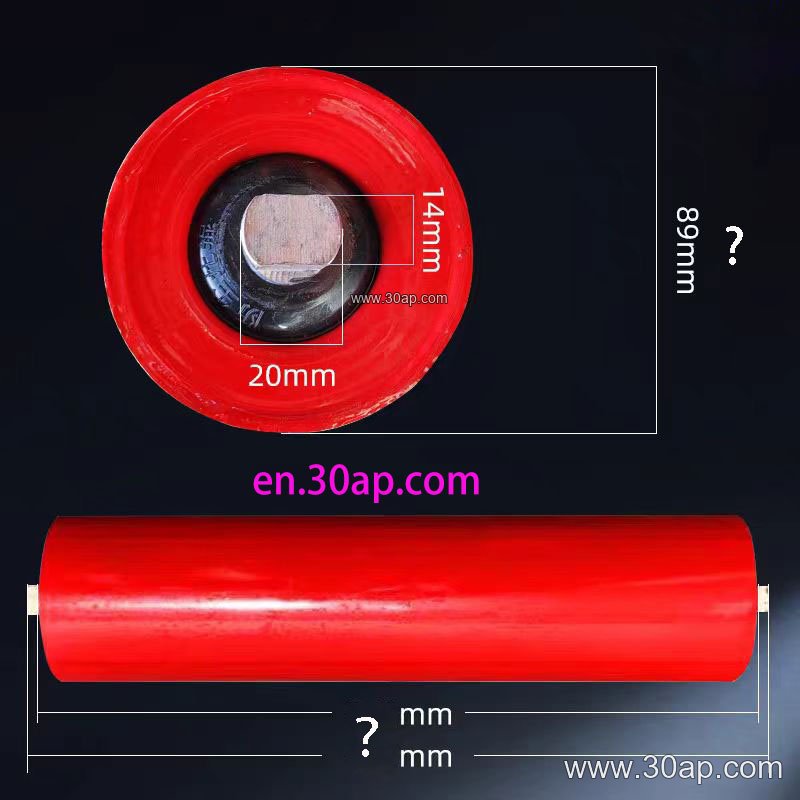
Double-row return idlers are available for belt widths from B400 to B2400, with common examples including B500, B650, B800, B1000, B1200, B1400, B1600, B1800, and B2000. Roller diameters such as Ø89, Ø102, Ø108, Ø127, Ø133, Ø159, and Ø178 are frequently used. The table below gives typical reference values; actual selection depends on the conveyor design and duty.
| Belt Width (mm) | Common Return Idler Roller Diameter (mm) | Typical Bearing Size |
|---|---|---|
| B500 | Ø89–Ø102 | 6204, 6205 |
| B650 | Ø89–Ø108 | 6205, 6305 |
| B800 | Ø102–Ø127 | 6305, 6306 |
| B1000 | Ø108–Ø133 | 6306, 6308 |
| B1200 | Ø127–Ø159 | 6308, 6310 |
| B1400 | Ø133–Ø178 | 6310 |
| B1600 | Ø159–Ø194 | 6310 |
| B1800 | Ø178–Ø219 | 6310 |
These are reference ranges, not fixed pairings. The roller length, shaft diameter, and frame dimensions are determined by the conveyor manufacturer’s design. A double-row return idler may also be supplied with rubber discs or a flat roller surface, depending on whether the application needs extra protection for the belt cover.
Buyer Checklist for Double-Row Return Idlers
- Confirm the belt width and the return idler mounting dimensions, including the distance between bracket holes.
- Check the roller diameter and bearing size against the conveyor’s load and speed requirements.
- Ask about seal type and lubrication for dusty or wet conditions; this affects service life in coal mining and cement plants.
- Verify that the idler frame and conveyor bracket are compatible with the existing structure.
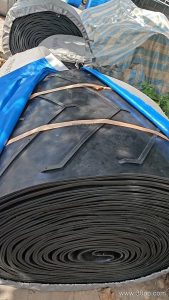
- Consider the belt type: a heavy-duty mining conveyor belt or abrasion resistant conveyor belt may need a robust return idler with good seal protection.
- Review maintenance access and replacement procedure before ordering a full set.
For conveyors handling abrasive bulk material, pairing double-row return idlers with quality conveyor components such as an EP conveyor belt or steel cord conveyor belt can improve overall reliability. The return idler should be selected as part of the whole conveyor system, alongside the conveyor pulley, belt, and frame, rather than as a standalone item.
Maintenance and Troubleshooting
Regular inspection of double-row return idlers helps catch bearing noise, roller seizure, or belt tracking issues early. In coal mining conveyor belt systems, material buildup on the return side can cause the belt to ride off-center; cleaning and checking the idlers is part of routine upkeep. If a roller becomes damaged, replace it with a matching unit to maintain proper support across the belt width. Keeping spare idler rollers and bearings on hand reduces downtime in continuous operations such as power plants and port terminals.