What Is a PVC Conveyor Belt
A PVC conveyor belt is a lightweight synthetic belt with a polyvinyl chloride cover and a fabric core. It is widely used in factories, warehouses, recycling lines, and light-duty bulk handling where a smooth, clean, and flexible surface is preferred. Unlike heavy rubber belts, the PVC conveyor belt is valued for its low weight, easy cleaning, and resistance to moisture and many mild chemicals. In industries such as food processing, packaging, and electronics assembly, this belt helps keep products moving smoothly without marking or contamination.
When buyers search for a PVC conveyor belt, they often compare it with a rubber conveyor belt or an EP conveyor belt. Each has a place: rubber belts suit heavy abrasive loads, EP belts handle high tension, and PVC belts excel in lighter, cleaner, or wet conditions. The key is to match the belt to the actual load, environment, and conveyor hardware.
Construction and Key Features
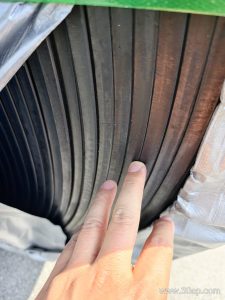
A typical PVC conveyor belt has a fabric core, usually polyester or nylon, coated with PVC on one or both sides. The cover can be smooth, matte, or lightly textured. Some belts include a low-friction bottom surface for slider bed conveyors. The fabric core provides tensile strength, while the PVC cover protects against water, oil, and moderate abrasion. Because the belt is thermoplastic, it can be spliced by heat welding or mechanical fasteners, making installation and repair relatively simple.
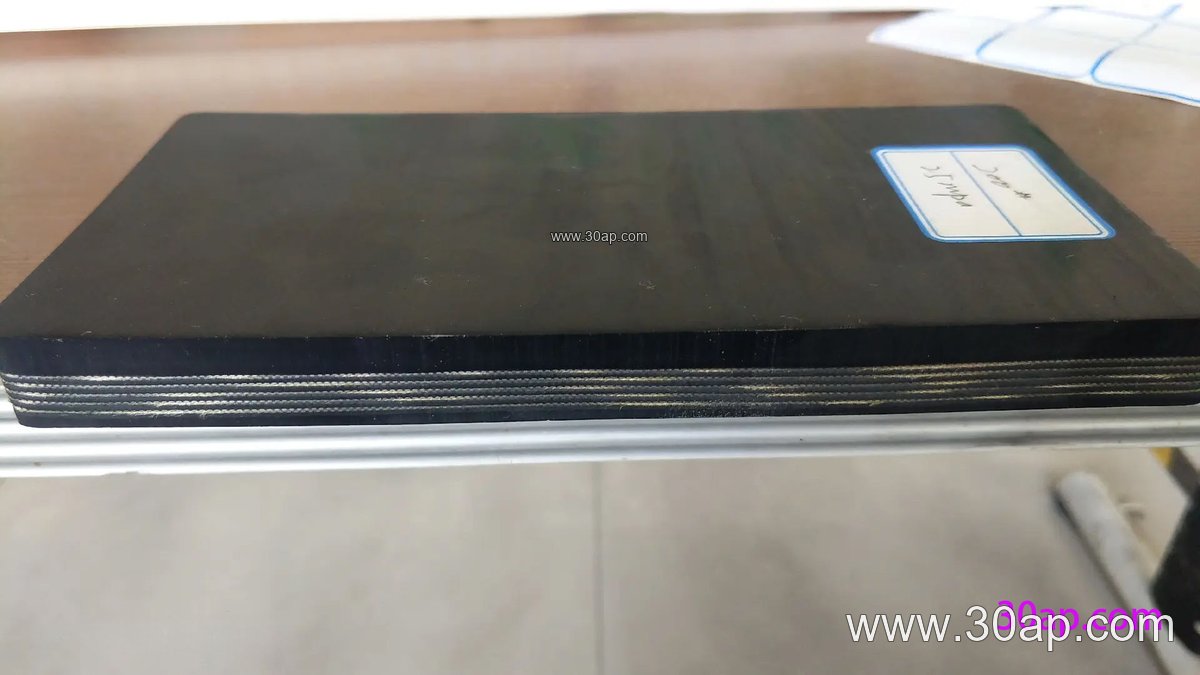
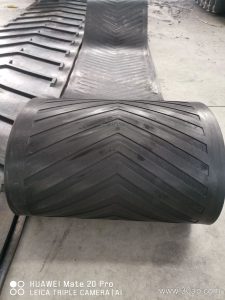
Common surface forms include smooth, diamond, and longitudinal ribbed patterns. These help with incline conveying or product release. The belt can also be made with sidewalls or cleats for special applications, though those fall under corrugated sidewall or skirted conveyor belt designs rather than standard PVC belting.
Where PVC Belts Are Used
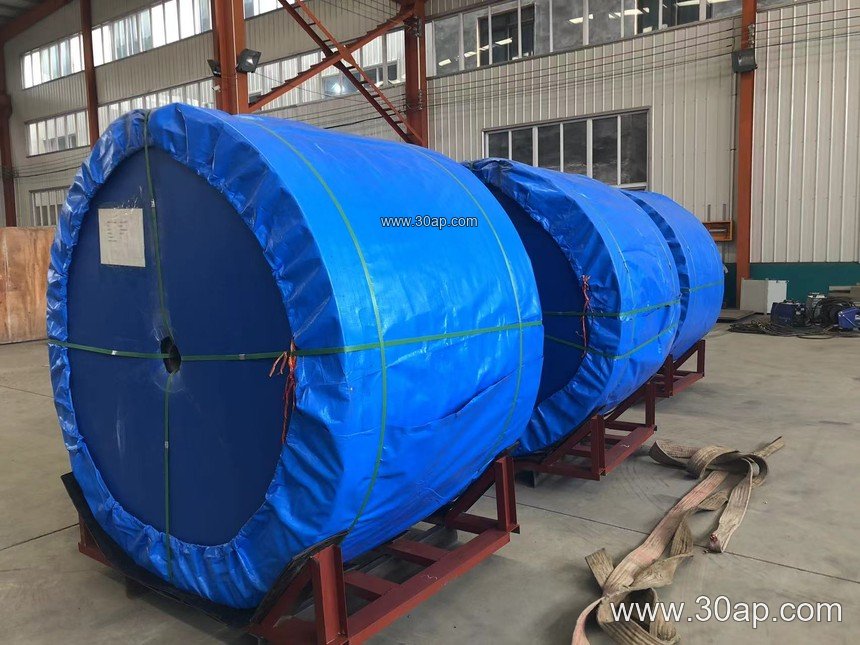
PVC conveyor belts appear in many sectors. In recycling plants, they move sorted plastics and paper. In food processing, they carry packaged goods and raw materials where hygiene matters. In airports, they handle baggage. In light manufacturing, they feed parts through assembly lines. They are also common in agriculture for grain and produce handling, and in logistics centers for parcel sorting.
For heavier duties in mining, coal mining, cement plants, power plants, and quarries, a rubber conveyor belt, EP conveyor belt, or steel cord conveyor belt is usually more suitable. A PVC belt would not be the first choice for sharp rock, high impact, or very hot materials. However, in sand making plants or stone crushing operations, a PVC belt may serve on lighter auxiliary lines where loads are controlled.
Specifications and Size Considerations
PVC conveyor belts come in a range of widths and thicknesses. Common belt widths include 500 mm, 650 mm, 800 mm, 1000 mm, and 1200 mm. Wider belts such as 1400 mm, 1500 mm, and 1800 mm are available for large surface areas. Thickness depends on the fabric core and cover; light-duty belts may be 2–3 mm thick, while heavier PVC belts can reach 6–8 mm. The table below shows representative examples, not fixed rules.
| Property | Common Range | Notes |
|---|---|---|
| Belt width | 500–1800 mm | Wider sizes by design |
| Thickness | 2–8 mm | Cover and core dependent |
| Fabric layers | 2–4 plies | Light to medium duty |
| Surface | Smooth, matte, textured | Application specific |
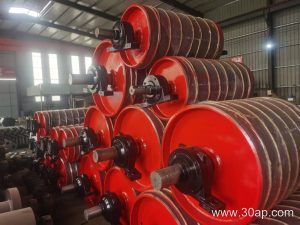
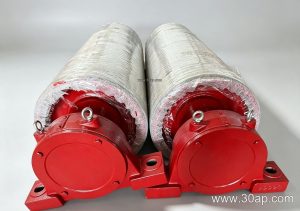
Belt width does not dictate a single pulley diameter. Drive pulleys, tail pulleys, and bend pulleys are selected based on belt tension, load, and conveyor design. A 500 mm wide belt might run on different pulley sizes in different systems. Always confirm with the conveyor manufacturer.
Buyer Checklist
- Load and speed: Confirm the weight per meter and belt speed. PVC belts suit light to medium loads.
- Environment: Check moisture, oil, and temperature. Standard PVC handles wet conditions but not high heat.
- Surface: Choose smooth for general conveying, textured for incline grip.
- Splicing: Decide between heat welding and mechanical fasteners based on maintenance capability.
- Hardware: Review idler roller spacing, conveyor pulley sizes, and conveyor bracket compatibility.
For harsh mining or high-impact ore handling, consider a flame retardant conveyor belt or abrasion resistant conveyor belt in rubber. For food contact, specify a food grade conveyor belt. PVC belts are not typically used underground in coal mining, where PVG conveyor belts or fire resistant conveyor belts are required.
Maintenance and Longevity
Keep PVC belts clean and free of sharp debris. Check tracking regularly and adjust idler rollers if the belt drifts. Avoid over-tensioning, which can stretch the fabric core. Inspect splices for wear. With proper care, a PVC conveyor belt can provide long service in light and medium duty applications.