What a Conveyor Parts Idler Does on the Line
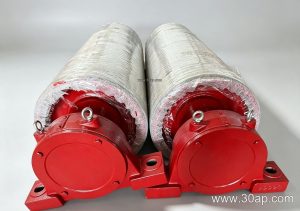
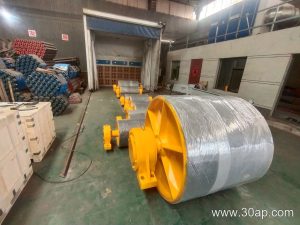
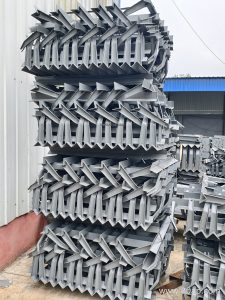
A conveyor parts idler is the rotating support that carries the conveyor belt and the material load along the length of a bulk handling system. In a quarry, a cement plant, or a power plant coal yard, these idlers are the parts that keep the belt tracking smoothly and reduce friction between the belt and the frame. The idler roller is not a single item but a family of components, each shaped for a specific position on the conveyor. You will see troughing idlers on the carrying side, return idlers underneath, and transition or impact idlers where the belt meets a load point. A conveyor bracket holds each idler in place, and the conveyor pulley at the drive and tail ends provides the motion. The idler itself is a passive part, but its condition directly affects belt life and energy consumption.
How an Idler Roller Is Built
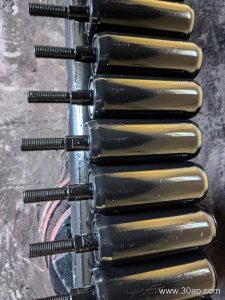
Most idler rollers are made from a steel tube shell fitted with bearing housings at each end. The shaft runs through the center, and the bearings, commonly 6204, 6205, 6305, 6306, 6308, or 6310, are sealed to keep out dust and moisture. The roller surface may be plain steel, nylon, ceramic, or covered with rubber rings for cushioning. The seal design matters in dusty environments such as a limestone mine or a coal handling plant, because fine particles can enter the bearing cavity and shorten service life. A well-built idler spins freely with minimal runout. The roller length is not fixed by belt width alone; it changes with the belt width, trough angle, and the idler arrangement. For example, a three-roll troughing set commonly uses roll lengths around 200 mm for B500, 250 mm for B650, 315 mm for B800, 380 mm for B1000, and 465 mm for B1200, but the side rolls and center roll may differ. These are common examples, not universal rules.
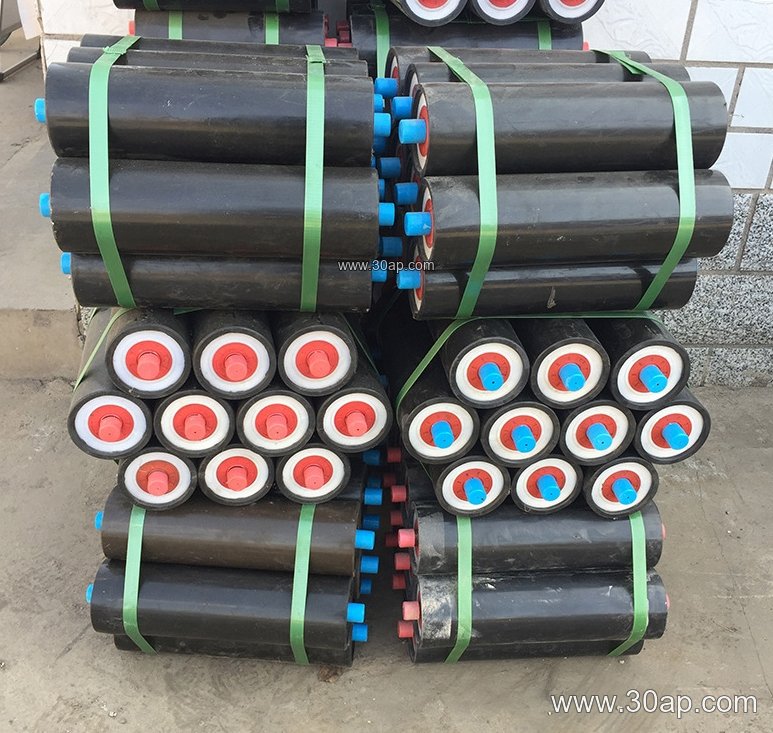
Common Idler Types and Where They Sit
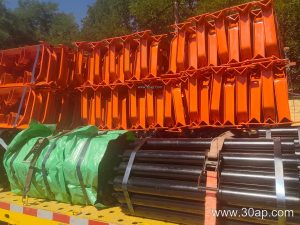
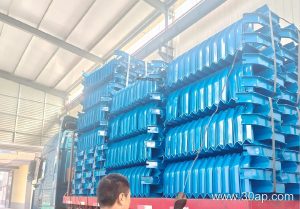
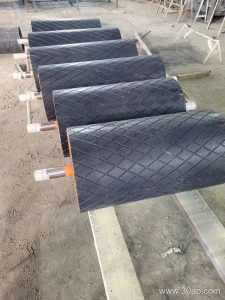
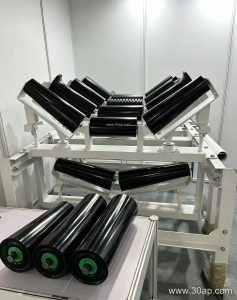
The carrying side usually uses troughing idlers, either two-roll or three-roll, with trough angles of 20, 30, 35, or 45 degrees. A 35-degree trough is common in aggregate and ore handling because it centers the load well. Transition idlers sit near the pulleys to help the belt change from flat to troughed without stress. On the return side, flat return idlers or V-return idlers support the empty belt. Impact idlers with rubber rings are placed under the loading point to absorb the shock of falling rock in a crusher circuit or a ship loading facility. Self-aligning idlers, including friction and tapered types, help correct belt misalignment. The idler is not the same as a conveyor pulley, and a drive pulley, tail pulley, or bend pulley cannot be replaced by an idler; each has a different role.
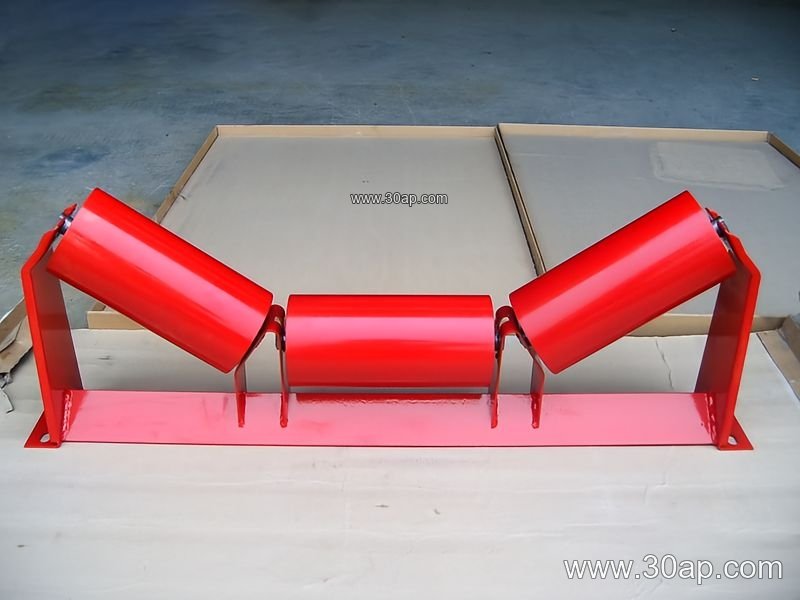
Materials and Belt Compatibility
The idler must match the belt and the environment. In a cement plant or a steel plant, heat resistant conveyor belt may be used, and the idlers nearby should be rated for the same temperature. In a coal mine, a flame retardant conveyor belt is common, and the idler seals should resist coal dust. A heavy-duty mining conveyor belt with a thick cover needs sturdy idlers with adequate bearing capacity. The belt itself may be an EP conveyor belt, a steel cord conveyor belt, or a multi-ply fabric core conveyor belt, and each has different load characteristics. An abrasion resistant conveyor belt used in a quarry will often run on troughing idlers with steel or ceramic rolls. For food or chemical applications, oil resistant or acid resistant belts may be paired with stainless or coated idlers. The idler does not change the belt type, but it must support it properly.
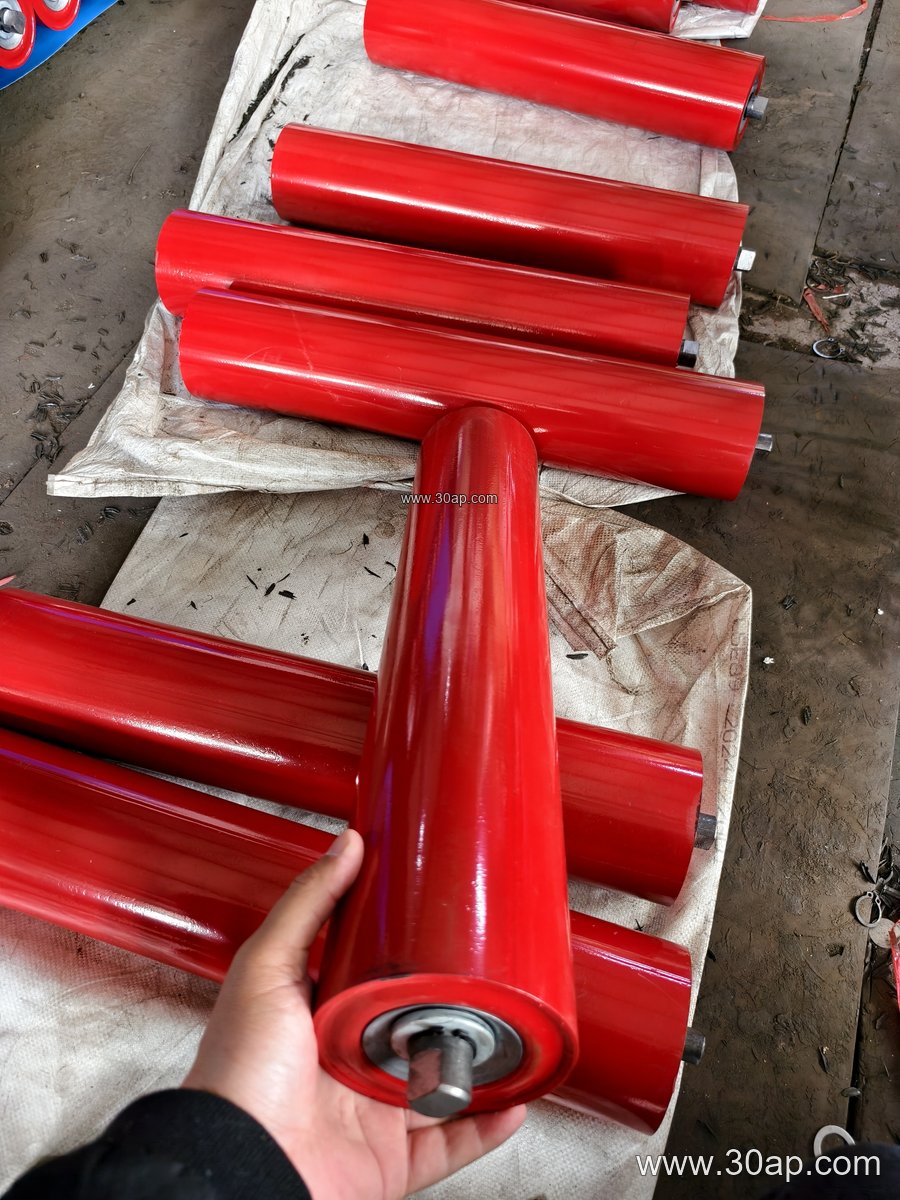
Specifications Buyers Should Check
When specifying conveyor parts idler, buyers should look at roller diameter, shaft size, bearing type, seal class, and roll length. Common roller diameters include Ø63, Ø76, Ø89, Ø102, Ø108, Ø127, Ø133, Ø159, Ø178, Ø194, and Ø219 mm. Belt widths range from B400 to B2400, and the idler set must be selected for the actual width and trough angle. A common mistake is to assume that one belt width only matches one pulley diameter or one shaft size; that is not true. The shaft diameter is determined by the load and the idler design, not by belt width alone. The table below gives examples of common roll lengths for three-roll troughing sets, but final selection should follow the conveyor design.
| Belt Width | Common Roll Length (three-roll set) | Typical Trough Angle |
|---|---|---|
| B500 | 200 mm | 20–35 degrees |
| B650 | 250 mm | 20–35 degrees |
| B800 | 315 mm | 30–35 degrees |
| B1000 | 380 mm | 30–35 degrees |
| B1200 | 465 mm | 30–45 degrees |
| B1400 | 530 mm | 30–45 degrees |
| B1600 | 600 mm | 35–45 degrees |
| B1800 | 670 mm | 35–45 degrees |
| B2000 | 750 mm | 35–45 degrees |
These values are reference examples only. Side rolls and center rolls can differ, and the conveyor bracket and frame dimensions must be checked before ordering.
Maintenance and Selection Tips
Idlers are wear parts, and regular inspection helps avoid belt damage. Listen for squealing bearings, check for wobble, and look for material buildup on the roller surface. In a sand and gravel line or a tunnel excavation project, dust and moisture are constant enemies, so sealed bearings with good grease retention are worth the investment. Replace idlers in sets when possible to keep the belt supported evenly. When buying, confirm the roller diameter, bearing number, seal type, and roll length against the conveyor drawing. The idler roller should spin freely by hand and show no play in the bearing. A conveyor parts idler is a small part of the total system, but choosing the right one for the belt, the load, and the site conditions keeps the whole conveyor running efficiently.