What an Integral Pulley Is
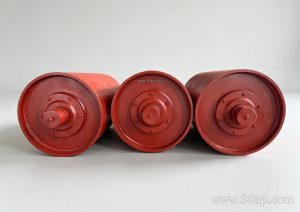
An integral pulley is a conveyor pulley whose shell, end discs, and shaft assembly are manufactured as a single unified structure rather than as a shell slipped over a separate hub and keyed shaft. In practice, the term describes a pulley built as one integrated unit, often with welded end plates or a one-piece drum body that carries the shaft through the full width. Buyers will also see this component called a one-piece conveyor drum or a solid-shell pulley. It is a distinct product from a drive pulley, a tail pulley, or a bend pulley: those names describe where and how a pulley works in the conveyor line, while an integral pulley describes how the drum itself is constructed. A drive pulley may or may not be of integral construction, and the two descriptions should not be used interchangeably.
Construction Details That Matter
The integrated design usually combines a rolled steel shell, machined end discs, and a through-going shaft connected by full-penetration welds. Because the shell and ends form one body, the pulley resists radial deflection well and keeps its roundness under steady belt tension. Surface treatment is applied to the shell rather than to a separate lagging sleeve, which helps the rubber or ceramic layer stay bonded over long service. Common surface forms include plain finish, hot-vulcanized rubber, cold-bonded rubber, diamond grooving, herringbone grooving, and ceramic lagging, with lagging thickness typically 8, 10, 12, 15, or 20 mm depending on grip and wear requirements.
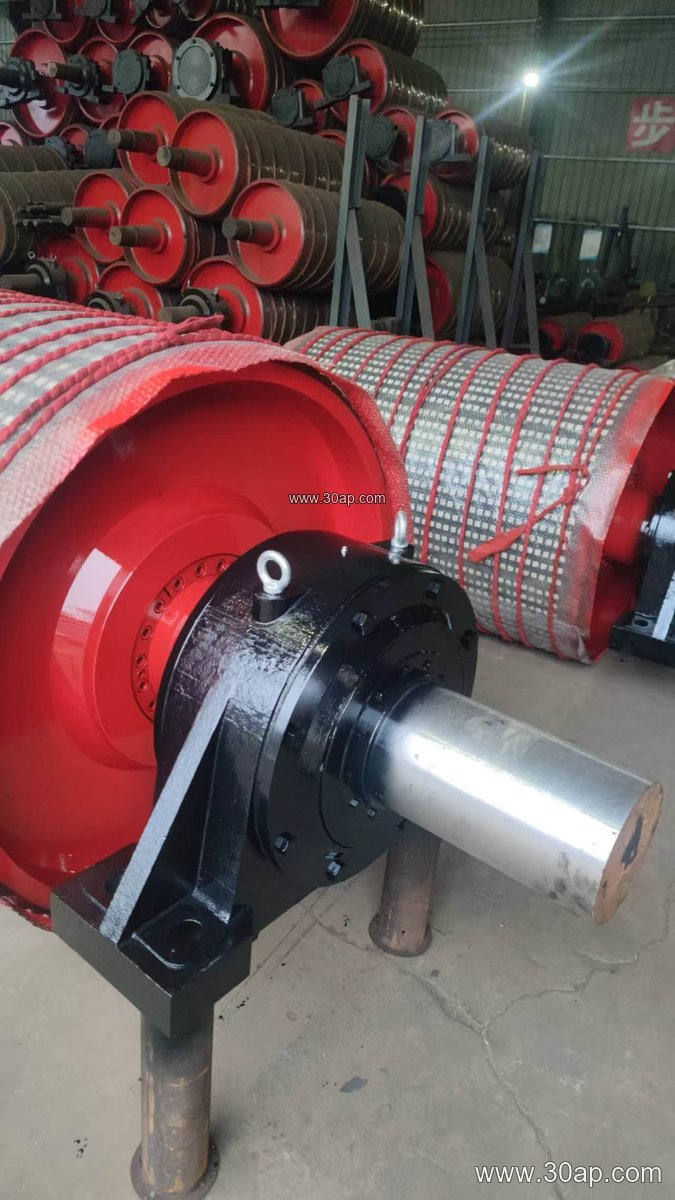
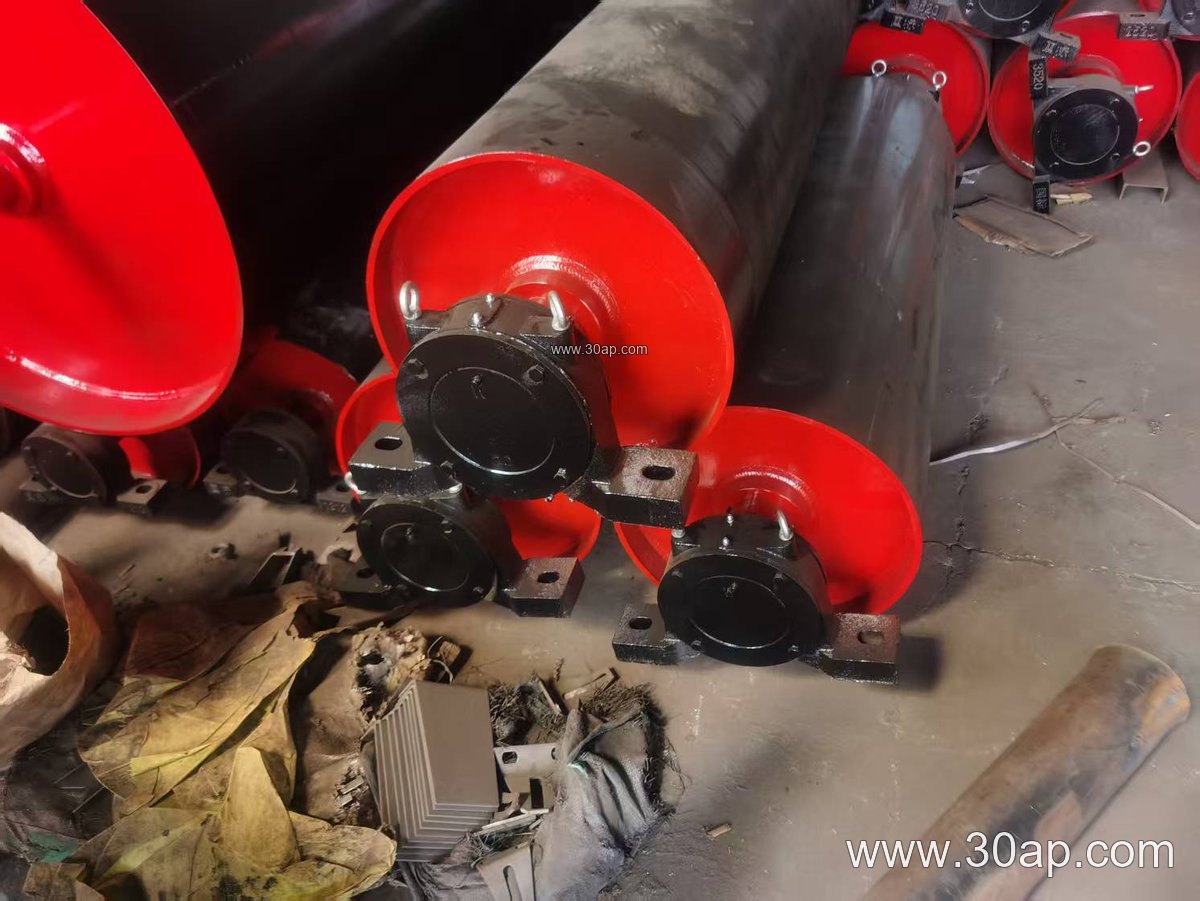
Balance grade, weld quality, and shaft tolerances are the details that separate a reliable integrated drum from a cheap imitation. A pulley that runs out of balance will shorten bearing life and disturb the conveyor belt tracking, especially on long overland lines.
Where Integrated Pulleys Fit
These pulleys appear across bulk handling operations. In a limestone quarry or sand and aggregate line, an integral pulley is often chosen for the head position where shock loads from coarse rock are heavy. In a coal washing plant or underground coal mining conveyor, flame retardant conveyor belts and anti-static conveyor belts run over drums that must hold alignment in cramped galleries. Cement plants use them on clinker and raw meal circuits, while power plant coal handling and port bulk terminals rely on them for steady, high-tension service. The same construction suits a crusher conveyor belt discharge point, where fines and impact are constant.
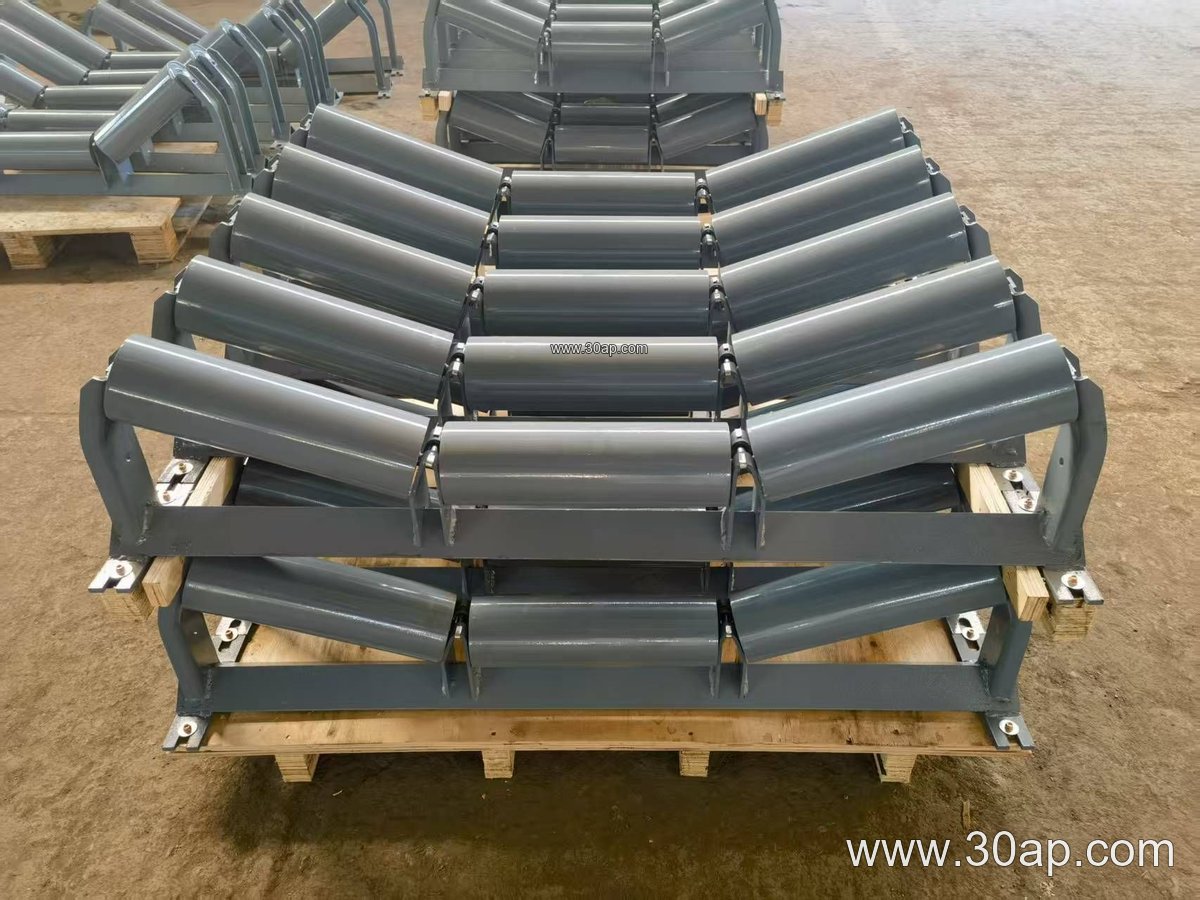
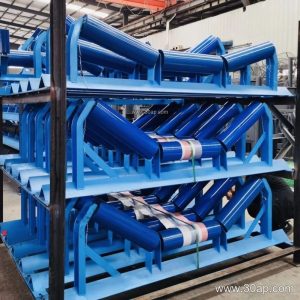
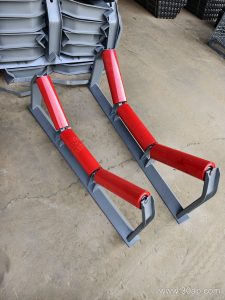
Related components work alongside the drum: the conveyor belt itself, idler rollers supporting the carry side, and the conveyor bracket that anchors the bearing housings. None of these replaces the pulley, but each affects how well it performs.
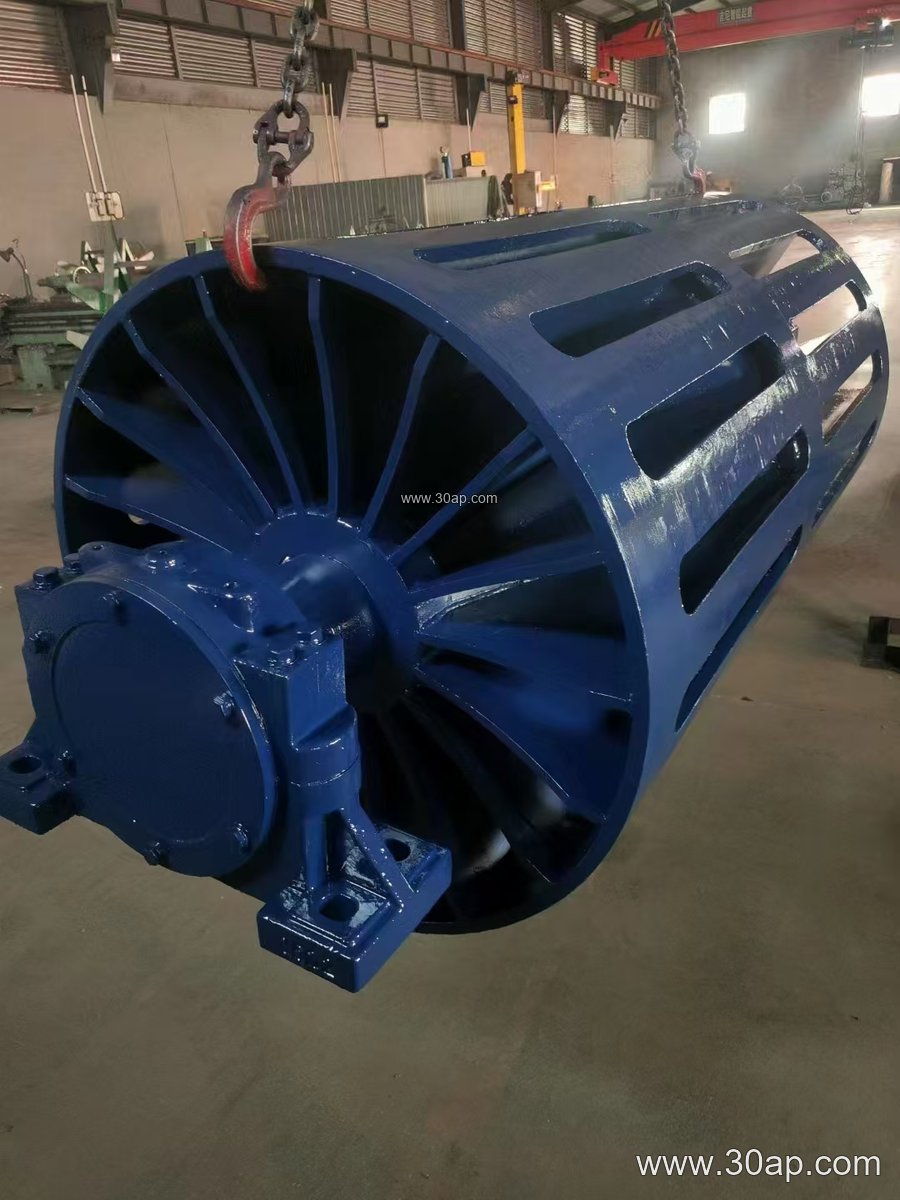
Matching Drum Size to Belt Width
There is no fixed rule that ties one belt width to one drum diameter. Shell width is usually somewhat larger than the belt, for example a B800 belt around a 950 mm face, or a B1200 belt around a 1400 mm face. Diameter is set by belt tension, wrap angle, belt stiffness, and the allowable bending stress in the carcass. A heavy steel cord conveyor belt needs a larger diameter than a thin multi-ply fabric core belt at the same width. Typical combinations seen in the field include B800 × Ø500, B1200 × Ø1000, and B1400 × Ø800, but these are examples, not universal pairings.
| Parameter | Common Range |
|---|---|
| Belt width | B400 to B2400 |
| Drum diameter | Ø200 to Ø1800 |
| Shaft diameter | Ø50 to Ø200 |
| Lagging thickness | 8 to 20 mm |
Shaft diameter must be calculated from torque and bearing load, never copied from belt width alone. A wide, slow drum and a narrow, fast drum can carry very different shaft sizes.
Buyer Checklist
- Confirm the working position: head, tail, tension, or snub, since each imposes different loads.
- State the belt type and tension so the drum diameter can be checked against carcass fatigue limits.
- Choose lagging by duty: plain for clean running, grooved rubber for wet or dusty service, ceramic for abrasive ore.
- Ask for balance reports, weld inspection records, and bearing fit tolerances.
- Verify that the shaft extension matches the coupling and that the bearing housings fit the existing conveyor bracket.
For spare parts planning, keep one integrated drum per critical conveyor on site, particularly where an abrasion resistant conveyor belt or heat resistant conveyor belt runs continuously and downtime is costly.